How Much Do Wireless Headphones Cost: Price Guide

Introduction
In the United States, wireless headphones usually cost $20 to more than $500, depending on the type, brand, sound quality, noise control, battery life, and extra features. Most shoppers can find a good pair for $50 to $150. Premium noise-canceling headphones often cost $200 to $450, while basic wireless earbuds may cost less than $40.
The listed price is not always the final cost. Sales tax, shipping, replacement ear tips, warranty coverage, and eventual battery replacement can affect the total. This guide explains what wireless headphones cost in the U.S., what you get at each price level, and how to choose without paying for features you do not need.

Wireless headphone price ranges in the U.S.
The best starting point is to divide wireless headphones into price tiers. These ranges cover common U.S. retail prices, not temporary sale prices or limited-edition models.
| Price range | Typical product | What you may get | Main limits |
|---|---|---|---|
| Under $30 | Basic wireless earbuds or on-ear headphones | Bluetooth, simple controls, built-in microphone | Weaker microphones, short support life, basic sound |
| $30–$75 | Entry-level earbuds and headphones | Better comfort, longer battery life, app support on some models | Noise cancellation may be weak or absent |
| $75–$150 | Strong mid-range earbuds and headphones | Better sound, improved microphones, multipoint on some models | Premium materials and top-tier ANC may be missing |
| $150–$250 | Premium mainstream models | Effective ANC, better comfort, stronger app features | Higher price for small gains in some areas |
| $250–$450 | Flagship headphones and earbuds | Advanced ANC, refined sound, premium build, strong call features | Expensive; some features depend on a phone app |
| Over $450 | Luxury, professional, or specialty models | High-end materials, brand features, studio use, unusual designs | High cost does not guarantee the best fit or sound |
A pair priced at $25 can work well for podcasts, calls, and casual music. It may not match a $300 model for noise cancellation, comfort, or long-term support. Price is a useful guide, but it is not a direct measure of sound quality.

How much do wireless earbuds cost?
Wireless earbuds generally cost $20 to $300 in the United States. The most useful range for many people is $50 to $150.
Basic wireless earbuds: under $50
Low-cost earbuds often include:
- Bluetooth connection
- A charging case
- Touch or button controls
- A microphone for calls
- Three to eight hours of playback per charge
At this price, check the return policy and warranty. Very cheap earbuds may have poor battery consistency, loose charging contacts, or weak support for software updates.
Basic earbuds can suit school, short commutes, exercise, and occasional use. They are less suitable if you need clear work calls, strong wind control, or dependable noise cancellation.
Mid-range wireless earbuds: $50 to $150
This is often the best value range. Many models offer:
- Better sound tuning
- More reliable microphones
- Sweat or water resistance
- A companion app
- Transparency mode
- Basic active noise cancellation
- Longer battery life
- Better phone and computer support
look for an official water-resistance rating such as IPX4 or IPX7. The rating has limits. It does not mean the earbuds are safe to use in every wet situation, and it does not always cover the charging case.
Premium wireless earbuds: $150 to $300
Premium earbuds may add:
- Stronger active noise cancellation
- Better control of outside sound
- More advanced call processing
- Spatial audio
- Wireless charging
- Head tracking
- Improved fit systems
- Device-specific features
These features can be useful, but compatibility matters. Some functions work best only with a specific phone brand or operating system. A premium pair may not provide full value when used with a device outside its intended ecosystem.
How much do wireless over-ear headphones cost?
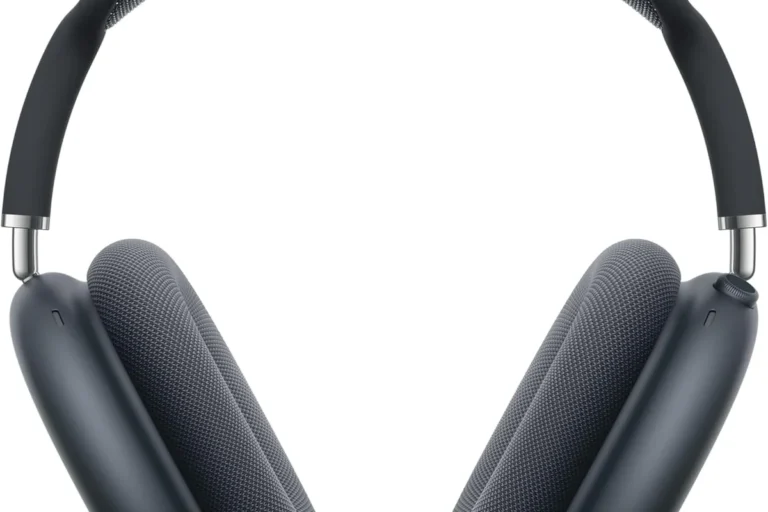
Wireless over-ear headphones usually cost $50 to $500 or more. A practical buying range is $100 to $300.
Over-ear models place cushions around the ears. They often provide better comfort for long listening sessions and more room for larger batteries than earbuds.
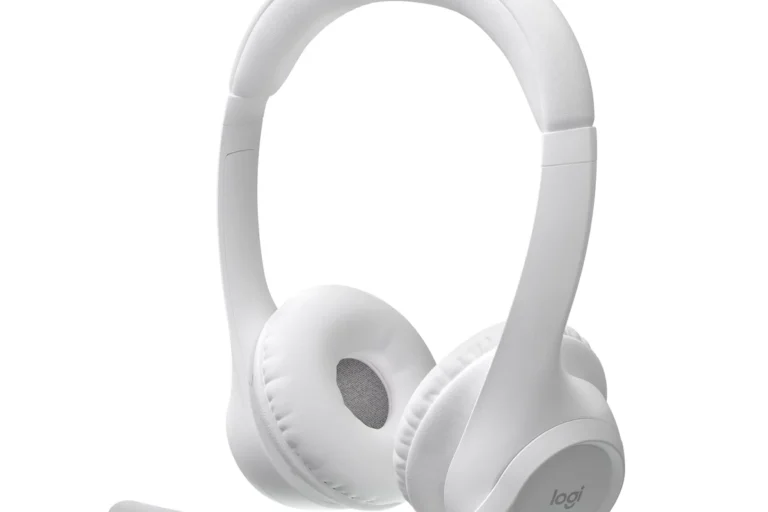
Entry-level over-ear headphones: $50 to $100
These models may include:
- Bluetooth audio
- A built-in microphone
- Foldable hinges
- Around 20 to 40 hours of advertised battery life
- Basic noise reduction or no ANC
They can work well for music, videos, travel, and home use. Their ear cushions, hinges, and microphones may not feel as refined as those on more expensive models.
Mid-range over-ear headphones: $100 to $200
This range often offers the best balance of cost and features. You may find:
- Active noise cancellation
- Better padding
- Longer battery life
- Wired listening through a cable
- Multipoint Bluetooth
- A mobile app with equalizer controls
- Better voice pickup
Multipoint lets the headphones stay connected to two devices at once, such as a laptop and phone. It is useful for work, but it does not always work equally well across every device.
Premium over-ear headphones: $200 to $450
Premium models often focus on travel and long listening sessions. Common upgrades include:
- More effective low-frequency noise cancellation
- Better control of voices and outside sounds
- Higher-quality microphones
- More comfortable headbands
- Stronger hinges and materials
- Adjustable sound modes
- A more complete control app
The biggest practical gain is often comfort and noise control, not a dramatic change in basic sound quality.
Luxury and specialty headphones: over $450
Some models cost more than $450 because of brand positioning, specialty materials, professional features, or a particular sound design. These headphones may appeal to audio professionals and enthusiasts.
A high price does not guarantee better comfort. Head shape, glasses, heat, clamp force, and ear size still matter.

What makes wireless headphones more expensive?
The cost usually rises because of hardware, software, materials, research, and brand positioning. The most important price factors are below.
Active noise cancellation
Active noise cancellation, or ANC, uses microphones and electronic processing to reduce outside sound. It works best against steady noise, such as:
- Airplane engines
- Bus and train sounds
- Air conditioners
- Office hum
ANC is usually less effective against sudden sounds, nearby speech, and irregular noise. Strong ANC often adds cost, but the cheapest ANC models may provide only a modest improvement over passive ear coverage.
Battery size and battery life
A larger battery can support longer playback, but battery claims depend on test conditions. Using ANC, high volume, calls, and special audio modes can reduce the real run time.
Compare battery life in the same way. Check whether the advertised number includes:
- ANC turned on or off
- The charging case
- Voice calls
- A single charge
- The total number of case recharges
Microphone quality
A headset with a good microphone can cost more because it may use several microphones and software to reduce wind and background noise. This matters for:
- Work meetings
- Customer calls
- Online classes
- Gaming chat
- Outdoor conversations
Do not assume that strong music sound means clear speech. Playback and microphone performance are separate features.
Comfort and build quality
Materials affect weight, durability, flexibility, and feel. Metal parts may look premium, but they can add weight. Soft cushions may feel comfortable at first but can wear over time.
For over-ear headphones, check whether replacement cushions are available. Replaceable parts can extend the useful life of a pair.
Bluetooth features and codecs
Bluetooth is the wireless link between the headphones and the device. Newer Bluetooth versions may improve efficiency and connection features, but the version number alone does not prove better sound.
Some headphones support higher-quality codecs. The phone, computer, and headphones must all support the same codec for it to matter. Codec support should not outweigh comfort, fit, battery life, or call quality.
Software and device compatibility
An app may control the equalizer, ANC, buttons, updates, and device connections. Some advanced features require a specific app or phone platform.
Before buying, check compatibility with:
- iPhone or Android phone
- Windows or Mac computer
- Smart TV
- Gaming console
- Video-call software
- Work or school devices
The real cost of owning wireless headphones
The purchase price is only part of the cost. A more complete estimate includes accessories, support, and replacement.
Extra costs to consider
Potential costs include:
- Sales tax
- Shipping
- A protective case
- Replacement ear tips
- Replacement ear cushions
- A Bluetooth adapter for older equipment
- Extended warranty coverage
- A replacement charging cable
- Eventual replacement when the built-in battery loses capacity
Most wireless headphones use rechargeable batteries that gradually lose capacity. Battery life depends on use, charging habits, heat, and age. Many consumer models are not designed for easy battery replacement.
A simple cost-per-use calculation
You can compare value with this formula:
Total ownership cost ÷ expected number of uses = cost per use
For example, suppose a $120 pair is used four times each week for two years:
- $120 total cost
- About 416 uses
- Rough cost: $0.29 per use
This is a hypothetical calculation, not a promise about product life. A cheaper pair that fails quickly may cost more per use than a better-built pair used for several years.
What should you spend on wireless headphones?
The right budget depends on how you will use the headphones.
| Your main use | Reasonable budget | What to prioritize |
|---|---|---|
| Occasional podcasts | $20–$50 | Comfort, simple controls, return policy |
| Daily music at home | $50–$150 | Sound, battery, comfort |
| Work calls | $75–$200 | Microphone, multipoint, computer support |
| Air travel | $150–$400 | ANC, comfort, battery, wired backup |
| Exercise | $30–$150 | Fit, sweat resistance, secure controls |
| Gaming | $75–$250 | Platform support, microphone, latency |
| Audiophile or studio use | $100–$500+ | Sound profile, wired mode, source compatibility |
If you only need basic listening, spending more may not improve your experience. If you travel often, effective ANC and comfort may justify a higher price.
A useful rule is to spend more on the feature you will use every day. Do not pay extra for spatial audio if you do not use it. Do not choose a cheap model with poor fit if you wear it for eight hours at work.
Wireless headphones versus wired headphones
Wireless headphones cost more because they include batteries, Bluetooth hardware, microphones, and control electronics. Wired headphones can offer good sound at a lower price and do not need charging.
Wireless headphones are usually worth the extra cost when you value:
- Freedom from cables
- Phone calls
- Travel convenience
- Device switching
- ANC
- Touch or button controls
Wired headphones may be better when you want:
- Long-term repairability
- No charging
- Simple connection
- Low cost
- Use with audio equipment that lacks Bluetooth
Some wireless headphones also support wired listening. Check whether the wired mode works with a dead battery. On some models, the cable provides audio but does not support every feature.
How to get a fair price in the U.S.
A fair price depends on the model’s normal price, not only its current discount label. Retailers may show a sale price against a suggested retail price that is not used often.
Use this process:
- Identify the exact model number. Similar names may refer to different versions.
- Check the manufacturer’s suggested price.
- Compare at least two major U.S. retailers.
- Check the manufacturer’s refurbished store.
- Confirm the warranty and return period.
- Check whether the product is new, used, renewed, or open-box.
- Add sales tax and shipping.
- Check whether the sale price requires a membership or coupon.
- Read the return terms before opening the package.
Refurbished headphones can reduce the price, but the seller and warranty matter. Buy from a source that clearly states the product condition and return rights.
Avoid suspiciously low prices from unknown sellers. A low price may involve a counterfeit product, missing accessories, no valid warranty, or a product intended for another market.
Common mistakes when buying wireless headphones
Choosing by Bluetooth version alone
A newer Bluetooth number does not guarantee better sound, stronger ANC, or better comfort. Evaluate the complete product.
Confusing passive isolation with ANC
Ear cushions and ear tips block some sound by physical fit. ANC uses electronics to reduce certain outside sounds. A product can have one, both, or neither.
Trusting battery claims without checking conditions
Battery numbers may exclude calls, ANC, high volume, or special modes. Treat them as test results under stated conditions, not a guarantee for every user.
Ignoring fit
Fit affects sound, bass, comfort, microphone position, and noise reduction. Earbuds that do not seal well may sound weak even when the hardware is good.
Forgetting device limits
Some headphones work with many devices but reserve advanced features for one operating system. Check the app, codec, multipoint, and spatial-audio requirements.
Assuming wireless headphones protect hearing
Ordinary wireless headphones are not hearing protection. Do not use them as a substitute for certified hearing-protection equipment in loud workplaces or around hazardous noise.
Keep volume at a level that allows you to hear warning sounds when your surroundings require awareness. If you notice ringing, pain, muffled hearing, or trouble understanding speech, stop listening and consider speaking with a hearing professional.
Are expensive wireless headphones worth it?
Expensive wireless headphones are worth considering when you need reliable ANC, long-session comfort, better calls, strong device switching, or premium support. They are less compelling when you only listen at home, use low volume, or replace headphones often.
The extra money often improves the entire experience rather than sound alone. Better controls, stable connections, comfortable padding, and useful software can matter more than small changes in audio detail.
A mid-range model is often the sensible choice for shoppers who want good sound and practical features without paying for every premium option.
How long should wireless headphones last?
Many wireless headphones can remain usable for several years, but battery capacity is often the limiting factor. Actual life depends on charging cycles, heat, daily use, physical stress, and whether parts can be replaced.
Signs that replacement may be needed include:
- Much shorter battery life
- One side losing power early
- Cracked ear cushions
- Loose hinges
- Charging problems
- Frequent connection failures
- No longer receiving needed app or device support
Before replacing them, clean the charging contacts, update the software, reset the headphones, and test another cable or charger when the manufacturer allows it. Do not open a built-in lithium-ion battery unless you have the correct repair skills and equipment.
Frequently asked questions
Is $50 enough for good wireless headphones?
Yes. A $50 budget can provide usable wireless earbuds or basic over-ear headphones. You may need to accept weaker ANC, simpler microphones, less refined materials, or fewer app features.
Are $20 wireless earbuds worth buying?
They can be worthwhile for occasional use, travel backups, or simple podcasts. Check the return policy, battery reviews from reliable sources, water rating, and warranty before buying.
What is a good budget for noise-canceling headphones?
A practical U.S. budget is about $100 to $250. Models below that range may still reduce noise, but performance and comfort can vary widely. Premium options often cost $250 or more.
Do wireless headphones go on sale?
Yes. Discounts often appear during major U.S. shopping periods, product refreshes, and retailer promotions. Compare the exact model and its normal selling price rather than relying only on the advertised percentage discount.
Are refurbished wireless headphones safe to buy?
They can be, if sold by the manufacturer or a trusted retailer with a clear warranty and return policy. Confirm that the package includes the correct charging case, cable, ear tips, and documentation.
Conclusion
Wireless headphones cost about $20 to $500 or more in the United States, with $50 to $150 covering many strong everyday choices. Basic earbuds suit casual use, mid-range models offer the best balance for many buyers, and premium headphones make the most sense for frequent travel, demanding calls, comfort, or advanced noise control.
Set your budget around your main use. Compare the total ownership cost, check device compatibility, and confirm the return policy. The best-priced headphones are not always the cheapest pair; they are the pair that meets your needs and remains useful long enough to justify the cost.