How To Fold Headphones Without Damaging Them: Easy Guide

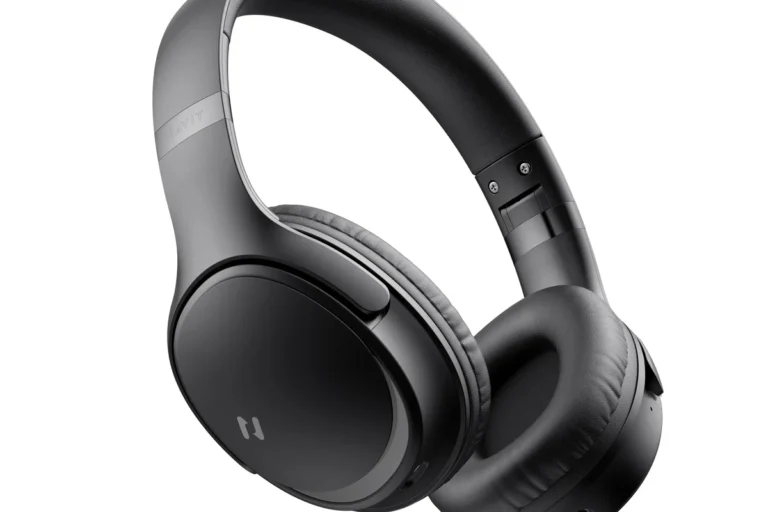
The safest way to fold headphones is to use only the hinges and swivel points designed for movement. Do not force the ear cups, twist the headband, or bend the cable. In the United States, headphone models from Apple, Bose, Sony, JBL, and other brands may use different folding systems, so the owner’s manual is the final guide.
Before you fold your headphones, remove them from your head, hold both ear cups, and move each joint slowly. Stop if you feel sharp resistance, hear a crack, or see the ear pads being crushed. Then place the folded headphones in a case or clean, dry bag.

Why Headphones Break When They Are Folded
Most folding damage comes from force applied to the wrong part. A headphone hinge can move in one direction but remain weak in another. A swivel joint may turn the ear cup flat, but it may not support a full inward fold.
The most common causes of damage include:
- Bending the headband instead of using its sliders
- Twisting an ear cup past its stop
- Pinching the cable inside a hinge
- Pressing soft ear pads against hard objects
- Folding headphones while the cord is wrapped tightly
- Carrying them loose with keys, coins, or other items
- Forcing a hinge that has become stiff
A hinge is like a small door hinge. It works well along its intended path. It can crack when pushed sideways. The same idea applies to headphone yokes, which are the arms that connect the ear cups to the headband.
Folding does not always mean making the headphones smaller
Some headphones are called foldable even though they only rotate flat. Others have several moving parts:
- Swivel hinges rotate the ear cups.
- Folding hinges let the ear cups move toward the headband.
- Sliding adjusters change the headband length.
- Rotating yokes turn the ear cups inward or outward.
- Detachable cables can be removed before storage.
A headphone may have one, several, or none of these features. Never assume that a joint should move just because it looks like a hinge.

How to Fold Over-Ear and On-Ear Headphones Safely
Follow this sequence for most foldable headphones. Change the steps if your model’s manual gives different instructions.
1. Remove the cable if it is detachable
If the cable plugs into the ear cup, unplug it before folding when the manual allows this. This reduces strain on the plug and helps prevent the cable from being trapped in a hinge.
Do not pull the cable itself. Grip the plug housing. For a fixed cable, leave enough slack for the cable to move freely.
2. Retract the headband sliders
Hold the headband near both sides. Slide each adjuster inward with light, even pressure. Do not squeeze the headband to make it shorter.
Stop at the normal end of the slider. If the slider does not move, check whether the ear cups are sitting at an angle. Uneven ear cup positions can make the headband harder to close.
3. Rotate the ear cups only at their swivel points
Hold the outside of each ear cup. Turn it slowly toward the position shown in the manual or product diagram.
Many headphones rotate flat for storage. Some also fold inward. Some do not fold at all. A flat position is not proof that the ear cup should continue moving.
4. Fold the ear cups inward if the design supports it
If the headphones have a second folding hinge, guide both ear cups toward the headband. Use your fingers near the hinge rather than pressing on the center of the ear pad.
The movement should feel smooth. A small click may be normal if the hinge has a detent, or a built-in stop position. A loud snap, grinding sound, or sudden jump is not a good sign.
5. Keep the cushions from being crushed
Place the ear cups so the cushions face one another only when the case or manual supports that position. Do not press the folded headphones under books, clothing, or other heavy items.
Memory foam and synthetic leather can flatten when stored under pressure. The foam may recover, but repeated compression can change the shape of the pad and reduce comfort.
6. Place the headphones in a protective case
Use the supplied hard case when available. A soft pouch can protect against dust and scratches, but it may not protect the hinges from bending force.
Put the cable in a loose coil beside the headphones. Do not wrap it tightly around the headband or ear cups. A loose coil reduces sharp bends near the plug.

How to Fold Different Types of Headphones
The correct method depends on the headphone design. Use this guide to choose the safest approach.
| Headphone type | Safe storage method | Main risk |
|---|---|---|
| Foldable over-ear headphones | Retract sliders, rotate ear cups, then fold marked hinges | Overloading the yokes |
| On-ear headphones | Fold only at labeled joints | Crushing the smaller ear pads |
| Non-folding over-ear headphones | Rotate flat only if designed for it; otherwise store open | Bending the headband |
| Wired headphones with a fixed cable | Fold the frame gently and leave cable slack | Cable fatigue near the plug |
| Wireless headphones | Power off, fold as directed, and store in a case | Hinge or battery-area impact |
| True wireless earbuds | Put each earbud in its charging case | No folding joint; forcing the stem can damage it |
| Gaming headsets | Retract the microphone and fold only approved joints | Breaking or loosening the boom mic |
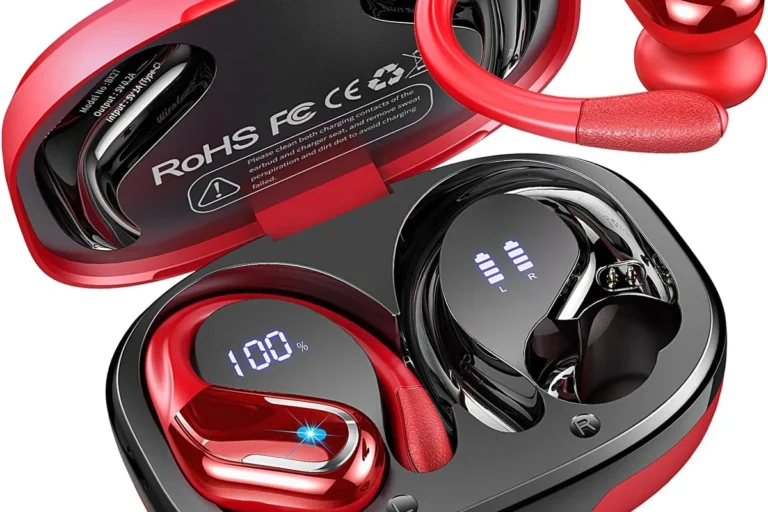
True wireless earbuds do not fold
True wireless earbuds should go straight into their charging case. Do not bend the stems or press the earbuds into a pocket.
Keep the charging contacts dry and clear. If the case has a lid, close it gently. A case protects the earbuds from impact, lint, and accidental pressure.
Gaming headsets need extra care
A gaming headset may have a microphone boom, volume wheel, detachable cable, or USB cable. Move the microphone only through its normal range. Do not use the boom as a handle.
Before storage, disconnect a detachable cable if practical. Keep the USB cable loose. Do not fold the headset around the cord.

How to Pack Folded Headphones in a Bag
A good fold can still lead to damage if the headphones are packed badly. Keep them in a separate space where other objects cannot press on the hinges.
Use these packing steps:
- Turn the headphones off.
- Disconnect a removable cable.
- Fold the headphones into their intended compact position.
- Place them in a hard or semi-hard case.
- Put the case in a part of the bag that is not tightly packed.
- Keep liquids away from the case.
- Avoid placing a laptop, book, or heavy charger on top of it.
Do not put loose headphones in a pocket with keys or metal tools. Scratches are not the only concern. A sharp object can push into an ear pad or catch inside a hinge.
How to store the cable
A cable should form a wide, relaxed loop. Avoid small, tight circles. Do not bend the cable sharply where it meets the plug or ear cup.
If the cable has a microphone or inline control, keep that part outside the tightest bend. Repeated bending in one spot can weaken the internal conductors over time.
Can you fold headphones with the ear pads facing outward?
Only if the design permits it. Some models are made to fold with the pads facing inward. Others rotate flat with the pads facing outward. Follow the printed symbols, case shape, or manual.
If the ear cups press against the headband, the pads may rub or deform. If the cups sit at an odd angle, the frame may receive uneven force.
What to Do if Headphones Will Not Fold
Do not force a stiff headphone hinge. First find out whether the model is meant to fold in that direction.
Check the following:
| Symptom | Likely cause | Safe action |
|---|---|---|
| The ear cup stops suddenly | Built-in movement limit | Stop at the limit |
| The slider feels tight | Dirt, misalignment, or normal friction | Align both sides; do not add oil |
| The hinge clicks once | A normal detent or lock | Compare with the manual |
| The hinge grinds | Wear, debris, or damage | Stop using that joint |
| The cable catches | Cable is in the hinge path | Unplug or reposition it |
| One side folds farther | Uneven alignment or damage | Do not force the other side |
| The plastic shows a white line | Stress or cracking | Stop folding and inspect the frame |
Do not spray oil, water, or household cleaner into a headphone hinge. Liquid can reach the electronics, and oil can collect dust. Use a dry, soft brush around the joint if debris is visible.
If a hinge is cracked, loose, or detached, keep the headphones in the position that causes the least stress. Contact the manufacturer or an authorized repair service. A small crack can spread when the hinge is used again.
Signs You Are Folding Headphones Correctly
A safe fold has several clear signs:
- Both sides move in the same general way.
- The hinge moves smoothly.
- You use light hand pressure.
- The cable stays outside the moving joint.
- The ear pads are not sharply bent or crushed.
- The folded shape matches the case.
- No part of the frame twists sideways.
- The headphones stay closed without force.
A correct fold should not require a strong grip. If you need to brace the headband against a table or press down with your palm, stop. The extra force may damage the frame even if nothing breaks immediately.
A simple pre-storage check
Before placing the headphones in a bag, look at:
- The hinge area
- The cable connection
- The ear pad edges
- The headband sliders
- The case fit
This takes a few seconds. It can reveal a trapped cable, crooked hinge, or loose part before the problem becomes worse.
Common Mistakes That Damage Foldable Headphones
Avoid these habits when storing or traveling with headphones.
Forcing a non-folding model
Some headphones have rotating ear cups for comfort or monitoring but are not designed to fold into a compact shape. Rotation does not always mean folding.
Folding one side at a time with force
If one ear cup is already at an odd angle, forcing the other side can twist the headband. Set both sides to a neutral position first.
Using the ear pad as a handle
Ear pads are soft parts. They are not designed to carry the weight of the headset. Hold the frame or outer ear cup instead.
Wrapping the cord around the headphones
This can pull on the plug and put pressure on the headband. Store the cord separately or place it in the case beside the folded frame.
Leaving headphones in a hot car
High heat can soften adhesives and speed up wear in synthetic leather and plastic parts. In the United States, a closed car can become very hot in direct sun. Store headphones in a moderate indoor space when possible.
Storing them while damp
Sweat and moisture can affect ear pads, metal parts, and electronic contacts. Let the headphones dry before placing them in a closed case. Do not use high heat from a hair dryer.
A Practical Folding Routine for Daily Use
For daily travel, use the same short routine each time:
- Remove the headphones from your head.
- Turn them off if they are wireless.
- Disconnect the cable if it is removable.
- Retract the headband evenly.
- Rotate and fold only the marked joints.
- Check that no cable is trapped.
- Place the headphones in a protective case.
- Store the case where it will not be crushed.
This routine protects the parts that usually receive the most stress: hinges, sliders, cables, and ear pads. It also makes it easier to notice a new crack or loose joint.
If the headphones do not fit the case without pressure, do not force the lid closed. The case may be too small, or the headphones may be folded in the wrong direction.
Frequently Asked Questions
Should I fold headphones with the ear cups facing in or out?
Use the position shown in the owner’s manual or the supplied case. Many models fold inward, while others rotate flat with the ear cups facing outward. The safest position is the one that does not press the pads, twist the yokes, or strain the cable.
Is it bad to fold headphones every day?
Daily folding is usually acceptable when the headphones are designed for it and you use the correct hinges. Damage is more likely when you fold them with force, twist them sideways, or pack them under heavy pressure.
Can I fold headphones without a case?
Yes, but a case offers better protection. If you have no case, store the headphones in a clean pocket with enough room to avoid pressure and contact with sharp objects. A soft pouch is better than loose storage, but it will not prevent crushing.
How should I fold headphones with a cable attached?
Leave the cable loose and keep it away from the hinge. If the cable is detachable, removing it before folding can reduce strain. Never wrap the cable tightly around the headband or pull it from the plug.
What should I do if a headphone hinge starts cracking?
Stop folding that hinge. Keep the headphones in a low-stress position and contact the manufacturer or a qualified repair service. Do not glue a moving hinge without checking the repair method, because adhesive can block movement or reach the electronics.
Final Takeaway
To fold headphones without damaging them, use only their intended hinges, move each part slowly, protect the cable, and avoid pressure on the ear pads. Store the folded headphones in a case, and stop immediately if a joint grinds, cracks, or resists normal movement.
The next step is simple: check your model’s manual or case design before folding it for the first time. That small check can prevent a costly hinge, cable, or headband repair.