How To Fold Wireless Headphones: Easy Folding Guide

Introduction
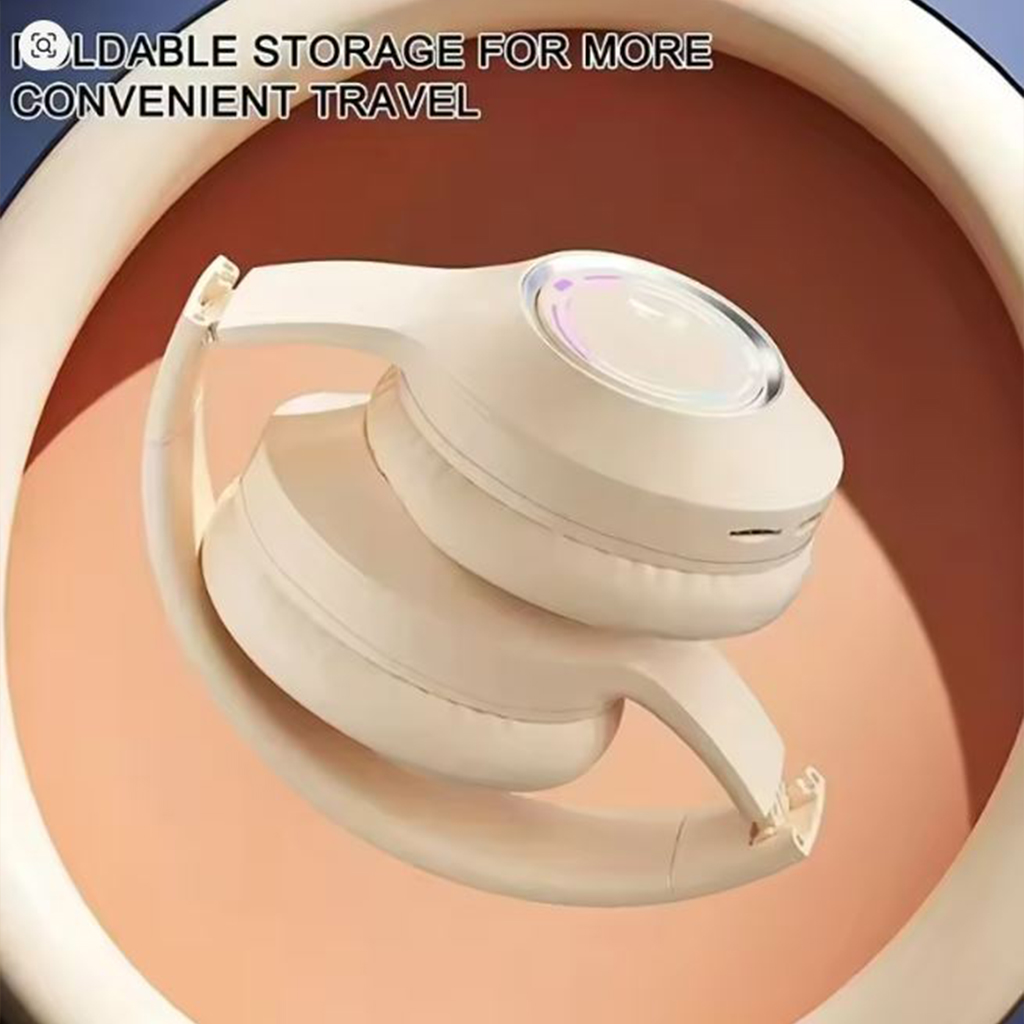
Most wireless over-ear and on-ear headphones fold at the ear-cup hinges or swivel joints. To fold them safely, remove the headphones from your head, shorten the headband, rotate or pivot each ear cup in the direction shown by the hinge, and stop if you feel strong resistance. Never force a cup past its natural range.
This guide is written for headphone owners in the United States. It covers common designs sold in the U.S., including foldable Bluetooth headphones, travel headphones, and compact on-ear models. Since hinge layouts vary by brand and model, the owner’s manual remains the final authority.
Do Wireless Headphones Fold?
Many wireless headphones fold inward or swivel flat, but not all of them do. “Wireless” describes how the headphones connect to a device. It does not describe the shape or movement of the frame.
Most wireless headphones fall into these groups:
- Foldable over-ear headphones: The ear cups pivot inward toward the headband.
- Foldable on-ear headphones: The smaller cups often fold inward at compact hinges.
- Swivel-flat headphones: The ear cups turn flat but may not fold into the headband.
- Fixed-frame headphones: The frame has little or no folding movement.
- Wireless earbuds: These do not fold. They fit inside a charging case instead.
Look for a visible joint near each ear cup. A hinge, small gap, arrow, or molded pivot usually shows where the headphones move. If the frame has no joint, do not try to bend it.
Folding versus swiveling
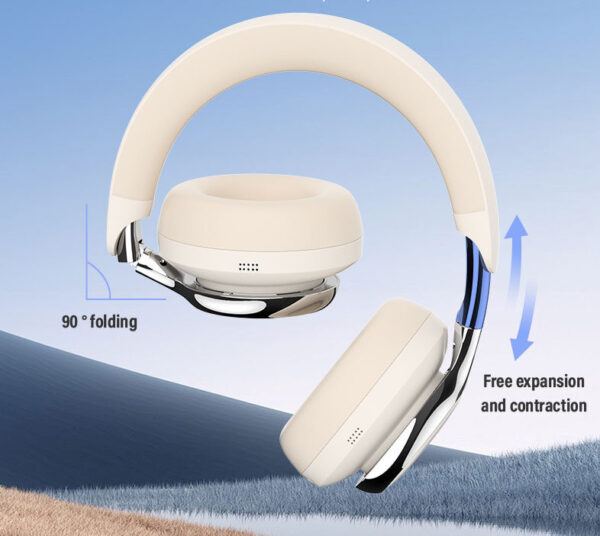
A folding hinge shortens the headphones for storage. A swivel hinge turns the ear cups so they sit flat in a case or bag. Some models use both movements.
The difference matters because a swivel joint may move in only one direction. For example, an ear cup may turn forward to lie flat but may not pivot inward. A movement that feels natural on one model can damage another.
How to Fold Wireless Headphones Step by Step
Use this method for most foldable Bluetooth headphones. If your model has a printed arrow or diagram, follow that guide first.
1. Remove the headphones and power them off
Take the headphones off your head before folding them. Turn them off if the design has a power button, or place them in their storage mode if the manual requires it.
This gives you a clear view of both hinges. It also prevents accidental button presses and reduces strain on the ear cushions.
2. Disconnect or manage the charging cable
Unplug any USB-C, micro-USB, or audio cable before folding the headphones. A cable caught in a hinge can pull on the port or split the cable.
If the headphones support a wired listening mode, keep the cable separate from the folded frame. Do not wrap the cable tightly around the headband.
3. Retract the headband
Slide both headband arms inward until they reach a comfortable, even position. Do not push the sliders beyond their built-in stops.
Keep both sides at the same length when possible. An uneven headband can make the frame harder to fold and may place extra force on one hinge.
4. Hold the headphones by the headband and ear cups
Use one hand to support the headband and the other to guide an ear cup. Avoid squeezing the cushion or pressing on the touch controls.
Support near the hinge, but keep your fingers away from the joint. This lowers the chance of pinching your skin.
5. Find the hinge’s natural direction
Look at the joint near the ear cup. Slowly test the movement with light pressure.
The cup may:
- Fold inward toward the center of the headband.
- Swivel forward or backward until it lies flat.
- Move in both directions.
- Remain fixed while the opposite side folds.
Follow the path that requires the least force. If the cup stops, do not push harder.
6. Fold or swivel one ear cup at a time
Move the first ear cup slowly. Keep the motion smooth rather than using a quick snap.
Then repeat the movement on the other side. The ear cups should settle into a compact position without twisting the headband. On some models, the cups face each other. On others, the cushions face outward or sit flat beside the headband.
7. Place the headphones in the case
Put the folded headphones into the case in the same position shown by the case shape. If the case has a molded groove, place the headband and ear cups into those spaces rather than forcing the lid shut.
A case that closes only when you press down may indicate that the headphones are facing the wrong way. Reposition them instead of applying extra pressure.
8. Check the final position
A properly folded pair should meet these signs:
- The hinges sit within their normal stops.
- The ear cushions are not sharply crushed.
- The headband is not twisted.
- The case closes without force.
- No cable, button, or control is trapped.
- The frame returns to its normal shape when opened.

How Different Headphone Designs Fold
The correct method depends on the hinge layout. Identify the design before applying pressure.
| Headphone design | Usual movement | Storage result | Main caution |
|---|---|---|---|
| Inward-folding | Ear cups pivot toward the headband | Small, compact shape | Do not reverse the hinge |
| Swivel-flat | Ear cups rotate to a flat position | Slim profile | The cups may not fold inward |
| Telescoping headband | Sliders shorten the frame | Reduced height | Stop at the slider limit |
| Fixed frame | Little or no hinge movement | Full-size shape | Do not bend the headband |
| Wireless earbuds | Buds fit into a case | Small charging case | Do not fold the earbuds |
Over-ear headphones
Over-ear headphones have large cushions that surround the ears. Their hinges often fold inward, but some models only swivel flat.
Place the cushions in the case without crushing them against the headband. Long-term pressure can change the shape of foam cushions and reduce the seal around the ears.
On-ear headphones
On-ear headphones rest on the ears and often have smaller, lighter frames. Their ear cups may fold into the headband more easily than over-ear cups, but their hinges can still be delicate.
Use the same slow-motion approach. Small headphones are not automatically stronger because they are lighter.
Wireless earbuds
Wireless earbuds do not fold like headphones. Put each earbud into its matching slot in the charging case. The charging contacts should face the metal contacts in the case.
If an earbud does not sit flat, remove it and check for earwax, dust, or a misplaced ear tip. Do not press the lid closed over a badly seated earbud.
What to Do If Your Headphones Will Not Fold
Do not force the frame. A headphone that will not fold may be fixed by design, folded in the wrong direction, or blocked by a damaged hinge.
Check these points in order:
- Confirm the model design. Search the model number in the manufacturer’s U.S. support page or owner’s manual.
- Look for a second hinge. Some models require the ear cup to swivel before the headband can fold.
- Check the direction. Try only the direction shown in the manual or molded markings.
- Inspect for dirt. Dust or debris around a hinge can restrict movement. Use a dry, soft brush.
- Look for damage. Cracks, loose screws, uneven movement, or clicking sounds can indicate a broken hinge.
- Stop if resistance remains. Contact the manufacturer or an authorized repair service.
Do not use oil, household lubricant, or water on the hinge unless the manufacturer specifically permits it. Liquids can reach microphones, buttons, batteries, or other electronics.
Symptoms and likely causes
| Symptom | Possible cause | Safe response |
|---|---|---|
| Ear cup moves one way only | Normal hinge design | Follow the marked direction |
| One side folds but the other does not | Uneven slider or blocked hinge | Reset the headband and inspect both sides |
| Hinge clicks loudly | Wear, debris, or damage | Stop and check the manual |
| Case will not close | Wrong orientation or cable in the case | Reposition the headphones |
| Cushion is crushed | Incorrect storage position | Turn the cups so the cushions are not trapped |
| Frame feels loose | Worn or cracked hinge | Avoid further folding and seek support |
How to Store and Carry Folded Wireless Headphones
Folding protects space, but storage still affects the headband, cushions, hinges, and battery.
Use a protective case when carrying the headphones in a backpack, purse, or luggage. A loose bag can expose the frame to pressure from books, chargers, or other hard items.
Keep the folded headphones away from heat and moisture. Do not leave them for long periods in a hot car, near a heater, or in direct sun. High heat can affect plastic parts, cushion materials, adhesives, and the battery.
Store the headphones with the ear cushions clean and dry. If you have used them during exercise, let them dry before placing them in a closed case. Follow the manufacturer’s cleaning instructions, especially around microphones and charging ports.
Avoid these habits:
- Stuffing the headphones into a case that is too small.
- Placing heavy objects on top of the folded frame.
- Folding the headband backward.
- Carrying the headphones by one ear cup.
- Forcing the case shut.
- Storing a charging cable inside a moving hinge.
- Wiping electronic parts with a soaking-wet cloth.
How to Protect the Hinges and Headband
The hinge is often the most stressed part of a foldable headphone frame. Use two hands when opening and closing the headphones, especially when the frame is tight.
Open the headphones fully before putting them on. Do not stretch the headband wider than needed. If the headband feels too tight, adjust the sliders rather than pulling the ear cups apart.
Clean dust from the hinge area with a dry cloth or soft brush. Do not scrape inside the joint with a pin or metal tool. A sharp object can damage the plastic or internal wiring.
If the hinge becomes loose, stop folding it repeatedly. Continued use can turn a small repair into a broken headband or detached ear cup. Check whether the manufacturer offers replacement parts or an authorized repair option for your model.

Common Mistakes When Folding Headphones
The most common mistake is assuming that every headphone uses the same folding pattern. Hinge direction varies even among models from the same brand.
Other frequent errors include:
- Forcing a fixed frame: A non-folding model may crack before it gives way.
- Twisting the headband: The headband should not act like a strap or cable.
- Pressing the ear cups together: The cushions can deform or trap buttons.
- Folding with a cable attached: The cable may catch on the hinge or port.
- Using the wrong case: A tight case can place constant pressure on the frame.
- Ignoring unusual sounds: New grinding, sharp clicks, or creaks may signal damage.
- Cleaning with liquid: Moisture can enter ports and controls.
- Following a generic video for another model: Similar-looking headphones may use different hinges.
A short manual check can prevent a costly mistake. Find the exact model number on the headband, inside the ear cup, or in the Bluetooth settings, then use the manufacturer’s support page for that model.
Are Foldable Wireless Headphones Better for Travel?
Foldable wireless headphones can be easier to pack because they take up less space. That does not mean every folding model is better for travel.
Consider these factors:
- Case size: A compact folded frame may still need a large hard case.
- Hinge strength: More moving parts can create more areas that need care.
- Cushion protection: A flat swivel may protect cushions better than an inward fold.
- Battery charging: Check whether the headphones charge through USB-C and whether the cable fits your travel kit.
- Wired backup: Some models support a cable if the battery runs down; others do not.
- Comfort: A smaller folded size does not tell you how the headphones feel during long use.
- Repair options: Check official support and warranty terms before travel.
For air travel in the United States, pack the headphones where they will not be crushed. Keep lithium-battery devices protected from damage and follow current airline and U.S. Transportation Security Administration guidance for your trip.
Frequently Asked Questions
Do all wireless headphones fold?
No. Some wireless headphones fold inward, some swivel flat, and some have a fixed frame. Wireless refers to Bluetooth or another wireless connection, not to the hinge design.
Which way should headphone ear cups fold?
The ear cups should move in the direction allowed by their hinges. Check the owner’s manual or the markings near the joint. If you feel strong resistance, stop rather than forcing the cups.
Can I fold headphones while they are powered on?
Usually, folding them while powered on will not harm the electronics. However, powering them off and unplugging cables makes it easier to avoid pressing controls or catching a cable in the hinge.
Can I put wireless headphones in a bag without a case?
You can, but a case gives better protection from pressure, dust, and impacts. If you do not use a case, keep the headphones above heavy items and place the cushions where they will not be crushed.
What should I do if a headphone hinge cracks?
Stop folding the headphones. Check the warranty and the manufacturer’s repair options. Do not glue a hinge near buttons, wires, microphones, or the battery unless a qualified repair guide specifically supports that repair.
Key Takeaways
- Check the exact model before folding wireless headphones.
- Shorten the headband first.
- Move each ear cup slowly in its natural hinge direction.
- Never force a cup, headband, or case.
- Remove charging and audio cables before folding.
- Use a protective case when carrying the headphones.
- Stop using a hinge that cracks, grinds, or becomes loose.
Conclusion
To fold wireless headphones safely, identify the hinge, retract the headband, and guide each ear cup along its intended path. Some models fold inward, while others only swivel flat. If the headphones resist movement, do not apply more force; check the exact manual and inspect the hinge instead.
The best next step is simple: find the model number and open the manufacturer’s U.S. support page before storing the headphones. That quick check can show the correct folding direction and help prevent damage.