How Much Do Headphones Cost: Price Guide

In the United States, headphones cost anywhere from about $10 to more than $1,000. Most people can find a good pair for $30 to $150, while premium wireless headphones often cost $200 to $450. Audiophile models, studio headphones, and luxury designs can cost much more.
The right price depends on the type of headphones, sound quality, comfort, wireless features, noise cancellation, build quality, and brand. A higher price can improve the listening experience, but it does not always mean better value.

Headphone Prices at a Glance
The table below shows common U.S. price ranges. These are planning ranges, not fixed prices. Sales, product age, store, taxes, and seasonal events can change the final cost.
| Headphone type | Common U.S. price range | Best for |
|---|---|---|
| Basic wired earbuds | $10–$30 | Calls, travel, backup use |
| Better wired earbuds | $30–$100 | Music and daily use |
| Basic wireless earbuds | $20–$60 | Casual listening |
| Mid-range wireless earbuds | $60–$150 | Daily use, calls, fitness |
| Premium wireless earbuds | $150–$300 | Strong sound, better apps, ANC |
| Basic wired over-ear headphones | $25–$75 | Home listening and school |
| Mid-range over-ear headphones | $75–$200 | Music, work, and travel |
| Premium wireless headphones | $200–$450 | Noise cancellation and comfort |
| Gaming headsets | $30–$350 | PC, console, and mobile gaming |
| Studio headphones | $80–$500 | Recording, mixing, and monitoring |
| Audiophile headphones | $200–$2,000+ | Critical listening |
For most buyers, a budget of $50 to $200 is enough for reliable headphones with good sound and useful features.
The cheapest models may work well for short-term use. However, they may have weaker hinges, less padding, poor microphones, or short battery life. At the high end, you often pay for improved materials, better tuning, stronger noise control, brand design, and more refined comfort.

What Changes the Price of Headphones?
The main price factors are design, features, materials, and intended use. Understanding these factors helps you avoid paying for features you will not use.
Headphone design
Headphones fall into several main groups:
- Wired earbuds: Small and simple. They often cost less because they do not need a battery or wireless chip.
- True wireless earbuds: Small earbuds with a charging case. They cost more because they include batteries, Bluetooth parts, microphones, and a case.
- On-ear headphones: The cushions sit on the ears. They are often lighter but may block less outside sound.
- Over-ear headphones: The cushions surround the ears. They usually provide more comfort and stronger passive sound blocking.
- Open-back headphones: The ear cups let some air and sound pass through. They can sound natural but are not ideal for noisy places.
- Closed-back headphones: The ear cups block more outside sound. They suit travel, work, and recording.
A wired model with few parts can cost less than a wireless model with active noise cancellation, touch controls, and a charging system.
Noise cancellation
Active noise cancellation, or ANC, uses microphones and electronic processing to reduce steady outside sounds. It can help with airplane noise, buses, fans, and office hum.
Basic ANC headphones may cost around $50 to $120. Mid-range models often cost $120 to $250. Premium models can cost $250 to $450 or more.
ANC does not block every sound. It works best with low, steady noise. Voices, sudden sounds, and high-pitched noises may still come through. If you mainly listen at home, you may gain more from spending on comfort or sound quality instead.
Bluetooth and wireless features
Wireless headphones need more hardware than wired headphones. The price may rise with features such as:
- Bluetooth multipoint for two devices
- Low-lag gaming modes
- Fast charging
- Better microphones
- A companion phone app
- Custom equalizer settings
- Water or sweat resistance
- Spatial audio
- Lossless or high-quality wireless codecs
These features can be useful, but compatibility matters. A phone may not support every Bluetooth codec. A gaming headset may work well on a computer but need a separate cable or adapter for a game console.
Materials and construction
Headphones with metal hinges, firm headbands, replaceable ear pads, and better cables usually cost more. Strong construction can lower long-term cost if the headphones last longer.
Still, price alone does not prove durability. Read the warranty terms and check whether the maker sells replacement pads, cables, batteries, or headbands. A $250 pair that cannot be repaired may have less long-term value than a $120 pair with available parts.
Brand and product position
You also pay for the brand, design, research, marketing, and retail network. A famous brand may offer a better app or warranty, but the name alone does not guarantee better sound.
Compare the actual features, return policy, warranty, comfort, and reviews. Two headphones with similar prices may serve very different needs.

How Much Should You Spend on Headphones?
The best budget depends on how often you use headphones and where you use them. A person who listens for several hours each day may benefit from spending more on fit and comfort than on extra sound features.
If you need a basic pair: $10 to $40
This range can cover simple wired earbuds, entry-level wired headphones, and basic wireless earbuds.
Choose this range if you need:
- A backup pair
- Headphones for occasional calls
- A low-cost option for children
- Simple listening at home
- A pair that you will not worry about losing
At this price, check the return policy closely. Comfort, microphone quality, battery life, and hinge strength can vary widely.
If you want good everyday headphones: $40 to $120
This is a practical range for many U.S. buyers. You can find wired and wireless models with better comfort, clearer sound, and more dependable build quality.
You may also find basic noise cancellation near the upper end of this range. Wireless earbuds in this category often include a charging case, app controls, and microphones for calls.
For many people, this is the best value range. You get useful features without paying for premium design or small gains in performance.
If you travel or work in noisy places: $120 to $300
This range includes many strong noise-canceling earbuds and over-ear headphones. You may get:
- Better noise reduction
- More comfortable ear cups
- Longer battery life
- Better call quality
- Multipoint Bluetooth
- More control over sound
- A stronger warranty or support system
Travelers should also consider weight, folding design, case size, and battery behavior when the battery is empty.
If you want premium headphones: $300 to $600
Premium headphones often focus on comfort, refined sound, better microphones, stronger noise control, and high-quality materials.
The improvement is not always dramatic. A $400 model may not sound four times better than a $100 model. It may simply offer a better mix of comfort, polish, convenience, and long-term use.
If you want professional or audiophile equipment: $200 to $2,000+
Professional and audiophile headphones serve narrower needs. Studio headphones may provide a more neutral sound for recording or mixing. High-end audiophile headphones may require a separate amplifier or digital-to-analog converter.
These products are not automatically better for travel, calls, gaming, or exercise. Buy them for a clear purpose rather than for price alone.

Wireless vs. Wired Headphones: Which Costs Less?
Wired headphones usually cost less at the same quality level because they do not need a battery, charging case, wireless radio, or firmware. They can also continue working after years of use if the cable and connector remain in good shape.
Wireless headphones cost more but offer freedom from a cable. They may also include features such as ANC, touch controls, app support, and device switching.
| Feature | Wired headphones | Wireless headphones |
|---|---|---|
| Starting price | Usually lower | Usually higher |
| Battery | Not needed | Must be charged |
| Convenience | Limited by cable | Easier to carry and use |
| Long-term failure risk | Cable or connector | Battery, software, or charging parts |
| Phone compatibility | May need an adapter | Needs Bluetooth support |
| Gaming delay | Often very low | Depends on connection mode |
A wired pair may have a lower purchase price, but remember to include adapter costs. Some U.S. phones and tablets do not include a traditional headphone jack. A USB-C or Lightning adapter may cost extra.
Wireless headphones can also create future costs. Their built-in batteries may lose capacity over time. Ask whether the manufacturer provides battery service or sells replacement parts before buying an expensive pair.
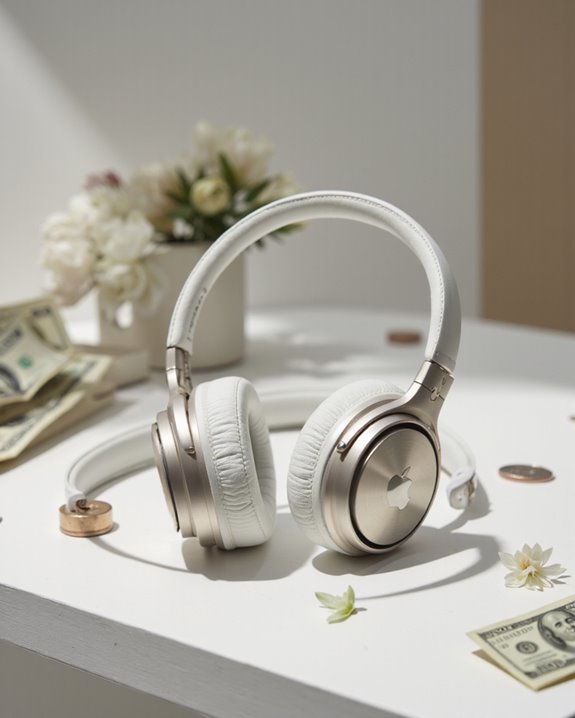
How Much Do Noise-Canceling Headphones Cost?
Noise-canceling headphones generally cost $50 to $450 in the United States. Earbuds with ANC often cost less than large over-ear models, although premium earbuds can reach similar prices.
The main difference is not only the amount of noise removed. More expensive models may offer better comfort, fewer sound artifacts, stronger wind handling, clearer calls, and better control through an app.
Look for these details:
- Whether ANC can be adjusted or turned off
- Whether a transparency mode lets outside sound in
- Battery life with ANC turned on
- Performance during phone calls
- Wind noise when walking outdoors
- Comfort during long flights or work sessions
- Whether the headphones work when the battery is empty
Do not buy ANC only because it is listed on the box. If you do not travel or work around steady noise, a less expensive pair may give you better value.
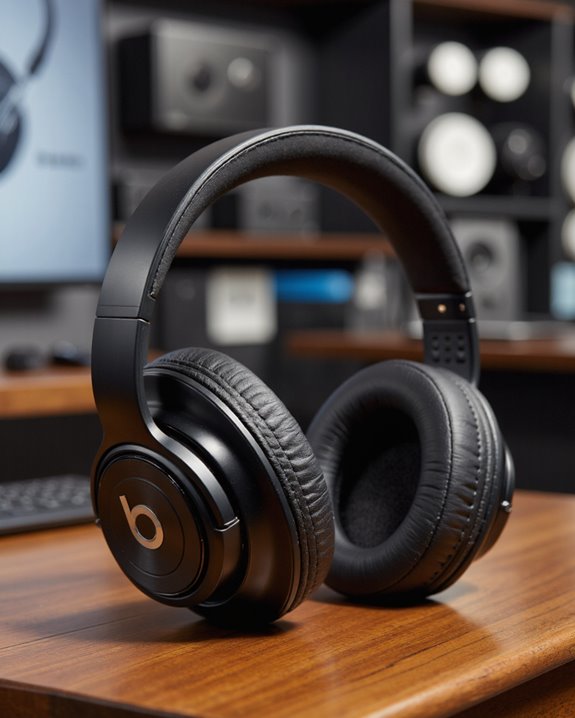
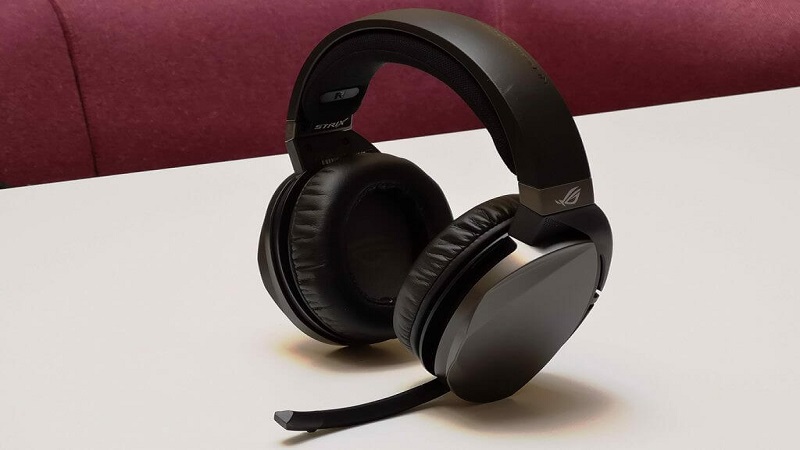
How Much Do Gaming Headsets Cost?
Gaming headsets usually cost $30 to $350. Most buyers can find a capable wired headset for $50 to $120 and a capable wireless headset for $100 to $250.
Gaming headsets may include a boom microphone, surround or spatial sound modes, console support, chat mixing, and low-latency wireless connections.
Before buying, check the exact platform:
- PlayStation
- Xbox
- Nintendo Switch
- Windows PC
- Mac
- Mobile devices
A headset that works with one console may not support wireless chat on another. Some wireless models use a USB transmitter rather than standard Bluetooth. Others work through a 3.5-millimeter cable but lose software features.
For competitive gaming, microphone quality, comfort, and connection stability may matter more than simulated surround sound. For casual gaming, a less expensive wired headset may be enough.
How Much Do Studio and Audiophile Headphones Cost?
Studio headphones often cost $80 to $500, while audiophile headphones can range from $200 to more than $2,000.
Studio headphones are built for monitoring. They may have a more balanced sound and a closed-back design that helps prevent sound from leaking into a microphone.
Audiophile headphones may use open-back ear cups, larger drivers, premium materials, or specialized tuning. Open-back designs can create a spacious sound, but they leak sound and provide little isolation. They are best for quiet rooms.
Some high-impedance headphones need more power than a laptop or phone can provide. An amplifier may improve volume and headroom, but do not assume every expensive model needs one. Check the manufacturer’s specifications and your device’s output before adding equipment.
For home music listening, a $100 to $300 pair can offer a strong experience. The right fit, music source, room, and personal taste matter more than a high price tag.
The Real Cost of Buying Headphones
The shelf price is not always the final price. Add these costs before comparing models.
Sales tax
U.S. sales tax varies by state and local area. A pair listed at $100 may cost more at checkout. Online stores may calculate tax based on your shipping address.
Accessories
You may need:
- A USB-C or Lightning adapter
- A replacement cable
- A carrying case
- A headphone stand
- A gaming transmitter
- Replacement ear pads
- A charging plug
Some wireless headphones include a cable but not a wall charger. Check the box contents before buying extras.
Replacement and repair
Ear pads can wear out from sweat and skin oils. Cables can break near the plug. Batteries can lose capacity after repeated charging.
A simple ownership estimate is:
Total cost = purchase price + accessories + repairs − resale value
For example, a hypothetical $180 pair may need a $20 adapter and $35 replacement pads. Its practical cost is $235 before tax. A lower-priced pair may be cheaper at checkout but cost more if you replace it twice.
Warranty and returns
A longer warranty can reduce risk, but read what it covers. Normal battery wear, accidental damage, water exposure, and lost earbuds may not qualify.
A generous return period is useful because comfort and fit are personal. Keep the packaging until you know the headphones work well for your ears, device, and daily routine.
How to Find the Best Headphone Value
Start with your use case, not the brand name. Follow this simple process.
- Choose the form. Decide between earbuds, on-ear, over-ear, open-back, or closed-back headphones.
- Set a complete budget. Include tax, adapters, cases, and replacement parts.
- List your essential features. Examples include ANC, a microphone, water resistance, low delay, or multipoint Bluetooth.
- Check compatibility. Confirm support for your phone, computer, console, and operating system.
- Compare comfort details. Look at weight, clamp force, ear-cup size, and available ear-tip sizes.
- Review battery and repair terms. Check battery life with key features active and look for replacement parts.
- Buy from a seller with a clear return policy.
- Test them during your normal use. Check calls, music, movement, comfort, and controls.
The best value is the pair that meets your needs without charging you for features you will not use. For many people, that means spending about $50 to $150. Frequent travelers, remote workers, and daily listeners may find $150 to $300 worthwhile.
Common Mistakes to Avoid
Choosing by price alone
A high price may reflect premium materials or brand position rather than a large improvement in sound. Compare features and comfort instead.
Ignoring fit
Earbuds can sound weak if the ear tips do not seal well. Over-ear headphones can become tiring if they clamp too tightly or make your ears hot.
Assuming all wireless headphones work everywhere
Bluetooth support does not guarantee full support for every console, codec, microphone mode, or app feature. Check the product’s compatibility page.
Treating battery life as a fixed number
Manufacturers often measure battery life under specific conditions. ANC, high volume, calls, codecs, and temperature can change real use time.
Paying for ANC when you need isolation
Passive isolation from a good ear-cup seal may be enough for home or office use. ANC is most useful for steady background noise.
Buying refurbished without checking coverage
Refurbished headphones may offer good value, but confirm the seller’s grading system, return window, warranty, included parts, and battery policy.
Frequently Asked Questions
Are expensive headphones worth it?
They can be worth it if you use them often and value comfort, noise control, sound quality, or build quality. They are less likely to be worth it if you need a backup pair or only listen for short periods.
Is $100 enough for good headphones?
Yes. A $100 budget can often buy good wired headphones, capable wireless earbuds, or entry-level noise-canceling headphones. Sale prices may provide access to older premium models.
Are wired headphones cheaper than wireless headphones?
Usually, yes. Wired headphones do not need a battery, wireless radio, or charging case. However, an adapter may add cost when the device lacks a traditional headphone port.
How long should headphones last?
Many headphones can last several years with careful use. The likely lifespan depends on battery health, cable strength, hinge design, sweat exposure, and whether replacement parts are available.
Do expensive headphones sound better?
Not always. Sound depends on tuning, fit, recording quality, device output, and personal preference. Higher prices may improve comfort and features more than sound quality.
Should I buy headphones during a sale?
A sale can lower the price, but compare the model’s normal price, warranty, return policy, and age. A discount is useful only when the headphones still meet your needs.
Bottom Line: How Much Do Headphones Cost?
Headphones cost about $10 to $2,000 or more in the United States, but most buyers do not need to spend near the top of that range.
- Spend $10 to $40 for simple or occasional use.
- Spend $40 to $120 for good everyday headphones.
- Spend $120 to $300 for better noise cancellation, comfort, and wireless features.
- Spend $300 or more for premium, professional, or specialized equipment.
Set your budget around your main use, check compatibility, and include accessories and future repairs. In most cases, a comfortable pair with the right features is a better buy than the most expensive pair on the shelf.