How Do Noise Isolating Headphones Work: Simple Guide

Noise-isolating headphones reduce outside sound by creating a physical barrier between your ears and the noise around you. In a U.S. airport, subway, classroom, or open office, their ear cups or ear tips block part of the sound before it reaches your ears. Unlike active noise-canceling headphones, they do not need microphones, batteries, or electronic sound waves to reduce noise.
Some headphones use both methods. They combine passive noise isolation with active noise cancellation, often called ANC. Understanding the difference can help you choose the right headphones for travel, work, study, music, or hearing protection.

What Is Noise Isolation?
Noise isolation is the passive blocking of sound. The headphone material, shape, and fit reduce the amount of outside noise that reaches your ear canal.
A noise-isolating headphone usually works through three parts:
- Ear cups or ear tips: These cover or seal the ear.
- Dense materials: Foam, plastic, leather, fabric, and other materials slow the movement of sound.
- A tight seal: The seal limits gaps where sound could enter.
The basic idea is similar to closing a window. A closed window does not create an opposite sound wave. It simply forms a barrier that makes it harder for outdoor noise to enter a room.
Noise isolation works especially well against higher-pitched sounds, such as:
- Voices
- Keyboard clicks
- Air-conditioner fans
- Coffee shop noise
- Rustling paper
- Office conversations
Low-pitched sounds are harder to block because they contain longer sound waves and often travel through walls, floors, and the headphone structure. Engine rumble, airplane vibration, and bus noise may pass through passive barriers more easily.
Passive Noise Isolation vs. Active Noise Cancellation
These terms describe different technologies.
| Feature | Noise isolation | Active noise cancellation |
|---|---|---|
| Main method | Physical barrier | Electronic sound reduction |
| Needs power | No | Usually yes |
| Uses microphones | No | Yes |
| Best at | Higher-frequency sounds and nearby noise | Low, steady sounds |
| Works when powered off | Yes | Usually only in passive mode |
| Depends on fit | Very strongly | Strongly, especially for over-ear models |
| Can produce electronic artifacts | No | Sometimes |
A pair of sealed over-ear headphones may isolate sound even when its battery is empty. ANC headphones can reduce additional noise when their microphones and processing system are active.
Many products described as “noise-canceling” use both passive isolation and ANC. The passive seal still matters because ANC cannot remove every type of sound.

How Do Noise-Isolating Headphones Block Sound?
Noise-isolating headphones block sound by reducing air movement near the ear and limiting direct paths into the ear canal.
Sound travels as pressure changes through air and solid materials. When an external sound reaches a headphone, some of its energy reflects away, some becomes small vibrations in the headphone materials, and some passes through. Better isolation means less sound energy reaches the ear.
Ear Tips and Ear Cups Create a Seal
In-ear headphones use silicone, rubber, or foam tips. The tip sits in or near the ear canal and fills part of the open space. A proper fit reduces air leaks.
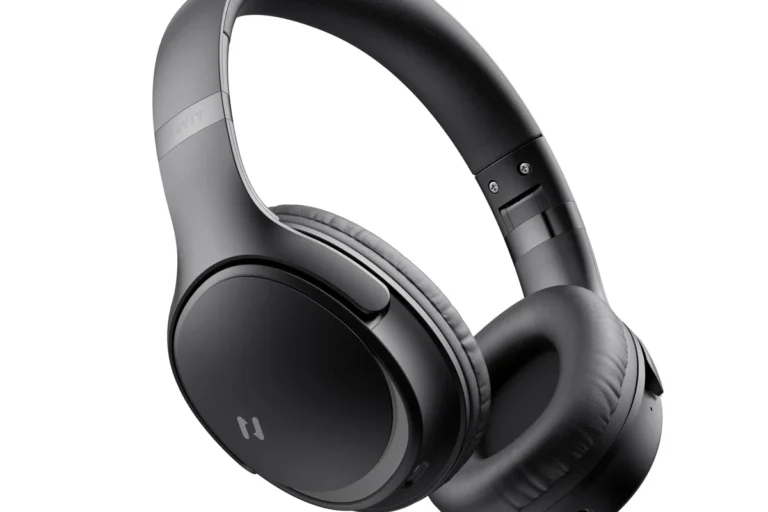
Over-ear headphones use padded ear cups that surround the ear. The padding presses against the head and forms a seal around the outer ear. Closed-back ear cups also reduce sound entering through the rear of the headphone driver.
On-ear headphones rest on the ear rather than surrounding it. They may be comfortable and portable, but their smaller contact area often allows more outside sound to enter.
Materials Absorb and Reflect Sound
Soft foam and padding can absorb some sound energy. Hard outer shells can reflect part of the sound. The headphone does not need to stop every sound wave to be useful; it only needs to reduce enough energy to make the noise quieter.
The design has limits. A thin ear cup with a loose fit may block less sound than a thicker cup with a strong seal. However, more padding does not always mean better isolation. Comfort, head shape, glasses, hair, and movement can all affect the seal.
Fit Is Often the Most Important Variable
A small gap can reduce isolation more than many people expect. With in-ear headphones, even a slight mismatch between the ear tip and ear canal can let sound enter. With over-ear headphones, glasses frames, long hair, or a poor headband adjustment can create gaps.
A good fit should feel secure without causing pain or excessive pressure. If the headphones hurt, the answer is usually not to tighten them more. Try a different ear tip size, adjust the headband, or choose another shape.

How Does Active Noise Cancellation Work?
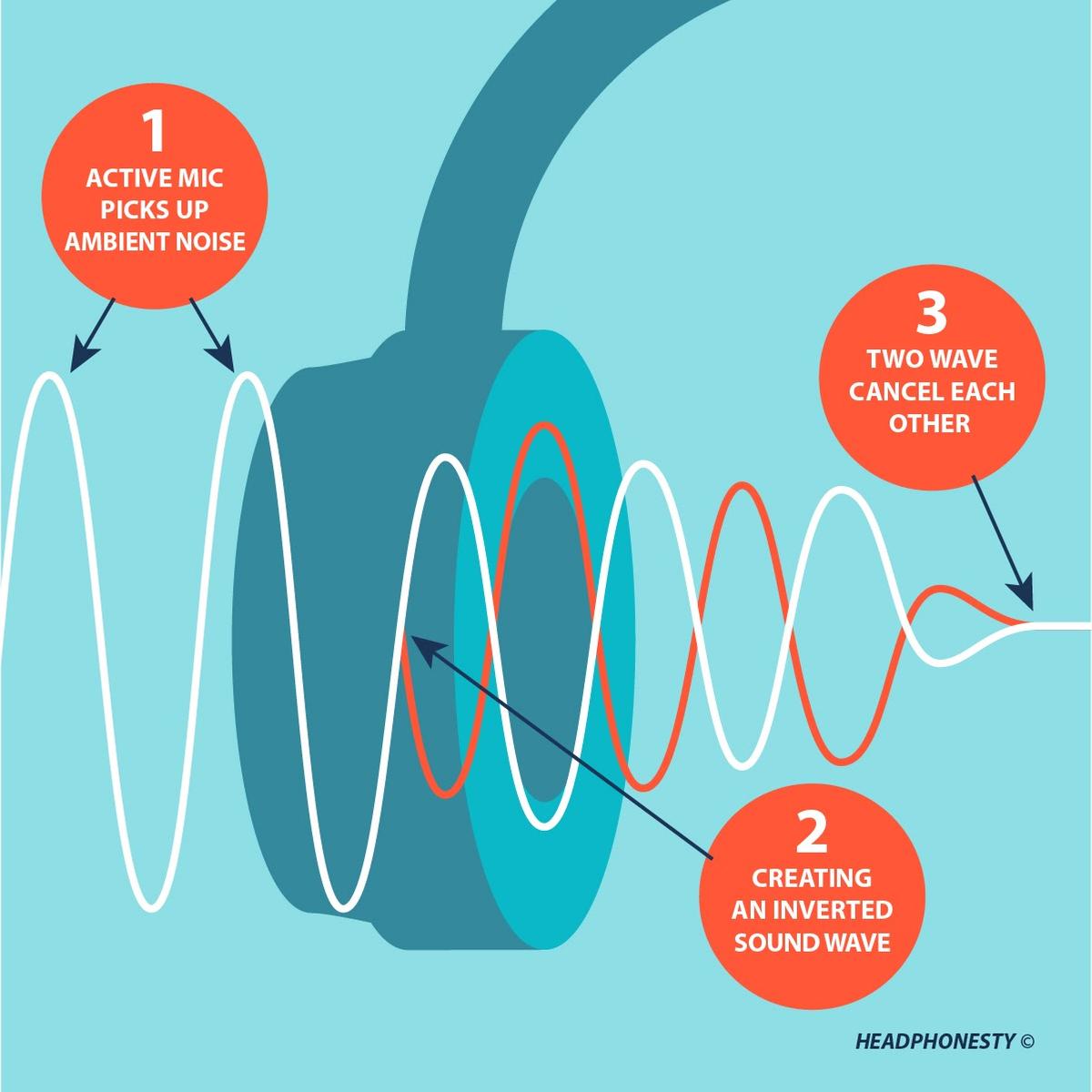
Active noise cancellation uses microphones and electronic processing to reduce some outside sounds. The microphones detect sound near the headphones. A processor creates a new signal with an opposite phase, or polarity, and the headphone speakers play that signal.
When the outside sound and the anti-noise meet near the ear, they can partly cancel each other. This process is called destructive interference.
A simplified example looks like this:
- A microphone detects a low engine hum.
- The headphone analyzes the sound.
- Its processor creates an opposing signal.
- The speaker plays the opposing signal.
- The combined sound reaching the ear becomes quieter.
The cancellation is not perfect. Real-world sound changes over time, and the microphone, processor, speaker, and ear all affect the result.
ANC usually performs best with steady, low-frequency sounds, such as:
- Airplane engine noise
- Bus and train rumble
- HVAC systems
- Road noise
- Office ventilation
It is usually less effective against sudden or irregular sounds, such as:
- A nearby person speaking
- A dog barking
- A door slamming
- A child shouting
- A siren passing close by
Passive isolation and ANC work together. The physical seal blocks a broad range of sound, while ANC can reduce certain low-frequency sounds that pass through the seal.

What Affects Noise Isolation?
The amount of noise reduction depends on the headphone type, fit, material, sound frequency, and the user’s environment.
Headphone Design
Closed-back over-ear headphones generally provide more passive isolation than open-back headphones. Open-back models have vents that allow air and sound to pass through the ear cup. That design may create a more open listening experience, but it is not intended to block outside noise.
In-ear headphones can provide strong isolation when their tips fit well. They are small and portable, but some users dislike the pressure or sensation of a sealed ear canal.
On-ear headphones are often less isolating because they do not fully surround the ear.
Ear Tip or Cushion Fit
For in-ear models, test each available tip size. The correct tip should create a seal without falling out or causing pain.
For over-ear models, the cushion should surround the entire ear. If part of the ear rests on the cushion instead of inside it, the seal may weaken.
Sound Frequency
Passive isolation does not affect all frequencies equally. High-frequency sound is often easier to block with a physical barrier. Low-frequency sound can travel through materials and structures more easily.
This is why a person may still notice a truck engine while nearby speech becomes difficult to hear.
Your Environment
Headphones that work well in a quiet home may perform differently on an airplane or subway. A noisy environment contains many sound sources, and each source has its own frequency and direction.
Do not treat one manufacturer’s noise-reduction figure as a guarantee for every setting. Results may depend on the test method, frequency range, headphone fit, and how the product is worn.

How to Choose Noise-Isolating Headphones
Choose headphones based on the type of noise you need to reduce and how long you will wear them.
Choose In-Ear Headphones If You Need Portability
In-ear headphones are useful for commuting, travel, exercise, and small bags. Their isolation can be strong when the ear tips fit correctly.
Check for:
- Several ear tip sizes
- Foam or silicone tip options
- A stable fit during movement
- A comfortable seal
- Controls that do not require pushing the earbud deeper
Choose Over-Ear Headphones If Comfort Matters Most
Over-ear headphones may be more comfortable for long work sessions because they do not sit inside the ear canal. Large cushions can also create a strong seal.
Check for:
- Ear cups that fully surround your ears
- Even cushion pressure
- A headband that does not create a painful hotspot
- A closed-back design
- Replaceable cushions, if long-term maintenance matters
Choose ANC for Low, Continuous Noise
ANC may help when you spend time near engines, ventilation systems, or road traffic. It is not a replacement for a close physical seal.
For the best result, look for headphones that offer both:
- A comfortable passive seal
- Adjustable or effective ANC
- A way to use them without ANC
- Controls that allow awareness when needed
Do Not Use Consumer Headphones as Hearing Protection
Regular headphones are not automatically approved hearing-protection devices. They may make a loud environment feel quieter while still allowing harmful sound levels to reach the ears, especially when music is played loudly.
For workplaces or activities with hazardous noise, use hearing protection labeled and approved for that purpose. In the United States, the Occupational Safety and Health Administration and the National Institute for Occupational Safety and Health provide guidance on workplace noise exposure and hearing protection.

How to Get Better Noise Isolation
You can improve passive isolation without increasing the volume.
- Choose the right ear tip size. Try the smallest size that seals securely, then compare it with the next size up.
- Insert in-ear headphones correctly. Follow the manufacturer’s instructions. Do not force them deep into the ear canal.
- Adjust the headband. Position over-ear headphones so the cushions sit evenly around both ears.
- Check for gaps. Glasses, hair, hats, and jewelry can affect the seal.
- Replace worn cushions. Flattened or cracked padding may reduce isolation.
- Keep ear tips clean. Dirt and earwax can affect fit and sound quality.
- Use a lower volume. Isolation should reduce the need to turn up the music.
A simple test is to wear the headphones without playing audio in a moderately noisy place. If voices and steady background sounds become noticeably quieter, the seal is working. If one side sounds much louder than the other, check the fit and ear tip size.
Never block important warning sounds when you need environmental awareness. This includes traffic, alarms, announcements, machinery, and people trying to get your attention.

Common Problems and Their Causes
The Headphones Do Not Block Much Sound
Possible causes include:
- A poor ear tip fit
- Gaps around over-ear cushions
- An open-back design
- Thin or worn padding
- Noise that is too low-frequency for passive isolation
- Expectations based on ANC performance
First, improve the fit. Then identify the type of sound. If the remaining noise is a deep engine rumble, ANC may help more than thicker passive padding.
One Ear Sounds Less Isolated Than the Other
This often results from different ear shapes or an uneven seal. With in-ear headphones, switch tip sizes or reseat the quieter side. With over-ear headphones, check whether hair, glasses, or cushion wear affects one side.
If the issue continues and you also notice hearing loss, pain, fullness, or ringing, stop using the headphones and speak with a qualified health professional. Headphones cannot diagnose hearing problems.
The Headphones Create Pressure or Discomfort
A sealed fit can feel unusual at first. Discomfort may come from excessive clamping force, ear tips that are too large, or cushions that press against the ears.
Do not keep wearing headphones that cause pain. Try a different fit or design. Frequent breaks can also reduce discomfort during long listening sessions.
Music Sounds Boomy After Isolation
A tight seal changes the way low frequencies are heard. In-ear headphones may also create an occlusion effect, in which internal sounds such as chewing or footsteps seem louder.
Adjust the fit and check the audio equalizer. Avoid changing the equalizer before confirming that the ear tips or cushions fit correctly.

Noise Isolation and Hearing Safety
Noise-isolating headphones can help you listen at a lower volume by reducing background sound. That benefit depends on how you use them. If you raise the volume to overpower outside noise, the headphones may still expose you to excessive sound.
The National Institute on Deafness and Other Communication Disorders explains that loud sound can contribute to noise-induced hearing loss. Warning signs can include ringing in the ears, muffled hearing, or difficulty understanding speech after listening.
Safer habits include:
- Keep the listening level as low as practical.
- Take breaks during long sessions.
- Avoid using headphones to mask hazardous noise.
- Keep one ear free when you need awareness of traffic or announcements.
- Use certified hearing protection for loud work, shooting, concerts, and power tools.
- Seek medical advice for persistent ringing, pain, dizziness, or hearing changes.
Noise isolation is a comfort and listening feature. It is not a substitute for hearing protection unless the product is specifically designed, labeled, and approved for that use.
Frequently Asked Questions
Do noise-isolating headphones need batteries?
No. Passive noise-isolating headphones do not need batteries because they use materials and fit to block sound. If the headphones also include ANC, Bluetooth, or other electronic features, those features may require power.
Are noise-isolating headphones better than noise-canceling headphones?
Neither is always better. Noise isolation works across a broad range of sounds and continues to work without power. ANC can be more useful for steady, low-frequency sounds such as airplane or bus rumble. Many of the most effective headphones combine both methods.
Do noise-isolating headphones block voices?
They can make voices quieter, especially when they create a strong seal. They may not remove speech completely because human voices contain a wide range of frequencies. A nearby or loud speaker may remain easy to hear.
Can noise-isolating headphones protect hearing?
Not by default. Consumer headphones are designed for listening, not necessarily for hazardous-noise protection. Use hearing protection with an appropriate noise-reduction rating or other applicable approval for loud environments.
Why do my ears feel plugged when I wear sealed headphones?
A tight seal can create pressure changes or make internal sounds feel louder. This sensation may improve after adjustment, but pain, dizziness, or lasting discomfort is a reason to stop using the headphones and seek professional advice.
Conclusion
Noise-isolating headphones work by forming a physical barrier that reduces the sound reaching your ears. Ear tips, ear cups, padding, closed-back shells, and a good fit all contribute to that barrier.
Passive isolation is most useful when the seal is strong and the headphones fit comfortably. ANC adds electronic reduction, especially for steady low-frequency noise, but it does not replace the physical seal or certified hearing protection.
The best next step is to identify the noise you want to reduce, choose an in-ear or over-ear design that fits well, and test the seal before increasing the volume.