How Are Noise Cancelling Headphones Made: Explained

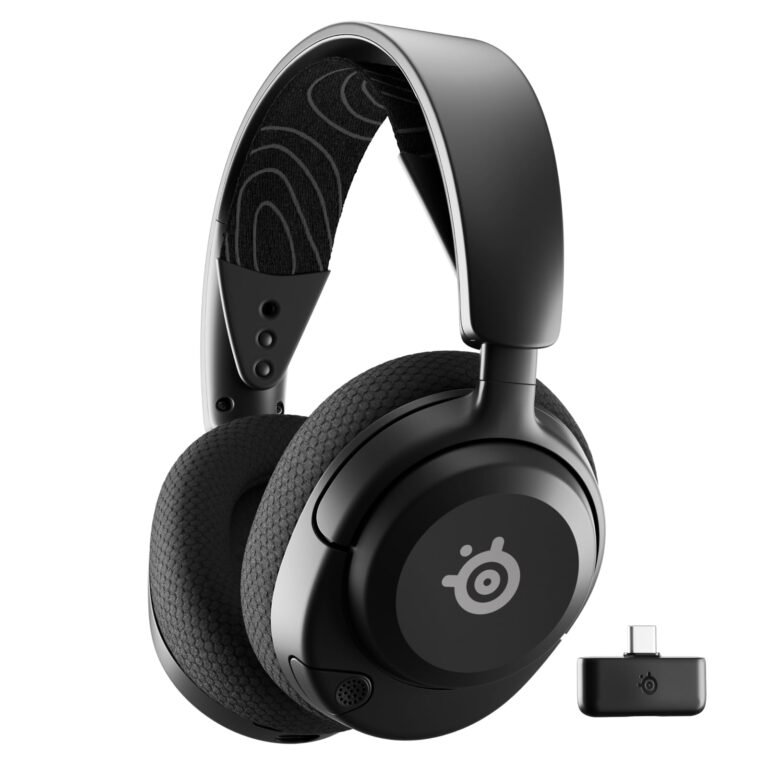
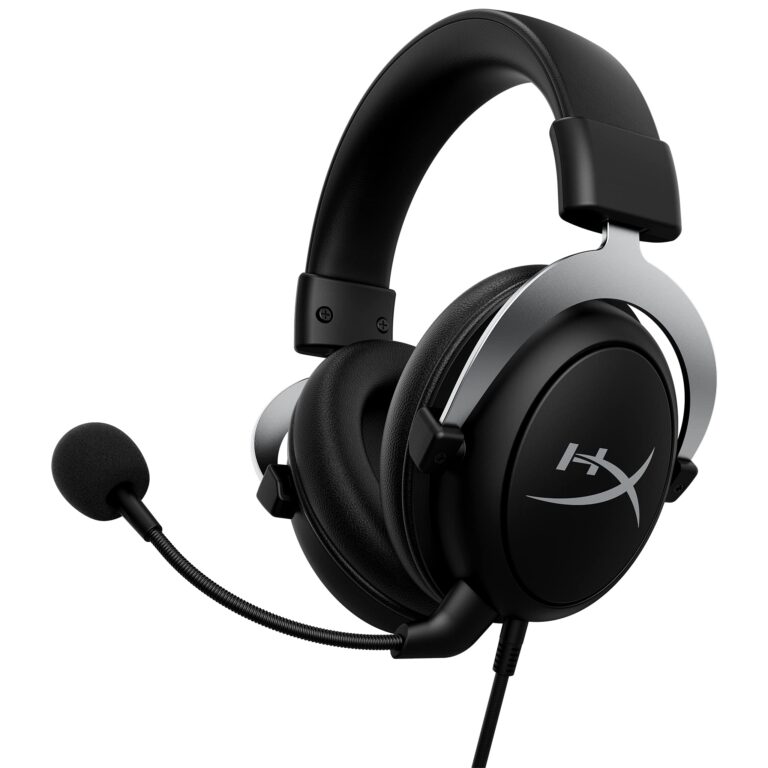
Noise-canceling headphones are made by combining passive sound blocking, tiny microphones, digital signal processing, a battery, and small speaker drivers. The microphones listen to outside noise. A processor then creates an opposite sound wave. When the two waves meet, much of the unwanted noise is reduced.
For people in the United States, this design is useful on airplanes, commuter trains, buses, offices, and busy city streets. The headphones do not create silence, and they do not block every sound equally well. Their success depends on the ear-cup seal, microphone design, software, speaker quality, and the type of noise around you.
What Are Noise-Canceling Headphones?
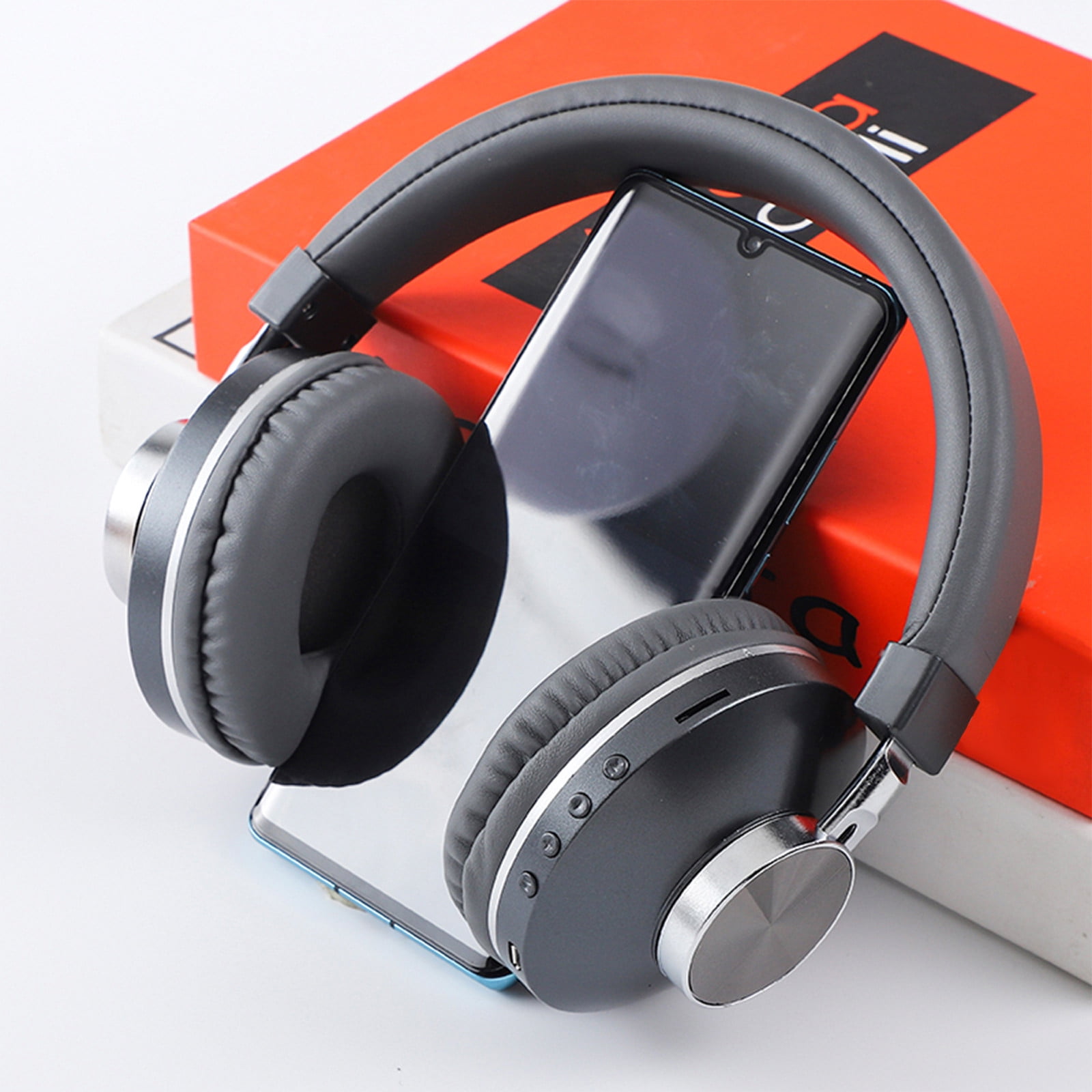
Noise-canceling headphones are audio devices that reduce unwanted sound before it reaches the listener’s ears. Most models use two methods:
- Passive noise isolation: Physical materials block sound.
- Active noise cancellation (ANC): Electronics detect sound and produce an opposing signal.
The term “noise-canceling” usually refers to ANC. “Noise-isolating” headphones may use only foam, leather, plastic, or another physical barrier.
Passive noise isolation
Passive isolation comes from the headphone’s shape and materials. Over-ear models use padded ear cups to cover the ears. In-ear models use silicone or foam tips to seal the ear canal.
Passive isolation works much like closing a door. It can reduce many high-frequency sounds, such as speech, clatter, and sharp mechanical noise. A good seal also helps ANC work better.
Active noise cancellation
Active noise cancellation uses the principle of destructive interference. A sound wave has peaks and valleys. If a speaker creates a similar wave with the opposite timing, the waves can partly cancel each other.
The process happens quickly:
- A microphone detects outside sound.
- A digital signal processor studies the sound.
- The processor creates an inverse signal.
- The headphone driver plays that signal.
- The original noise and inverse signal overlap near the ear.
The result is often strongest with steady, low sounds. Engine rumble, air-conditioning noise, and road noise are easier to reduce than sudden speech or a closing door.

What Parts Are Inside Noise-Canceling Headphones?
A typical pair contains several systems that must work together. A problem in one part can affect comfort, battery life, sound quality, or cancellation strength.
Microphones
Noise-canceling headphones use small microphones to capture sound. There are three common microphone layouts:
- Feedforward ANC: A microphone sits on the outside of the ear cup.
- Feedback ANC: A microphone sits inside the ear cup, near the ear.
- Hybrid ANC: The design uses both outside and inside microphones.
An outside microphone hears the noise before it reaches the ear. An inside microphone checks what remains inside the cup. Hybrid systems can respond to both the outside environment and the sound near the listener’s ear.
Microphones must capture noise without picking up too much of the headphone’s own audio. Their position, sensitivity, wind protection, and electrical design all affect performance.
Digital signal processor
The digital signal processor, or DSP, acts as the system’s control center. It receives microphone data and calculates the correction signal.
The DSP must work with very low delay. If the correction arrives too late, the listener may hear an echo, a change in tone, or a sharp artifact. Engineers tune the DSP with filters that target certain frequency ranges.
The processor may also manage:
- Bluetooth audio
- Voice calls
- Transparency or ambient mode
- Wind reduction
- Equalization
- Touch controls
- Battery use
- Firmware updates
Speaker drivers
The driver is the small speaker inside each ear cup. It converts electrical signals into sound waves.
Most headphones use a dynamic driver. A coil and magnet move a diaphragm back and forth. The diaphragm creates the sound that reaches the ear.
ANC does not replace the driver. The same driver usually plays both the music and the anti-noise signal. This creates a design challenge: the driver must reproduce the correction signal without adding too much distortion.
Battery and power circuit
Wireless ANC headphones need power for the microphones, DSP, Bluetooth radio, and drivers. A rechargeable lithium-ion battery is common.
The battery system includes:
- Battery cells
- Charging contacts or a USB port
- Power-management circuits
- Protection circuits
- Battery-level monitoring
- Charging control software
ANC can use power even when the listener is not playing music. Some models allow wired listening or passive use when the battery is empty, but the exact behavior depends on the design.
Mechanical enclosure
The ear cups and headband hold the electronics in place. The enclosure also affects sound.
Engineers choose materials such as:
- ABS or other plastics
- Aluminum
- Steel
- Silicone
- Synthetic leather
- Real leather
- Foam
- Fabric mesh
The ear cup must be strong enough for daily movement but light enough for long use. It must also limit air leaks around the driver and microphone system.

How Is Active Noise Cancellation Designed?
ANC design begins with the sounds the headphones need to reduce. Engineers then select microphone locations, filters, drivers, and software that suit those conditions.
Feedforward ANC
Feedforward ANC places a microphone on the outer shell. It hears sound before that sound reaches the ear.
This approach can respond quickly to outside noise. However, the microphone is exposed to wind and handling noise. It also must deal with differences in ear shape and headphone fit.
Feedback ANC
Feedback ANC places a microphone inside the ear cup. It measures the sound that remains near the ear.
This design can correct for the ear cup, driver, and listener’s fit. It may also improve consistency between users. Yet too much feedback can cause instability or unwanted changes in the headphone’s sound.
Hybrid ANC
Hybrid ANC combines outside and inside microphones. It gives the processor more information, but it also raises cost, power use, and tuning demands.
A hybrid system does not automatically perform better in every situation. Microphone quality, processing speed, acoustic design, and fit still determine the result.
Why low sounds are easier to cancel
ANC works best when the noise is steady and has a lower pitch. Examples include:
- Airplane engine rumble
- Bus and train vibration
- HVAC systems
- Road noise
- Computer fans
High-pitched or sudden sounds are harder to remove because they change quickly. Human speech also has complex frequencies and starts and stops often. Passive isolation may help with those sounds more than ANC alone.

How Are Noise-Canceling Headphones Manufactured?
Manufacturing combines electronic assembly, acoustic testing, mechanical assembly, software loading, and final quality checks. The exact process differs by factory and model, but the main stages are similar.
1. Engineers define the product
A design team first sets goals for the headphones. These goals may include:
- Over-ear or in-ear form
- Target weight
- Battery life
- Bluetooth support
- Call quality
- Water resistance
- ANC performance
- Manufacturing cost
- Repair and replacement needs
The team then creates computer-aided designs for the headband, ear cups, driver mounts, buttons, hinges, and internal circuit boards.
2. Teams select and test materials
The factory or design team evaluates plastics, metals, foam, adhesives, wires, batteries, and fabric.
Materials must meet several needs at once. A foam pad must feel soft but still keep its shape. A hinge must move smoothly without becoming loose. A plastic shell must resist cracks while keeping weight low.
Material choices also affect acoustics. A flexible ear cup may vibrate and change the sound. A poorly sealed joint may let outside noise enter.
3. Factories make the enclosure
Plastic parts are often formed through injection molding. In this process, heated plastic enters a mold under pressure. After cooling, the part keeps the shape of the mold.
Metal parts may be stamped, machined, or cast. Headbands often include a flexible metal strip or reinforced plastic core. Ear pads are made by cutting fabric or synthetic leather, adding foam, and sewing or bonding the layers.
The factory then checks part size and fit. Small differences can cause loose hinges, poor seals, or uneven pressure on the head.
4. Workers assemble the circuit boards
The main circuit board contains components such as:
- DSP chips
- Bluetooth chips
- Amplifiers
- Microphone circuits
- Charging controllers
- Memory
- Buttons and sensor connections
Automated machines place tiny parts on a board covered with solder paste. The board then passes through a reflow oven, which melts the solder and secures the components.
Technicians or automated systems inspect the board for missing parts, poor solder joints, and electrical faults.
5. Workers install drivers and microphones
The driver must sit in the correct position and angle. A small change can affect bass, balance, and ANC behavior.
Microphones also need exact placement. Their openings must remain clear. A blocked microphone port can reduce cancellation or make transparency mode sound muffled.
The factory may use acoustic chambers or test fixtures to check each driver and microphone.
6. The battery and wiring are installed
The battery is placed in a protected compartment. Wires connect the battery, circuit board, drivers, microphones, and controls.
Because lithium-ion batteries store significant energy, manufacturers use protection circuits and controlled charging systems. Batteries must not be crushed, punctured, overheated, or replaced with an incompatible part.
7. Firmware is loaded
Firmware is the software that controls the headphone’s hardware. The factory loads firmware through a programming station or test connection.
Firmware manages ANC modes, Bluetooth pairing, touch controls, battery reporting, and safety limits. A later update may change performance or fix a problem, but software cannot fully correct poor physical fit or a damaged microphone.
8. The headphones are tuned
Tuning is one of the most important steps. Engineers adjust:
- ANC filter settings
- Music equalization
- Microphone gain
- Transparency mode
- Call noise reduction
- Maximum output behavior
- Wind response
Testing often uses controlled speakers that produce known sounds. Engineers compare the sound near the ear with ANC off and on.
A controlled test can show how much sound a system reduces under set conditions. It does not guarantee the same result for every listener. Head size, hair, glasses, ear shape, and pad wear can change the seal.
9. Final quality checks are completed
Factories check the finished headphones for:
- Left and right audio balance
- Bluetooth connection
- Microphone operation
- ANC modes
- Charging
- Button or touch response
- Battery reporting
- Hinge movement
- Cosmetic defects
- Packaging and accessories
Units that fail a test may be repaired, retested, or rejected.
How Do Manufacturers Test Noise Cancellation?
Manufacturers test ANC with both instruments and listening checks. A proper test measures more than a single “decibel reduction” number.
A test may use a head-and-torso simulator. This device has microphones placed where human ears would be. Speakers create controlled background noise, and the system records the sound that reaches the simulated ears.
Useful test conditions include:
- ANC turned off
- ANC turned on
- Different noise frequencies
- Steady and changing sounds
- Different ear-cup positions
- Wind exposure
- Music playing
- Transparency mode active
A frequency response graph can show where the headphones reduce sound most. For example, a model may perform well against low engine noise but offer less reduction for voices.
The test method matters. Results from different labs may not be directly comparable if they use different equipment, seals, noise levels, or scoring methods. A single headline number should therefore not be treated as a complete measure of performance.

ANC Headphones vs. Passive Noise-Isolating Headphones
The better choice depends on the noise and the use case.
| Feature | ANC headphones | Passive headphones |
|---|---|---|
| Low, steady noise | Usually strong | Depends on seal and materials |
| Sudden sounds | Limited reduction | Often better at blocking some sharp sounds |
| Battery need | Usually required for ANC | Usually not required |
| Electronic parts | More complex | Simpler |
| Weight and cost | May be higher | Often lower |
| Music listening | Can reduce background rumble | May require louder playback |
| Safety awareness | Transparency mode may help | Outside sound may be easier or harder to hear, depending on fit |
ANC can make music easier to hear without increasing volume in a noisy place. That does not make high volume safe. The National Institute on Deafness and Other Communication Disorders advises reducing exposure to loud sounds and using hearing protection when needed.
Neither ANC nor passive isolation is a substitute for certified hearing protection in a loud workplace. People who work around hazardous noise should follow workplace guidance and use hearing protection designed and rated for that environment.
Why Do Noise-Canceling Headphones Sometimes Fail?
ANC performance can drop for simple physical reasons. Check the fit before assuming the electronics are defective.
Poor ear-cup seal
Glasses, thick hair, worn pads, or a loose headband can create air gaps. Low-frequency noise then leaks into the ear.
Try adjusting the headband and ear cups. Replace flattened or cracked pads when the manufacturer provides compatible parts.
Wind noise
Wind can hit an outside microphone and create a loud rushing sound. Some headphones reduce wind with software or microphone covers, but no small microphone system handles every wind condition well.
A hood, windscreen, or more sheltered position may help. Do not cover microphone openings with tape or thick material unless the manufacturer permits it.
Blocked microphone openings
Dust, skin oil, or debris can affect microphone ports. Clean the outside gently with a dry, soft cloth. Avoid pushing liquid or sharp objects into openings.
Battery or software problems
Low battery power, outdated firmware, or a failed Bluetooth connection can affect ANC modes. Charge the headphones, restart them, and follow the manufacturer’s reset and update instructions.
Ear pressure or discomfort
Some users describe a pressure feeling when ANC is active. ANC does not create a vacuum inside the ear. The sensation may relate to reduced low-frequency sound, the ear-cup seal, fit pressure, or personal sensitivity.
Turn ANC off and take a break if you feel pain, dizziness, or unusual discomfort. If symptoms continue, stop using the device and seek medical advice.
Do Noise-Canceling Headphones Create Silence?
No. Noise-canceling headphones reduce selected sounds; they do not remove all sound.
The final result depends on:
- Noise frequency
- Noise volume
- Distance from the source
- Ear-cup seal
- Headphone placement
- Microphone accuracy
- DSP speed
- Driver limits
- Wind and movement
ANC is also different from hearing protection. Consumer headphones may reduce the sound you hear, but they may not have a certified noise reduction rating for workplace or industrial use.
Keep enough awareness for the situation. On a sidewalk, near traffic, at a train platform, or in another public place, transparency mode or one-ear use may help you hear important signals. Be especially careful near vehicles, bicycles, alarms, and public announcements.
What Determines the Cost of ANC Headphones?
The price reflects more than the speaker drivers. More expensive models may include better microphones, stronger hinges, improved pads, larger batteries, more advanced DSPs, or more extensive testing.
The main cost factors are:
- Number and quality of microphones
- DSP and Bluetooth hardware
- Driver design
- Battery capacity and charging system
- Materials and mechanical construction
- Factory testing
- Firmware development
- App support and updates
- Warranty and repair programs
Higher price does not guarantee better ANC for every listener. A well-sealed, lower-cost model may reduce noise more effectively for one person than a premium model with a poor fit.
When comparing models, look for test conditions rather than broad claims such as “best noise cancellation.” Check comfort, pad replacement options, wired operation, microphone quality, battery behavior, and transparency mode.
Frequently Asked Questions
Are noise-canceling headphones made differently from regular headphones?
Yes. They include microphones, a signal processor, extra circuitry, firmware, and a power system for ANC. Regular headphones may use only drivers, wiring, and a basic enclosure.
Do ANC headphones work without music?
Many models can reduce outside noise when music is paused. They still need power for the microphones and processor. The exact behavior depends on the model.
Can noise cancellation damage hearing?
ANC itself is not known to damage hearing when used at safe listening levels. The main risk is excessive volume or long exposure. Because ANC makes music easier to hear in noisy places, keep the volume moderate and take breaks.
Why does ANC sound different on each person?
The ear-cup seal changes with ear shape, glasses, hair, head size, and pad condition. ANC tuning also interacts with the listener’s ear and the headphone’s position.
Can I repair noise-canceling headphones?
Some repairs are possible, such as replacing ear pads or a charging cable. Battery, microphone, hinge, and circuit-board repairs may require a trained technician. Do not open a lithium-ion battery or puncture it.
Key Takeaways
- Noise-canceling headphones use microphones and a processor to create an opposing sound signal.
- Passive ear-cup or ear-tip isolation works alongside ANC.
- Feedforward, feedback, and hybrid systems use different microphone layouts.
- Low, steady sounds are usually easier to reduce than speech or sudden noise.
- Manufacturing includes molding, circuit assembly, driver installation, firmware loading, tuning, and quality testing.
- Fit and ear-cup seal can matter as much as the electronics.
- ANC headphones are not automatically certified hearing protection.
- Safe volume, breaks, and awareness of nearby hazards still matter.
Conclusion
Noise-canceling headphones are built by joining acoustic design, electronics, software, and careful mechanical construction. Their microphones detect outside sound, the DSP calculates an inverse signal, and the drivers play that signal with the music.
The best results come from the full system: a good seal, accurate microphones, fast processing, balanced drivers, and thoughtful tuning. If ANC performs poorly, check fit, wind, microphone openings, battery level, and firmware before assuming the headphones are broken.