How To Fold Headphones: Easy Storage Guide

Introduction
For people in the United States, folding headphones can make daily travel easier. A good fold can save space in a work bag, backpack, or carry-on. A bad fold can twist the cable, stress the hinges, or press the ear cushions out of shape.
The correct method depends on the headphone design. Most over-ear and on-ear models fold in one or more of three ways: the ear cups fold flat, fold inward, or collapse toward the headband. Do not force a hinge. If the parts do not move with light pressure, check the product manual first.

How to Fold Headphones: The Basic Method
To fold headphones, first extend the headband slightly, turn the ear cups into the correct position, and fold only at the hinges made for that movement. Then place the headphones in a case with the cable loose and the ear cushions facing away from sharp objects.
Follow these steps:
-
Remove the headphones from your head.
Do not fold them while wearing them. This can place uneven force on the headband and hinges. -
Hold the headband with both hands.
Keep one hand near each ear cup. This gives you control and prevents one side from twisting. -
Find the moving joints.
Look for hinges near the ear cups or sliders near the headband. These joints show where the headphones are designed to move. -
Turn the ear cups into their normal position.
Many headphones need the ear cups to face inward or outward before they can fold. Do not push the cups sideways if they do not rotate smoothly. -
Fold the ear cups inward or flat.
Use slow, even pressure. Stop if you feel a hard block, cracking sound, or strong resistance. -
Collapse the headband if the model allows it.
Some headphones have sliding arms or folding sections. Shorten them only after the ear cups are in the correct position. -
Store the headphones in a case or clean compartment.
Keep the ear cushions from rubbing against keys, pens, and other hard items. -
Leave cables loose.
If the headphones use a detachable cable, unplug it before storage when the manual recommends this. Coil the cable in wide loops rather than tight circles.
A successful fold should feel controlled. The ear cups should sit in the intended storage position without a warped headband, pinched cable, or crushed cushion.

How Different Headphone Designs Fold
Headphones do not all fold in the same way. The key difference is the location and direction of the hinge.
Headphones that fold flat
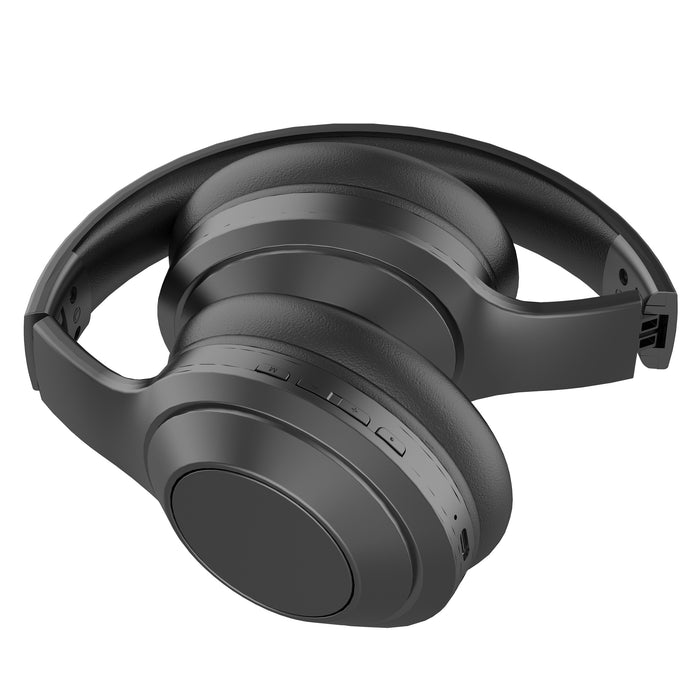
Fold-flat headphones rotate the ear cups so they lie in the same general plane as the headband. This design often makes the headphones thinner inside a bag.
To fold them:
- Hold the headband steady.
- Rotate one ear cup at a time around its swivel.
- Keep the ear cups aligned with the headband.
- Place the headphones in the case with the cushions protected.
Do not twist both ear cups in opposite directions unless the manufacturer designed them for that movement. A swivel hinge may rotate in one direction but not the other.
Headphones that fold inward
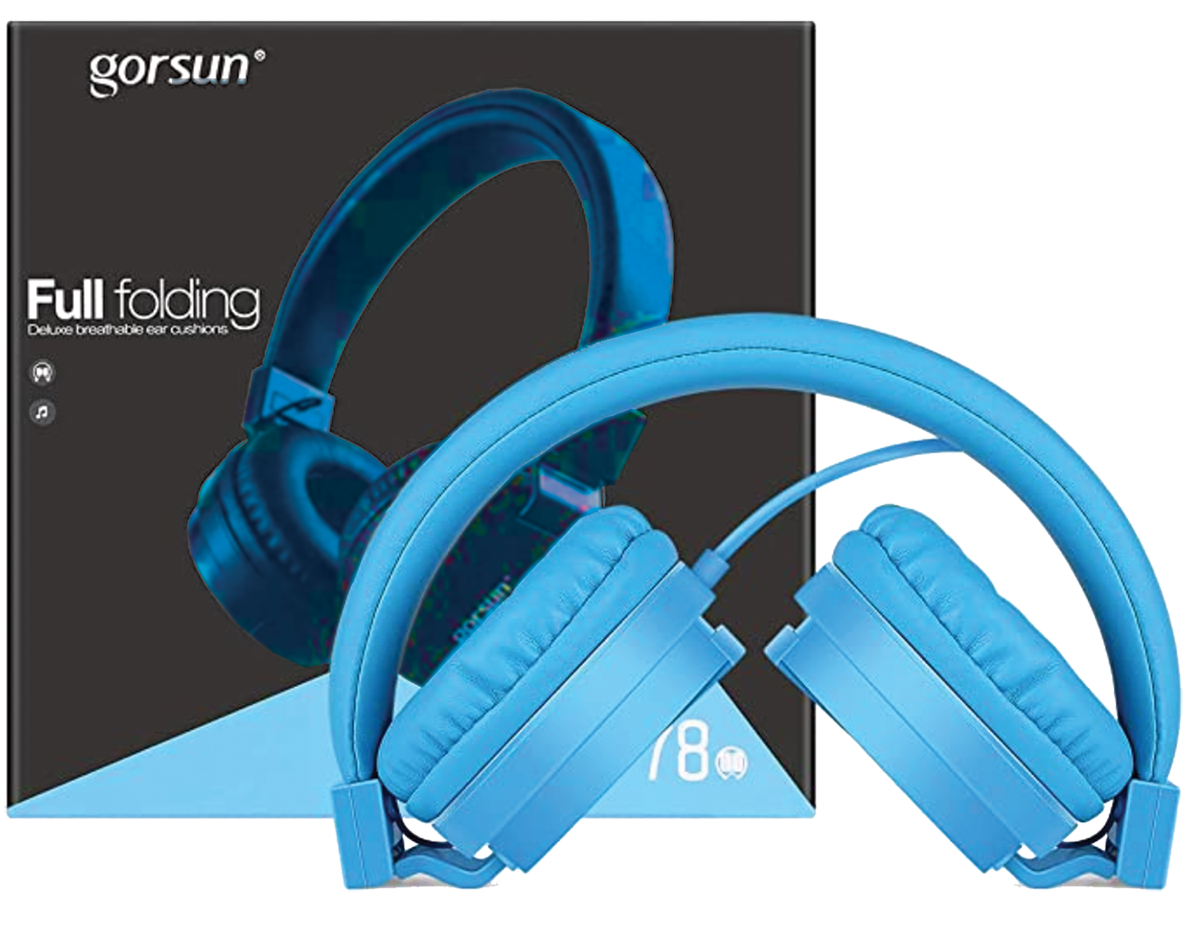
Some headphones fold inward so the ear cups sit between the two sides of the headband. This often creates a smaller package.
To use this design:
- Extend the headband slightly if the hinges need room.
- Turn the ear cups so the cushions face each other or face the inside of the headband.
- Fold each ear cup inward at its hinge.
- Check that no cable is trapped between the cup and the frame.
If the cushions touch with heavy pressure, use the supplied case. Long-term compression can change the shape of foam and synthetic leather.
Headphones with a collapsible headband
A collapsible headband uses sliding arms or folding sections to reduce length. These headphones may also fold flat or inward.
Use the following order:
- Fold the ear cups first.
- Slide the headband arms inward.
- Keep both sides at the same length.
- Avoid pulling on the headband padding.
Uneven sliders can make the headband sit crooked. If one side stops, do not force the other side farther.
Headphones that do not fold
Some full-size headphones have fixed ear cups and a fixed headband. They may swivel slightly for comfort but are not designed to fold.
For these models:
- Place them in a large case without bending the headband.
- Put the ear cups on their sides only if the hinge allows it.
- Do not use the ear cups as handles.
- Keep heavy objects off the headband.
A headphone that swivels is not always a folding headphone. Movement alone does not prove that a joint is safe to use for storage.

How to Fold Headphones With a Cable
Fold wired headphones only after you protect the cable. The cable is often more vulnerable than the plastic frame, especially near the plug and ear cup.
Use this method:
- Unplug the cable if it is detachable.
- Hold the cable near the plug and ear cup.
- Make loose loops about the width of your hand.
- Do not wrap the cable tightly around the headphones.
- Secure the loops with a soft tie if needed.
- Place the cable beside the headphones rather than under the ear cushions.
A tight wrap can create sharp bends called kinks. Repeated kinks may damage the conductors inside the cable or weaken the strain relief near the plug.
If the cable is permanently attached, let it follow the natural shape of the folded headphones. Do not pull it tight to make the package smaller.
Cable storage by headphone type
| Headphone type | Safer storage method |
|---|---|
| Wired over-ear headphones | Make wide, loose loops beside the folded frame |
| Wired on-ear headphones | Use a soft coil and avoid sharp bends near the cups |
| Detachable-cable headphones | Unplug the cable when practical and store it separately |
| Wireless headphones with a charging cable | Fold the headphones first, then place the charging cable in a separate pocket |
| Neckband or sports headphones | Follow the natural curve; do not force the band into a small loop |
Wireless headphones still need cable care. Their charging cable can suffer the same damage as an audio cable if it is wrapped too tightly.

How to Fold Wireless and Noise-Canceling Headphones
Wireless and noise-canceling headphones fold in the same basic way as wired models. Their electronic features do not change the hinge movement, but they add a few storage precautions.
Before packing them:
- Turn the headphones off when the manufacturer recommends it.
- Check that the ear cups are dry.
- Keep the charging port free of dust and moisture.
- Store them in a case that does not press the controls.
- Avoid placing them in a hot car or direct sun for long periods.
Do not place wireless headphones in a bag while the ear cups are still damp from sweat or rain. Moisture can affect cushions, buttons, charging contacts, and internal electronics.
Noise-canceling headphones may have microphones in or around the ear cups. Do not cover or press these openings with tape, cloth, or tight padding. A case should protect the headphones without blocking normal movement or placing force on the controls.
If the headphones have touch controls, store them so books or other objects cannot repeatedly press the ear cup. Unwanted button presses may activate pairing, change the volume, or drain the battery.

How to Fold Earbuds and In-Ear Headphones
Most earbuds do not fold like over-ear headphones. Instead, the case or cable controls how they are stored.
For wired earbuds:
- Disconnect them from the device.
- Hold the plug and make loose loops.
- Keep the loops wide enough to avoid sharp bends.
- Store the earbuds in a small pouch or case.
- Keep the ear tips away from dirt and loose objects.
For true wireless earbuds:
- Place each earbud in the matching charging slot.
- Check that the charging contacts meet.
- Close the lid before putting the case in a pocket or bag.
- Keep the case away from water and extreme heat.
Do not force an earbud into the wrong charging slot. The shape may look similar, but the charging contacts and magnets usually require the correct side.
Sports earbuds with a neckband may bend slightly, but they should follow their natural curve. Do not fold the band into a tight circle unless the manufacturer specifically allows it.
How to Store Folded Headphones in a Bag
The best storage position is the one that protects the hinges, cushions, and controls. A folding headphone case is useful, but a clean, separate compartment can also work for short trips.
Use these packing rules:
- Put headphones in a case when the bag contains keys or other hard objects.
- Keep the ear cushions away from zippers and metal hardware.
- Do not place a laptop, book, or water bottle on top of the headphones.
- Use a dry compartment.
- Keep the headband from being sharply bent.
- Store removable cables in a separate pocket.
- Leave enough space for the headphones to keep their folded shape.
For air travel in the United States, keep wireless headphones and their charging case in a place where you can reach them. Battery and electronic-device rules can vary by airline and trip, so check the current airline instructions before flying. Do not pack a damaged or swollen battery device.
At home, avoid leaving folded headphones under heavy objects. Storage pressure can slowly deform the headband and cushions even when the hinges remain intact.
What to Do If Headphones Will Not Fold
If headphones will not fold, stop and identify whether the problem is design, alignment, or damage. Never use force to make a fixed headphone frame fold.
Check these causes in order:
-
Confirm the model design.
Read the manual or product support page. Some headphones swivel but do not fold. -
Look for the correct hinge.
The hinge may be hidden near the ear cup or under a joint cover. -
Check the ear cup direction.
A cup may need to rotate before it can fold inward. -
Inspect for a trapped cable.
A cable can block movement or create extra tension. -
Check the headband sliders.
Make sure both sides are not fully extended or unevenly positioned. -
Look for cracks or loose parts.
Stop using the folding action if the hinge creaks, shifts, or feels loose. -
Contact the manufacturer if the movement changed.
A support team can confirm the intended motion and repair options for that model.
A hinge that suddenly becomes stiff may have dirt, damage, or a displaced part. Avoid adding oil or household lubricant unless the manufacturer approves it. Lubricant can reach the cushions, electronics, or electrical contacts.

Common Mistakes When Folding Headphones
The most common mistake is treating every moving part as a folding hinge. Headphones may have separate joints for ear-cup rotation, headband adjustment, and folding. Each joint has a specific range.
Avoid these errors:
- Forcing a cup past its stop: This can crack the hinge.
- Twisting the headband: The band may not be built for side-to-side torque.
- Wrapping the cable tightly: This can damage the cable near the plug.
- Storing headphones without a case in a crowded bag: Hard objects can scratch cups and press controls.
- Compressing ear cushions for long periods: Foam and covers may lose their shape.
- Folding wet headphones: Moisture can harm materials and electronics.
- Using a case that is too small: A tight case may push on the hinges.
- Ignoring a new crack or creak: A small hinge problem can become a broken frame.
If a pair feels difficult to fold, compare its movement with the manual rather than with another headphone model. Two designs can look alike but use different hinges.

Key Takeaways
- Fold headphones only at their intended hinges.
- Check the model manual if the folding direction is not clear.
- Fold the ear cups before collapsing a sliding headband.
- Keep cables in loose loops, not tight wraps.
- Use a case when storing headphones in a crowded bag.
- Never force a stiff, blocked, or cracked hinge.
- Earbuds usually go into their charging case rather than folding.
Frequently Asked Questions
Can I fold headphones while they are still connected to my phone?
Yes, but unplugging wired headphones first is safer. A connected cable can catch on clothing or furniture and pull on the plug or ear cup. Wireless headphones do not need to be disconnected, but turn them off if the manufacturer recommends it.
Should ear cushions face in or out when headphones are folded?
Use the position shown in the manual or supplied case. In many designs, the cushions face inward to protect them. In others, the ear cups fold flat with the cushions facing outward. Do not choose a direction that presses one cushion tightly against the other.
Can I fold headphones without a case?
You can for short periods if the headphones have a safe, stable folded position. A case provides better protection from pressure, dirt, moisture, and objects such as keys. Use a separate pocket if a case is not available.
Why do my headphones make a clicking sound when they fold?
A light, repeated click may be part of the hinge design. A new crack, grinding sound, or sharp pop can signal damage. Stop folding them if the sound appears with increased resistance or visible movement at the joint.
How should I fold headphones for a long trip?
Fold them into their intended storage shape, place them in a protective case, and keep the case away from heavy pressure. Store detachable cables separately in loose loops. For air travel, check the current airline rules for electronic devices and lithium-ion batteries before departure.
Conclusion
The safest way to fold headphones is to follow their built-in hinge path, use slow pressure, and stop when movement feels wrong. Fold the ear cups first, shorten the headband only when designed to do so, and protect cables and cushions during storage.
Before your next trip, check the headphone manual and practice the fold once at home. A correct fold should make the headphones smaller without bending the frame, pinching the cable, or compressing the ear pads.