Can You Bluetooth Headphones to a Roku TV Easy Guide

Yes, but not every Roku TV supports direct Bluetooth headphone pairing. If yours does not, the Roku mobile app or a Bluetooth transmitter is usually the easiest workaround.
If you’re asking can you bluetooth headphones to a roku tv, the short answer is yes on some setups, but not always directly. Many Roku TVs use the Roku mobile app for private listening, while others need a Bluetooth transmitter or a supported built-in Bluetooth feature.
- Direct support varies: Some Roku TVs pair with Bluetooth headphones, many do not.
- Roku app helps: Private listening is often the simplest solution.
- Transmitters work well: They’re the best fix for TVs without headphone output.
- Watch for lag: Bluetooth delay can affect movies, sports, and gaming.
Can You Bluetooth Headphones to a Roku TV? Quick Answer for 2025
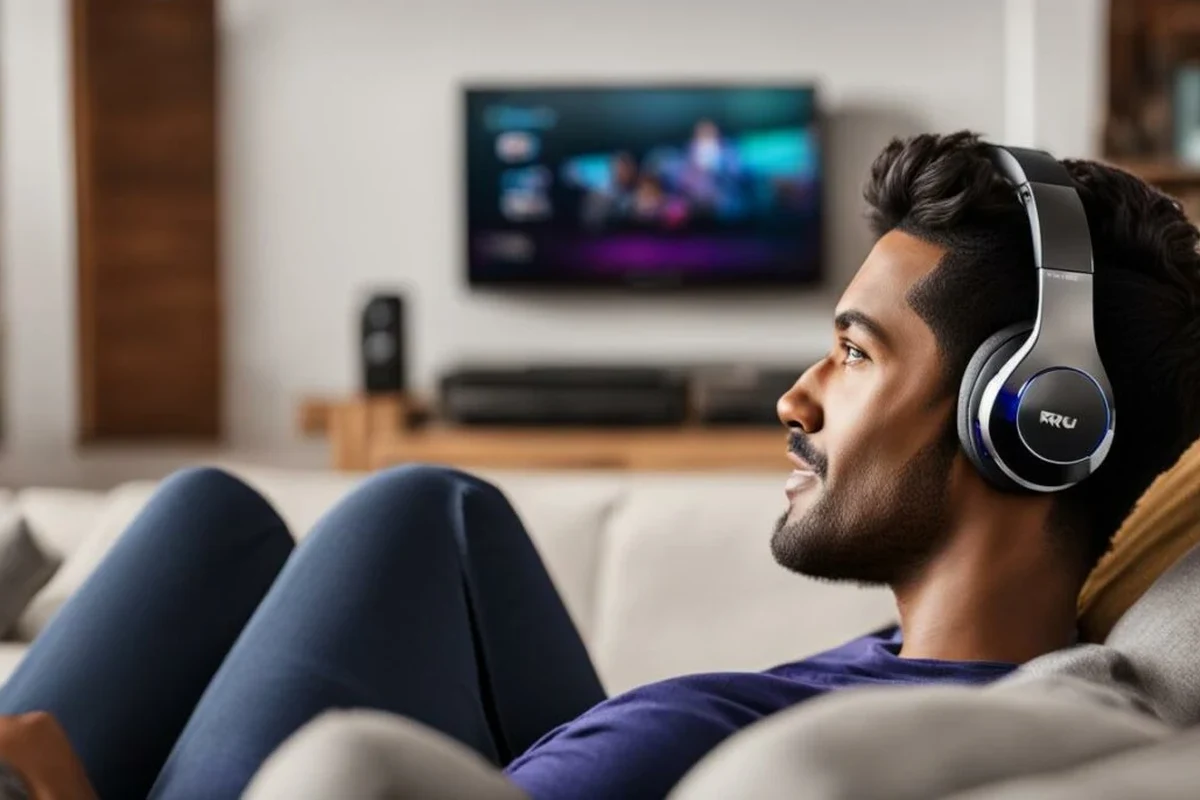
In 2025, the easiest answer is: sometimes directly, sometimes through a workaround. Whether your Roku TV can connect to Bluetooth headphones depends on the exact model, the software features available, and whether you’re using Roku TV speakers, a Roku player, or the Roku mobile app.
Some Roku TVs support Bluetooth audio for headphones or speakers, but many still rely on Bluetooth headphones explained simply through phone-based private listening instead of a direct TV pairing. If your TV does not support native Bluetooth headphone output, a small Bluetooth transmitter can usually solve the problem.
How Roku TV Bluetooth Audio Works: What’s Built In and What’s Not
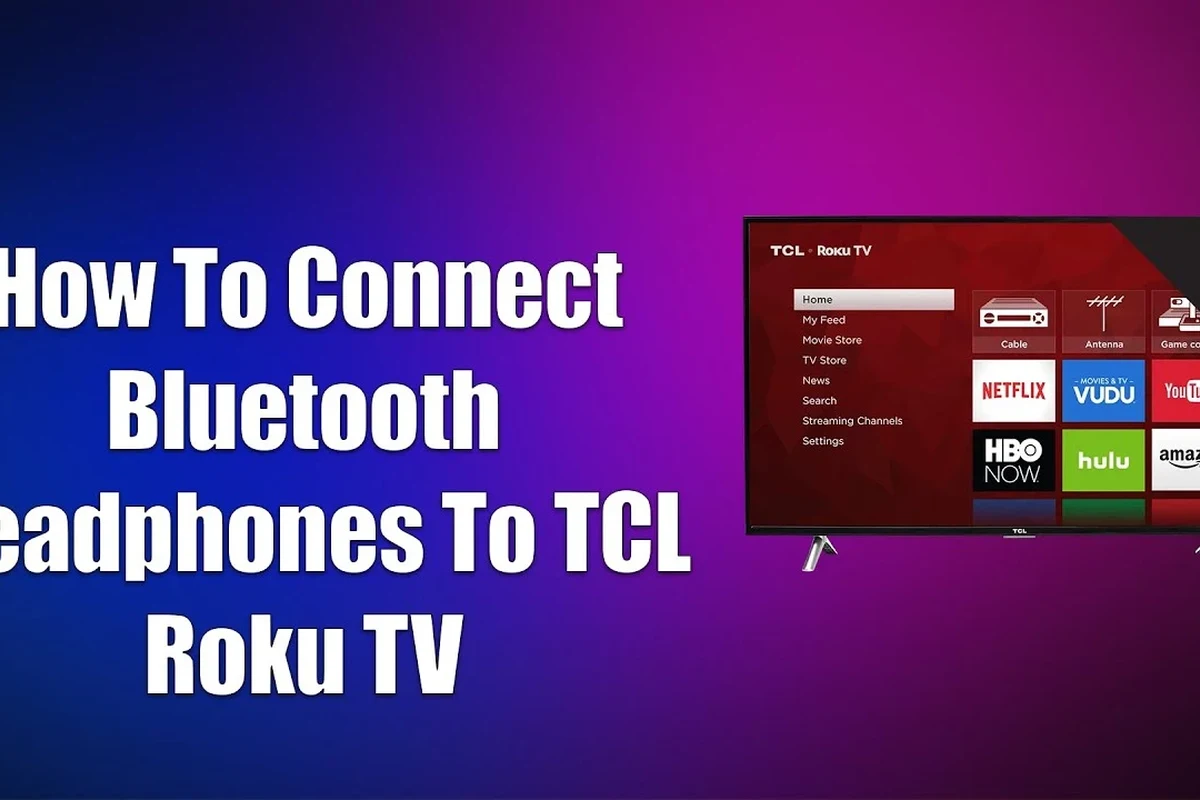
Roku TV is not one single hardware platform, so Bluetooth support can vary by brand and model. That means one Roku TV may pair with headphones directly, while another may only support Bluetooth for remote controls or require the Roku app for listening privately.
It helps to think of Roku audio in three categories: built-in Bluetooth audio, Roku app private listening, and external transmitter support. If you want a broader refresher on wireless audio basics, our guide on how to connect Bluetooth headphones can help you understand the pairing process before you start.
Roku TV models with native Bluetooth headphone support
Some newer Roku TVs and Roku-powered devices support Bluetooth audio output, which can allow direct pairing with headphones. This is the most convenient setup because you can listen without using your phone as a middle step.
Even then, the exact behavior can vary by manufacturer, region, and firmware version. If your TV menu includes Bluetooth audio or headphone pairing options, follow the on-screen prompts and check whether your headphones appear in the device list.
Why many Roku TVs still need a workaround for wireless audio
Many Roku TVs were designed mainly around streaming, not around full Bluetooth headphone output. As a result, the TV may not broadcast audio to standard Bluetooth headphones the way a phone or tablet would.
That’s why the Roku mobile app is so popular for private listening. It routes TV audio to your phone first, then to your headphones, which is convenient for casual viewing but not always ideal for gaming or lip-sync-sensitive content.
Best Ways to Connect Bluetooth Headphones to a Roku TV
There are three main ways to listen privately on a Roku TV, and the best one depends on your setup. For most people, the Roku app is easiest; for direct wireless listening, a supported TV or transmitter is the better path.
Using the Roku mobile app and private listening mode
The Roku mobile app is often the fastest way to get wireless headphones working. You connect your phone to the same Wi-Fi network as the TV, open private listening, and route the sound to your Bluetooth headphones through the phone.
This method is especially useful if your TV has no Bluetooth audio output. It’s also handy for late-night watching because it keeps the room quiet while giving you a simple headphone solution.
Pairing directly to Roku TV when Bluetooth is supported
If your Roku TV supports Bluetooth audio directly, pairing headphones is usually straightforward. You go into the TV’s settings, open Bluetooth or audio device options, and put your headphones into pairing mode.
This is the cleanest setup for TV watching because it skips the phone entirely. It may also feel more stable than app-based listening, although performance still depends on the TV’s Bluetooth implementation and the headphone model.
Using a Bluetooth transmitter for TVs without headphone support
If your Roku TV does not support Bluetooth audio output, a Bluetooth transmitter is the most flexible workaround. The transmitter plugs into the TV’s audio output, then sends sound wirelessly to your headphones.
This option is especially useful if you want a more direct connection than phone-based private listening. If you’re comparing wireless options for TV use, our article on Bluetooth vs wired headphones sound quality is a helpful reference for understanding the trade-offs.
Step-by-Step Setup Guide for Different Roku TV Scenarios
Because Roku TV setups vary, it’s best to choose the method that matches your model. Below are simple setup paths for built-in Bluetooth, the Roku app, and external transmitters.
Setup for Roku TV with built-in Bluetooth
Start by opening the TV settings menu and looking for Bluetooth, audio output, or accessory pairing options. Put your headphones into pairing mode, then select them from the TV’s available devices list.
Once connected, test the volume and check whether the sound feels in sync with the picture. If the audio seems delayed, your TV may offer a sync adjustment, or you may need a different headphone/transmitter combination.
Look for Bluetooth, audio, or connected devices in the Roku TV menu.
Put your headphones into pairing mode so the TV can detect them.
Choose the headphones, play content, and check volume and lip-sync.
Setup with the Roku app on iPhone or Android
Download the Roku mobile app and make sure your phone and TV are on the same Wi-Fi network. Open the app, connect to your Roku device, and look for private listening or headphone mode.
Then pair your Bluetooth headphones to your phone, not the TV. The audio will route through the app, which is why this method works even when the TV itself has no Bluetooth headphone feature.
If you use the Roku app often, keep your phone charged. Private listening can drain battery faster than normal streaming.
Setup with an external Bluetooth adapter or transmitter
First, confirm what audio output your Roku TV offers, such as optical, 3.5mm, or HDMI ARC with an adapter. Connect the transmitter to that output, then pair your headphones to the transmitter instead of the TV.
This method is often the best choice for living rooms, especially if you want a more stable wireless path. A good transmitter can also be easier to use with multiple headphones, depending on the model.
Common Problems When Connecting Bluetooth Headphones to Roku TV
Even when the setup is simple on paper, wireless audio can still be tricky. The most common issues are delay, dropouts, pairing failures, and volume confusion.
Audio delay, lip-sync issues, and connection drops
Bluetooth audio can introduce delay, which is why lips may move slightly before you hear the sound. This is more noticeable in dialogue-heavy shows, gaming, and live sports.
Connection drops can also happen if the signal is weak, the transmitter is low quality, or the headphones are too far away. If you want to reduce lag, our guide to Bluetooth headphone lag fix covers the most common causes and practical fixes.
Audio delay is normal with some Bluetooth setups, but severe lag usually means the TV, transmitter, or headphones are not well matched.
Pairing failures, unsupported models, and volume control mistakes
Sometimes the issue is not the headphones at all, but the TV model. If your Roku TV does not support direct Bluetooth audio, it will not pair the way a phone would.
Volume control can also be confusing because the TV, app, transmitter, and headphones may each have separate volume settings. If the sound is too low or distorted, check all four levels before assuming something is broken.
- Does your Roku TV support Bluetooth audio output?
- Are the headphones in pairing mode?
- Is the TV, app, or transmitter volume turned up?
- Is the headphone battery charged?
Best Headphone and Adapter Options for Roku TV Viewing
The best choice depends on how you watch TV. Some people want maximum convenience, while others care more about sound quality, low latency, or all-night comfort.
Bluetooth headphones vs. wireless RF headphones for TV use
Bluetooth headphones are popular because they’re versatile and work with phones, tablets, and TVs in many cases. They’re usually the best pick if you want one headset for everything.
Wireless RF headphones, on the other hand, are often easier for TV-only use and may offer a more stable connection in some living rooms. They are less universal than Bluetooth, but they can be a strong choice if your main goal is simple, low-hassle TV listening.
- Bluetooth headphones work with many devices
- RF headphones can be very TV-friendly
- Transmitters add flexibility to older TVs
- Bluetooth may add audio delay
- Some Roku TVs need extra hardware
- Not every setup is plug-and-play
Price comparison: budget transmitters, mid-range adapters, and premium solutions
Prices vary a lot by brand, codec support, and whether the device includes low-latency features. Budget transmitters can be enough for casual viewing, while mid-range and premium models may offer better stability and audio timing.
Because pricing changes often, it’s better to shop by compatibility than by the cheapest listing. If you’re comparing audio gear more broadly, the same logic used in types of headphones explained applies here: match the product to the use case first.
Expert Advice: What to Watch Out for Before Buying or Pairing
Before you buy anything, check the exact Roku TV model and its audio output options. That one step can save you from buying headphones or a transmitter that does not fit your setup.
Latency, codec support, battery life, and TV compatibility warnings
Latency matters most if you watch sports, play games, or notice lip-sync issues easily. Codec support can also affect how smooth the experience feels, but results vary by TV, transmitter, and headphone brand.
Battery life is another practical factor if you watch long movies or binge shows. And if you use headphones for extended sessions, follow safe listening habits and keep volume at a reasonable level.
Listening at high volumes for long periods can cause hearing damage. Keep volume at 60% or below for extended sessions.
If you notice ringing, discomfort, or persistent hearing changes, consult an audiologist or hearing professional. If you’re unsure about a transmitter, codec, or compatibility issue, a specialist or knowledgeable retailer can help you choose the right setup.
Many “Bluetooth problems” are actually TV compatibility issues, not headphone defects. That’s why checking the Roku model first is often the smartest move.
Final Verdict: The Easiest Way to Use Bluetooth Headphones with a Roku TV
So, can you bluetooth headphones to a roku tv? Yes, but the easiest method depends on your exact model. If your TV supports Bluetooth audio directly, use that; if not, the Roku app or a Bluetooth transmitter is usually the best workaround.
For most beginners, the Roku mobile app is the quickest solution, while a transmitter is better for a more direct TV-style experience. If you want the simplest, most reliable setup, start by checking your Roku TV’s audio settings and then choose the method that matches your viewing habits.
- Some Roku TVs support direct Bluetooth headphone pairing.
- The Roku app private listening mode works on many setups.
- A Bluetooth transmitter helps when the TV has no headphone support.
- Latency and compatibility are the main things to watch.
Frequently Asked Questions
Wireless headphones are more convenient, but wired headphones usually avoid Bluetooth lag. For TV watching, the best choice depends on whether you care more about freedom of movement or perfect sync.
Yes, noise cancelling headphones can work well for Roku TV if they connect through the app, Bluetooth, or a transmitter. They are especially helpful in noisy rooms, but sound quality and comfort still depend on the model.
Closed-back headphones are usually better for TV because they block more outside noise and keep sound from leaking. Open-back headphones can sound more spacious, but they are less private and less practical for shared spaces.
Look at Bluetooth support, latency features, battery life, comfort, and overall compatibility first. Driver type, frequency response, bass tuning, and clarity matter too, but they should be judged based on your listening preferences.
Budget options can work for casual viewing, while mid-range products often offer better stability and comfort. Prices vary by brand and feature set, so it is smarter to buy based on compatibility and use case than on price alone.
Choose lightweight headphones with soft ear cushions and a secure but not tight fit. If you watch for long periods, take short breaks and keep the volume at a safe level to reduce fatigue.