Types Of Headphones Explained: Complete Guide

Headphones come in over-ear, on-ear, in-ear, true wireless, bone-conduction, and specialty designs.
I’ve spent years testing and writing about audio gear, and this guide on types of headphones explained will walk you through every major style, how each one sounds, and which use cases they fit best. Expect clear definitions, simple pros and cons, tech basics, buying tips, and real-world advice so you can pick the right pair without guesswork.
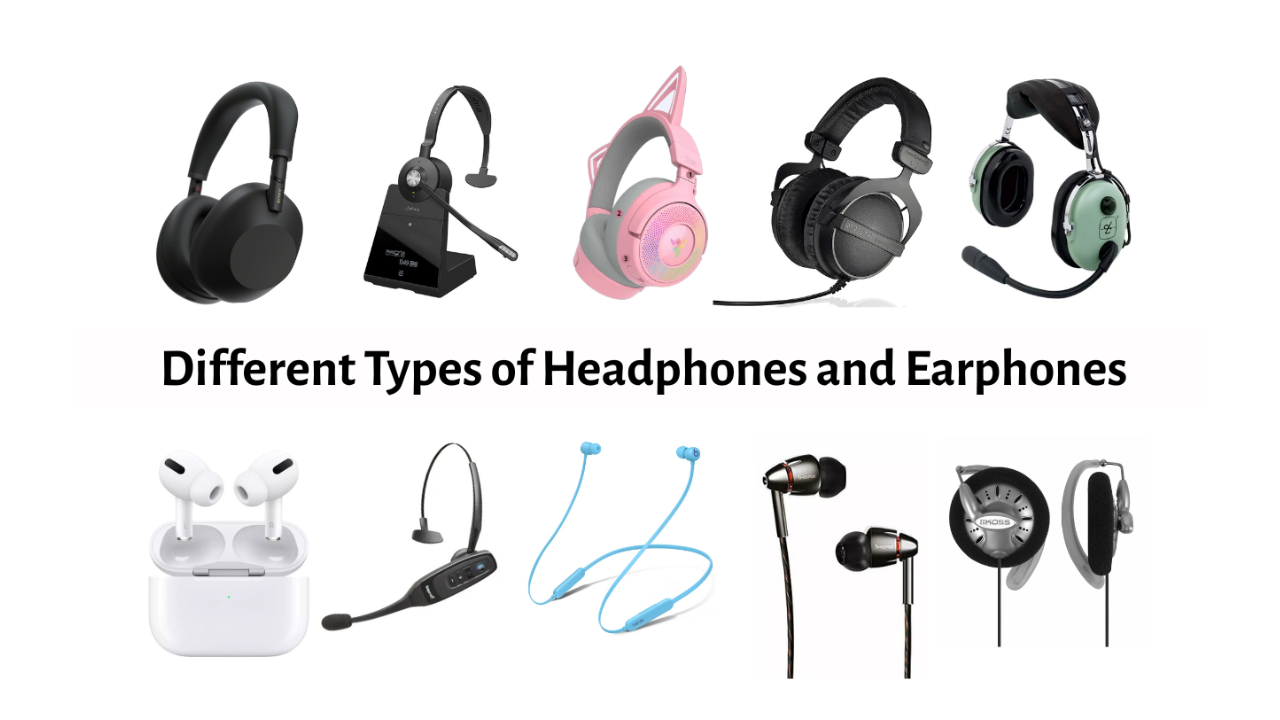
Common types of headphones explained
This section maps the most common forms so you can spot them at a glance. The types of headphones explained here focus on form factor, fit, and typical use.
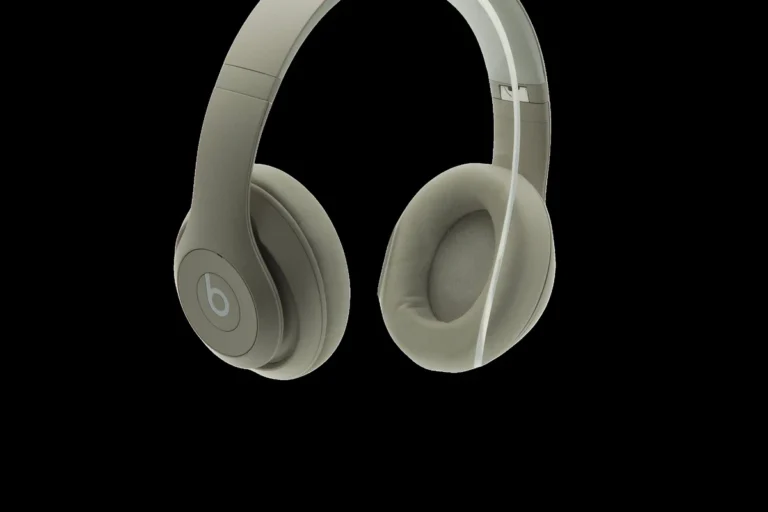
Over-ear (circumaural)
- Description: Cups fully enclose the ear with padding around them.
- Strengths: Great soundstage, comfort for long sessions, strong bass potential.
- Limitations: Bulkier and less portable than smaller styles.
- Best for: Home listening, studio work, long flights.
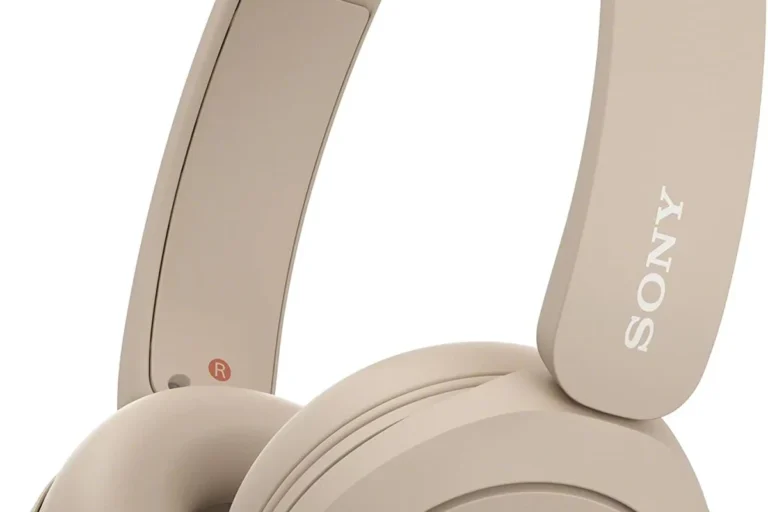
On-ear (supra-aural)
- Description: Pads sit on top of the ear, smaller than over-ear.
- Strengths: Lighter and more compact, often stylish.
- Limitations: Can press on ears and leak more sound.
- Best for: Commuting, casual listening.
In-ear (earbuds and canalphones)
- Description: Small drivers that sit in or in front of the ear canal.
- Strengths: Very portable, good passive isolation when sealed.
- Limitations: Fit varies by ear shape; tiny drivers often sacrifice soundstage.
- Best for: Exercise, travel, mobile use.
True wireless earbuds (TWS)
- Description: No cables between left and right bud; charging case included.
- Strengths: Maximum portability and freedom of movement.
- Limitations: Battery life is limited; fit and latency matter.
- Best for: Gym, commuting, calls.
- Description: Sit on cheekbones and transmit sound via bone vibration.
- Strengths: Keep ears open to ambient sound, safe for outdoor sports.
- Limitations: Bass and clarity are generally weaker than normal headphones.
- Best for: Runners, cyclists who need situational awareness.
Open-back vs closed-back
- Description: Open-back have vents that let air and sound pass. Closed-back isolate sound.
- Strengths: Open-back offers wider soundstage; closed-back isolates and pumps bass.
- Limitations: Open-back leaks sound and is poor for noisy places or recording.
- Best for: Open-back for home listening; closed-back for travel and mixing.
I’ve used and compared many of these types. My mistakes included buying tiny earbuds for mixing. They were fine for music, but useless for critical listening. Learn from that: match form to task.

Designs and tech: types of headphones explained in depth
Beyond shape, headphone tech shapes sound and use. This section covers drivers, impedance, noise control, and connectivity choices.
Driver types
- Dynamic drivers: Common, robust, and often warm sounding.
- Planar magnetic: Smooth, detailed, and low distortion for audiophiles.
- Electrostatic: Ultra-high fidelity with a special amp. Rare and pricey.
- Balanced armature: Small and efficient, often used in in-ear monitors.
Impedance and sensitivity
- Impedance affects how much power a headphone needs. Higher values often need amps.
- Sensitivity tells you loudness per input. Low-sensitivity cans need more power.
Wired vs wireless
- Wired: Consistent sound and zero latency. Preferred for studio work.
- Wireless (Bluetooth): Convenient. Look for codecs like aptX or AAC for better quality.
Active noise canceling (ANC)
- How it works: Mics capture ambient sound, then circuitry creates opposite sound waves to reduce noise.
- Best use: Flights, trains, busy offices. ANC can slightly color sound quality.
- Tip: Try ANC on before you buy, as comfort and effectiveness vary.
I often compare wired and wireless models back-to-back. For pure music detail I still choose wired. For daily life, wireless wins for comfort and convenience.

Specialized types of headphones explained
Some headphones are tailored for clear uses. These are the specialty classes you’ll see.
Studio/monitor headphones
- Purpose: Accurate, flat sound for mixing and mastering.
- Trait: Minimal bass boost and detailed mids.
- Use case: Recording studios, audio editing.
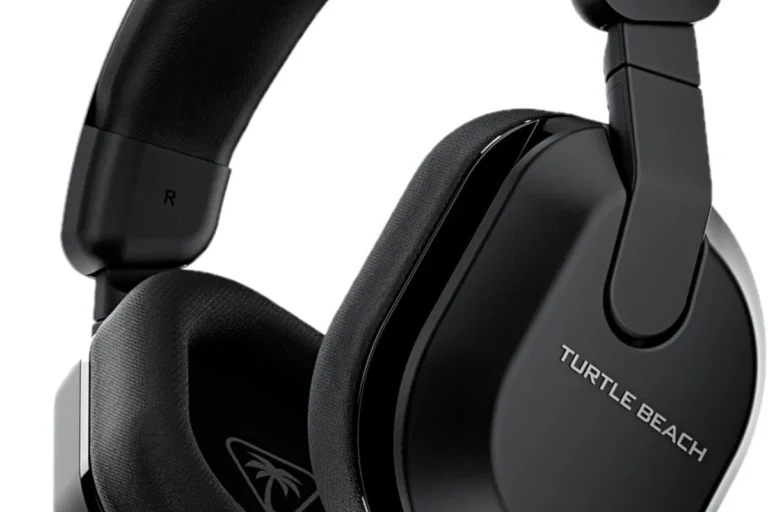
Gaming headsets
- Purpose: Comfortable long wear, built-in mics, virtual surround features.
- Trait: Emphasized bass and clear voice chat.
- Use case: Console and PC gamers.
Sports and workout headphones
- Purpose: Sweat resistance and secure fit.
- Trait: Ear hooks, fins, or tight seals.
- Use case: Running, gym sessions.
Aviation and communication headsets
- Purpose: Clear voice and noise reduction in loud environments.
- Trait: Boom mics and high isolation.
- Use case: Pilots, dispatch, open-cabin work.
Hearing-assistive and safety headphones
- Purpose: Protect hearing or help with hearing loss.
- Trait: Built-in limiters, amplification with care.
- Use case: Industrial work, hearing-impaired users.
I once tested a high-end studio pair against a consumer model. The studio cans showed details the consumer set missed. That experience taught me to pick tools by task, not by look.
How to choose — types of headphones explained for your needs
Use this checklist to match headphones to your life.
Step-by-step pick guide
- Define the main use. Travel, studio, gaming, exercise, or casual listening?
- Choose form factor that fits the use. Portability favors in-ear or TWS. Home use favors over-ear.
- Check connectivity. Wired for editing, Bluetooth for commuting.
- Try for fit and comfort. Comfort rules long listening sessions.
- Look at battery life and features. ANC, multipoint pairing, and case size matter.
- Read reviews and test sound when possible.
Budget tips
- Entry ($20–$100): Good for casual listening and workouts.
- Mid ($100–$300): Better comfort, sound, and features.
- High-end ($300+): Audiophile drivers, studio-grade sound, or luxury build.
Common mistakes to avoid
- Buying only on color or brand.
- Neglecting fit tests for in-ear models.
- Assuming ANC equals good sound. Test both separately.
From my testing notes: always try a pair with the music you know. Comfort and sound must both pass.

PAA-style questions (quick answers)
What are the best headphones for commuting?
- Closed-back over-ear or ANC true wireless earbuds are best since they block noise and are portable.
Do open-back headphones sound better?
- Open-back models usually give a wider soundstage and more natural tone but they leak sound and are not good for noisy places.
Are wired headphones better than wireless?
- Wired ones give stable, lossless sound and no latency, which suits critical listening. Wireless are more convenient for daily use.
How long do headphone batteries last?
- Battery life varies widely; true wireless buds last 4–12 hours per charge, while ANC over-ear models can reach 20–40 hours.
Can bone-conduction replace regular headphones?
- They are great for safety in outdoor activity but do not match the bass or clarity of traditional headphones.
Frequently Asked Questions of types of headphones explained
What is the difference between over-ear and on-ear headphones?
Over-ear cups fully enclose ears and often provide better isolation and comfort. On-ear sit on the ear and are smaller and more portable.
Do true wireless earbuds offer good sound quality?
Many TWS models offer very good sound now, especially mid to high-tier options, but they typically cannot match top wired or over-ear audiophile sets.
How important is driver type for sound quality?
Driver type affects sound character. Planar and electrostatic drivers can offer higher detail, but room, amp, and tuning matter too.
Will ANC drain battery life quickly?
ANC uses additional power, so battery life is usually lower with ANC on. Look for models with long rated hours or quick charging.
Are studio headphones good for casual listening?
Studio headphones give a flat, accurate sound that can feel dull with pop music. They are great for clarity but may not please bass lovers.
Conclusion
This full guide on types of headphones explained covered shapes, tech, and how to pick the right pair. Use the practical checklist and my real-world tips to match headphones to your lifestyle. Try before you buy when possible, focus on fit and function, and prioritize features that matter for your use. Want more help? Leave a comment with your needs, and I’ll recommend specific models or setups.