How to Bluetooth Headphones to Xbox Easily Explained

Xbox does not usually support direct Bluetooth headphone pairing, so you need an Xbox Wireless headset, TV Bluetooth audio, or a transmitter. For the best mix of sound quality and low delay, Xbox Wireless is usually the easiest and most reliable choice.
If you’re trying to figure out how to bluetooth headphones to xbox, the short answer is that standard Bluetooth usually will not connect directly to the console. In 2025, the easiest options are Xbox Wireless headsets, a TV with Bluetooth audio out, or a compatible Bluetooth transmitter.
- Direct pairing: Standard Bluetooth headphones usually will not connect straight to Xbox.
- Best option: Xbox Wireless headsets offer the smoothest console experience.
- Workarounds: TV Bluetooth and transmitters can work, but latency may vary.
- Chat support: Always check microphone compatibility before buying an adapter.
Can You Bluetooth Headphones to Xbox in 2025? What Actually Works
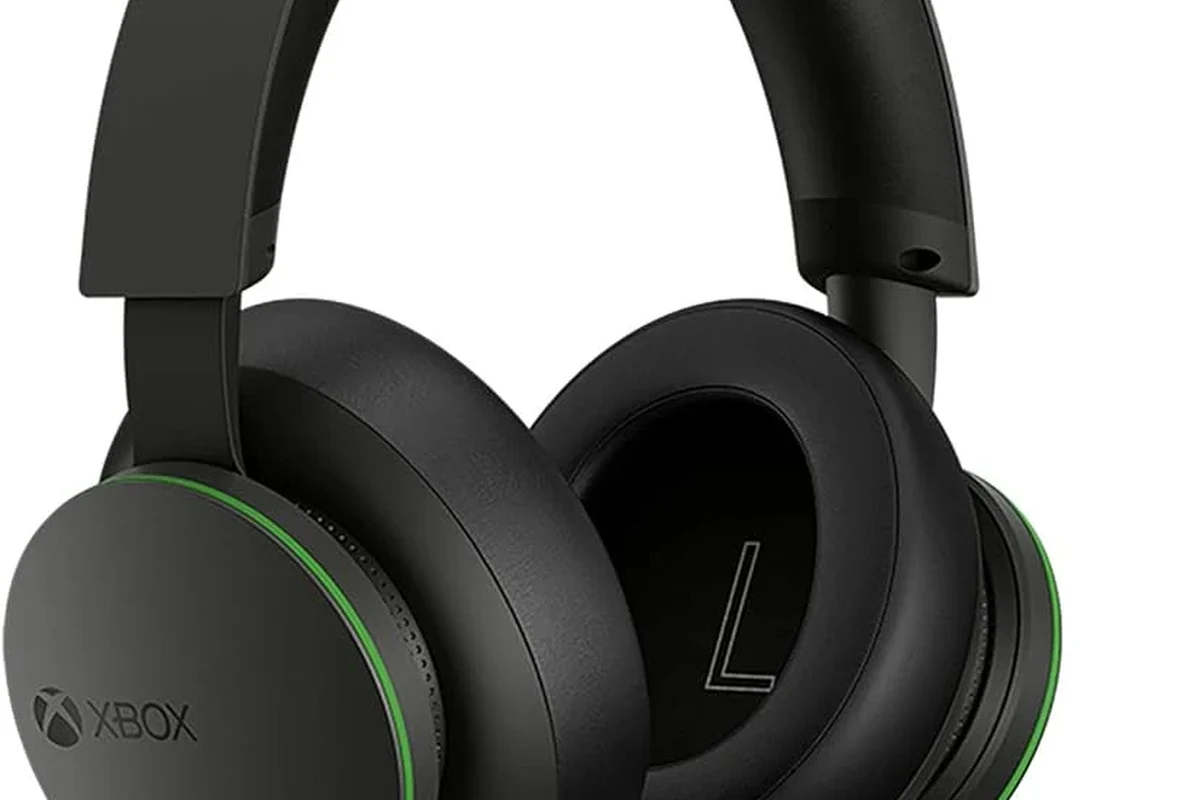
Most Xbox consoles still do not support regular Bluetooth headphones as a direct audio output method. That means you cannot simply open Bluetooth settings on the console and pair your headphones the way you would with a phone or laptop.
What does work depends on your setup. If you want the most reliable experience, use an Xbox Wireless headset or route audio through your TV, monitor, or a transmitter connected to the controller or console.
If your headphones already support low-latency gaming modes, check whether they also support a console-friendly connection method before buying extra adapters.
Why Xbox Doesn’t Support Standard Bluetooth Audio for Headphones
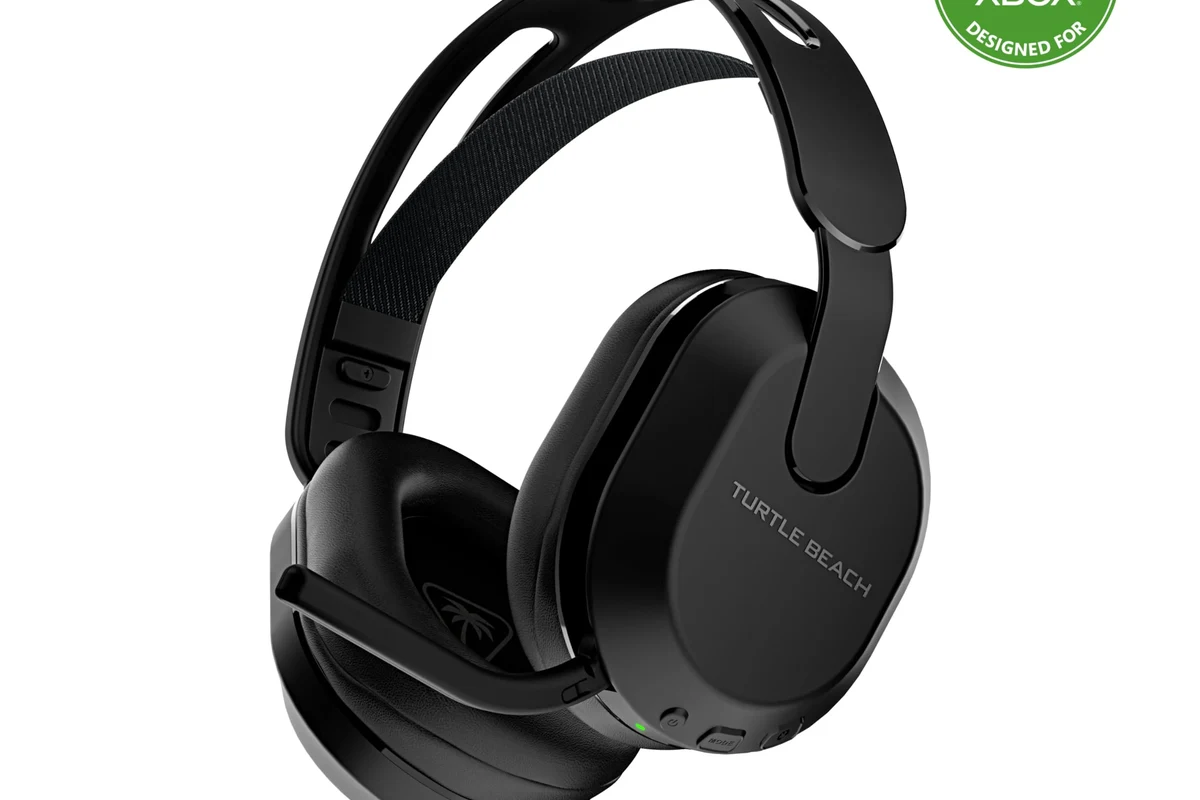
Xbox uses its own wireless audio system instead of standard Bluetooth for accessories. That choice helps reduce delay and keeps voice chat and game audio more stable than many basic Bluetooth connections.
This is why some users think Xbox “has Bluetooth” but still cannot pair regular headphones. The console may support Bluetooth-like features for certain accessories in limited ways, but not for normal headphone audio streaming.
Xbox Wireless vs. Bluetooth: The Key Difference
Xbox Wireless is Microsoft’s proprietary connection method for supported headsets and controllers. It is designed for gaming performance, so it generally offers better synchronization than basic Bluetooth audio.
Bluetooth is a universal standard, but not all Bluetooth audio paths are equal. Some headphones and adapters add noticeable delay, which can make dialogue, footsteps, and cutscenes feel out of sync.
Even when two devices both say “Bluetooth,” they may support different codecs, latency behavior, and feature sets. That is one reason console audio can be inconsistent.
Which Xbox Models Have Built-In Audio Limitations
The main limitation applies across modern Xbox consoles, including Xbox Series X, Series S, and recent Xbox One models. The issue is not that the console lacks wireless features altogether; it is that standard Bluetooth headphone pairing is not part of the normal audio setup.
If you are using older hardware or a different TV setup, the available audio routes may change. Still, the core rule remains the same: direct Bluetooth headphone pairing to the Xbox console is generally not supported.
Best Ways to Use Headphones with Xbox Without True Bluetooth
If you want the cleanest experience, start with the method that best matches your budget and use case. For many players, an Xbox Wireless headset is the simplest choice, while TV Bluetooth or a transmitter can work for casual listening.
Xbox Wireless Headsets and Native Pairing
Xbox Wireless headsets are the most straightforward solution because they are built for the platform. Pairing is usually simpler, and you avoid the extra delay that can come from a third-party Bluetooth path.
This is often the best route if you play frequently, use party chat, or want a more console-native setup. It is also the easiest option for users who do not want to manage extra adapters or settings.
Using a TV or Monitor’s Bluetooth Output
Some TVs and a few monitors can send audio to Bluetooth headphones. In that case, the Xbox sends sound to the display first, and the display passes audio to your headphones.
This can be convenient for casual gaming or TV watching, but it may introduce delay depending on the TV’s audio processing. If you notice lip-sync issues, try a game mode on the TV or switch to a different connection method.
Bluetooth Transmitters for Xbox Controllers, Consoles, and TVs
A Bluetooth transmitter can be a useful workaround if your headphones are Bluetooth-only. Some users connect a transmitter to the controller’s 3.5mm jack, while others connect it to the TV or console audio output.
Not every transmitter is equal. Look for a model that is compatible with your exact output source and supports low-latency audio behavior where possible. For more general pairing basics, our guide on how to connect Bluetooth headphones may also help with the headphone side of setup.
Bluetooth transmitters can be handy, but they may not solve every problem. Audio delay, microphone limits, and compatibility issues still depend on the transmitter, the TV, and the headphones.
Step-by-Step Methods to Connect Headphones to Xbox
There is no single universal Bluetooth pairing path for Xbox audio, so the steps depend on which workaround you use. Below are the most practical methods most players try first.
How to Connect via Xbox Wireless Headset Pairing
Make sure the headset is charged and powered on, then turn on the console.
Press the Xbox pairing button on the console and the pairing control on the headset according to the headset manual.
When the headset pairs successfully, the indicator light should confirm the connection.
After pairing, test game audio and chat audio separately. If one works but the other does not, check the headset’s chat balance, mute button, and Xbox audio settings.
How to Connect via TV Bluetooth Settings for Game Audio
Go to the TV’s sound or Bluetooth menu and enable pairing mode.
Follow the headphone manual so the TV can detect them.
Choose the headphones from the TV list, then launch a game and check for delay.
If the sound feels late, enable your TV’s game mode or reduce extra audio processing. For readers comparing wireless audio behavior in general, our article on Bluetooth vs wired headphones sound quality explains why delay can differ so much.
How to Connect with a Bluetooth Transmitter and 3.5mm Adapter
Decide whether the transmitter will plug into the controller, TV, or console audio output.
Attach the transmitter securely and power it on if needed.
Put the headphones into pairing mode and wait for the transmitter to connect.
This method is popular because it can work with many Bluetooth headphones already owned by the player. Still, the final result depends heavily on the transmitter quality and the codec support on both sides.
Not every transmitter supports microphone input, and some only send audio one way. If you need party chat, confirm mic support before buying.
Common Problems and Mistakes People Make When Trying to Bluetooth Xbox Audio
Most complaints come from expecting Bluetooth to behave like a direct console feature. The biggest issues are delay, chat limitations, and buying the wrong adapter for the job.
Audio Lag, Lip-Sync Delay, and Game Performance Issues
Bluetooth latency is the most common problem. If audio arrives late, footsteps may feel disconnected from the action, and dialogue may not match the on-screen movement.
That delay may be acceptable for casual play, but it can be frustrating in fast-paced games. If your display also adds processing delay, the effect can become even more noticeable.
Mic Not Working, One-Way Audio, and Volume Control Confusion
Many Bluetooth solutions only handle audio playback, not microphone return. That means you may hear the game but still need another method for voice chat.
Volume controls can also be confusing because the headset, transmitter, TV, and Xbox settings may all affect output. If sound is too low or too loud, check each device one by one instead of changing everything at once.
Wrong Adapter Choice or Unsupported Bluetooth Codec
Some adapters are built for phones, not gaming. Others may support basic audio but lack the latency performance or codec compatibility you need for smoother play.
Before buying, check whether the adapter works with your source device and supports the connection type you plan to use. If you are comparing different headphone styles for gaming, our guide to types of headphones explained can help you choose a better fit for your setup.
Expert Advice: When Bluetooth Is Worth It and When It Isn’t
Bluetooth can be a practical convenience feature, but it is not always the best gaming choice. The right answer depends on whether you value flexibility, chat quality, or lowest possible delay.
Best Use Cases for Casual Gaming, TV Watching, and Party Chat
Bluetooth-style workarounds make the most sense for relaxed gaming, solo play, streaming through a TV, or late-night sessions where convenience matters more than perfect sync. They are also useful if you already own a good pair of Bluetooth headphones and want to avoid buying a second headset.
For party chat, however, you should verify that your chosen setup supports both output and microphone input. If not, you may end up hearing everyone clearly but still needing a separate mic solution.
Why Competitive Gamers Usually Avoid Bluetooth
Competitive players usually want the fastest and most consistent audio path possible. Even a small delay can affect reaction time, spatial awareness, and communication.
That is why many gamers prefer Xbox Wireless or a wired connection for ranked play. If your priority is precision, Bluetooth is usually the less reliable option.
Safety Warning: Avoid Cheap Adapters That Cause Latency and Dropouts
Very cheap adapters can create more problems than they solve. Dropouts, unstable pairing, and noisy audio are common complaints when the adapter is not built well.
Listening at high volumes for long periods can cause hearing damage. Keep volume at 60% or below for extended sessions.
If you notice persistent ringing, discomfort, or difficulty hearing after gaming, follow safe listening guidelines and consider speaking with an audiologist.
Cost Comparison: Bluetooth Adapters vs. Xbox Wireless Headsets vs. Wired Options
Price matters because the cheapest solution is not always the best value. A budget adapter may look appealing, but a more reliable headset or cable-based setup can save frustration later.
Budget Setup vs. Mid-Range Setup vs. Premium Setup
A budget setup usually means using a basic Bluetooth transmitter or a simple wired connection. This can be fine for casual use, but feature support may be limited.
A mid-range setup often includes a better transmitter or a more capable gaming headset. Premium setups generally center on Xbox Wireless headsets or higher-quality audio gear with stronger comfort and chat features.
What Delivers the Best Value for Xbox Players in 2025
For most players, the best value is the option that gives stable audio, acceptable comfort, and the least setup trouble. That often means Xbox Wireless for regular gamers and wired audio for those who want the simplest low-latency path.
If you are still deciding between comfort styles, a broader comparison of headset design can help. Our article on how noise cancelling headphones work is also useful if you want to understand how isolation and comfort affect longer sessions.
Final Recap: The Easiest Way to Use Headphones with Xbox Today
The easiest way to use headphones with Xbox is not standard Bluetooth pairing, because the console generally does not support that directly. Instead, Xbox Wireless headsets, TV Bluetooth output, or a compatible transmitter are the practical routes most players use.
If you want the best overall experience, choose the method that matches your priorities: low delay for gaming, microphone support for chat, or convenience for casual listening. That balance will matter more than the Bluetooth label alone.
Frequently Asked Questions
Usually no. Xbox does not support standard Bluetooth headphone pairing directly, so most players use Xbox Wireless, a TV connection, or a transmitter.
Often yes for low latency. Wired connections usually avoid the delay that can happen with Bluetooth audio, which helps with fast-paced games.
They can work well if the headphones connect through a supported path. Noise cancelling helps block outside sound, but connection method still matters for lag and chat.
Over-ear headphones are usually more comfortable for long sessions, while in-ear models are lighter and more portable. Comfort depends on fit, clamp force, and ear tip or pad material.
Look at latency, comfort, microphone quality, and whether the headset supports your preferred connection type. Driver size, bass balance, and clarity can also affect how games sound.
Choose a lightweight design with soft ear cushions and a secure but gentle fit. Take breaks, avoid very high volume, and consider cooling materials if you play for long periods.