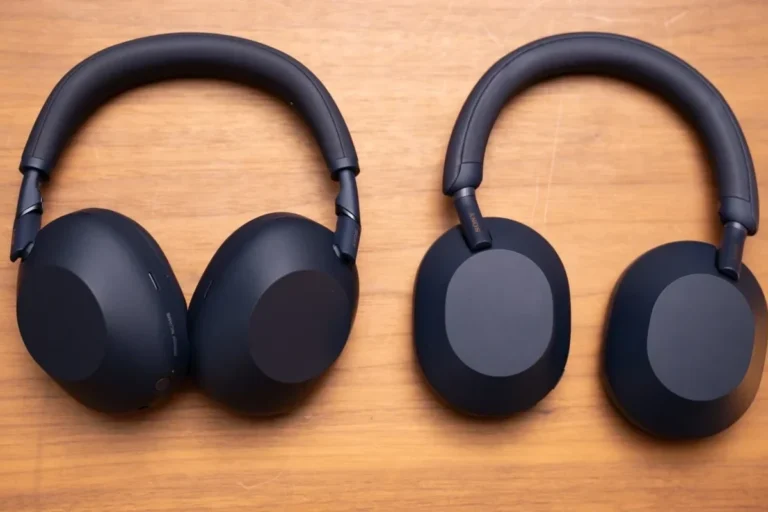
ANC vs Noise Isolation: Which Works Better?

ANC and noise isolation are not the same thing. ANC uses microphones and processing to cancel outside noise, while noise isolation relies on the physical seal of the headphones or earbuds to block sound.
If you want the strongest overall quiet, the best results usually come from using both together: good ANC plus a strong passive seal.
When people ask me about anc vs noise isolation, they usually want one simple answer: which one works better? The honest answer is that it depends on the noise around you and how you use your headphones. I’ve tested both for commuting, office work, travel, gaming, and critical listening, and the differences are bigger than most marketing pages make them sound.
In this guide, I’ll break down what each term really means, how they perform in real life, and which one makes more sense for your headphones or earbuds.
ANC vs Noise Isolation: What Each Term Actually Means
Active Noise Cancellation in headphones and earbuds
ANC stands for active noise cancellation. It uses tiny microphones to listen to outside sound, then creates an opposite sound wave to reduce what reaches your ears. This works best on steady, low-frequency noise like engine rumble, HVAC hum, and train drone.
Most modern ANC headphones and earbuds use digital signal processing, and the quality varies a lot by model. For a general technical overview, I often point readers to manufacturer explanations like Bose’s noise cancelling headphone technology pages, because Bose has been one of the key companies pushing consumer ANC forward for years.
Passive noise isolation from ear tips, pads, and fit
Noise isolation is passive. It does not need batteries or microphones. Instead, it depends on how well the ear tips, ear pads, and overall fit physically block sound from getting in.
In earbuds, the seal from silicone or foam tips matters a lot. In over-ear headphones, pad material, pad depth, and clamp force all affect how much sound leaks through. A good passive seal can reduce a surprising amount of midrange and high-frequency noise before ANC even kicks in.
Why people often confuse ANC with noise isolation
People mix them up because many headphones use both at the same time. A product may advertise “noise cancelling,” but the real-world quiet you hear could come from a combination of ANC and passive sealing.
Even a great ANC headphone can sound much worse if the pads leak air. Physical seal still matters, especially for bass and lower mids.
ANC vs Noise Isolation: The Core Differences That Matter for Listeners
| Category | ANC | Noise Isolation |
|---|---|---|
| How it works | Uses microphones and anti-noise processing | Uses physical seal and materials |
| Best at | Low-frequency constant noise | Midrange and higher-frequency blocking |
| Power needed | Yes, battery dependent | No battery required |
| Sound side effects | Can add hiss or pressure sensation | Usually more natural, but depends on fit |
| Reliability | Varies by tuning and mic quality | Varies by seal quality and comfort |
How each one blocks sound
ANC works by measuring external noise and generating a phase-inverted signal. That sounds simple, but the tuning is hard. The microphones, driver response, and ear canal acoustics all affect the result.
Noise isolation is much more straightforward. If the ear tip seals well or the pad closes the gap around your ear, less sound gets through. That’s why a good in-ear monitor with the right tip can feel eerily quiet without any electronics turned on.
Which frequencies each handles best
ANC is strongest in the low end. Think airplane cabin noise, bus engines, air conditioners, and fan rumble. Passive isolation is often better at blocking speech, clatter, keyboard noise, and sharper sounds in the mid and high frequencies.
That frequency split is the key reason ANC and isolation are complementary, not competing technologies.
Battery life, latency, and power dependence
ANC drains battery because the microphones and DSP need power. That means your listening time changes depending on whether ANC is on, and some models lose a noticeable chunk of battery life when the feature is active.
Noise isolation does not need power at all. That makes it more predictable for long flights, studio sessions, and low-maintenance daily use. It also avoids any concern about latency because there is no processing in the signal path for isolation itself.
Comfort and pressure differences
Some listeners love ANC, but others dislike the slight pressure sensation it can create. I’ve heard that complaint most often on older or aggressively tuned ANC models. It is not dangerous, but it can be annoying if you are sensitive.
Noise isolation can also feel uncomfortable if the seal is too tight, especially with deep-insertion earbuds or headphones with high clamp force. So comfort is not automatically better with one method or the other.
Performance in real-world environments
In airports and on trains, ANC usually wins because it handles constant low-frequency drone better than passive sealing alone. In a quiet office, good isolation can be enough, especially if you mainly want to reduce chatter and keyboard noise.
For city walking, both methods help, but I usually prefer a hybrid approach: decent isolation first, then ANC to clean up the remaining low-end noise.
Independent lab measurements from review outlets like SoundGuys and RTINGS often show the same pattern: ANC shines on low-frequency noise, while passive isolation helps more across a wider band when the fit is strong.
When ANC Beats Noise Isolation in Everyday Use
Best for airplanes, trains, buses, and office noise
ANC is the better tool when the noise is steady and repetitive. Airplane cabin roar, train hum, and bus engine noise all sit in the frequency range where ANC can do a lot of work.
In offices, ANC can also help with air conditioning and general room noise. It will not erase speech completely, but it can lower the background enough to make music, podcasts, or calls easier to focus on.
Strengths with low-frequency rumble and constant noise
This is where ANC earns its keep. Low-frequency sounds are harder to block with passive materials alone because they carry through air and structures more easily. ANC targets that problem directly.
When I test ANC models, I listen for how well they reduce steady rumble without making voices sound hollow or unnatural. The best ones lower the noise floor while keeping the music intact.
Downsides of ANC for some users
ANC is not perfect. Some models introduce a faint hiss, especially in quiet rooms. Others slightly change the sound signature, usually by softening the bass or making the presentation feel less open.
Battery life is another trade-off. If you forget to charge your headphones before a trip, ANC becomes a dead feature once the battery runs out.
When ANC can sound less natural or add hiss
Cheaper ANC models often struggle with tuning. They may overcorrect, which can make background noise pump or shift. That is especially noticeable on voices and irregular sounds like dishes clinking or people talking nearby.
Warning: if you are very sensitive to pressure or hiss, do not assume every ANC product will feel the same. I’ve tested models that were excellent for travel but fatiguing in a silent room.
When Noise Isolation Beats ANC for Everyday Use
Best for commuting, gaming, travel, and studio monitoring
Noise isolation is a strong choice when you want a simple, reliable barrier between you and the outside world. For commuting, a well-sealed pair of in-ear headphones can block enough noise to make a subway ride much more manageable.
For gaming, especially with wired headsets or IEMs, passive isolation can help you hear details without needing any battery-powered processing. In studio monitoring, isolation is often preferred because it avoids ANC artifacts and keeps the monitoring chain predictable.
Strengths with passive sealing and no battery needed
Passive isolation never runs out of charge and never needs firmware updates to keep working. That makes it dependable in the real world. If the seal is good, it works every time.
It also tends to sound more natural because there is no anti-noise processing altering the sound. For listeners who care about tonal purity, that matters.
Downsides of poor fit and inconsistent seal
The problem is that isolation is only as good as the fit. Loose ear tips, shallow insertion, or worn-out pads can destroy performance fast. I’ve seen excellent earbuds sound mediocre simply because the user was wearing the wrong tip size.
With over-ear headphones, glasses can break the seal and reduce bass and isolation. That is one reason I always tell readers to test fit before blaming the headphone itself.
Why isolation can outperform ANC in some mid/high-frequency situations
Passive blocking can be very effective against speech, keyboard clicks, and sharp environmental sounds. ANC is less consistent in those ranges because it is designed mainly around low-frequency cancellation.
So if your main problem is a noisy coworker, clattery café sounds, or office chatter, a strong passive seal may actually be more useful than fancy ANC.
ANC vs Noise Isolation: Which Is Better for Your Headphones or Earbuds?
Choose ANC if you want maximum reduction in constant background noise
If your daily life includes planes, trains, buses, or noisy HVAC systems, ANC is usually the better pick. It gives you the biggest improvement against low-frequency rumble, which is the hardest noise to ignore passively.
Choose noise isolation if you want simplicity and passive blocking
If you want something that works without charging, without app settings, and without worrying about ANC tuning, choose strong noise isolation. This is especially appealing for wired IEMs, studio use, and listeners who prioritize a natural sound.
Choose both if you want the strongest overall noise reduction
This is the sweet spot for many buyers. A headphone or earbud with good passive sealing plus well-tuned ANC can reduce a much wider range of noise than either method alone.
That is why premium ANC earbuds often use multiple microphones and carefully shaped ear tips. The hardware and the fit work together.
Best choice for over-ear headphones vs in-ear earbuds
Over-ear headphones usually rely more on pad seal and clamp force for isolation, so ANC can make a bigger difference there. In-ear earbuds often get excellent passive isolation from the tips alone, which means ANC becomes an extra layer rather than the whole solution.
If you are shopping for over-ears, fit and ANC quality both matter. If you are shopping for earbuds, tip selection may matter just as much as the ANC spec sheet.
If you are choosing between two models, I would prioritize the one with the better physical seal first. A great ANC system on a bad fit is still a mediocre headphone. In my testing, fit is the foundation and ANC is the upgrade on top.
How Fit, Seal, and Ear Tip Choice Change Noise Isolation Performance
Ear tip materials that improve isolation
Silicone tips are common and comfortable, but foam tips often isolate a little better because they expand to fill the ear canal. That can help with passive blocking, especially in noisy environments.
That said, foam is not always the right answer. Some listeners prefer silicone for comfort, easier cleaning, and a more consistent sound signature.
Over-ear pad seal and clamping force
On over-ear headphones, the pads need to sit evenly around your ears. If the pad is too shallow, too worn, or too soft, sound leaks in. Clamp force matters too, because too little pressure can reduce isolation and bass response.
I look for a balance: enough clamp to seal, but not so much that the headphones become tiring after an hour.
Why a bad fit ruins both isolation and ANC results
A poor fit hurts both systems. Passive isolation obviously drops, but ANC also becomes less effective because the cancellation profile assumes a certain seal and ear shape. If the headset leaks air, the anti-noise signal cannot do its job as well.
Quick fit checks to test your seal at home
- Try different ear tip sizes before judging an earbud’s isolation.
- Press the cups gently inward on over-ear headphones and listen for bass changes. If bass improves a lot, the seal was weak.
- Walk around for a minute. A fit that feels okay while sitting may fail when you move.
- If you wear glasses, check whether the temples break the pad seal.
How ANC Quality Varies Between Headphones and Earbuds
Feedforward vs feedback ANC in simple terms
Feedforward ANC uses microphones on the outside of the headphones to detect noise before it reaches your ear. Feedback ANC listens inside the ear side and corrects what actually gets through. Some products use a hybrid system with both.
Hybrid ANC is often the best approach because it can handle a wider range of noise, but the final result still depends on tuning and microphone placement.
Why some ANC models cancel better than others
Better ANC usually comes from better microphones, smarter DSP, and more careful tuning. Driver response matters too, because the headphone has to reproduce both your music and the anti-noise signal cleanly.
That is why two headphones with similar marketing claims can perform very differently in real life.
Transparency mode, wind noise, and microphone quality
Good ANC headphones also need good Transparency mode. If the mics are poor, ambient sound can sound unnatural or robotic. Wind noise is another real-world test, especially for earbuds used outdoors.
When I review ANC gear, I pay close attention to how well it handles wind, because that is where weaker systems often fall apart.
Features that matter more than marketing claims
Ignore vague phrases like “next-level noise cancelling” unless the product actually has strong independent testing or clear technical details. Look for codec support, battery life with ANC on, microphone count, and whether the fit is known to be strong.
For Bluetooth earbuds, codec support like AAC, aptX, or LDAC matters more for source compatibility and sound quality than for noise blocking itself. ANC and isolation are separate from codec performance.
ANC vs Noise Isolation: Pros, Cons, and Best Use Cases at a Glance
- Best for travel: ANC for airplane and train rumble, plus passive seal for extra quiet
- Best for study and work: Isolation if you want simple blocking, ANC if the room is noisy
- Best for gaming: Strong isolation for wired or low-latency setups
- Best for workouts: Secure in-ear seal or stable over-ear fit
- Best for audiophile listening: Good isolation for a cleaner, more natural presentation
- Loose fit that leaks sound
- ANC hiss or pressure that bothers you
- Pad wear or worn ear tips
- Relying on ANC alone for speech-heavy environments
- Buying based on marketing instead of real fit and tuning
Best for travel
ANC usually wins for long-haul travel because it handles engine and cabin drone better than passive isolation alone.
Best for study and work
Noise isolation is great for focused work if you want zero battery dependence. ANC is better if your workspace has constant HVAC or loud background rumble.
Best for gaming
Isolation is often enough for gaming, especially with wired headsets or IEMs. If you use a wireless headset, make sure latency is low enough for your setup.
Best for workouts
For workouts, I usually favor secure passive isolation from well-fitting earbuds. ANC can help in a gym, but fit stability matters more when you are moving.
Best for audiophile listening
Many audiophiles prefer strong passive isolation because it preserves a more natural presentation and avoids ANC artifacts. That said, a well-tuned ANC model can still sound excellent if the implementation is careful.
FAQ About ANC vs Noise Isolation
No. ANC is active and uses microphones plus processing. Noise isolation is passive and depends on fit, tips, pads, and materials.
ANC is usually better for airplane noise because it targets the low-frequency cabin rumble that passive isolation struggles with.
Yes. That is one of its biggest advantages. If the seal is good, it works all the time without charging.
Some ANC systems add hiss, pressure, or slight tonal changes. That usually comes down to tuning, microphone quality, and how well the headphone fits your ears.
Not always. A great seal can already block a lot of noise. ANC becomes more useful if you want extra help with low-frequency rumble.
Fit matters first. If the seal is poor, both isolation and ANC performance drop. A good fit is the foundation for strong noise reduction.
ANC is best for constant low-frequency noise like planes and trains, while noise isolation is best for simple, battery-free blocking and a more natural sound. If you want the quietest experience overall, choose a headphone or earbud that combines both with a strong fit.
- ANC uses microphones and anti-noise processing.
- Noise isolation depends on the physical seal.
- ANC is strongest against low-frequency rumble.
- Isolation is often better for speech and sharper noises.
- Fit is critical for both technologies.
- The best travel and commute setups often use both.