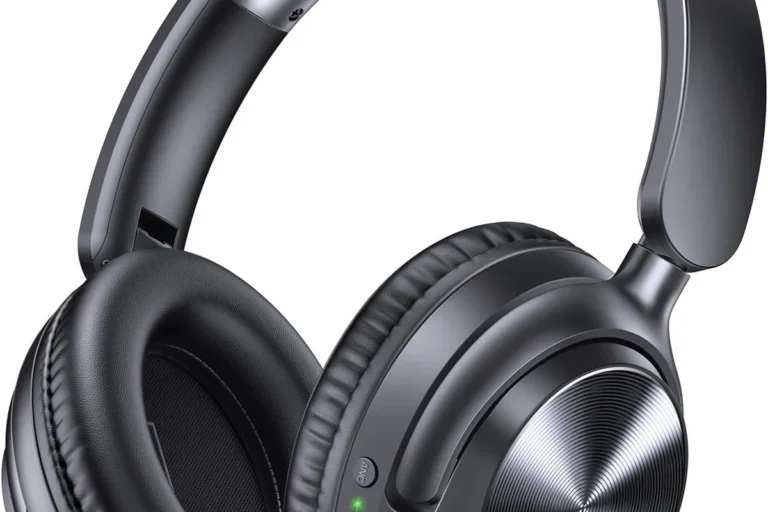
Does Noise Cancelling Actually Protect Your Hearing?

Yes, noise cancelling can help protect your hearing, but only indirectly. It lowers the background noise around you, which often lets you listen at a safer volume and reduces listening fatigue. It does not replace hearing protection in very loud environments, and it cannot undo damage from playback that is already too loud.
If you’ve ever cranked up your headphones on a train, plane, or busy street, you already know the problem: outside noise pushes your volume higher. That’s where ANC, or active noise cancelling, can make a real difference. I’ve tested plenty of ANC headphones over the years, and the biggest benefit is usually simpler than people expect: less need to turn the music up.
In this article, I’ll break down what ANC can and can’t do for hearing safety, where it helps most, and when you still need proper earplugs or earmuffs. I’ll also explain how to use noise cancelling the right way so you get the benefit without developing a false sense of security.
Does Noise Cancelling Protect Hearing? The Short Answer and What It Really Means
Noise cancelling protects hearing indirectly by reducing the need to listen at high volume. It is not a medical hearing protection device, and it should not be treated like certified ear defenders or earplugs.
The short answer is yes, but only partially. Noise cancelling headphones can help lower your exposure to loud sound by making your listening environment quieter. That means you may keep your music, podcasts, or calls at a lower level than you would with regular headphones in the same noisy place.
That said, ANC is not the same thing as hearing protection certified for industrial or concert use. It does not create a perfect seal against all noise, and it does not stop a dangerously loud song, game, or video from damaging your ears if you still play it too loud.
For a good technical overview of how audio levels are measured, I often point readers to the Audio Engineering Society, since sound pressure level and exposure time are the real factors behind hearing risk.
How Noise Cancelling Headphones Reduce the Need for High Volume
Active noise cancelling vs. passive sound isolation
Active noise cancelling uses microphones and processing to reduce steady background noise like engine rumble, HVAC hum, and low-frequency road noise. Passive sound isolation is simpler: the earcups, ear tips, and seal physically block sound.
In real use, both matter. ANC is especially good at low-frequency noise, while passive isolation helps across a wider range of sound. Over-ear headphones with a good pad seal can often feel much quieter than ANC alone because the physical barrier does a lot of work.
Many people think ANC “blocks” all noise, but it works best on constant sounds. Sudden voices, clanks, and sharp spikes are much harder to cancel completely.
Why lowering background noise can lower listening volume
This is the main hearing-safety benefit. When your environment is quieter, your brain does not need as much playback volume to understand speech or hear detail. I notice this most on flights and on city buses: with decent ANC, I can usually listen several notches lower than I would with open-back headphones or weak isolation.
That lower volume matters because hearing damage risk rises with both loudness and time. Even a modest reduction in listening level can make a meaningful difference over a long commute or a full workday.
The difference between “protecting hearing” and “reducing risk”
This is where a lot of marketing gets sloppy. ANC can reduce risk, but it does not guarantee protection. If you use it to keep your volume down, you are making a safer choice. If you use it as an excuse to listen louder because “the headphones are protective,” you can still overexpose your ears.
Bottom line: ANC is a hearing-friendly tool, not a shield. It helps most when it keeps your listening habits in a safer range.
When Noise Cancelling Can Help Protect Hearing in Real-World Listening
Commuting, flights, and loud public spaces
This is where ANC shines. On planes, trains, buses, and busy streets, the constant low-frequency noise can be exhausting. A good ANC headphone can cut that rumble enough that you do not feel the need to overpower the environment with volume.
For travel, I usually prefer over-ear ANC headphones because they combine active cancellation with better passive isolation. That one-two punch is why many travelers find them easier on the ears than cheap earbuds with no sealing.
Office use and studying in noisy rooms
In offices, libraries, and shared apartments, ANC can help you focus at lower playback levels. That is especially useful for long sessions. I’ve found that when background chatter is reduced, spoken-word content like podcasts and conference calls becomes much easier to hear without reaching for the volume slider.
Headphones with strong ANC and a stable seal can also reduce listening fatigue. You may not just listen quieter; you may also feel less mentally drained after a long session.
Listening to podcasts, calls, and music at safer volumes
Podcasts and calls benefit a lot from ANC because speech sits in a narrower range than music. If you can hear voices clearly at a moderate level, there is less temptation to push volume higher. For music, ANC helps you hear detail like vocals, reverb tails, and bass texture without turning everything up to compensate for outside noise.
Tip: If you use ANC headphones for calls, a clean microphone array and good voice pickup matter too. Better call clarity means less need to raise volume just to understand the other person.
When Noise Cancelling Does Not Fully Protect Your Hearing
ANC cannot stop very loud external sounds completely
Even the best ANC headphones do not fully cancel sudden or high-level sounds. A siren, construction blast, or concert-level PA system can still get through. That is why ANC is not a substitute for certified hearing protection in loud work or event settings.
Most consumer ANC headphones are designed for comfort and listening quality, not for occupational safety ratings.
Noise cancelling does not prevent damage from unsafe playback volume
This is the biggest misunderstanding. If you play audio too loud, ANC does not save your ears. A quiet room with dangerously loud headphones is still dangerous. The driver type, codec support, or brand name does not change that basic rule.
As a listening habit, I always tell people to think in terms of level first, then features. AAC, aptX, or LDAC can affect quality and latency, but none of them make loud audio safe.
Why poor fit or weak ANC can reduce the benefit
If the earcups do not seal well, or the earbuds do not fit properly, the headphone has to work harder and may not lower outside noise enough. That can tempt you to increase volume again. I see this often with poorly fitting ANC earbuds: the user assumes the feature is working, but the real-world isolation is weak because the seal is bad.
Do not assume “ANC on” means “safe to turn it up.” If you need high volume to hear clearly, the fit, seal, or listening environment may be the real problem.
What Actually Protects Hearing Best: Volume, Exposure Time, and Sound Levels
Safe listening basics and the 60/60-style rule
A common rule of thumb is the 60/60 idea: keep volume around 60% and limit listening to about 60 minutes before taking a break. It is not a medical law, but it is a practical starting point for everyday listening.
What matters most is not the number on your volume slider. It is the actual loudness at your ears. A loud recording on sensitive IEMs, or a boosted EQ preset, can be much harsher than the same volume setting on another device.
For headphone output and hearing safety, manufacturers such as Sennheiser Hearing often publish product specs and usage guidance that help explain how ANC, fit, and tuning affect real listening behavior.
How duration matters as much as loudness
Hearing risk is cumulative. A short burst of loud sound is one thing; hours of moderate sound add up too. That is why ANC can be helpful during long commutes or work sessions. If it lets you shave a few dB off your listening level for two or three hours, that is a meaningful reduction in exposure.
Think of ANC as a way to manage your daily sound dose, not as a one-time fix.
Why ANC works best as part of a hearing-safe setup
The safest setup is simple: quieter environment, proper fit, moderate volume, and regular breaks. ANC helps with the first part, but the rest still matters. If you combine good isolation with responsible listening, you get the real benefit.
As a reviewer, I look for ANC headphones that stay effective at lower volumes without sounding thin or strained. A well-tuned model with solid sealing often protects hearing better in practice than a stronger ANC model that sounds poor and pushes users to turn it up.
Best Ways to Use Noise Cancelling Headphones for Hearing Protection
Use it on planes, trains, buses, and in noisy offices so you do not feel forced to raise volume to fight the background noise.
If you can understand speech and enjoy music without strain, you are probably in a better hearing-safe range than if you keep reaching for the volume button.
A good seal boosts passive isolation, which helps ANC work better and reduces the need for higher playback levels.
Even with ANC, your ears benefit from rest. Short breaks can reduce fatigue and help you avoid volume creep.
Transparency mode helps you hear announcements and people around you without removing the headphones, so you are less likely to yank the volume up and miss important sounds.
- Use ANC most aggressively in low-frequency noise like engines and HVAC hum.
- Check the fit of earcups or ear tips before blaming the ANC.
- If you listen for hours, lower the volume a little more than you think you need.
- Set a phone volume limit if your device supports it.
- For long travel days, choose comfort first so you are not tempted to remove the headphones and blast audio later.
Pros and Cons of Using Noise Cancelling for Hearing Protection
- Lower listening volume in noisy places
- Less listening fatigue over long sessions
- Better speech clarity for calls and podcasts
- More focus in travel, office, and study settings
- False sense of safety if you still listen too loud
- Battery dependence on active cancellation
- Limited protection from sudden loud spikes
- Poor fit can erase much of the benefit
Pros: lower listening volume, less fatigue, better focus
When ANC works well, it can make your whole listening session more relaxed. You hear more detail at lower volume, which is the main reason it can help protect hearing over time.
Cons: false sense of security, battery dependence, limited protection from loud spikes
The biggest downside is psychological. People often assume ANC means they can ignore listening habits. That is not true. Also, active cancellation depends on battery power, so once the battery dies, your listening environment gets louder and your volume habits may change.
Best use cases vs. situations where earplugs or hearing protection are better
ANC is great for travel, commuting, office work, and casual listening. Earplugs or earmuffs are better for concerts, landscaping, power tools, and industrial settings. If the sound is loud enough to make conversation difficult at arm’s length, ANC headphones alone are usually not enough.
Noise Cancelling Headphones vs Earplugs and Ear Muffs for Hearing Safety
Which is better for concerts, work sites, travel, and commuting
| Use case | ANC headphones | Earplugs / earmuffs |
|---|---|---|
| Travel and commuting | Often the best everyday option | Can work, but less convenient for audio playback |
| Office and studying | Very useful for lowering listening volume | Good for blocking noise, but not ideal for calls |
| Concerts | Not enough by itself | Better choice, especially high-fidelity earplugs |
| Work sites | Not a substitute for certified protection | Preferred option if rated for the environment |
Can ANC headphones replace hearing protection?
In most loud-sound safety situations, no. ANC headphones are consumer audio products, not certified protective equipment. They can reduce annoyance and help you listen more safely, but they should not replace proper protection where hearing damage risk is high.
Combining ANC with proper hearing protection when needed
In some situations, the best answer is not one or the other. For example, if you are near loud machinery, use proper hearing protection first. ANC may be useful for comfort in less extreme settings, but it should not be your only defense.
- Use ANC to keep volume down in noisy places
- Choose a comfortable, well-sealed fit
- Take breaks and watch your listening time
- Use certified protection for truly loud environments
- Assume ANC makes loud music safe
- Use consumer headphones as worksite hearing protection
- Ignore poor fit and weak isolation
- Keep raising volume because the room is noisy
Noise cancelling can help protect hearing by making it easier to listen at lower volumes, especially in noisy places. It helps reduce risk, but it does not replace proper hearing protection or safe listening habits. If you keep the volume moderate and use ANC in the right situations, you can make your headphone use much safer.
FAQs About Whether Noise Cancelling Protects Hearing
They can help reduce the risk of hearing loss by lowering the need for high volume, but they cannot prevent hearing loss on their own. Safe volume and limited exposure time still matter most.
For comfort and everyday listening, often yes. For hearing protection, ANC helps a lot on planes because it reduces steady engine noise, but you should still keep playback at a reasonable level.
Not always. Good ANC earbuds can work well, but over-ear headphones often provide stronger passive isolation because of the larger seal around the ear. Fit matters a lot in both cases.
Yes. ANC does not make unsafe playback volume safe. If you listen too loud for too long, your ears can still be damaged even in a quiet environment.
They can be better in some situations because a strong physical seal does not rely on battery power. But for travel and steady background noise, ANC usually gives a better everyday experience and can help you keep volume lower.
- Noise cancelling helps hearing mainly by reducing the need to turn volume up.
- ANC works best in steady noise like planes, trains, buses, and offices.
- It does not replace earplugs or earmuffs in loud work or concert settings.
- Safe volume and listening time still matter more than any headphone feature.
- A good fit and strong passive isolation make ANC more effective.