What Is Noise Cancelling Headphones: Complete Guide

Noise cancelling headphones actively reduce unwanted ambient sound using microphones and digital processing.
I’ve tested many models over years and helped readers pick gear for travel, work, and music. This article explains what is noise cancelling headphones in plain terms, how they work, their pros and cons, and how to choose the right pair for your life. Read on for clear guidance, real-life tips, and practical examples that will help you make a confident decision.
How noise cancelling headphones work
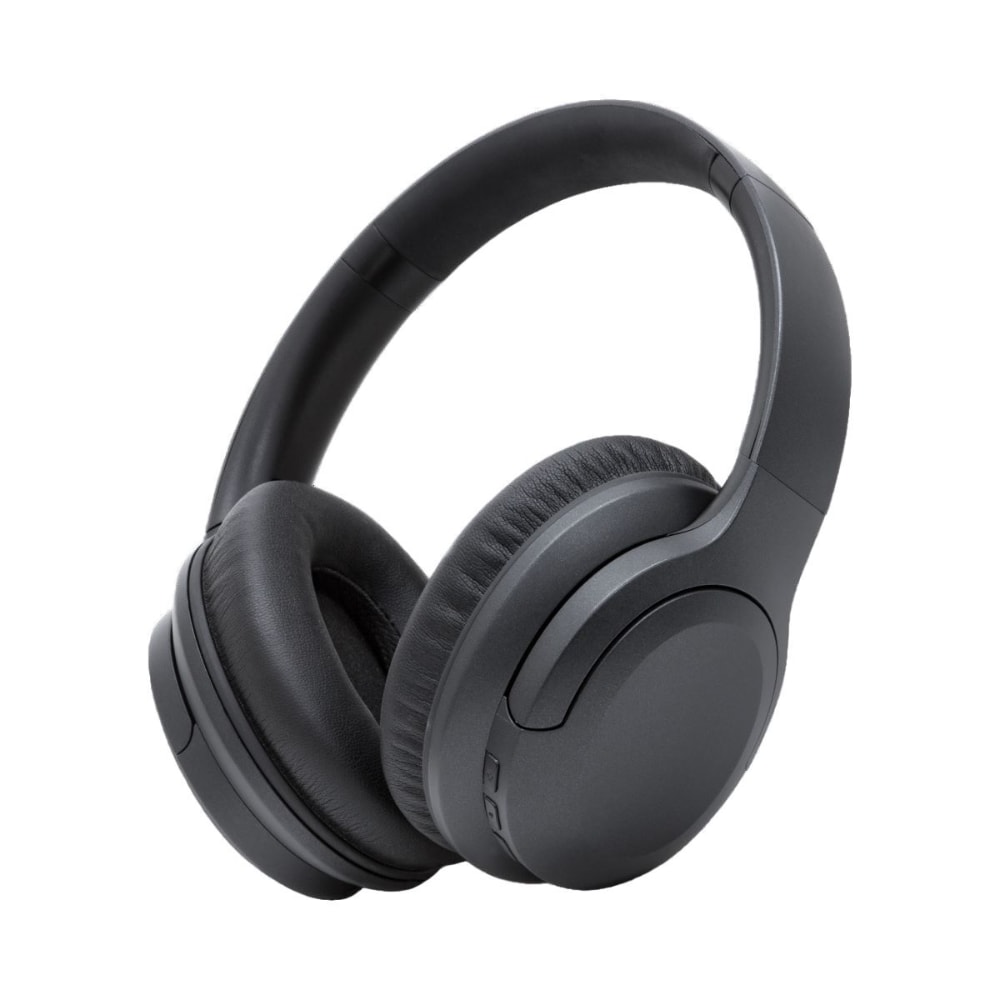
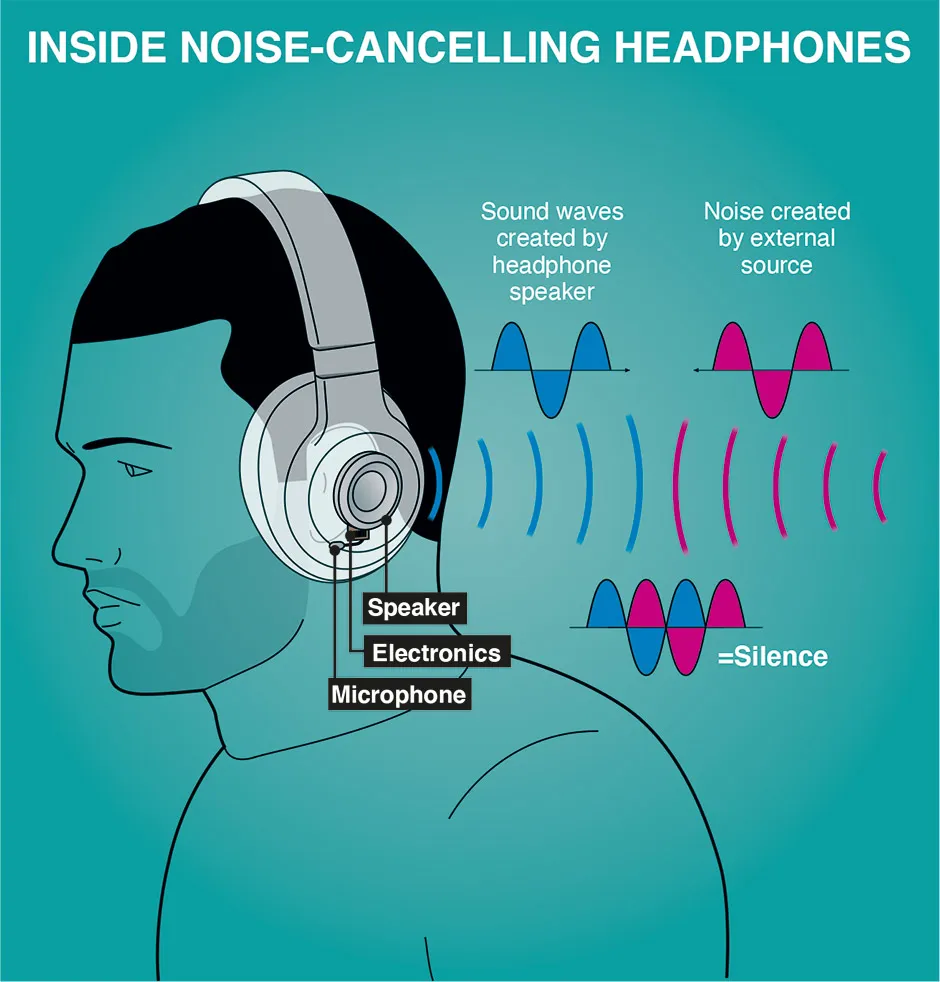
Noise cancelling headphones use electronics to reduce outside noise. Small microphones pick up ambient sound. A processor inverts that sound and plays the opposite signal through the speakers. The opposite waves cancel the incoming noise so you hear less background sound.
There are three main technical approaches:
- Passive noise isolation: physical barriers like foam and ear cups block sound.
- Active noise cancellation (ANC): microphones and electronics create anti-noise.
- Hybrid ANC: uses microphones inside and outside the earcup for better cancellation.
When people search what is noise cancelling headphones they usually want to know how well ANC removes engine noise, chatter, or street sounds. Modern ANC is best at low, steady noises like plane engines and AC units, and less effective on sudden sharp sounds.
Types of noise cancelling headphones
Knowing the categories helps when you shop. Here are common types and what they mean.
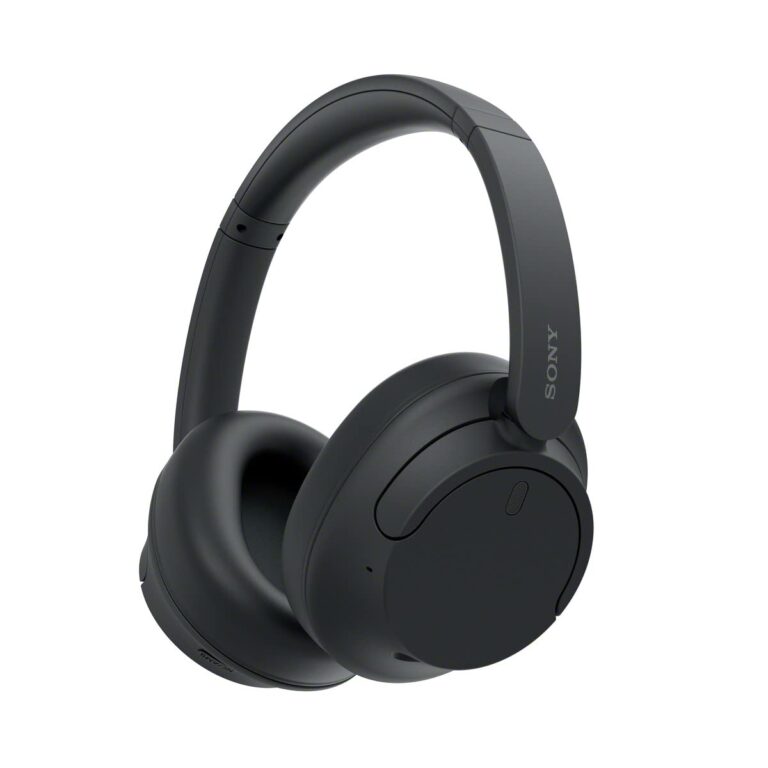
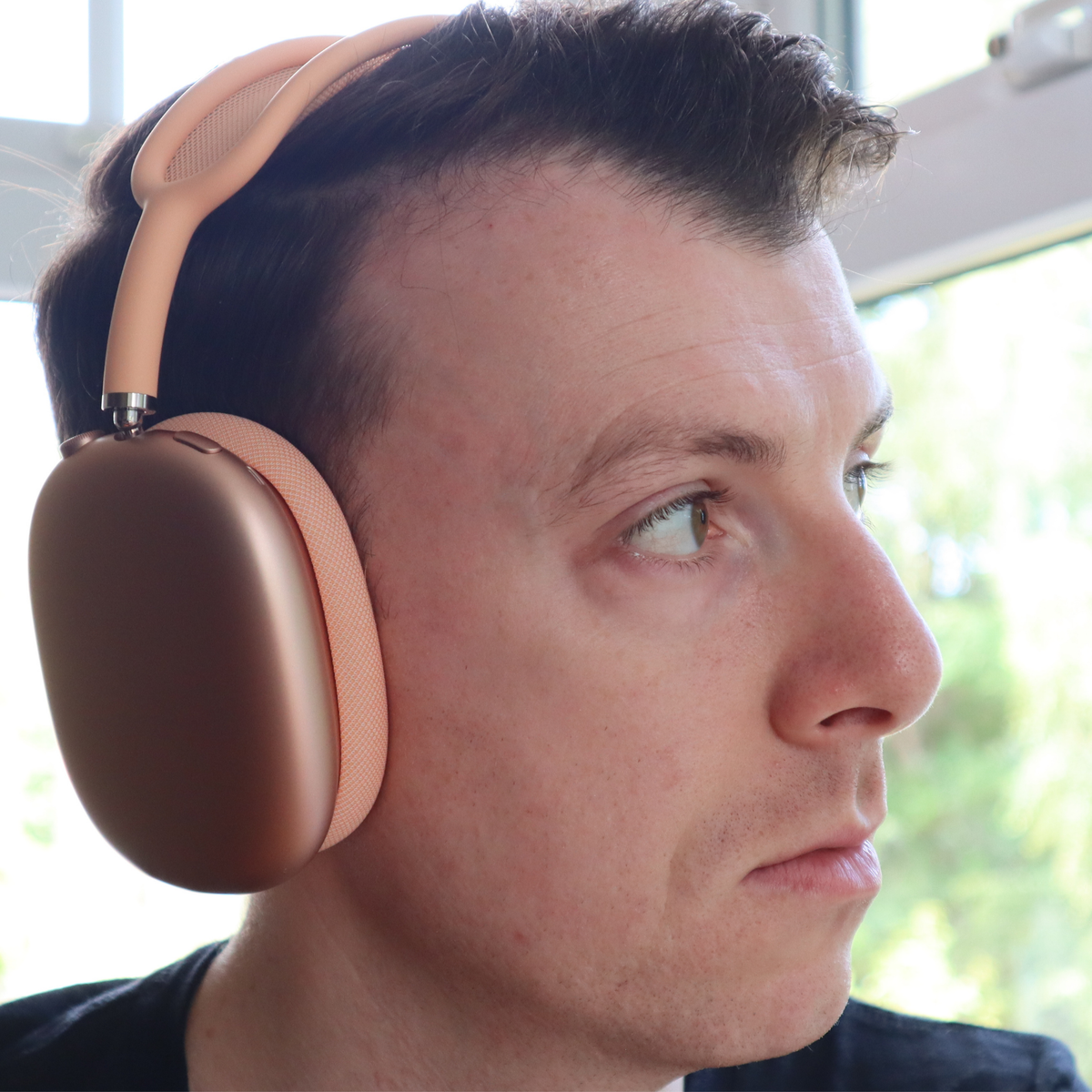
- Over-ear with ANC
- Full ear cups sit around the ear. They give strong passive isolation plus ANC.
- On-ear with ANC
- Sit on the ear. Lighter and more portable but usually less isolation.
- True wireless earbuds with ANC
- Small microphones and chips inside earbuds. Great for commuting.
- Hybrid and adaptive ANC
- Adaptive systems adjust cancellation in real time based on noise levels.
- Noise-cancelling headphones vs noise-cancelling earbuds
- Headphones often have better battery life and larger drivers. Earbuds are compact and convenient.
If you need to answer “what is noise cancelling headphones” for different uses, choose the type based on comfort, portability, and the noises you face daily.

Benefits of noise cancelling headphones
Noise cancelling headphones offer clear, immediate benefits. Here are the main ones.
- Better focus and productivity
- ANC helps you concentrate in busy offices and cafes.
- Improved listening experience
- Less background noise means you can hear details at lower volume.
- Lower listening volume and ear health
- Reduced need to crank volume lowers long-term hearing risk.
- Better travel comfort
- ANC cuts engine and cabin noise, making long flights less tiring.
- Customizable listening modes
- Many models include transparency or ambient modes to hear surroundings when needed.
From personal experience, ANC turned long flights from exhausting to restful. I used to raise volume on planes and come home with ringing ears. With good ANC headphones, I woke refreshed instead.
Limitations and trade-offs
No technology is perfect. Here are common limitations to know before you buy.
- Not perfect for all noises
- ANC excels at steady low frequencies but struggles with sudden or high-pitched sounds.
- Battery and power dependence
* Active systems need power. Low battery means reduced or no ANC. - Sound signature changes
- Some ANC can slightly alter tonality or bass feel.
- Pressure or ear sensation
- A few people feel a mild pressure or “vacuum” sensation with strong ANC.
- Cost
- High-quality ANC adds to price. Budget models can have weaker performance.
When you ask what is noise cancelling headphones and expect silence like noise-proof walls, manage expectations. ANC helps a lot, but it does not make you completely isolated in every environment.
How to choose the right noise cancelling headphones
Choosing the right pair blends specs, fit, and real needs. Use this checklist when shopping.
- Define your main use case
- Travel, office, gym, or casual listening? Each favors different designs.
- Look for true ANC performance
- Read independent tests and user reviews about real-world noise reduction.
- Consider comfort and fit
- Try them on for long sessions. Memory foam and weight matter.
- Check battery life and charging options
- Aim for 20+ hours if you travel, and fast charge if you’re often on the go.
- Evaluate call and microphone quality
- If you take calls, prioritize models with strong voice pickup and noise suppression.
- Assess connectivity and codecs
- AptX, AAC, and LDAC matter for audio quality on compatible devices.
- Test transparency or ambient modes
- Good transparency should let outside sounds through naturally for safety.
From my tests, don’t prioritize ANC alone. A well-sealed earcup and a comfy fit often matter more for long listening sessions than a small difference in ANC specs.

Practical tips and real-life experiences
I’ve used ANC on planes, trains, and in coffee shops. Here are tips that helped me get the most value.
- Fit and seal are crucial. A loose seal weakens both passive and active cancellation.
- Update firmware. Manufacturers improve ANC performance through updates.
- Try different ANC levels. Many headphones let you pick full, low, or adaptive modes.
- Use transparency when you need situational awareness. It’s safer in city streets.
- Carry a wired cable. For long-haul flights, wired mode saves battery and keeps sound consistent.
People also ask: Does ANC drain battery faster?
- ANC does use power, but modern chips are efficient. Expect 10–30% faster battery drain with ANC on.
People also ask: Will ANC fix noisy neighbors or construction noise?
- ANC helps with low, steady building sounds, but loud, erratic construction noise may still be audible.

Maintenance and battery care
Small habits prolong performance and lifespan. Follow these tips.
- Keep ear pads clean
- Wipe pads with a soft cloth and mild cleaner to preserve seal and hygiene.
- Store in a case
- A hard case prevents physical damage and keeps microphones safe.
- Charge smart
- Avoid leaving batteries fully drained for long periods. Charge before extended trips.
- Replace pads and batteries if possible
- Some models let you replace pads or batteries to extend life.
- Reset and recalibrate
- If ANC seems off, reset to factory settings or re-pair to your device.
These steps kept my older ANC headphones sounding fresh for years and avoided costly replacements.

Frequently Asked Questions of what is noise cancelling headphones
What is noise cancelling headphones and how does it differ from passive isolation?
Noise cancelling headphones use microphones and electronics to create anti-noise, while passive isolation blocks sound with physical materials. ANC actively cancels sound; passive isolation simply reduces sound passage.
Do noise cancelling headphones damage hearing?
When used responsibly, they can protect hearing because you often listen at lower volumes. Risk arises if you increase volume to compensate for poor fit or bad audio quality.
Can noise cancelling headphones improve phone call quality?
They can help by reducing background noise picked up by microphones, but call clarity also depends on mic quality and network conditions. Look for models with dedicated voice mics for best results.
Are noise cancelling headphones safe to use while walking or cycling?
Use caution. ANC can reduce awareness of traffic and hazards, so enable transparency or ambient modes when you need to stay alert. Balance safety and comfort.
How long does battery last with ANC on?
Battery varies by model. Expect 15–30 hours on many modern over-ear models and 4–8 hours on true wireless earbuds. Fast-charge features can reduce downtime.
Conclusion
Noise cancelling headphones can transform travel, focus, and listening comfort by actively reducing unwanted sound. They are not magic silence machines, but when chosen and used correctly they offer real benefits for health, concentration, and enjoyment. Try models with good returns policies, focus on fit and battery life, and use transparency modes for safety. If you found this guide helpful, try a test fit in-store, subscribe for more gear guides, or leave a comment about your experience with ANC.