Active Vs Passive Noise Cancellation: Which Is Better?

Active vs passive noise cancellation: Active uses electronics to cancel noise; passive blocks noise physically.
I’ve tested earbuds, over-ear headphones, and studio cans for years, so I can walk you through active vs passive noise cancellation with clear, practical advice. This guide explains how each approach works, where each shines, common trade-offs, and how to choose the right option for travel, work, or music. Read on to learn simple tests, real-life tips, and the exact buying signals to watch for when comparing active vs passive noise cancellation.

What is active vs passive noise cancellation?
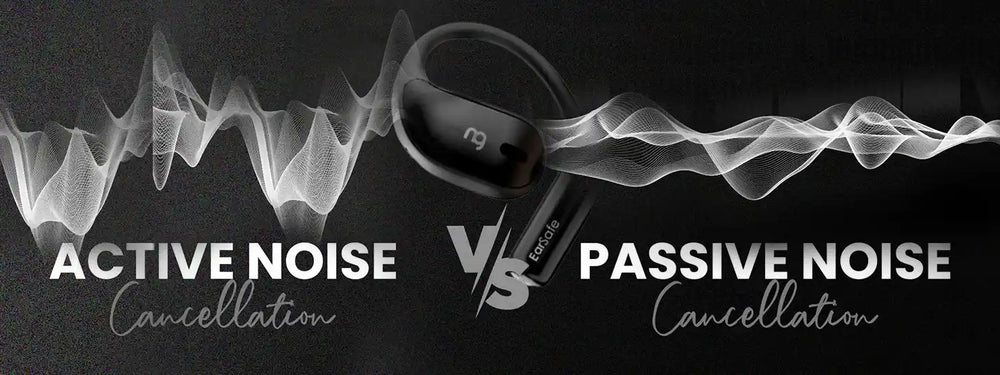
Active vs passive noise cancellation refers to two ways headphones and earbuds reduce unwanted sound. Active noise cancellation, or ANC, uses tiny microphones and electronics to detect ambient sound and create an inverse sound wave to cancel it. Passive noise cancellation, often called passive isolation, relies on physical design and materials to block sound, like cushioned ear cups or snug silicone tips.
Active vs passive noise cancellation are not mutually exclusive. Many devices combine both to get better overall quiet. Understanding the difference helps you pick gear that matches your real-world needs and budget.

How active noise cancellation works
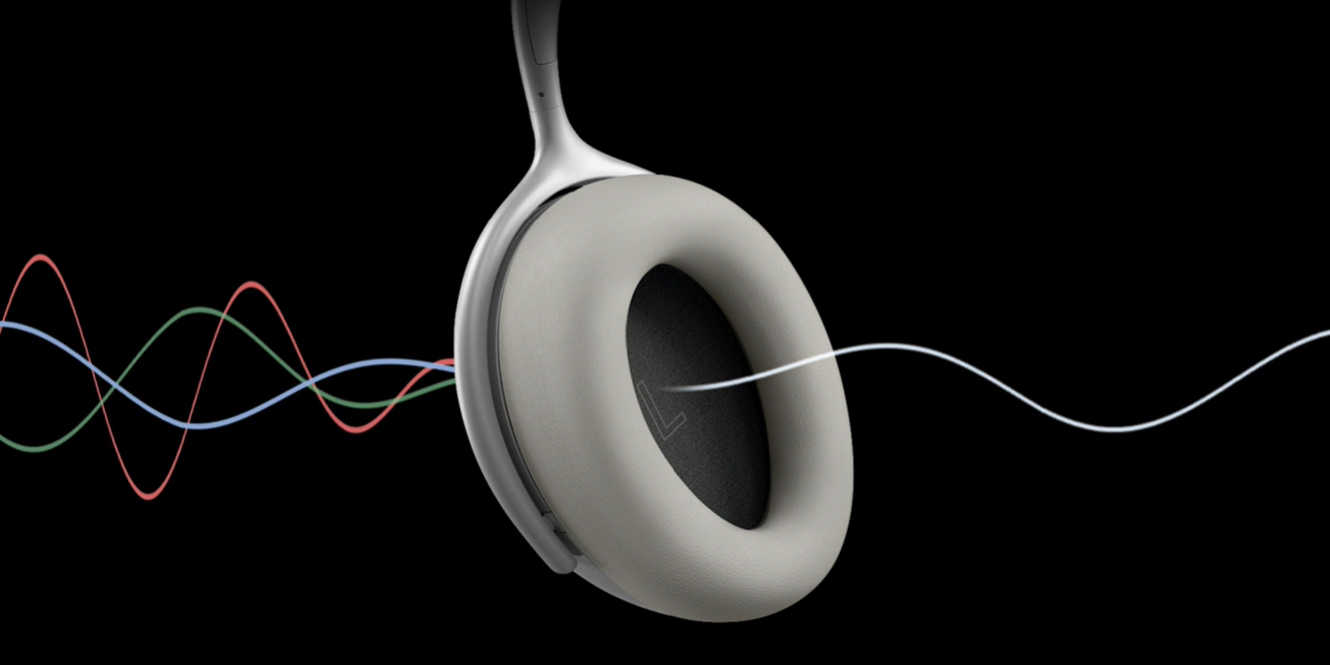
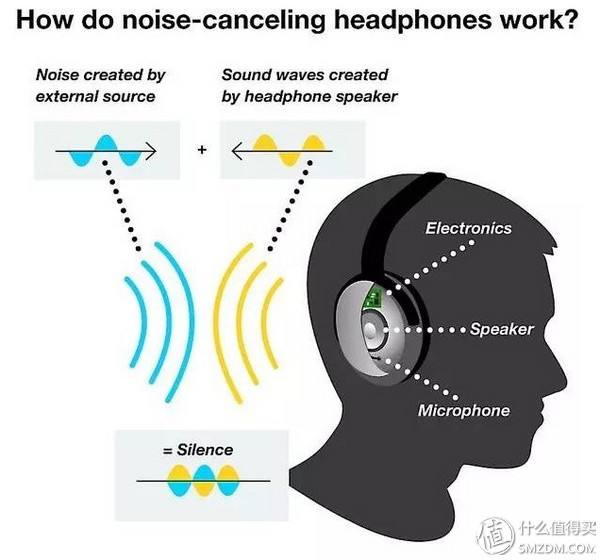
Active noise cancellation uses electronics and signal processing. Microphones on the earcup or earbud pick up external sound. A processor inverts that signal and plays it back through the speaker in real time. The inverted wave cancels the original sound by destructive interference.
There are three common ANC methods:
- Feedforward ANC — Microphone outside the ear detects noise before it reaches the ear canal. Good for high-frequency detection.
- Feedback ANC — Microphone inside the ear monitors what actually reaches your ear. Helps correct residual noise and improves bass cancellation.
- Hybrid ANC — Combines both feedforward and feedback mics for wider frequency coverage.
ANC works best on steady, low-frequency noise such as engines, HVAC hum, or airplane rumble. It is less effective on sudden, sharp sounds like claps, human voices, or doors closing. ANC needs power, so battery life and processing latency matter.
People also ask:
How much battery does ANC use?
ANC adds to power draw, typically shaving several hours off total playback time. Modern chips keep the cost low, but expect shorter battery life with ANC on than off.
Can ANC damage hearing?
ANC itself does not damage hearing. High volumes do. ANC can let you listen at lower volumes by reducing background noise.
Does ANC affect sound quality?
ANC can change tonal balance or add a faint hiss in budget models. High-end ANC aims to be transparent to preserve sound fidelity.
What passive noise cancellation (isolation) is and how it works
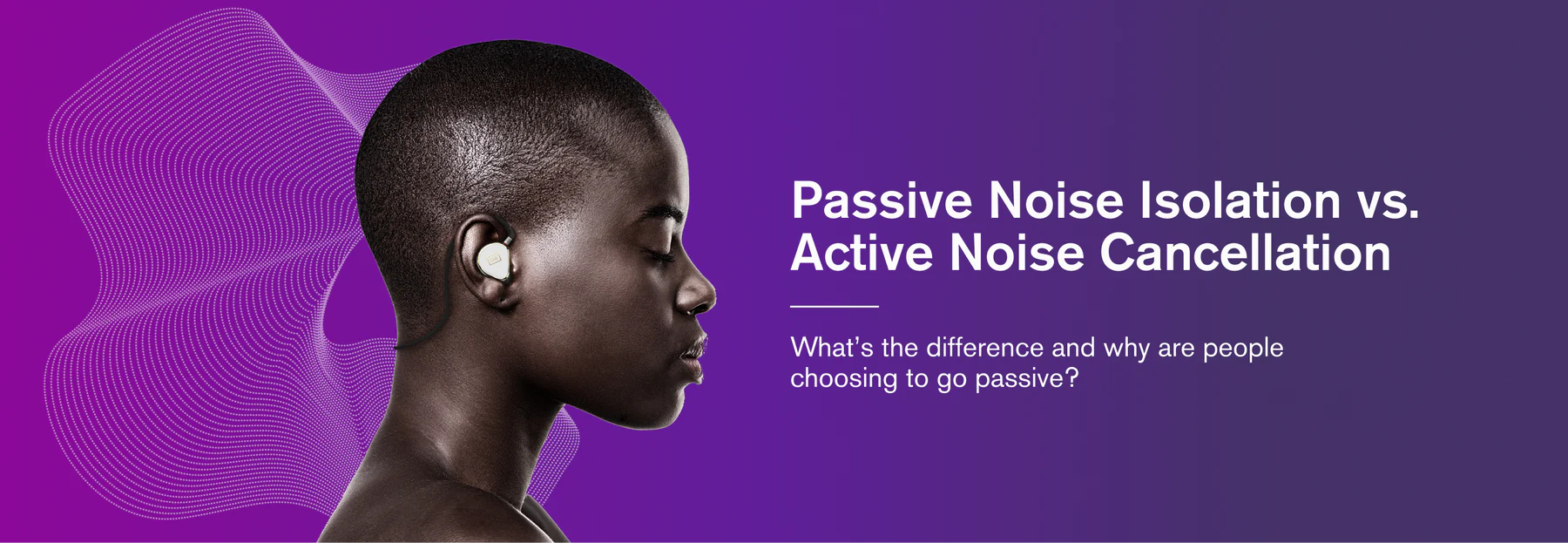
Passive noise cancellation uses physical blocking to reduce noise. It relies on materials and fit, not electronics. Over-ear headphones with dense foam and sealed ear cups create a barrier that absorbs and reflects sound. In-ear monitors form a seal in the ear canal and block external noise.
Passive isolation excels at higher frequencies. Cloth, memory foam, silicone tips, and tight seals work well. It needs no battery and does not introduce processing artifacts.
Benefits of passive isolation:
- No battery required.
- Often better at blocking sudden, high-pitched sounds.
- Simple and durable; fewer moving parts.
Limitations:
- Comfort depends on fit—poor fit reduces isolation.
- Bulky gear can be heavy for travel.
- Sealed isolation may trap heat over long sessions.

Pros and cons: active vs passive noise cancellation
Here’s a quick side-by-side of active vs passive noise cancellation strengths and trade-offs.
Active noise cancellation pros:
- Great for constant, low-frequency noise like engines and HVAC.
- Can make quiet spaces dramatically quieter.
- Often adjustable with ANC modes for different environments.
Active noise cancellation cons:
- Uses battery power and adds complexity.
- May cause slight audio artifacts or hiss in some models.
- Less effective for sudden, mid/high-frequency sounds.
Passive noise cancellation pros:
- Works without power.
- Better at blocking sudden, high-frequency noise.
- Simple, durable design with consistent performance.
Passive noise cancellation cons:
- Effectiveness depends on fit and materials.
- Can be bulky for strong isolation.
- Might not reduce low-frequency rumble as well as ANC.
When you think about active vs passive noise cancellation, remember they complement each other. The best headphones combine a tight physical seal with smart ANC.
Real-world use cases and recommendations
Use cases help make the choice clear. Here are common scenarios and which approach usually wins.
- Frequent flyers and commuters — Active noise cancellation reduces engine hum and subway rumble, making ANC the top pick.
- Office workers and open-plan spaces — A hybrid approach helps: passive isolation for nearby conversations and ANC for constant background hum.
- Musicians and audio pros — Passive isolation or studio-specific closed-back headphones often perform better for critical listening. Some pros use ANC while tracking to reduce ambient noise but disable it for mixing.
- Workout and running — Passive isolation with secure fit is safer so you can still hear surroundings when needed. Low levels of ANC can be used if you prefer more focus.
- Home and sleep — ANC can improve sleep by cutting low-frequency noise from HVAC or traffic. Passive options with soft seals can also help.
From testing multiple models, my personal rule is to prioritize fit first, then ANC quality. A tight seal with mediocre ANC often outperforms a poor-fitting ANC-equipped earbud.

How to choose between active vs passive noise cancellation
Follow this step-by-step checklist when shopping:
- Identify your main noise type. Is it steady low rumble or sudden chatter?
- Try devices in person, if possible, to test fit and seal.
- Listen for processing hiss or tonal changes when ANC is on.
- Check battery life for ANC-enabled devices.
- Consider comfort for long wear—earcup material and clamping force matter.
- Read user reviews focused on real-world noise reduction, not just specs.
Practical tips based on experience:
- For travel, choose ANC with good low-frequency reduction and memory foam earcups.
- For desk work, ANC with an ambient or transparency mode helps you hear colleagues.
- For safety outdoors, favor passive isolation that leaves some ambient sound or ANC models with quick transparency modes.
Common myths and technical trade-offs
Many myths surround active vs passive noise cancellation. Let’s clear a few up.
- Myth: ANC blocks all sound. Reality: ANC targets steady low frequencies best and won’t fully remove sharp sounds.
- Myth: Passive isolation is always better for music. Reality: Passive isolation helps soundstage, but good ANC can make listening quieter and reduce the need for higher volumes.
- Myth: ANC causes hearing loss. Reality: ANC itself is safe and often helps keep listening levels lower. Risk comes from loud volumes.
- Trade-off: ANC can add weight, cost, and battery needs. Passive designs can be lighter and simpler.
Understanding these trade-offs helps you match expectations to real performance.
Personal experience, lessons learned, and buying mistakes to avoid
I’ve used many headphones on planes, trains, and in studios. A few lessons that helped me buy better gear:
- Always test ANC in the environment you use most. Plane cabin noise and office hum feel different.
- Don’t judge by ANC marketing alone. A good seal matters more than the ANC label.
- Beware of over-tight clamping force. It reduces comfort on long flights.
- Use transparency modes responsibly. They’re a safety tool for city use.
- If possible, compare the same headphone with ANC on and off to hear any colorations.
One mistake I made was buying earbuds with poor tips. The advertised ANC was fine, but poor seals let in low and high frequencies. Replacing tips solved most issues. Another mistake was assuming more ANC modes mean better performance; in many cases, a single strong ANC implementation beats multiple half-baked modes.

People also ask
Which is better for airplane noise: active vs passive noise cancellation?
Active noise cancellation is generally better for steady, low-frequency airplane engine noise, but a good passive seal still helps for high frequencies.
Can I use ANC and passive isolation together?
Yes. Many top headphones combine passive isolation with ANC for the best overall noise reduction across frequencies.
Do in-ear or over-ear headphones offer better ANC?
Over-ear headphones often deliver stronger passive isolation and more room for ANC hardware, but high-quality in-ear ANC can be very effective and more portable.
Frequently Asked Questions of active vs passive noise cancellation
What is the main difference between active vs passive noise cancellation?
Active vs passive noise cancellation differs in method: active uses electronics to cancel sound, while passive uses physical barriers and fit to block sound.
Will ANC work for human voices?
ANC reduces some aspects of human voice, but it is less effective on sudden, mid-frequency speech than on steady low rumble.
Do ANC headphones affect audio quality?
Some ANC systems slightly alter tonal balance or add a low hiss, especially on budget models, but premium ANC aims to preserve audio fidelity.
Is passive isolation safer for outdoor use?
Yes, passive isolation can be safer when you need to hear traffic or warnings; look for models with transparency or ambient modes if using ANC.
How often should I replace ear tips for passive isolation?
Replace ear tips when they wear out or lose elasticity—typically every 6–12 months for heavy users—to maintain a good seal and consistent passive isolation.
Can I turn ANC off when I don't need it?
Yes. Most ANC-enabled devices let you turn ANC off or switch to transparency for situational awareness and battery savings.
Conclusion
Active vs passive noise cancellation each has clear strengths. Use active noise cancellation for steady, low-frequency noise like engines and HVAC. Use passive noise cancellation when fit, high-frequency blocking, and no battery dependency matter most. For most people, the best choice blends both: a snug seal plus reliable ANC. Try gear in your real environment, prioritize fit, and look for trusted reviews that match how you’ll use the device. Ready to find your next headphones? Test models in person, compare ANC on/off, and leave a comment with your use case so I can suggest specific options.