How to Put Bose Headphones in Case Easily and Safely

Put Bose headphones in the case by matching the earcups and headband to the case’s intended shape, then close it gently without forcing anything. If the case does not shut smoothly, the headphones are likely misaligned or the case is the wrong fit.
If you’re wondering how to put Bose headphones in case without bending the headband or crushing the ear cushions, the safest method is to match the headphones to the case shape first. Bose cases are usually designed for a specific model and folding style, so the right placement matters more than force.
- Model matters: Bose cases are often shaped for specific headphone designs.
- Gentle fit: Earcups should sit flat without twisting or pressure.
- Skip bulky extras: Keep cables and adapters separate when possible.
- No forcing: A tight zipper or latch is a sign to reposition the headphones.
How to Put Bose Headphones in Case: What Bose Owners Need to Know First
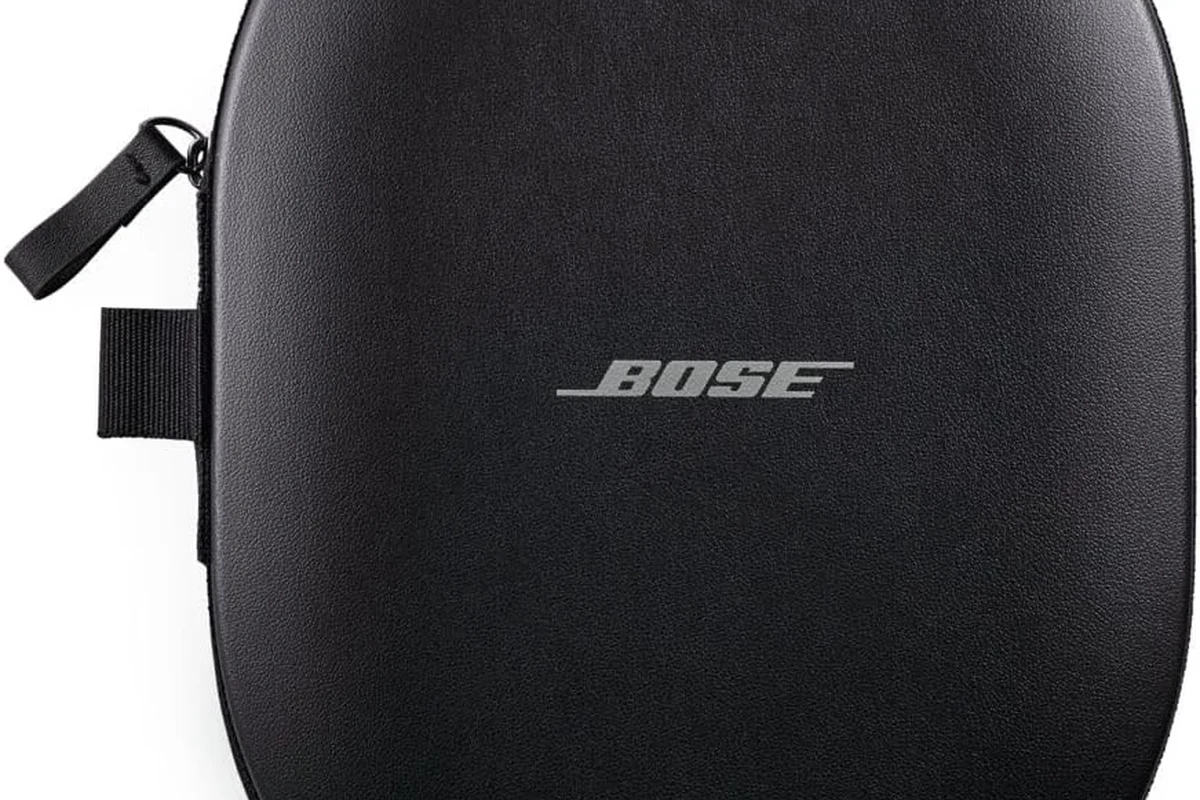
The short version is simple: Bose headphones should sit in the case naturally, not be pressed into place. If the lid or zipper does not close easily, the headphones are probably rotated the wrong way or the wrong case is being used.
That matters because over-ear headphones have hinges, cushions, and sometimes rotating earcups that can be stressed by bad storage. If you use wireless models often, it also helps to think about battery care and safe packing habits, especially for travel and daily commuting.
Case fit can vary by Bose model, even within the same product family. Always check the intended storage orientation before closing the case.
If you’re still learning the basics of headphone types, it can help to review types of headphones explained before comparing Bose over-ear, on-ear, and earbud storage styles. You may also want a refresher on noise cancelling headphones if your Bose model uses ANC features.
Identify Your Bose Headphone Model Before Closing the Case
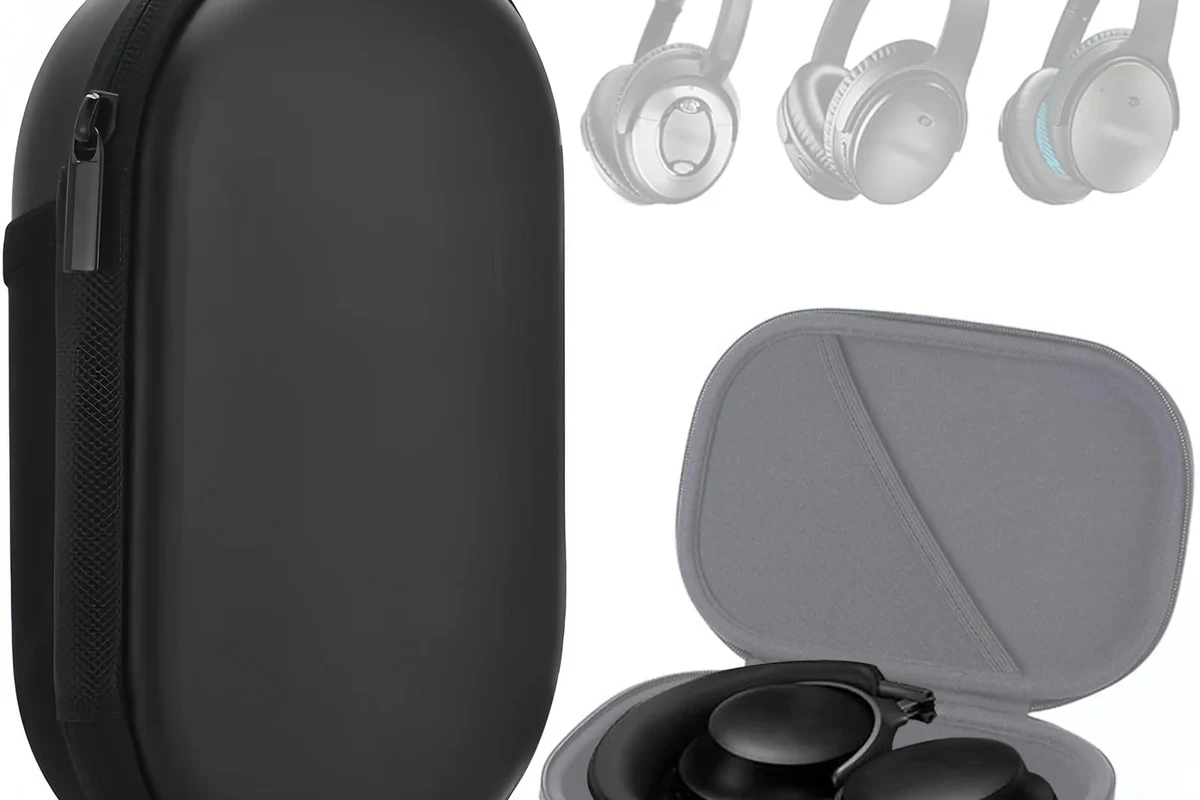
Before you pack Bose headphones away, identify the exact model. Bose QuietComfort, Noise Cancelling Headphones 700, and QuietComfort Ultra Headphones may look similar at a glance, but the case shape and folding position can differ.
Over-ear Bose QuietComfort and Noise Cancelling Headphones
Most full-size Bose headphones are designed to fold or rotate in a specific direction so the earcups lie flat in the molded case. The safest approach is to place the earcups where the case naturally supports them, then close the lid without pressing down on the headband.
Foldable vs. non-foldable Bose designs
Some Bose models fold more compactly, while others rely on rotating earcups rather than a deep folding hinge. If you try to force a non-foldable design into a small shell, you can stress the hinge or twist the frame.
Why model-specific fit matters for case storage
Model-specific fit matters because a case that is even slightly too small can compress the cushions and shift the headband out of alignment. Over time, that can make the headphones feel less comfortable and may shorten the life of the ear pads and hinge points.
Many headphone cases are shaped to protect the most fragile parts first, such as hinges and earcups, not just to keep the headphones from moving around.
Step-by-Step: How to Put Bose Headphones in Case the Right Way
If you want a repeatable method, use the same packing sequence every time. That makes it easier to spot when something is off before you zip or latch the case shut.
Set each earcup into its molded space or designated side of the case. The cushions should sit evenly, without being folded inward or pinched at the edges.
Follow the headphone’s natural folding direction, then let the headband rest where the case supports it. If you feel resistance, stop and recheck the orientation instead of pushing harder.
Store small accessories in the accessory pocket if the case has one. Do not place bulky charging bricks or tangled cables directly against the earcups.
Once the headphones sit flat, close the case gently. If the zipper catches or the latch needs pressure, reopen the case and adjust the fit before continuing.
If you travel often, pack the headphones the same way every time. Consistent placement reduces wear on hinges and makes it easier to notice when the case is no longer fitting properly.
Position the earcups correctly
Start with the earcups because they take the most pressure in the case. They should rest in the intended pockets or contours, with the cushions facing the right direction so they are not flattened unevenly.
Rotate or fold the headband as designed
Only rotate or fold the headband the way Bose intended for that model. If the frame feels stiff, do not twist it to “make it fit,” because that is one of the fastest ways to damage a hinge.
Place cables, adapters, and charging accessories separately
Accessories are easy to overlook, but they can create pressure points inside the case. A charging cable stuffed under an earcup can leave a dent in the cushion or push the headphones out of alignment.
Close the case without forcing the zipper or latch
A proper fit should close smoothly. If the case bulges, the headphones are likely seated incorrectly, or the case may not be designed for that exact Bose model.
Common Mistakes That Can Damage Bose Headphones or the Case
Most storage problems happen when people rush. Bose headphones are durable, but they still depend on hinges, padding, and precise case sizing to stay protected.
Forcing the headphones into the molded shell
If you have to press hard to get the headphones into the case, stop. Forcing the fit can bend the frame, strain the hinge, and create permanent pressure on the ear cushions.
Leaving the headphones slightly twisted or misaligned
A small twist may not seem serious, but it can stop the case from closing evenly. Over time, that uneven pressure can affect comfort and make the headphones sit oddly on your head.
Storing them with bulky accessories inside
Large adapters, thick charging blocks, or loosely coiled cables can push the headphones into a bad position. Keep accessories in their own pocket or in a separate pouch when possible.
Ignoring pressure on ear cushions and hinges
Ear cushions and hinges are among the first parts to show wear from poor storage. If you regularly close the case while the cups are compressed, the pads may flatten faster and the hinge may loosen sooner.
Never force a Bose headset into a case that feels too small. A tight fit may look harmless at first, but repeated pressure can damage the frame, cushions, and hinges.
Practical Storage Examples for Popular Bose Headphone Styles
Different Bose models behave a little differently in the case. These examples are general placement guides, but the exact fit may vary by version and case design.
Bose QuietComfort Ultra Headphones case placement example
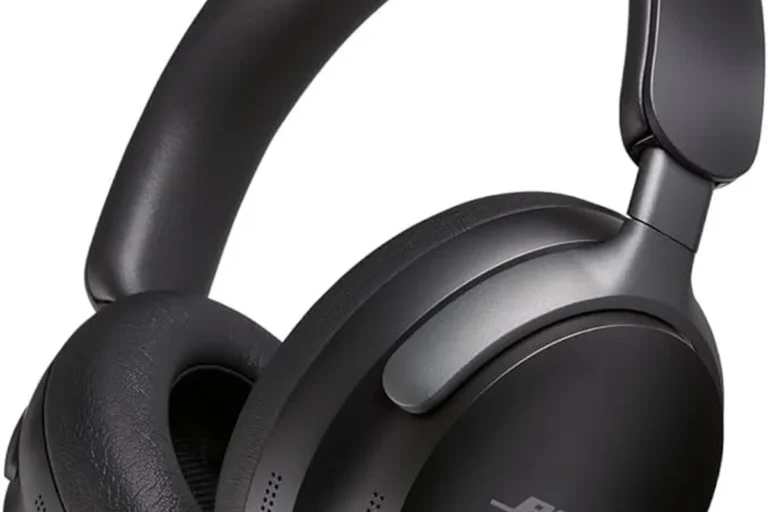
For a newer over-ear Bose model like the QuietComfort Ultra Headphones, the safest approach is usually to fold or rotate the earcups into the case’s molded shape, then let the headband rest naturally. If the lid closes without pressure, the placement is probably correct.
Bose Noise Cancelling Headphones 700 storage example
The Bose Noise Cancelling Headphones 700 are designed around a compact fold, so the earcups should be aligned before the headband is tucked into the case. If the cups sit crooked, the slim case can press against the side of the frame.
Bose QuietComfort Earbuds cases vs. full-size headphone cases
QuietComfort Earbuds use a charging case, which is very different from a full-size headphone case. Earbuds should be seated in their charging cradle, while over-ear headphones need room for hinges, earcups, and cushion clearance.
If you use Bose headphones for wireless listening, it may also help to understand the basics of Bluetooth headphones explained simply. And if you often switch devices, our guide on how to connect Bluetooth headphones can help you keep setup simple after unpacking.
Expert Advice: Protecting Bose Hinges, Cushions, and Battery Life in 2026
Good storage is not just about keeping headphones from getting scratched. It also helps protect the parts that affect daily comfort, long-term durability, and wireless reliability.
Why improper case storage shortens cushion and hinge lifespan
Ear cushions are made to seal around your ears, not to stay crushed inside a tight shell. If the case presses them too hard, they can lose shape faster, and the hinge may begin to feel loose or uneven.
Safe charging and battery storage habits before packing away
If your Bose headphones are wireless, it is smart to check battery level before storing them for long periods. Avoid leaving them fully discharged for extended storage, and follow the manufacturer’s charging guidance for your specific model.
Warning signs your headphones are not seated correctly
Common warning signs include a bulging case, a zipper that snags, earcups that feel tilted, or a lid that will not close without pressure. If any of these happen, reopen the case and reposition the headphones before traveling.
If you notice crackling hinges, uneven clamping force, or a battery that drains unusually fast after proper charging, consider contacting Bose support or an audio repair specialist. For hearing concerns, persistent ringing, or discomfort during listening, speak with an audiologist.
Listening at high volumes for long periods can cause hearing damage. Keep volume at 60% or below for extended sessions.
For readers comparing headphone styles, it can also help to understand the differences in fit and use cases between headphones vs earphones. Bose over-ear models are usually better for travel comfort and ANC, while smaller earbuds are easier to pack but offer a very different listening experience.
Replacement Cases, Third-Party Options, and Price Comparison
Sometimes the original case wears out before the headphones do. When that happens, the best replacement is the one that protects the model properly, not just the cheapest one available.
When to replace a worn Bose case
Replace the case if the zipper fails, the shell no longer holds its shape, or the interior padding has flattened enough that the headphones move around too much. A damaged case can be almost as risky as no case at all.
Official Bose case vs. budget third-party case fit
An official Bose case is usually the safest fit choice because it is designed for the model’s shape. Budget third-party cases can work, but fit and padding quality may vary, so check the interior dimensions carefully before buying.
What to look for in a travel case: padding, size, and durability
Look for a case with enough padding to absorb light bumps, a shell that matches the headphone’s fold, and a zipper or latch that closes smoothly. If you travel often, a durable outer shell and a secure accessory pocket are also useful.
If you are comparing Bose with other brands, the fit and case design can be just as important as sound quality. That is especially true for people who use headphones for commuting, office work, or long listening sessions, where comfort and protection matter every day.
Final Recap: The Safest Way to Store Bose Headphones Every Time
The safest way to put Bose headphones in case is to match the model’s intended fold or rotation, seat the earcups evenly, and close the case without pressure. If the case does not close naturally, do not force it.
Once you get used to the correct orientation, storage becomes quick and easy. More importantly, it helps protect the hinges, ear cushions, and overall fit so your Bose headphones stay comfortable and ready to use.
- Match the headphones to the case shape before closing.
- Seat earcups evenly and avoid twisting the frame.
- Keep bulky accessories out of the main headphone cavity.
- Never force a zipper or latch on a tight case.
Frequently Asked Questions
Wireless Bose headphones are usually more convenient for travel because they avoid cable clutter. Wired headphones can still be useful if you want simple plug-in use or never want to think about charging.
Noise cancelling features use battery power, so runtime can vary by model and settings. Turning ANC off or lowering volume may help extend listening time.
Closed-back headphones are usually better for travel because they block more outside noise and keep sound from leaking. Open-back models are better for home listening but are not ideal for noisy places.
Driver design, tuning, and frequency response all affect bass and clarity, but personal preference matters too. If you like stronger bass or more vocal detail, check reviews and EQ options before buying.
Look for a good fit, manageable weight, soft ear cushions, and a headband that does not clamp too hard. Comfort can vary by head shape, ear size, and how long you listen at a time.
Check fit, battery life, noise cancelling, Bluetooth support, and whether the case suits your travel habits. It also helps to compare comfort, durability, and how the headphones sound with your favorite music or podcasts.