Headphones Vs Earphones — Complete Guide

Headphones usually give you a bigger soundstage, better comfort for long sessions, and stronger passive isolation in closed-back models. Earphones are easier to carry, fit better for workouts and commuting, and can sound excellent too — especially modern in-ear monitors with good tips and tuning. The better choice depends on where you listen, how long you listen, and how much isolation or portability you need.
If you’re comparing headphones vs earphones, the right answer is not “one is always better.” I’ve tested both for commuting, gaming, travel, office work, workouts, and critical listening, and each format wins in different situations. The real difference comes down to fit, driver size, isolation, comfort, and how you use them day to day.
In this guide, I’ll break down the sound, comfort, noise isolation, portability, price, and real-world use cases so you can choose the type that actually fits your listening habits.
Headphones vs Earphones: What’s the Real Difference?
| Category | Headphones | Earphones |
|---|---|---|
| Fit | Over-ear or on-ear, worn around the ear | In-ear, seated in the ear canal |
| Portability | Less pocket-friendly | Very portable |
| Isolation | Depends on open-back or closed-back design | Usually strong passive isolation with a good seal |
| Soundstage | Usually wider and more open | Usually more intimate and inside-the-head |
| Comfort | Often better for long sessions | Often better for movement and travel |
Over-ear, on-ear, and in-ear designs
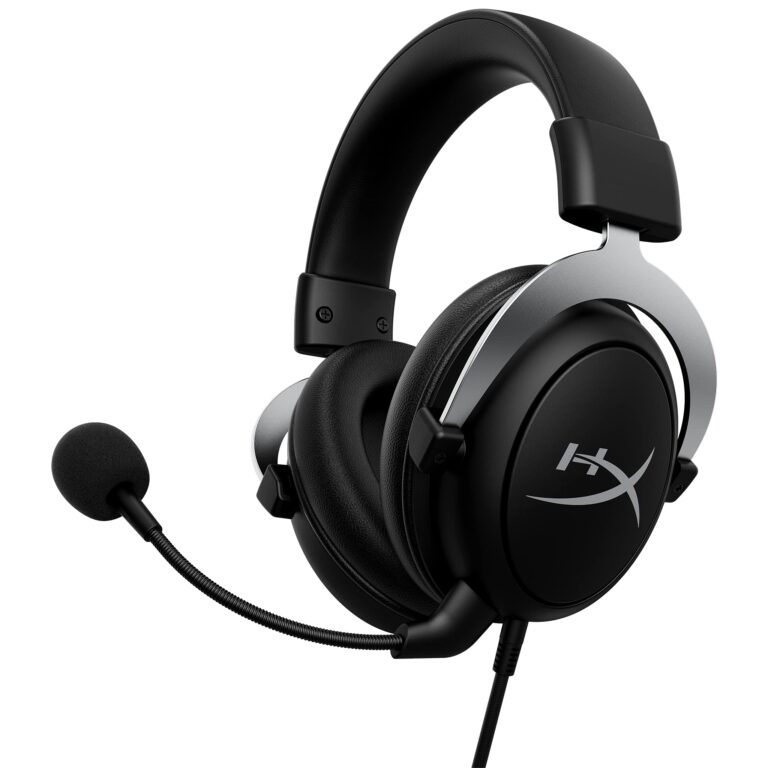
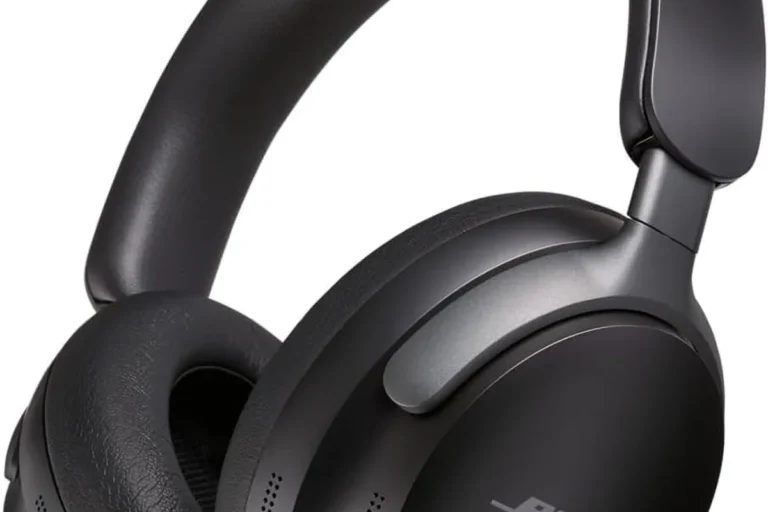
Headphones usually mean over-ear or on-ear models. Over-ear headphones surround the ear with large ear cups and thick pads. On-ear headphones rest on the ears, which makes them smaller but often less comfortable over time.
Earphones usually mean in-ear monitors, earbuds, or true wireless earbuds. They sit in or just outside the ear canal and rely on tip shape and fit to stay secure. That small size is what makes them so easy to carry.
How fit and form factor change the listening experience
Fit changes sound more than many people expect. A bad seal on earphones can thin out the bass and make vocals sound hollow. A poor headphone fit can reduce isolation and shift the tonal balance if the pads don’t sit evenly.
With earphones, the ear tip is part of the acoustic system. A better seal can change bass response and treble balance as much as a tuning tweak in the driver itself.
Where each type is most commonly used
Headphones are common for home listening, studio monitoring, gaming, and office use. Earphones are more common for travel, exercise, phone calls, and everyday mobile listening.
For a good overview of headphone design and terminology, I often point readers to manufacturer education pages like Sennheiser’s headphone and audio resources, which explain how different form factors affect sound and fit.
Headphones vs Earphones: Sound Quality Differences You’ll Notice
| Sound trait | Headphones | Earphones |
|---|---|---|
| Bass impact | Can feel larger and more physical | Can be deep and punchy with a good seal |
| Soundstage | Usually wider and more natural | Usually narrower and more intimate |
| Imaging | Often easier to place instruments in space | Can be very precise, but more in-head |
| Detail | Strong in full-size open-back models | Strong in well-tuned IEMs and earbuds |
Bass response and low-end impact
Headphones often deliver bass with more physical scale because larger ear cups can create a more spacious acoustic chamber. Closed-back models can give you a stronger thump, while open-back headphones usually sound cleaner and less bloated.
Earphones can still produce excellent bass, but the seal matters a lot. If the tips do not fit well, bass response drops fast. That is why many in-ear models come with multiple tip sizes.
Soundstage and instrument separation
Soundstage is one of the biggest differences I hear. With open-back headphones, music often feels wider and airier, which helps orchestral tracks, live recordings, and gaming. Earphones tend to place the sound closer to your head, so the presentation feels more intimate.
Imaging can be strong on both, but headphones usually make it easier to hear left-right placement and depth. If you want a deeper explanation of how stereo presentation and headphone performance are measured, the Audio Engineering Society is a solid technical reference point.
Clarity, detail, and vocal presentation
Good earphones can sound extremely detailed because the driver sits so close to the eardrum. That close coupling can make vocals and small details pop. The tradeoff is that the presentation can feel less open than full-size headphones.
Headphones often sound more relaxed and natural on long sessions. I usually find that cymbals, reverb tails, and backing layers are easier to follow on a good open-back headphone, while earphones can make midrange details feel more immediate.
How driver size affects performance
Driver size matters, but it is not the whole story. Many headphones use 40 mm to 50 mm dynamic drivers, while earphones often use much smaller dynamic drivers or balanced armatures. Larger drivers can move more air, which helps with scale and low-end weight, but tuning and enclosure design matter just as much.
Specs like frequency response do not guarantee Sound Quality on their own. A well-tuned 10 mm earphone can sound better than a poorly tuned large headphone driver.
Headphones vs Earphones: Comfort, Fit, and Long-Term Wear
- Light clamp force and soft pads on headphones
- Multiple ear tip sizes on earphones
- Stable fit without pressure points
- Hot ears after 30 minutes
- Ear tips that constantly slip out
- Headband pressure or sore jaw area
Which is more comfortable for long listening sessions
For me, over-ear headphones usually win for long desk sessions. They spread pressure around the ear instead of pressing into the canal, so I can listen for hours with less fatigue. That said, the best earphones can also be very comfortable if the tips and nozzle angle suit your ears.
Heat, pressure, and ear fatigue differences
Headphones can trap heat around the ears, especially in warm rooms or with thick pads. That can get annoying during summer or long editing sessions. Earphones avoid that heat buildup, but they can create ear-canal pressure if inserted too deeply or if the seal is too aggressive.
If earphones cause pain, do not “push through it.” A bad fit can lead to fatigue fast, and forcing a deeper seal usually makes the problem worse.
Fit stability during movement, workouts, and commuting
Earphones are usually better for movement. A secure in-ear fit stays put on trains, sidewalks, and gym floors much more easily than most headphones. Headphones can work for walking and commuting, but large cups are less stable when you are moving fast.
Headphones vs Earphones: Noise Isolation and Noise Leakage
Passive noise isolation in earphones
Earphones usually isolate well because they seal the ear canal. That seal blocks a lot of outside noise without needing active noise cancellation. In real life, this is why I like good earphones for buses, planes, and noisy streets.
Open-back and closed-back headphone differences
Closed-back headphones usually isolate better than open-back models. Open-back headphones let air and sound pass through the ear cups, which creates a more open sound but almost no isolation. If you listen at home in a quiet room, open-back designs can sound fantastic. If you need to block noise, closed-back is the safer choice.
Which leaks more sound in public or quiet spaces
Open-back headphones leak the most sound by far. Closed-back headphones leak less, but they can still be heard at moderate volume. Earphones usually leak the least, especially when they fit well. That makes them a better choice for libraries, offices, and shared spaces.
Headphones vs Earphones: Portability, Convenience, and Everyday Use
- Choose earphones if you want pocket-friendly carry
- Choose headphones if you want bigger comfort and easier handling
- Match the design to your daily routine
- Buy only based on driver size or marketing claims
- Ignore fit, because fit changes sound and comfort
- Assume wireless always means better convenience
Pocketability and travel-friendliness
Earphones are much easier to carry. A small case or even a pocket is enough. Headphones need more space, and even foldable models take up more room. If you travel light, earphones are the obvious convenience winner.
Wired vs wireless convenience
Wireless earphones are often the most convenient option for phones and commuting. Bluetooth support matters here. Look for the codecs your device supports, such as AAC for iPhone users and aptX or LDAC on compatible Android devices. Codec support does not make a bad tuning good, but it can help preserve audio quality over Bluetooth.
Battery life considerations for wireless models
Wireless earphones usually need shorter charging cycles but smaller batteries. Wireless headphones often last longer per charge because they have more room for a larger battery. If you hate charging gear often, full-size wireless headphones can be easier to live with.
Headphones vs Earphones: Which Is Better for Gaming, Travel, Gym, and Office Use?
Best choice for gaming and spatial awareness
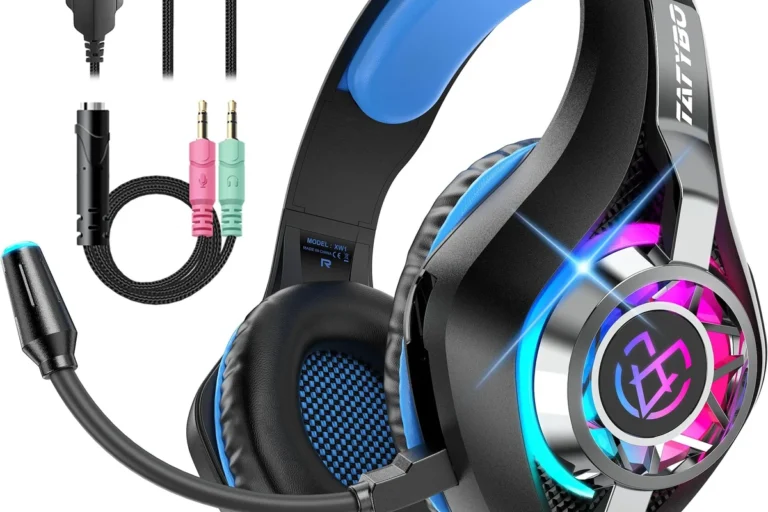
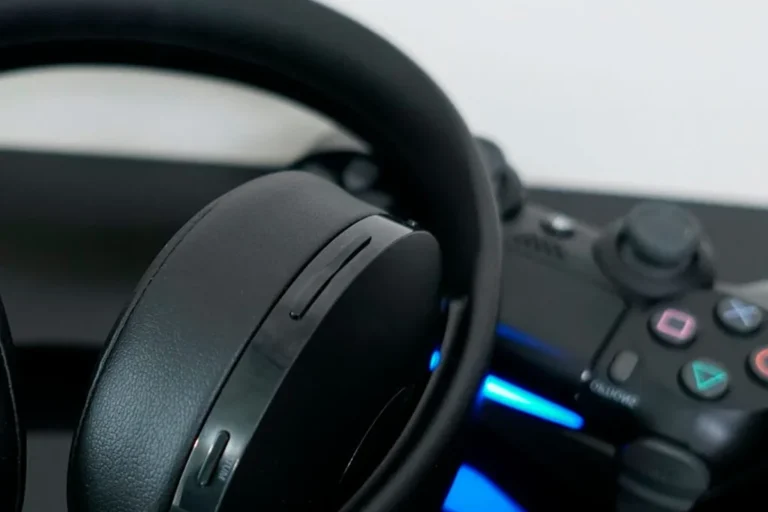
For most gaming setups, I prefer headphones. Open-back headphones can give you a wider stage and better positional cues in competitive games. That helps with directionality, distance, and environmental cues. Earphones can still work well, especially for console or mobile gaming, but the presentation is usually more inside your head.
Best choice for flights, trains, and commuting
For travel, I usually lean toward earphones with strong passive isolation or headphones with active noise cancellation. Earphones are easier to pack and can be more discreet, while ANC headphones often do a better job with low-frequency engine noise. If you fly often, the comfort of a good ANC headphone can be worth the extra size.
Best choice for exercise and active use
Earphones win for the gym. They stay in place better, handle sweat-friendly use more easily, and do not bounce around like larger headphones. I would only recommend headphones for workouts if you are doing low-movement activities and you already know the fit works for you.
Best choice for work calls and all-day office wear
For office use, I usually prefer lightweight headphones or comfortable wireless earphones with a stable microphone and good battery life. Headphones can be more comfortable at a desk, but earphones are easier to wear during calls and quick breaks. If your office is noisy, isolation matters more than the form factor alone.
Headphones vs Earphones: Price, Durability, and Value for Money
Entry-level vs premium pricing differences
Both categories start cheap, but the pricing curve is different. Earphones often deliver strong value at lower prices because there is less material in the shell and headband. Headphones tend to cost more as you move into premium build quality, larger pads, and advanced wireless features like ANC.
Repairability, cable wear, and replacement tips
Wired earphones can suffer from cable strain near the plug or y-split, while headphones can wear out at the headband, hinges, or ear pads. Replaceable pads are a big plus on headphones. For earphones, detachable cables are a smart buy if you want longer life.
Which offers better value for casual listeners vs audiophiles
For casual listeners, earphones often give the best bang for the buck because they are portable and sound good straight from a phone. For audiophiles, headphones can be the better long-term value if you want a more spacious presentation and are willing to pair them with a proper DAC or amp.
Headphones vs Earphones: Pros and Cons Side-by-Side
Headphones pros and cons
- Usually more comfortable for long sessions
- Wider soundstage on many models
- Better choice for home listening and gaming
- Less portable than earphones
- Can get hot or heavy over time
- Open-back models leak sound heavily
Earphones pros and cons
- Easy to carry anywhere
- Good isolation with the right tips
- Great for commuting and workouts
- Fit can be hit or miss
- Some listeners dislike in-ear pressure
- Soundstage is usually less spacious
Best use cases for each based on listener priorities
If your priority is comfort, home use, and a spacious sound, I would lean headphones. If your priority is portability, isolation, and convenience, I would lean earphones. If you want one device for everything, a good wireless earphone or a closed-back wireless headphone is usually the most practical compromise.
- Always test fit before judging sound, especially with earphones.
- For headphones, check clamp force and pad depth, not just driver size.
- If you listen in public, prioritize isolation over raw frequency response.
- For Bluetooth use, match codec support to your phone and headphones.
- Replace worn pads or tips before assuming the product has “lost bass.”
If you want one recommendation from me, buy headphones for relaxed listening at home and earphones for life on the move. That split gives you the best real-world experience because each format plays to its strengths instead of forcing one device to do everything.
Headphones vs Earphones FAQ: Common Buyer Questions Answered
Not always. Headphones usually have the edge in soundstage and comfort, but a well-tuned pair of earphones can match or beat many headphones for detail and tonal balance. Fit and tuning matter more than the category alone.
Neither is automatically safer. Hearing safety depends mostly on volume and listening time. Earphones can sound louder at the same device setting because they sit closer to the ear and isolate well, so be careful with volume.
It depends on build quality and how you treat them. Headphones often have replaceable pads and stronger service life, while earphones can last a long time if the cable and tips are well made. Cheap models in either category can fail early.
Both work well, but earphones are usually more convenient with phones. Headphones are often better for laptops, especially for long sessions, calls, and media. For wireless use, check Bluetooth codec support and battery life.
For most commuters, earphones are the easier choice because they are compact and isolate well. If your commute is very noisy, a good ANC headphone can also be excellent, especially on planes and long train rides.
Choose headphones if you want bigger sound, better long-session comfort, and a more spacious presentation. Choose earphones if you want portability, strong isolation, and a secure fit for travel or exercise. The best pick is the one that matches how and where you actually listen.
Headphones vs Earphones: Which Should You Choose?
If you listen mostly at home, work at a desk, or care most about soundstage and comfort, I’d start with headphones. If you commute, travel, work out, or want something easy to carry every day, earphones make more sense.
My honest take: there is no universal winner. I would rather see someone buy the right form factor and a well-tuned model than overspend on the wrong one. That is the difference between gear you enjoy daily and gear that ends up in a drawer.
- Headphones usually offer a wider soundstage and better long-session comfort.
- Earphones are more portable and often better for commuting and workouts.
- Fit affects sound quality more than many buyers realize.
- Closed-back headphones and earphones isolate better than open-back headphones.
- The best choice depends on your listening environment and daily routine.