Wired Vs Wireless Headphones: Which Is Best?

Wired vs wireless headphones: Wired deliver stable sound; wireless offers freedom and smart features.
I’ve spent years testing audio gear, reviewing dozens of wired vs wireless headphones, and helping friends pick the right pair. This guide breaks down real differences, practical trade-offs, and buying tips so you can choose the best option for your ears, lifestyle, and budget. Expect clear comparisons, user-focused advice, and honest pros and cons based on real use.
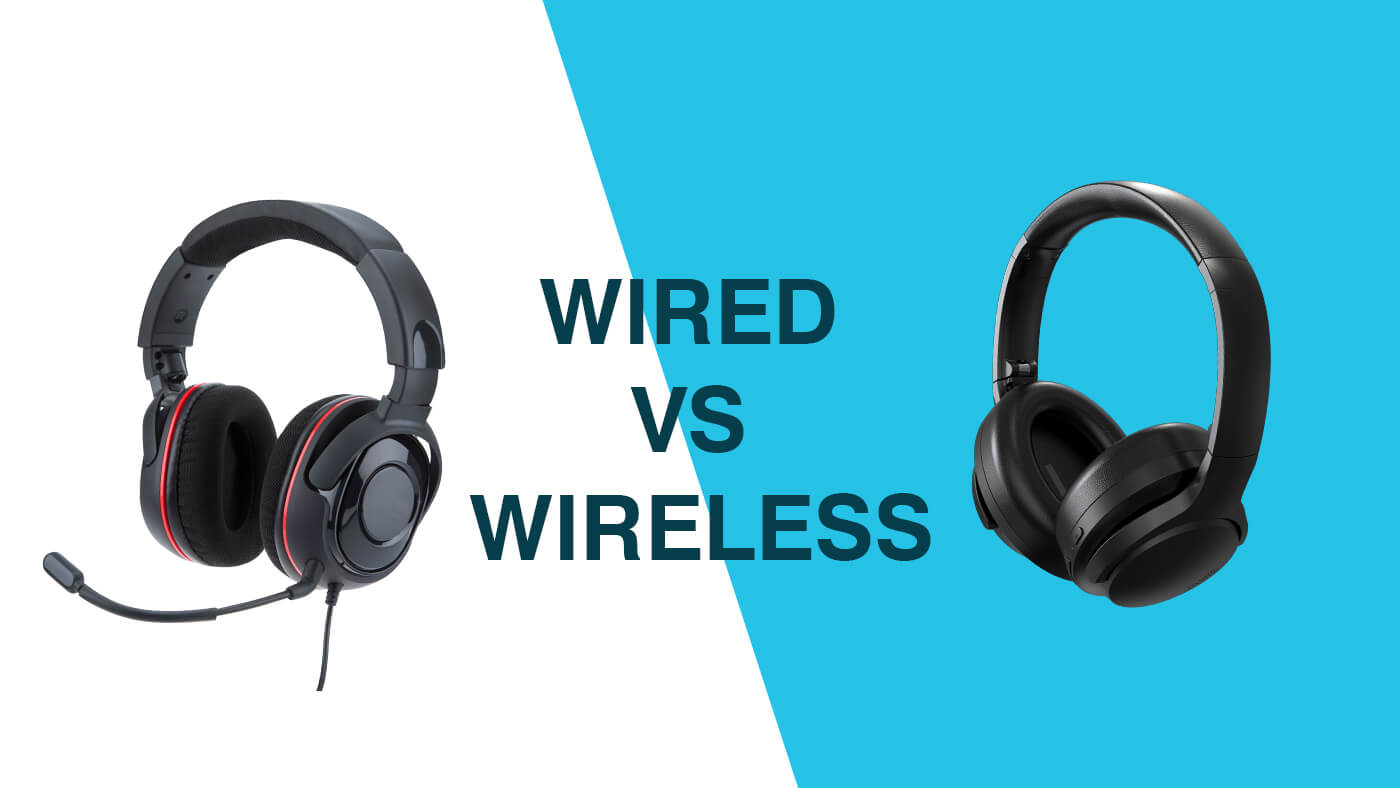
How wired vs wireless headphones work
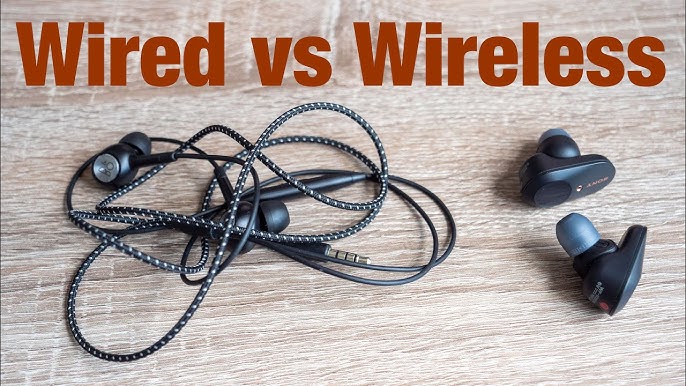
Wired vs wireless headphones differ most at the connection layer. Wired models use a physical cable to send an analog or digital signal directly to the drivers. Wireless models use a radio link, most commonly Bluetooth, to transmit compressed audio from a source to the headphones.
Key technical points
- Wired headphones send uncompressed or minimally processed audio through a cable, which can preserve fidelity.
- Wireless headphones encode audio for transmission, usually using Bluetooth codecs like SBC, AAC, aptX, or LDAC.
- Wireless introduces potential latency and compression. Modern codecs and hardware have reduced these issues significantly.
Why the difference matters
- Wired vs wireless headphones affect sound consistency, latency, and device compatibility.
- For studio work, wired often remains the safe choice. For commuting or workouts, wireless usually wins for convenience.
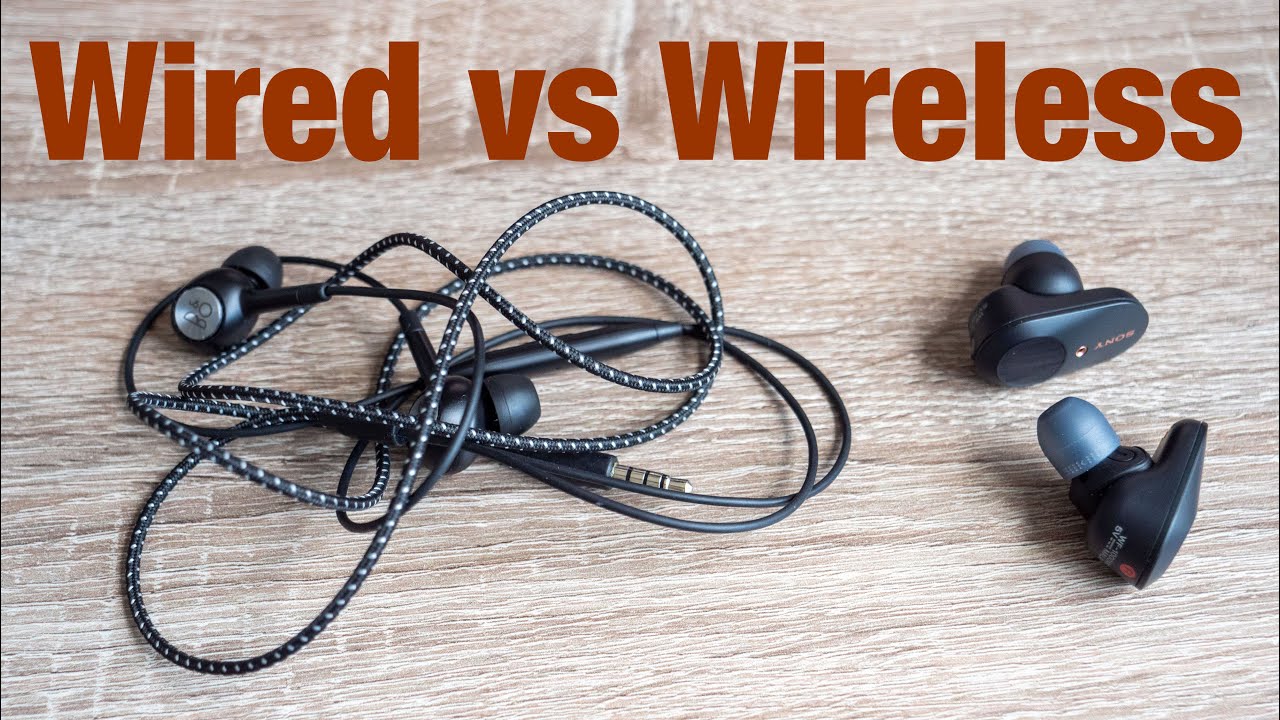
Sound quality and latency: comparing wired vs wireless headphones
Sound quality is often the first thing people ask about in the wired vs wireless headphones debate. Short answer: wired often has an edge in raw fidelity, but high-end wireless can match or come very close.
Factors that influence sound
- Drivers and tuning determine tonal balance more than cable type.
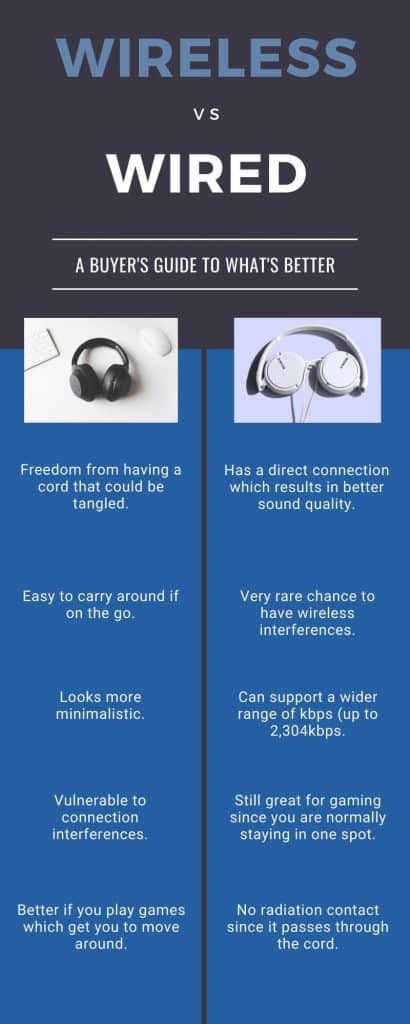
- Wired connection can avoid codec-related compression, preserving detail.
- Wireless quality depends on Bluetooth version and codec support.
Latency and its impact
- Wired latency is negligible. This is vital for live audio work and gaming.
- Wireless latency varies. Bluetooth offers low enough delay for music and video if you use aptX Low Latency, LC3, or similar codecs.
- For competitive gaming or audio production, wired is safer when exact timing matters.
Practical examples
- Listening to lossless files on a wired system can reveal subtle details.
- High-end wireless headphones with LDAC or aptX Adaptive can be indistinguishable from wired in daily use.
Battery life, convenience, and daily use
Battery and convenience often decide the wired vs wireless headphones choice for most people. Wireless headphones add batteries and charging, while wired headphones do not.
Battery and charging
- Wired headphones never run out of power, aside from inline amplification.
- Wireless models require charging. Typical true wireless earbuds last 5–10 hours per charge. Over-ear wireless models may last 20–40 hours.
- Fast charging features can add several hours of playtime in 10–15 minutes.
Convenience and portability
- Wireless headphones remove cable tangles and allow freedom of movement.
- Wired headphones can be simpler to use. Plug and play is straightforward on many devices.
- Some phones no longer include headphone jacks, pushing users toward wireless or adapters.
Real-life trade-offs
- For travel, wireless ease often beats wired fidelity.
- For long studio sessions, wired is more reliable and comfortable for constant reference listening.
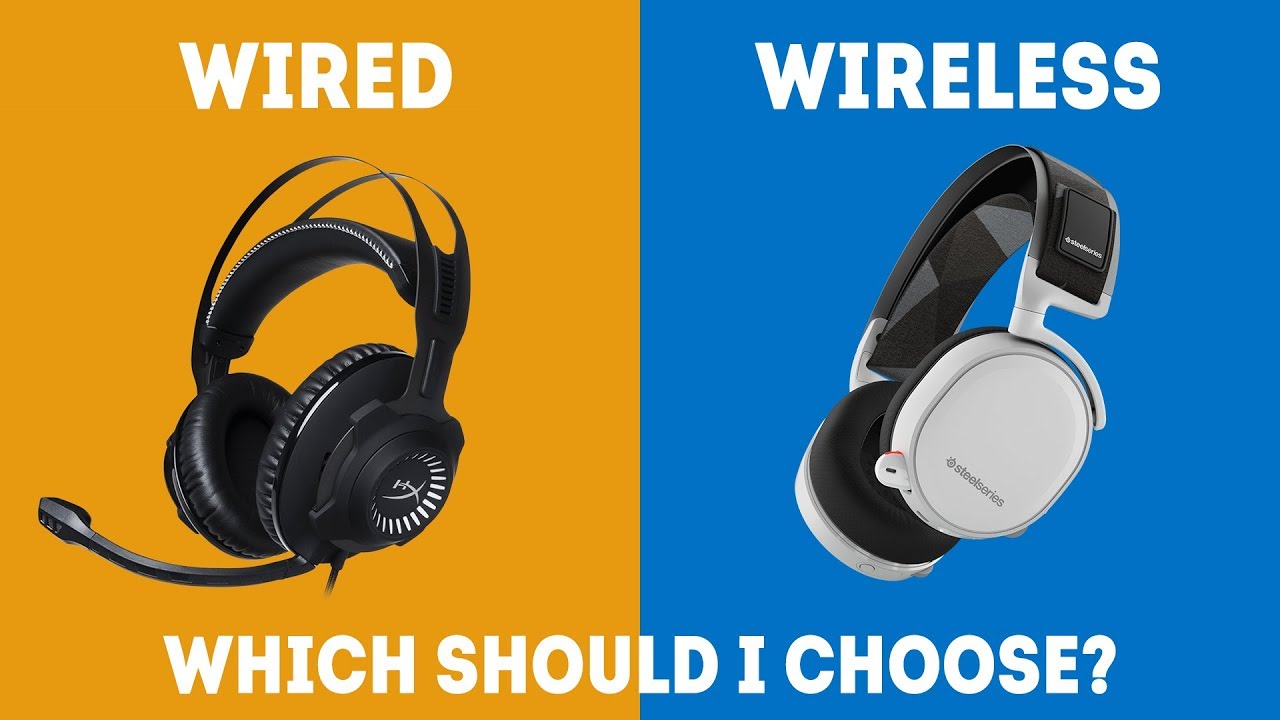
Durability, repairs, and long-term value
Longevity and repairability influence which option is the better long-term investment in the wired vs wireless headphones debate.
Durability factors
- Wired headphones can suffer from cable fray and connector issues. Replacing a cable is often cheaper than replacing the whole unit.
- Wireless headphones can fail in other ways, such as battery degradation or internal electronics failing over time.
Repair and upgradeability
- Wired models with detachable cables and replaceable pads offer the most repair options.
- Wireless models often have non-replaceable batteries and sealed electronics, which can limit lifespan.
Cost-per-year perspective
- A well-built wired headphone can last many years with minimal cost.
- Wireless models may require replacement sooner due to battery life, but they deliver modern features that some people need.
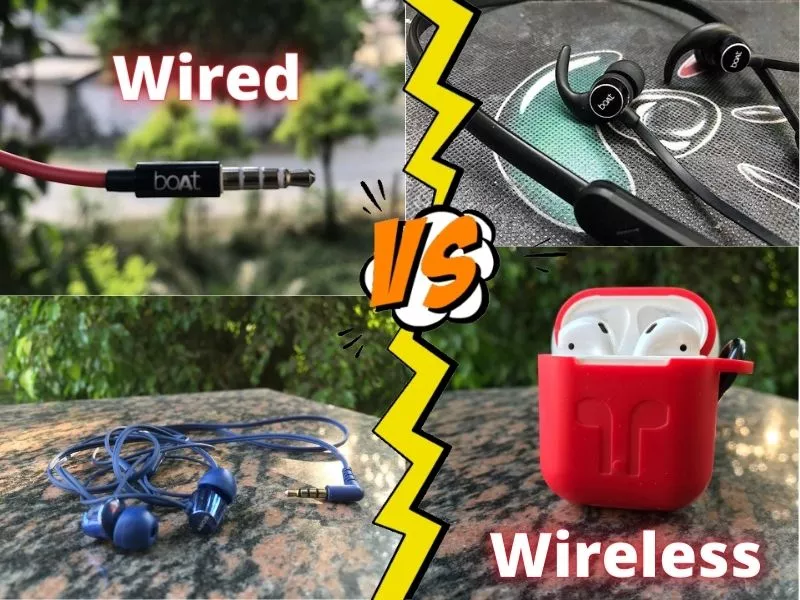
Use cases: who should choose wired vs wireless headphones
There’s no one-size-fits-all choice. Your lifestyle determines whether wired vs wireless headphones are better for you.
Choose wired if you:
- Work in audio production or do critical listening and need exact timing.
- Want a durable setup with simple repair options.
- Prefer not to worry about charging.
Choose wireless if you:
- Commute, work out, or move around often and want freedom from cables.
- Use mobile phones without a headphone jack.
- Value integrated smart features like active noise canceling and voice assistant integration.
Hybrid approaches
- Use wired for studio or home listening and wireless for travel.
- Keep a small wired pair in your kit as a backup for flights or when batteries die.
Buying guide: choosing between wired vs wireless headphones
Here’s a practical checklist to help you pick between wired vs wireless headphones.
Step-by-step shopping tips
- Define your main use case: commuting, studio, gaming, or workouts. This narrows the field fast.
- Check device compatibility: make sure your phone, laptop, or audio interface supports the headphone type.
- Prioritize features based on use: battery life, noise canceling, detachable cable, microphone quality, and latency.
- Try before you buy when possible: sound signature is personal and varies widely.
- Read return policies and warranty terms, especially for wireless models with batteries.
Budget-based recommendations
- Budget buyers: wired can offer better sound for less money.
- Midrange buyers: wireless gives great value with solid ANC and codec support.
- High-end buyers: either wired or wireless can be best; focus on driver quality and build.

People also ask — common quick questions about wired vs wireless headphones
What causes audio lag in wireless headphones?
Audio lag in wireless headphones usually comes from encoding, transmission, and decoding steps. Using low-latency codecs and modern Bluetooth versions reduces delay significantly.
Do wired headphones sound better than wireless?
Wired headphones can sound better because they avoid Bluetooth compression, but top-tier wireless models with advanced codecs can sound very similar in everyday listening.
Are wireless headphones bad for workouts?
Wireless headphones are usually better for workouts because they remove cables and improve mobility. Look for sweat resistance and secure fit when choosing workout models.
Can I use wired headphones with phones that lack a headphone jack?
Yes. Use a compatible adapter or digital-to-analog converter to connect wired headphones to phones without a headphone jack.
Will wireless headphones ever match wired fully?
Wireless technology continues to improve and many users find high-end wireless indistinguishable from wired. Battery and latency concerns remain the main differences.

My experience and field notes with wired vs wireless headphones
I’ve tested many wired vs wireless headphones across several scenarios. I’ll share what I learned and common mistakes to avoid.
Practical lessons
- Use wired for mixing and critical listening. It’s easier to trust what you hear.
- For commuting, wireless with ANC saved me time and reduced fatigue on long trips.
- Battery failure is real; I once had a favorite wireless pair lose half its runtime after two years.
Mistakes to avoid
- Don’t buy wireless solely because it’s trendy. Check codec and battery specs.
- Avoid wired models with fixed, thin cables if you need durability.
Quick tip
- Keep a short 3.5mm adapter or a USB-C-to-3.5mm dongle in your bag. It’s a simple backup that solves many problems.
Frequently Asked Questions of wired vs wireless headphones
Are wired headphones better for sound quality?
Wired headphones often provide clearer, uncompressed sound because they do not rely on Bluetooth codecs. High-end wireless can approach wired quality for most listeners.
How long do wireless headphone batteries last?
Battery life varies widely. True wireless earbuds often last 5–10 hours, while over-ear wireless models can last 20–40 hours per charge.
Can wired headphones work with modern phones without a jack?
Yes. Use a device-specific adapter or a DAC dongle to connect wired headphones to phones without a headphone jack.
Do wireless headphones have more latency than wired?
Wireless audio can introduce latency due to encoding and decoding. Low-latency codecs and recent Bluetooth versions reduce delay to nearly unnoticeable levels.
Which is better for gaming: wired or wireless?
For competitive gaming, wired is typically better due to minimal latency. For casual gaming, high-quality wireless with low-latency modes is often fine.
Conclusion
Choosing between wired vs wireless headphones comes down to priorities: sound fidelity and low latency versus convenience and mobility. Wired delivers reliable, repairable sound with no charging. Wireless brings freedom, modern features, and solid audio in daily life. Pick the type that matches how you use your headphones, and consider a hybrid approach for the best of both worlds. Try gear where you can, keep backups like adapters, and choose models with good warranties. If you found this helpful, share your experiences or ask questions in the comments — I’ll respond with tips tailored to your needs.