Over Ear Vs On Ear Vs In Ear: What Every Driver Should Know

If you want the simplest answer to over ear vs on ear vs in ear, I usually recommend over-ear headphones for the best comfort and soundstage, in-ear earbuds for the best isolation and portability, and on-ear headphones only if you specifically want a smaller, lighter headset. The “best” choice depends less on the spec sheet and more on how the fit changes comfort, bass, isolation, and how much sound leaks in or out.
I’ve spent years testing all three styles in real life: on commutes, at desks, in studios, at the gym, and during long listening sessions. The differences are bigger than many buyers expect, especially once you account for ear shape, seal, clamp force, and whether you listen wired or wireless.
In this guide, I’ll break down the real-world differences so you can choose the right headphone type for your needs without overpaying for features you won’t use.
Over Ear vs On Ear vs In Ear: What Each Headphone Type Actually Means
Over-Ear Headphones: How They Sit Around Your Ears
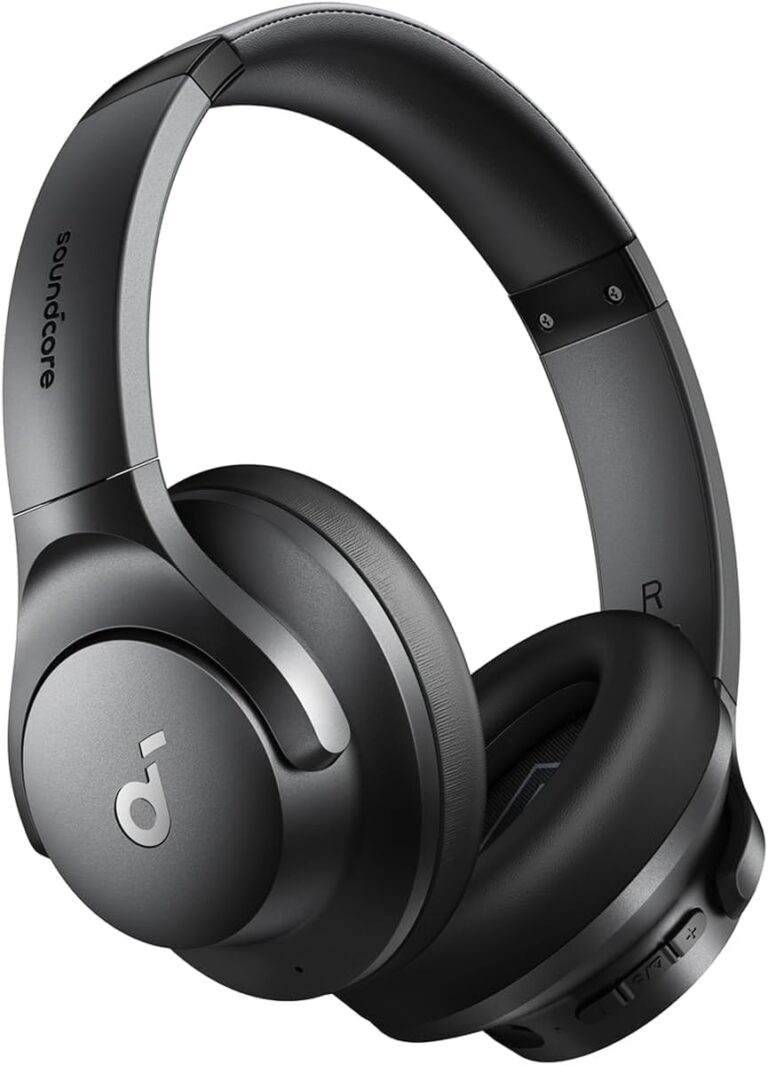
Over-ear headphones use large ear cups that surround your ears instead of pressing directly on them. The pads usually create a seal around the outer ear, which helps with comfort and passive isolation. This design is common in audiophile headphones, studio monitors, and premium wireless models.
In my experience, over-ear models tend to sound more spacious because the drivers sit farther from the ear and the cups can be larger. That extra space often helps with soundstage and imaging, though the tuning still matters more than size alone.
On-Ear Headphones: How They Rest on Your Ears
On-ear headphones are smaller. The ear pads rest directly on the outer ear, which makes them lighter and more compact than over-ear models. They’re a middle ground between full-size headphones and earbuds.
The tradeoff is pressure. Some people find on-ear headphones easy to wear for short sessions, but others get hot spots or soreness because the pads press on the ear cartilage. Fit is everything here.
In-Ear Earbuds: How They Fit Inside the Ear Canal
In-ear earbuds, often called IEMs or earbuds depending on the design, sit in or just at the entrance of the ear canal. Silicone or foam tips help create a seal, which is a huge part of their sound and isolation.
When the seal is right, in-ear models can deliver excellent bass, strong isolation, and very detailed sound from tiny drivers. When the fit is wrong, they can sound thin, lose bass, and become uncomfortable fast.
The same pair of in-ear earbuds can sound dramatically different depending on tip size and seal. A poor seal often reduces bass more than people realize.
Over Ear vs On Ear vs In Ear: Key Differences at a Glance
| Category | Over-Ear | On-Ear | In-Ear |
|---|---|---|---|
| Fit and Wearing Style | Ear cups surround the ears | Pads rest on the ears | Tips sit in or at the ear canal |
| Sound Isolation and Leak | Good to very good, depends on seal | Usually moderate to weak | Often best passive isolation |
| Comfort for Long Listening Sessions | Usually best for long use | Varies a lot by clamp force | Can be very comfortable or fatiguing |
| Portability and Travel Convenience | Least portable | More portable than over-ear | Most portable |
| Typical Sound Signature and Bass Response | Wide, full, often stronger bass | More direct, bass depends on seal | Can be highly detailed with strong bass if sealed well |
| Price Range and Value | Wide range, from budget to flagship | Usually fewer premium options | Huge range, from cheap to high-end audiophile |
Fit and Wearing Style
Over-ear headphones distribute pressure around the ear. On-ear models concentrate pressure on the ear itself. In-ear earbuds rely on tip fit and canal seal. That one difference changes comfort, isolation, and even perceived bass.
Sound Isolation and Leak
In-ear earbuds usually block the most outside noise because they seal the ear canal. Over-ear headphones can isolate well too, especially with thick pads and a strong seal. On-ear models usually leak more and let in more outside sound.
Comfort for Long Listening Sessions
Over-ear headphones are usually the safest bet for long sessions because they avoid direct pressure on the ear. On-ear headphones can feel fine for an hour, then start to bother you. In-ear earbuds depend heavily on tip shape and insertion depth.
Portability and Travel Convenience
In-ear earbuds win for pocketability. On-ear headphones are easier to carry than over-ear models, but they still take space. If you travel light, earbuds are usually the easiest to live with.
Typical Sound Signature and Bass Response
Over-ear headphones often give you the most natural sense of space and the easiest time producing deep bass without feeling cramped. In-ear earbuds can also deliver excellent bass, but only when the seal is right. On-ear headphones tend to sound smaller and can lose low-end weight if the pads don’t seal well.
Price Range and Value
All three categories have budget and premium options, but value works differently. Cheap over-ear headphones can still be very comfortable. Cheap in-ear earbuds can sound surprisingly good if the fit is right. Cheap on-ear headphones are the hardest to recommend because comfort and isolation often suffer first.
Over Ear vs On Ear vs In Ear: Sound Quality Differences You’ll Notice
Soundstage and Imaging in Over-Ear Headphones
Over-ear headphones usually have the edge in soundstage, which is the sense of width and space in the music. They also tend to image better, meaning it’s easier to place instruments and effects across the left-right field. That matters for orchestral music, live recordings, and gaming.
That said, not every over-ear model sounds spacious. Driver tuning, cup design, and pad depth all affect the result. A well-tuned in-ear monitor can still beat a mediocre over-ear headphone for imaging precision.
Bass Depth and Punch in On-Ear Headphones
On-ear headphones can deliver punchy bass, but the low end often depends on how well the pads sit against your ears. Because the seal is less consistent, bass can fluctuate when you move your head or wear glasses. That makes them less predictable than over-ear or in-ear models.
When I compare them side by side, on-ear headphones often sound energetic in the mids and upper bass, but they rarely match the deep sub-bass authority of a good over-ear or sealed in-ear design.
Detail and Clarity in In-Ear Earbuds
In-ear earbuds can sound incredibly detailed because the drivers are close to the eardrum and the seal cuts down outside noise. This makes small textures, vocal breaths, and reverb tails easier to hear at lower volumes.
For critical listening, I often find in-ears especially useful in noisy environments. The isolation lets me hear details without turning the volume up, which is better for long-term hearing safety.
How Driver Size and Seal Affect Sound
Driver size matters, but not in the simplistic “bigger is always better” way people assume. Over-ear headphones often use larger dynamic drivers, which can move more air and help with bass and scale. In-ear earbuds use much smaller drivers, but a tight seal can make them sound far fuller than their size suggests.
Seal is the real hidden variable. A loose seal on any headphone type can destroy bass balance and skew the whole frequency response. That’s why fit matters more than spec-sheet wattage or marketing claims.
If you want to understand how earphone and headphone tuning is measured, the Audio Engineering Society is a strong reference point for audio standards and research. It’s not a consumer buying guide, but it’s a credible place to see how seriously the industry treats measurement and perception.
Why Fit Changes Audio More Than Many Buyers Expect
I’ve had expensive headphones sound mediocre simply because the pads were worn out or the tips were the wrong size. I’ve also heard modest-priced models sound excellent once the fit was dialed in. For over-ear headphones, pad condition and clamp force matter. For in-ears, tip material and insertion depth matter. For on-ears, pad pressure and ear shape matter most.
Don’t judge a headphone by a quick 30-second listen with a bad fit. A poor seal can make a good model sound weak, thin, or harsh.
Over Ear vs On Ear vs In Ear: Comfort, Pressure, and Fatigue
Why Over-Ear Models Usually Feel Best for Long Sessions
Over-ear headphones usually win on comfort because the pads spread pressure around the ear rather than on it. Good models also use balanced clamp force, breathable pads, and enough cup depth to avoid touching the ear.
For desk work, editing, and long music sessions, this is the style I reach for most often. If a headphone is going to disappear on my head for three hours, it’s usually an over-ear design.
Why On-Ear Headphones Can Cause Hot Spots or Clamp Fatigue
On-ear headphones are compact, but that compactness comes with pressure. The pads press on cartilage, and that can create hot spots. If the clamp force is too strong, the fatigue shows up quickly.
Some people love the direct, open feel of on-ear headphones. I just find they’re more sensitive to head shape than the other two categories.
Why In-Ear Earbuds Can Be Comfortable or Fatiguing Depending on Tips
With in-ear earbuds, comfort depends on the tip, nozzle shape, and how deep they sit. Foam tips can feel softer and isolate well, while silicone tips usually feel cleaner and easier to insert. A bad tip choice can make even a great earbud feel irritating.
Deep insertion is not for everyone. Some listeners love the secure fit; others feel pressure in the ear canal. There’s no universal winner here.
Ear Size, Glasses, and Sensitive Ears: What Matters Most
If you wear glasses, over-ear headphones with soft pads and a forgiving clamp are usually the easiest to live with. On-ear headphones can press against the arms of the glasses and get uncomfortable fast. In-ear earbuds avoid that issue entirely, but some people are sensitive to in-canal pressure.
For sensitive ears, I usually suggest trying over-ear first. If portability matters more, choose in-ear with multiple tip sizes and a return policy.
Over Ear vs On Ear vs In Ear: Noise Isolation and Noise Leakage
Passive Isolation in In-Ear Earbuds
In-ear earbuds often provide the strongest passive isolation because they physically block the ear canal. That makes them excellent for commuting, flights, and noisy offices. A strong seal can cut a surprising amount of background sound without any active noise cancellation.
Seal Quality in Over-Ear and On-Ear Headphones
Over-ear headphones can isolate well if the pads fully seal around the ear and the cups have enough depth. Closed-back models usually isolate better than open-back ones. On-ear headphones, by contrast, are more likely to let sound in and out because they sit on the ear rather than around it.
For product-specific isolation claims, I always prefer checking manufacturer documentation and independent measurements from trusted review outlets like SoundGuys headphone and earbud measurements, since real-world seal and ANC performance can vary a lot by head shape and fit.
Which Type Leaks the Most Sound
On-ear headphones usually leak the most, especially at higher volumes. Open-back over-ear headphones can also leak a lot, but that’s by design. In-ear earbuds usually leak the least because the seal keeps sound contained inside the ear canal.
Best Choice for Offices, Public Transit, and Shared Spaces
For offices and public transit, I usually lean toward in-ear earbuds or closed-back over-ear headphones with good isolation. On-ear headphones are the least ideal if you need privacy or don’t want to disturb people nearby.
Active noise cancellation helps, but it does not replace a good physical seal. A well-sealed passive design often makes ANC work better too.
Over Ear vs On Ear vs In Ear: Which Is Best for Your Use Case?
Best for Home Listening and Music Critical Listening
For home listening, I usually recommend over-ear headphones first. They give you the most natural comfort and often the widest soundstage. If you want high isolation for focused listening, a good in-ear monitor can also be excellent.
For critical listening, I care about tonal balance, imaging, and how the headphone handles vocals and treble. That’s where well-tuned over-ear and in-ear models usually shine.
Best for Commuting, Travel, and Gym Use
For commuting and travel, in-ear earbuds are usually the easiest choice because they are compact and isolate well. If you prefer headphones over earbuds, a foldable over-ear model with ANC is a strong alternative.
For the gym, I almost always prefer in-ear earbuds. They stay put better, handle sweat more easily, and don’t bounce around as much as larger headphones.
Best for Gaming, Calls, and Work-from-Home
For gaming, over-ear headphones usually offer the best mix of comfort, imaging, and mic placement. A good open-back over-ear model can make positional cues easier to hear in competitive games, while closed-back models are better if you need isolation.
For calls and work-from-home, I like either over-ear or in-ear models with solid microphone performance. If you’re wearing them all day, comfort should come first.
Best for Running, Workouts, and Active Lifestyles
In-ear earbuds are the clear winner for running and workouts. They’re lighter, more secure, and less likely to shift as you move. On-ear and over-ear headphones can work for some people, but they’re usually less practical during high movement.
Best for Kids, Students, and Casual Listening
For kids and students, I usually look for simple, durable over-ear or on-ear models with volume limiting or safe listening features. For casual listening on a phone or tablet, in-ear earbuds are the most convenient if the listener is comfortable with the fit.
Over Ear vs On Ear vs In Ear: Battery Life, Wired Options, and Device Compatibility
Wireless Over-Ear Headphones and Battery Tradeoffs
Wireless over-ear headphones usually have the biggest batteries, so they often deliver the longest runtime. The tradeoff is size and weight. Add ANC, larger drivers, and Bluetooth electronics, and the cups get bulkier.
If you want long battery life and long-haul comfort, over-ear wireless models are often the best compromise.
Wireless In-Ear Earbuds and Charging Case Convenience
Wireless in-ear earbuds rely on a charging case, which makes them easy to top up on the go. The earbuds themselves usually have shorter single-charge battery life than over-ear headphones, but the case extends total use time significantly.
That case-based design is one reason true wireless earbuds are so popular for commuting and workouts.
Wired Models, Adapters, and DAC/Amp Considerations
Wired headphones still matter, especially if you want lower latency for gaming, reliable studio use, or compatibility with older gear. Some over-ear and in-ear models scale nicely with a DAC/amp, especially higher-impedance or less efficient headphones.
If you’re using a laptop or phone with a weak output stage, a small DAC can help maintain cleaner volume and better dynamic range. But don’t expect a DAC to fix bad tuning or a poor fit.
Bluetooth Codecs and Why They Matter Less Than Fit for Some Listeners
Bluetooth codec support can matter, especially for Android users who want higher-quality wireless options like aptX or LDAC, or for Apple users who rely on AAC. But codec differences are usually smaller than fit, tuning, and seal.
If you’re comparing wireless models, look at codec support as one part of the picture, not the whole story. A well-fitting AAC earbud often beats a poorly fitting LDAC model in real listening.
When testing headphones, use one familiar track with vocals, one with deep bass, and one with wide stereo effects. That makes it easier to hear differences in fit, imaging, and low-end control across all three styles.
- Try over-ear first if comfort matters most and you listen for more than an hour at a time.
- Choose in-ear earbuds if you need the best portability and isolation for travel or the gym.
- Skip on-ear headphones if you have sensitive ears or wear glasses for long sessions.
- Test multiple ear tips on in-ear models before deciding the sound is “thin” or “bass-light.”
- Use wired mode or a DAC/amp when you want the most stable, latency-free listening experience.
Pros and Cons of Each Headphone Type
- Over-ear: best comfort potential, strong soundstage, good isolation with closed-back designs
- On-ear: smaller and lighter than over-ear, easy to carry, simple fit for short sessions
- In-ear: strongest portability, excellent passive isolation, great for travel and workouts
- Over-ear: bulkier, warmer, less convenient to pack
- On-ear: pressure on the ear, more leakage, comfort varies a lot
- In-ear: tip fit issues, canal pressure, easy to lose if truly wireless
If a reader asks me for one “safe” recommendation without knowing their preferences, I usually point them to a well-reviewed closed-back over-ear headphone for home and desk use, or a good in-ear earbud for commuting and travel. On-ear is the style I recommend least often because it’s the most dependent on ear shape and clamp force.
Over-ear is usually best for comfort and soundstage, on-ear is the most compact but often the least comfortable, and in-ear is the most portable with the strongest isolation. If you choose based on fit, use case, and seal instead of marketing claims, you’ll end up with a much better headphone for your money.
FAQ: Over Ear vs On Ear vs In Ear
There’s no universal winner, but over-ear headphones usually give the best sense of space, while in-ear earbuds can be extremely detailed and isolated. On-ear headphones are generally the least consistent because fit affects them so much.
Over-ear headphones are usually the most comfortable for long sessions because they spread pressure around the ear instead of on it. In-ear earbuds can also be comfortable if the tips fit well, but on-ear headphones are the most likely to cause pressure points.
Often, yes. A well-sealed in-ear earbud can provide excellent passive isolation because it seals the ear canal. Closed-back over-ear headphones can still isolate well, but on-ear models usually block the least noise.
Not bad, just niche. They can be a good choice if you want something smaller than over-ear headphones and you only listen for shorter periods. Comfort and isolation are the main compromises.
I usually suggest in-ear earbuds for commuting because they’re compact and isolate well. If you prefer headphones, a closed-back over-ear wireless model with ANC is the next best option.
For most listeners, fit matters more. Codec support can help wireless quality, but a poor seal or uncomfortable fit will hurt the listening experience far more than the difference between AAC, aptX, or LDAC.
- Over-ear is the best all-rounder for comfort, soundstage, and long sessions.
- On-ear is lighter and smaller, but comfort and isolation are less reliable.
- In-ear is the most portable and usually the best for isolation.
- Fit and seal affect sound more than many buyers expect.
- Choose based on use case first: home, commute, gym, calls, or travel.