Does Headphones Help with Airplane Pressure and Ear Pain

No, headphones do not relieve airplane pressure or equalize your ears. They can still help by reducing cabin noise and making the flight feel more comfortable.
Airplane ear pain is usually caused by changing cabin pressure, not by the headphones themselves. Headphones can make the flight feel calmer and quieter, but they do not physically equalize pressure in your ears.
- Pressure vs noise: Headphones help with noise, not ear pressure.
- Best use: ANC and isolation improve flight comfort.
- Fit matters: Lightweight, low-clamp headphones feel better on long flights.
- Real relief: Swallowing, yawning, and chewing help equalize pressure.
Does Headphones Help with Airplane Pressure? Understanding the Real Cause of Ear Pain
When people ask, “does headphones help with airplane pressure,” the short answer is no, not in the way most travelers hope. Headphones cannot open your Eustachian tubes or relieve the pressure difference between your middle ear and the cabin.
What they can do is reduce stress, cut down on engine noise, and make the flight more comfortable overall. That distinction matters because many travelers confuse pressure pain with noise discomfort.
Why airplane pressure changes affect your ears, not your headphones
During takeoff and landing, the air pressure inside the cabin changes quickly. Your ears need time to adjust, and if they cannot equalize fast enough, you may feel fullness, popping, muffled hearing, or sharp pain.
Headphones sit outside the ear canal or around the ears, so they do not change the pressure inside your middle ear. That is why even the best travel headphones cannot “fix” airplane ear by themselves.
The difference between cabin pressure, ear pressure, and noise discomfort
Cabin pressure is the air pressure in the aircraft. Ear pressure is the pressure inside and around the middle ear, which must balance with the cabin through the Eustachian tube.
Noise discomfort is different. Loud engine hum, crying babies, and constant cabin sound can make a flight feel more tiring, even if your ears are not under pressure. A good pair of noise cancelling headphones can help with that part.
What Headphones Can and Cannot Do During a Flight
Headphones are best viewed as a comfort tool, not a medical fix. They can improve the flight experience, but they are not a pressure-relief device.
How noise-isolating and noise-canceling headphones can improve comfort
Noise-isolating headphones block some sound simply by sealing around or inside the ear. Noise-canceling headphones use electronics to reduce steady low-frequency sounds like engine rumble.
That can make the cabin feel less exhausting, especially on long-haul flights. If you want a deeper breakdown, our guide on active vs passive noise cancellation explains the difference in a simple way.
For flights, prioritize comfort and noise reduction over maximum bass or flashy features. A calmer listening experience often matters more than “big sound” in a loud cabin.
Why headphones do not equal pressure relief or ear equalization
Pressure relief happens when your ears equalize with the cabin, usually through swallowing, yawning, or chewing. Headphones do not create that equalization.
Even in-ear models, which seal the ear canal, do not solve the middle-ear pressure problem. They may change how pressure feels subjectively, but they do not remove the cause.
When headphones may actually make ear discomfort feel worse
Some headphones add clamp force, heat, or earcup pressure, which can make your ears feel sore during a long flight. On-ear models are especially likely to feel tiring if they press directly on the outer ear.
Turning the volume up to cover cabin noise can also increase fatigue. If you already have pressure pain, louder sound may make the whole experience feel harsher instead of better.
Listening at high volumes for long periods can cause hearing damage. Keep volume at 60% or below for extended sessions.
Best Headphone Features for Air Travel Comfort in 2026
If you fly often, the best travel headphones are usually the ones that stay comfortable, reduce noise well, and work reliably with your devices. The goal is less cabin stress, not pressure correction.
Active noise cancellation vs. passive isolation for reducing cabin stress
Active noise cancellation is especially useful for steady airplane engine noise. Passive isolation helps by creating a physical seal that blocks more outside sound.
Many travelers get the best results from a combination of both. A well-sealed over-ear or in-ear design can make ANC more effective, especially on noisy flights.
Low-frequency cabin noise is one reason ANC headphones feel so effective on planes, even when they do nothing for actual ear pressure.
Lightweight fit, clamp force, and earcup design for long flights
Comfort becomes more important the longer you wear headphones. Lightweight designs, softer ear cushions, and moderate clamp force can make a big difference on overnight flights.
Over-ear headphones usually spread pressure more evenly than on-ear models, while in-ear earbuds can be comfortable if the tips fit well. For a broader overview, see our guide to over ear vs on ear vs in ear styles.
Bluetooth, wired mode, and battery life considerations on airplanes
Bluetooth headphones are convenient, but battery life matters on long flights. If your headphones support wired mode, that can be a smart backup when battery is low or airplane entertainment systems require a cable.
Some travelers also prefer wired use for simplicity and lower latency with seatback screens. If you want a refresher on the basics, our article on wired vs wireless headphones is a helpful starting point.
Practical Ways to Reduce Ear Pain on Airplanes Beyond Headphones
Headphones are only one part of the travel comfort equation. The most effective ear-pain prevention usually comes from simple pressure-equalizing habits.
Swallowing, yawning, and chewing to help equalize pressure
Swallowing, yawning, and chewing gum can help open the Eustachian tubes and balance pressure more naturally. These small actions are especially useful during descent, when ear pain often gets worse.
Some travelers also use gentle techniques like sipping water frequently or sucking on candy. The key is to keep the ears actively equalizing instead of waiting for pressure to build up.
Using filtered earplugs, decongestants, or nasal sprays when appropriate
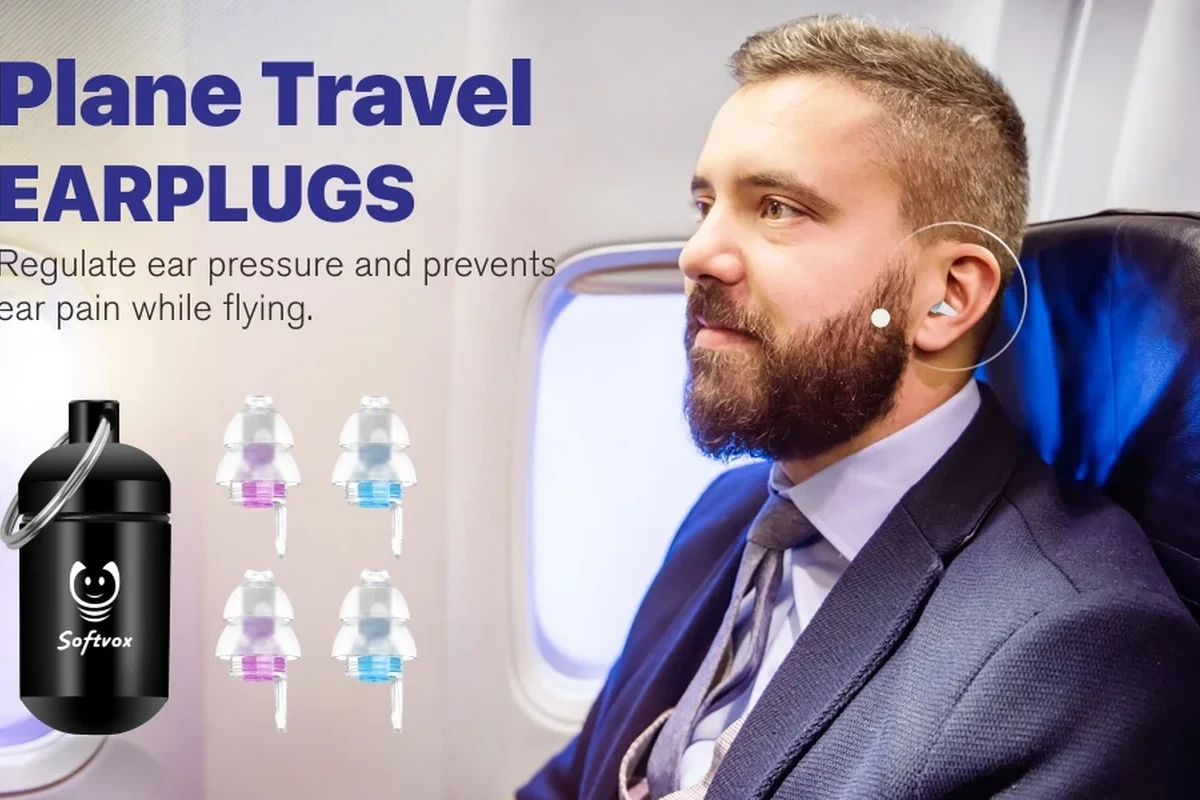
Filtered earplugs can slow the rate of pressure change and may make the cabin feel more manageable. They are not the same as headphones, but they are often more directly related to pressure comfort.
Decongestants or nasal sprays may help some people, especially when sinus congestion is involved, but they are not right for everyone. It is smart to check with a pharmacist or clinician before using them, particularly if you have health conditions or take other medications.
Earplugs, chewing gum, and hydration may help with pressure changes, while headphones mainly help with noise and comfort. Many travelers benefit from using both approaches together.
Choosing seat timing and flight habits that help during ascent and descent
If possible, stay awake during takeoff and landing so you can swallow or yawn when pressure changes. Sleeping through descent can make it harder to equalize at the right time.
Keeping your head relaxed, staying hydrated, and avoiding a bad cold when you fly can also help. If you already feel congested, the pressure shift may be more noticeable than usual.
Common Mistakes Travelers Make When Using Headphones for Air Pressure Relief
Many travelers expect headphones to solve the whole problem, but that expectation can lead to disappointment. A few simple mistakes can also make discomfort worse.
Turning volume too high to “mask” ear pressure
Loud music may distract you from ear pain for a moment, but it does not treat the cause. It can also make your ears more tired and increase the risk of hearing damage.
If you need to mask cabin noise, use ANC first and keep the volume moderate. That usually gives a better balance of comfort and safety.
Assuming ANC headphones fix blocked ears or sinus pressure
ANC is excellent for reducing steady noise, but it does not unblock ears or relieve sinus congestion. If your ears feel clogged, the issue is usually pressure equalization, not sound pollution.
This is why even premium ANC models should be treated as comfort gear, not a cure. For more on the limits of cancellation, our article on can noise cancelling block voices shows what ANC can and cannot remove.
Wearing uncomfortable headphones that add fatigue during long-haul flights
Some headphones sound great but feel too tight after a few hours. Heavy headbands, sweaty pads, and poor earcup shape can make a long flight feel even longer.
If comfort is your top priority, choose a model you can wear for hours without thinking about it. That usually matters more than chasing the most advanced feature list.
Expert Advice: When Ear Pain Needs More Than Headphones
Most airplane ear pain is temporary, but repeated or severe symptoms should not be ignored. Headphones can improve the flight experience, yet some ear problems need medical attention.
Warning signs of ear barotrauma, infection, or sinus issues
Sharp pain, lasting hearing changes, drainage, dizziness, or a feeling of severe fullness after the flight may point to something beyond normal pressure discomfort. Sinus pain, fever, or worsening congestion can also signal an infection.
If symptoms do not improve after landing or get worse over time, it is better to get checked than to assume they will fade on their own.
If you have recurring ear pain on flights, a blocked ear that does not clear, or a history of ear infections, consult an audiologist or medical professional before your next trip.
When travelers should avoid flying or seek medical guidance
If you have a bad cold, severe sinus congestion, an ear infection, or recent ear surgery, flying may be risky or very uncomfortable. In those cases, medical guidance is the safest choice.
People with ongoing tinnitus, frequent barotrauma, or chronic ear pressure problems should not rely on headphones alone. A clinician can help determine whether flying is safe and what precautions make sense.
Why frequent flyers with recurring ear pain should get evaluated
If the same ear pain happens on nearly every trip, there may be an underlying issue with pressure equalization, allergies, or ear structure. That is worth evaluating instead of repeatedly treating the symptom.
Frequent flyers often benefit from a personalized plan that may include travel habits, medical advice, and the right accessories. Headphones can still be part of that plan, but they should not be the whole plan.
Price and Value: Do Premium Travel Headphones Justify the Cost?
Premium travel headphones can be worth it if you fly a lot and care about quiet, comfort, and convenience. But a higher price does not automatically mean better pressure relief, because no headphone truly solves that problem.
Budget vs. mid-range vs. premium options for flight comfort
Budget headphones can be perfectly fine if they are comfortable and reasonably isolating. Mid-range models often offer a better balance of battery life, ANC quality, and build comfort.
Premium options may add stronger ANC, better materials, and more polished controls, but performance still varies by brand and model. The right choice depends on how often you fly and how sensitive you are to noise and fit.
What features are worth paying for if you fly often
If you travel regularly, pay attention to ANC quality, comfort, battery life, and the ability to use a wired backup. Those features usually matter more than fancy app extras.
Also look for foldable design, a stable fit, and easy controls. On a plane, simple and reliable often beats complicated.
Comparing headphones to earplugs and other low-cost travel solutions
Earplugs are much cheaper and can help directly with pressure changes when used correctly. They do not sound as good as headphones, but they can be very useful for sensitive ears.
For many travelers, the best value is a combination: comfortable headphones for noise and entertainment, plus ear-friendly habits for pressure equalization. That approach usually works better than buying a more expensive pair and hoping it solves everything.
Final Recap: Do Headphones Help with Airplane Pressure and Ear Pain?
Headphones do not relieve airplane pressure in your ears, and they cannot equalize the pressure difference that causes ear pain. What they can do is reduce cabin noise, improve relaxation, and make the flight more comfortable overall.
Clear takeaway on what headphones can realistically do
If your discomfort is caused by pressure changes, the real fix is swallowing, yawning, chewing, or using other pressure-management methods. If your discomfort is caused by noise, good headphones can help a lot.
Best combination of headphone features and pressure-relief habits for travelers
For the best travel experience, choose comfortable noise-canceling or noise-isolating headphones, keep the volume moderate, and pair them with pressure-equalizing habits. That combination is usually the most practical way to reduce pain and fatigue in the air.
- Headphones reduce noise, not cabin pressure.
- ANC helps comfort, especially on loud flights.
- Swallowing, yawning, and chewing help equalize pressure.
- Comfortable fit matters more on long flights.
Frequently Asked Questions
Wireless headphones are more convenient, while wired headphones can be useful as a backup when battery life matters. Neither type relieves airplane pressure, but both can help with cabin noise and comfort.
Noise-canceling headphones are usually better for steady engine noise and can make flights feel less tiring. They still do not fix ear pressure, so they work best alongside pressure-equalizing habits.
Closed-back headphones are usually better for flights because they block more outside noise. Open-back headphones leak sound and let more cabin noise in, which makes them less practical on airplanes.
Over-ear headphones are often the most comfortable for long sessions because they spread pressure more evenly. Lightweight in-ear models can also work well if the fit is secure and the tips feel comfortable.
Look at comfort, battery life, noise cancellation, wired mode support, and build quality. Sound quality, bass, and clarity can vary by model, so choose based on your travel needs and listening preferences.
Swallowing, yawning, chewing gum, and staying hydrated can help your ears equalize pressure. Filtered earplugs and medical advice for congestion may also help, depending on your situation.