How to Fold Bose Headphones into Case Easily and Fast

Fold Bose headphones by rotating both earcups into the model’s compact inward position, then place them gently into the case without forcing the headband. If the lid or zipper does not close easily, the cups are usually misaligned or an accessory is in the way.
If you’re trying to figure out how to fold Bose headphones into case storage without forcing anything, the key is simple: rotate the earcups into the same compact position Bose designed for that model, then place them flat in the case. The exact motion changes a little across the QuietComfort, 700, and Ultra lines, but the goal is always the same—protect the hinges, keep the cushions from being crushed, and let the case close easily.
For readers comparing Bose models or learning the basics of headphone care, it also helps to understand the difference between noise cancelling headphone design and the way a folding case is shaped around that design. A good fit is not just about convenience; it can also help preserve comfort and durability over time.
- Match the model: Bose folding positions vary by QuietComfort, 700, Ultra, and older models.
- Remove extras: Take out cables, adapters, and loose accessories before packing.
- Don’t force it: If the case resists, recheck earcup alignment instead of pressing harder.
- Protect the fit: Avoid crushing hinges and ear cushions during storage.
- Use the right case: Official cases usually fit better than many third-party replacements.
How to Fold Bose Headphones into Case: What Users Need to Know First
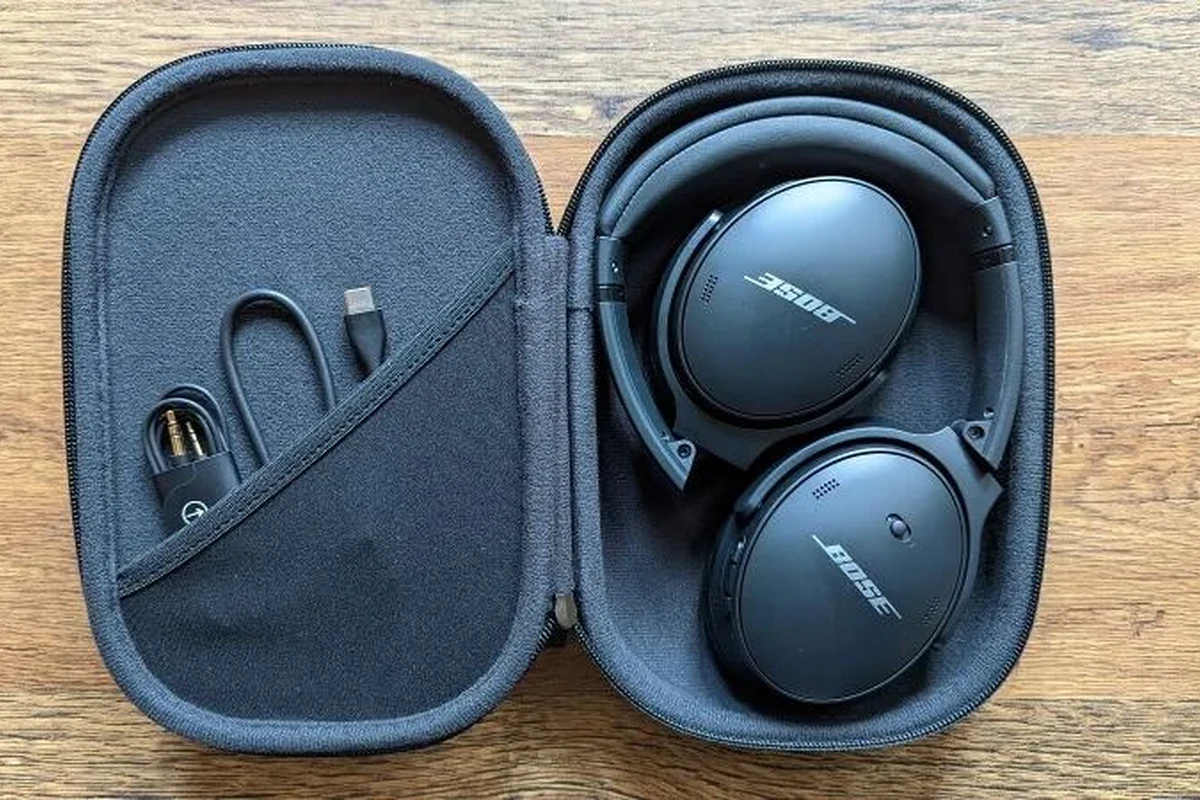
Before you try to pack Bose headphones away, it helps to know that “folding” does not always mean the same thing on every Bose model. Some versions swivel and flatten inward, while others use a more fixed rotation that only looks right when the earcups are aligned in a specific direction.
The safest approach is to move slowly the first few times. If the headphones feel like they need pressure to fit, they are probably not aligned correctly yet.
Case shape, hinge movement, and earcup orientation can vary by Bose model and by replacement case design. If your headphones are not fitting naturally, check the model-specific layout before applying force.
Which Bose Headphone Models Fold into Their Case Differently
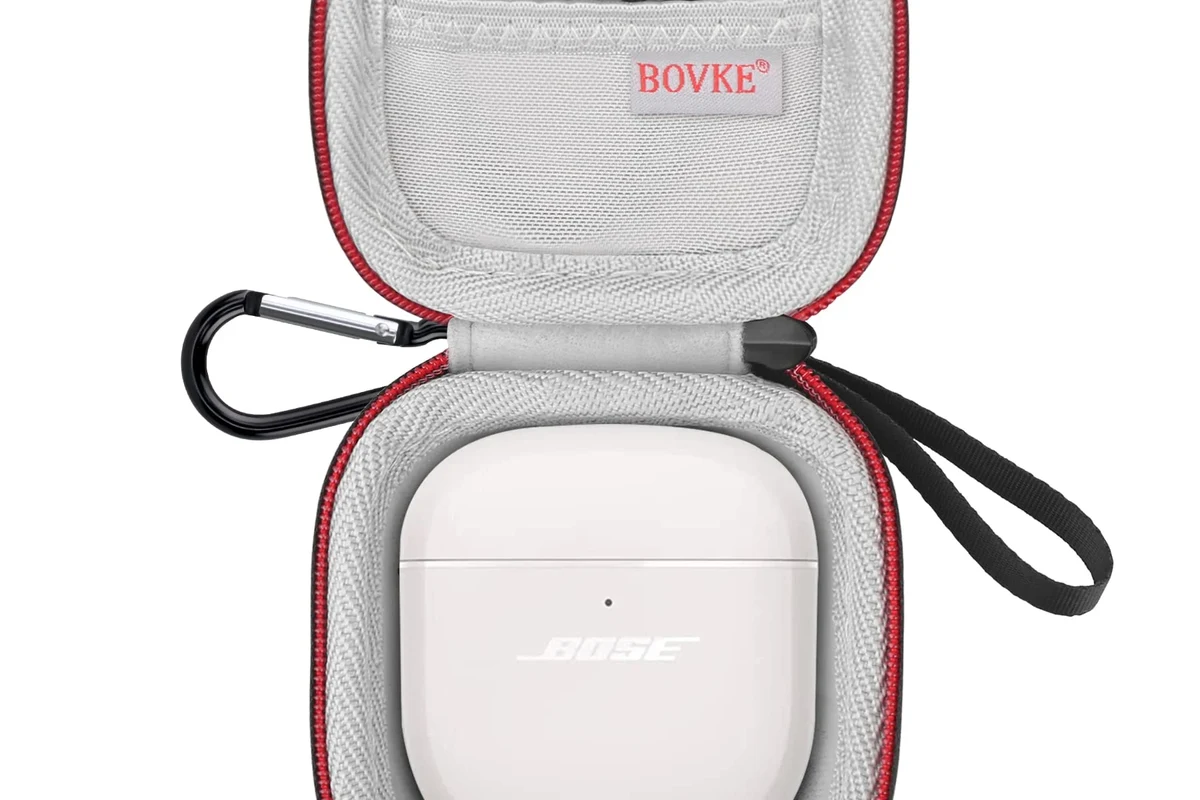
Bose makes several over-ear models, and the folding pattern is not identical across all of them. That is why one user may slide their headphones into the case in seconds, while another may keep turning the cups and wondering why the lid will not close.
If you are also comparing headphone styles in general, it may help to read about types of headphones explained so you can better understand why over-ear models usually need more careful packing than earbuds or on-ear designs.
Bose QuietComfort line: folding the earcups the right way
QuietComfort models are usually the easiest Bose headphones to pack once you learn the correct earcup rotation. The cups need to sit in a compact, inward-facing position so the headband forms a neat shape that matches the case mold.
The most common mistake is rotating one cup too far while leaving the other slightly open. That small mismatch can make the case feel tight even when the headphones are technically close to the right position.
Bose Noise Cancelling Headphones 700 and Ultra: case fit differences
The Bose 700 and Ultra-style models often have a more refined folding layout, but that does not mean the fit is identical from one case to another. Official cases are usually shaped for the intended model, while replacement cases may have a slightly different interior curve or accessory pocket placement.
Because of that, the same headphones may close perfectly in one case and feel awkward in another. If you use a third-party case, always check that the earcups can sit without being pressed hard against the zipper or shell.
Older Bose models and why the folding sequence matters
Older Bose headphones can be a little less forgiving when packed quickly. The folding sequence matters because the headband, hinges, and earcups may need to settle into a specific order before the case will close cleanly.
If you skip a step and try to “make it work,” you may end up twisting the cups against the padding. That can create avoidable wear over time, especially if you pack the headphones several times a day.
Many over-ear headphones fit best when the earcups are turned first and the headband is folded second, not the other way around. That small order change can make packing feel much easier.
Step-by-Step: How to Fold Bose Headphones into Case Easily and Fast
The fastest method is also the safest one: prepare the headphones, rotate the cups into the correct position, then place them gently into the case without compressing the cushions. Once you learn the motion, it usually becomes a quick one-handed routine.
Preparing the headphones before folding
Start by disconnecting any cable, adapter, or charging accessory. If the headphones are powered on, switch them off first so you do not accidentally press buttons while handling them.
Next, lightly straighten the headband and check that both earcups move freely. If one side feels stiff, do not force it. A slow reset of the position is better than twisting against resistance.
- Headphones are powered off
- Audio cable or adapter is removed
- Earcups rotate freely
- No accessories are trapped in the case
Rotating the earcups into the correct position
Rotate each earcup inward until the headphones form the compact shape that matches the case. The goal is not to squeeze them flat, but to align them so the headband settles naturally into the interior space.
If you are unsure whether the position is correct, compare both sides. The cups should look balanced and sit at similar angles instead of one being tucked in more tightly than the other.
When a fold feels awkward, pause and recheck the cup angle instead of applying more pressure. A correct alignment should feel smooth, not forced.
Placing the headphones in the case without forcing them
Once folded, lower the headphones into the case with the earcups resting in their molded space. The headband should follow the curve of the case rather than sit on top of it.
Close the lid or zipper slowly the first time. If you feel resistance, reopen the case and adjust the cup angle instead of pulling harder on the closure.
Listening at high volumes for long periods can cause hearing damage. Keep volume at 60% or below for extended sessions.
Common Mistakes That Prevent Bose Headphones from Fitting in the Case
Most packing problems come from small alignment errors, not from a defective case. Once you know the usual mistakes, you can correct them quickly and avoid unnecessary wear on the headset.
Forcing the headband instead of aligning the cups
If the headband seems too wide, the instinct is often to press it down harder. That usually makes the fit worse because the earcups are still sitting in the wrong orientation.
Instead, stop and rotate the cups again. The proper fold should reduce pressure naturally, not require you to bend the frame beyond its intended movement.
Leaving the cable, adapter, or accessories inside the case
A loose cable, charging adapter, or airline accessory can take up just enough space to keep the case from closing. This is especially common in smaller travel cases where the accessory pocket is already tight.
Before closing the lid, make sure everything is stored in its correct compartment. If the case has no dedicated pocket, keep accessories separate so they do not press against the earcups.
Misplacing the earcups so the zipper or lid won’t close
Sometimes the headphones are folded correctly, but one earcup sits slightly too high or too far to one side. In that position, the zipper or lid may catch on the edge of the cup or press into the cushion.
A quick visual check helps: the headphones should sit centered and low enough that the case closes without bulging. If the lid looks strained, reopen and reposition them.
If your Bose headphones suddenly stop folding smoothly, or one hinge feels loose, it may be worth asking a repair specialist or audiologist-adjacent headphone service center for guidance. Persistent stiffness or uneven movement can signal wear that should not be ignored.
Expert Tips to Protect Bose Headphones While Packing Them Away
Good storage habits matter almost as much as the fold itself. Bose headphones are designed for portability, but repeated pressure on the wrong points can still shorten the life of the hinges and cushions.
How to avoid pressure on hinges and ear cushions
Try to let the case shape do the work. The headphones should sit in the molded area with minimal compression, especially around the hinge joints and the soft ear pads.
If the cushions are being flattened every time you pack them, the case may be too small or the fold may be slightly off. Either way, that is a sign to stop and adjust the fit before closing the case.
Best storage habits for travel, commuting, and home use
For travel, keep the case in a backpack section where it will not be crushed by heavy items. For commuting, avoid stuffing it into a packed bag with sharp objects like keys, chargers, or water bottles.
At home, store the headphones in the case when you are not using them for long periods. That helps keep dust off the cushions and reduces the chance of accidental drops.
Warning signs that the case or headset is being packed incorrectly
Watch for a lid that needs extra pressure to close, a zipper that catches, or earcups that look visibly compressed. Those are early signs that the fold is not quite right.
If you notice creaking hinges, uneven padding wear, or a case that no longer closes flush, revisit the folding order. Small changes now can prevent bigger problems later.
Case Comparison: Official Bose Cases vs Replacement Cases in 2026
In 2026, many Bose owners still prefer the official case because it is usually shaped for the intended headset. Replacement cases can be useful for travel or extra protection, but fit and build quality may vary more than buyers expect.
Fit, protection, and portability differences
Official Bose cases are generally easier to trust for a clean fit because the interior layout is made around the headphones’ folding shape. That usually means less trial and error when packing.
Replacement cases may offer more storage or a tougher shell, but they can also be bulkier or less precise around the earcups. If portability matters most, a slimmer official-style case may feel better in daily use.
When a third-party case may cost less but fit worse
A lower-priced case can still be useful if you mainly need basic protection. However, a cheaper shell may not match the exact curve of your Bose model, which can make the headphones sit too tightly or shift around inside.
That is why it is worth checking user feedback carefully before buying. For headphone buyers who also like to compare accessories and device compatibility, reading about how to connect Bluetooth headphones can help reinforce the idea that convenience depends heavily on the right setup.
Price considerations for replacement cases and accessories
Case prices can vary a lot by brand, material, and whether the design includes extra storage for cables or adapters. The best value is not always the cheapest option; it is the one that protects the headset without making packing harder.
If you are comparing accessories on a budget, think about how often you travel and how much protection you actually need. A sturdier case may cost more, but it can be worth it if you carry your headphones every day.
Practical Examples: Fast Folding Tips for Travel and Daily Use
The quickest way to pack Bose headphones is to use the same routine every time. Once your hands learn the motion, you can fold and store them in seconds without thinking too much about it.
Quick packing routine for airport or backpack storage
For airport use, remove the cable first, rotate both earcups inward, and place the headphones in the case before anything else goes into your bag. That keeps them from being crushed by other travel items.
If you are flying with other gear, it can also help to keep your headphone case in an easy-to-reach pocket. That way you can remove it quickly at security or during a seat change without digging through your whole backpack.
How to repack Bose headphones after a workout or office session
After a workout, wipe away moisture before storing the headphones. Sweat and damp ear cushions should not be sealed inside the case for long periods.
At the office, make it a habit to fold the headphones the same way every time you leave your desk. Repetition makes the process faster and lowers the chance of packing them in the wrong orientation.
For readers who want to better understand headphone comfort and long-session wear, a guide like headphones vs earphones complete guide can be useful when deciding whether over-ear Bose models are the right daily carry choice for your routine.
Final Recap: The Fastest Way to Fold Bose Headphones into the Case
The fastest method is simple: power the headphones off, remove any cable or accessory, rotate both earcups into the correct inward position, and place them gently into the molded space. If the case does not close easily, do not force it—recheck the alignment first.
Once you learn your specific Bose model’s folding pattern, packing becomes quick, safe, and repeatable. That makes daily storage easier and helps protect the hinges, cushions, and overall fit for the long run.
Frequently Asked Questions
Power them off, remove cables or accessories, rotate both earcups inward, and place them gently into the molded space. If the case resists closing, check the cup angle instead of forcing it.
The folding motion depends more on the model than on whether the headphones are wireless or wired. Always follow the earcup orientation that matches the case shape.
Not usually, but the fit can be more sensitive because the case is shaped around a specific model. Noise cancelling features do not change the fold, but the design may affect how the cups sit.
On-ear and in-ear models are usually easier to store because they take up less space. Over-ear headphones often need a molded case and a more careful folding routine.
Look at the overall tuning, comfort, noise cancelling performance, and how the headphones fit your listening style. Driver type, bass balance, clarity, and EQ support can all matter, but personal preference plays a big role.
Choose a fit that does not clamp too tightly, keep the ear cushions clean, and avoid very high volume for long periods. If you experience discomfort or hearing concerns, follow safe listening guidelines or consult an audiologist.