Who Created the Beats Headphones and Why It Matters

Beats headphones were created by Dr. Dre and Jimmy Iovine, and their vision helped turn headphones into a lifestyle product. Today, Beats still matters because its sound, design, and convenience appeal to everyday listeners, especially in wireless and Apple-friendly use cases.
If you’re asking who created the Beats headphones, the short answer is Dr. Dre and Jimmy Iovine. Their partnership turned Beats into one of the most recognizable headphone brands in modern audio.
- Creators: Dr. Dre and Jimmy Iovine launched Beats.
- Brand impact: Beats helped make headphones a fashion statement.
- Sound profile: Many models still lean bass-forward and casual-friendly.
- Buyer tip: Compare the exact model, not just the brand name.
Who Created the Beats Headphones? The Real Story Behind the Brand
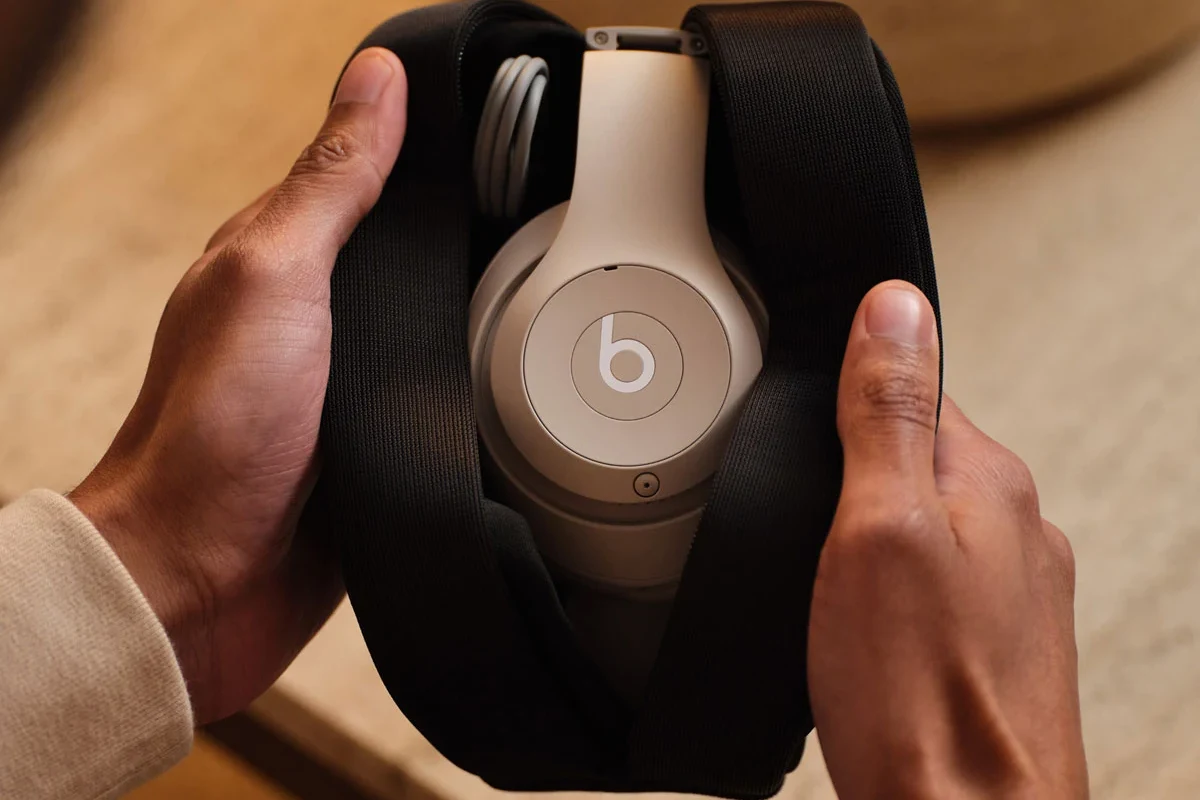
Beats headphones were created by Dr. Dre and Jimmy Iovine, who launched the brand to bring a more style-driven, music-culture-focused approach to headphones. The idea was not just to sell audio gear, but to make headphones feel like part of the listening experience and the artist’s identity.
That origin story matters because Beats did not grow like a traditional audio company. It emerged from music, entertainment, and celebrity influence, which helped the brand stand out in a crowded market. For readers comparing modern options, that history still shapes how Beats is marketed and how people judge its sound today.
Beats is now part of Apple, but the original brand concept came from Dr. Dre and Jimmy Iovine. Ownership and creation are related, but they are not the same thing.
Why the Creator Matters: How Beats Changed Headphone Culture
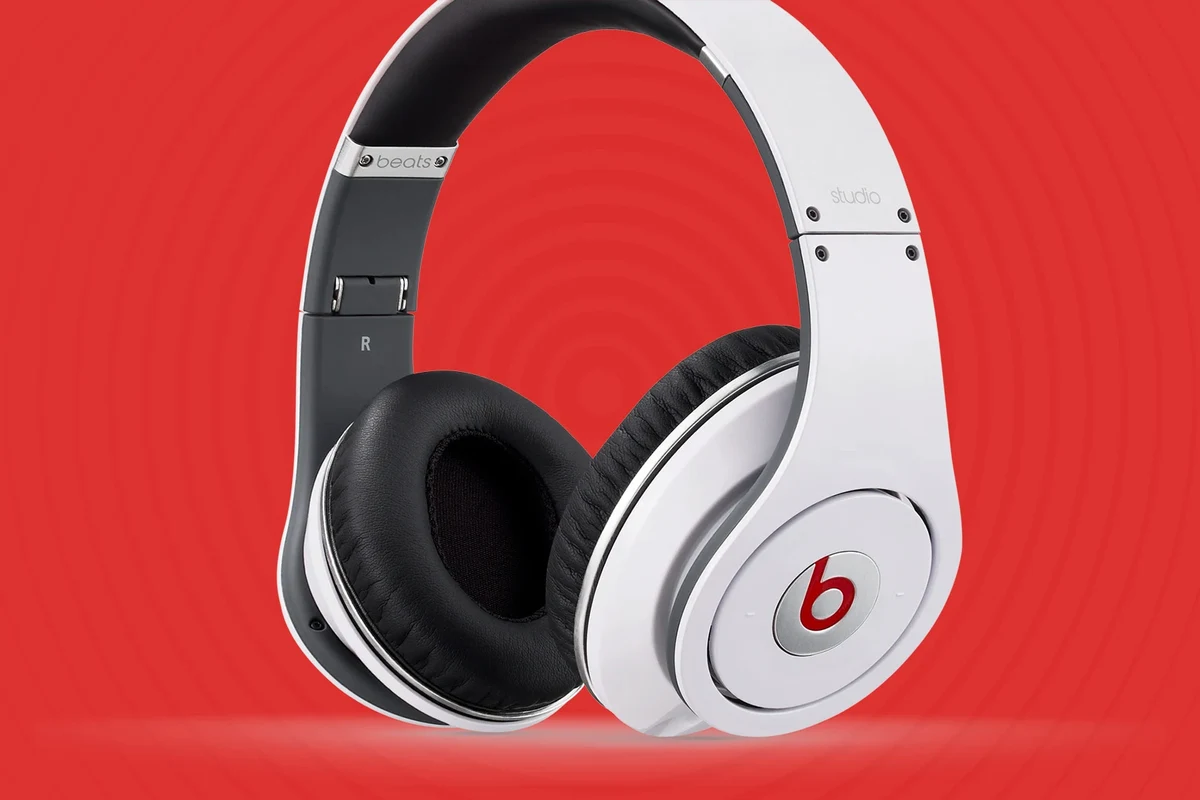
Knowing who created Beats helps explain why the brand became so influential so quickly. Beats helped move headphones from a purely functional accessory into a fashion and lifestyle product that people wanted to wear in public.
From celebrity influence to mainstream audio appeal
Before Beats, many buyers chose headphones mainly for technical features or price. Beats changed that by making design, branding, and music identity part of the buying decision.
Celebrity influence played a major role, but the bigger shift was cultural. People began seeing headphones as something that could reflect personal taste, not just deliver sound.
Beats helped popularize the idea that premium headphones could be as much about image and convenience as raw audio detail.
How the brand shaped buying decisions in 2026
In 2026, buyers still compare Beats with brands that focus more heavily on neutral sound, studio accuracy, or gaming features. But Beats remains strong for users who want easy wireless use, recognizable design, and a sound profile that feels lively and bass-forward.
This matters because many shoppers now start with use case first. If they want commuting, workouts, or casual everyday listening, Beats can still be a practical option. If they want strict reference sound, another brand may be a better fit.
Dr. Dre and Jimmy Iovine: The Founders Behind Beats
Dr. Dre brought cultural credibility and a strong sense of what music should feel like to listeners. Jimmy Iovine brought industry experience, business strategy, and a deep understanding of how to build a consumer brand around music.
Together, they created a company that blended sound, style, and marketing in a way that was unusual at the time. That combination is one reason the brand became so recognizable so fast.
What each founder brought to the company
Dr. Dre’s influence helped shape the brand’s identity around modern music, especially bass-heavy genres and mainstream appeal. Jimmy Iovine helped translate that vision into a product and business model that could scale.
The result was a headphone brand that felt connected to the music industry instead of distant from it. That connection gave Beats a strong story, especially for buyers who wanted gear associated with artists and pop culture.
How the original vision influenced the product lineup
The original vision pushed Beats toward headphones that were easy to use, visually distinctive, and tuned for broad consumer appeal. That is why many early models emphasized strong bass and a bold presentation rather than studio-neutral accuracy.
That same approach still influences the lineup today, even as the brand has added more modern features like wireless connectivity, noise cancellation, and tighter integration with Apple devices. The core idea remains simple: make headphones that are convenient, stylish, and enjoyable for everyday listeners.
Beats Headphones Then vs. Now: Design, Sound, and Target Audience
Beats has changed a lot since its early days. The brand once leaned heavily on flashy design and bass-first sound, while newer models aim for better balance, stronger comfort, and more competitive features.
Early Beats models and their signature bass-forward tuning
Early Beats headphones were known for a sound signature that boosted low-end energy. That made them appealing for pop, hip-hop, EDM, and casual listening, especially for users who wanted a more exciting sound right out of the box.
That tuning also made Beats controversial among audio fans who preferred flatter or more detailed sound. In other words, the brand became famous partly because people either loved the sound or strongly preferred something else.
Modern Beats features compared with competing headphones
Modern Beats models are more competitive in areas like wireless convenience, battery life, active noise cancellation, and Apple ecosystem features. That makes them easier to recommend than older Beats products for everyday use.
Still, comparison shopping matters. If you are choosing between Beats and another wireless headphone brand, look at comfort, call quality, ANC performance, and how the sound matches your taste. Features may vary by model, and personal preference matters more than brand reputation alone.
Listening at high volumes for long periods can cause hearing damage. Keep volume at 60% or below for extended sessions.
What Buyers Should Know Before Choosing Beats in 2026
Beats can be a smart buy, but only if the product matches your listening habits. A lot of disappointment happens when buyers expect one headphone brand to be perfect for every use case.
Best use cases: workouts, commuting, casual listening, and Apple users
Beats often make sense for workouts because many listeners like their secure fit, wireless convenience, and energetic sound. They can also work well for commuting if you want easy pairing and strong noise control on the move.
Casual listeners may appreciate the simple setup and familiar sound signature. Apple users may find extra convenience in pairing and device switching, though the exact experience depends on the model and your devices.
If you listen mostly on the go, prioritize comfort, battery life, and easy controls before worrying about advanced audio terms.
When Beats is a smart buy versus when another brand may be better
Beats is a smart buy if you want a stylish wireless headphone with a fun sound and easy everyday use. It is also worth considering if you prefer a brand that feels simple and mainstream rather than technical or studio-focused.
Another brand may be better if you want a flatter sound for mixing, more open soundstage, or a model with a specific gaming or studio feature set. If you’re comparing broader headphone categories, our guide to types of headphones explained can help you narrow your options first.
Common Mistakes People Make When Researching Beats Headphones
Many shoppers get confused because Beats has a strong brand story and a long history. But the best buying decisions come from understanding the product itself, not just the name on the box.
Confusing brand ownership with product creation
One common mistake is assuming Apple created Beats from the beginning. In reality, Dr. Dre and Jimmy Iovine created the brand, and Apple later acquired it.
That distinction matters because it explains why the brand identity feels different from many Apple products. It also helps buyers separate marketing history from current product performance.
Assuming all Beats models sound the same
Another mistake is treating every Beats headphone as if it has the same sound and features. Different models can vary in fit, tuning, battery life, ANC performance, and intended use.
Before buying, compare the exact model rather than relying on the brand name alone. If you want to understand wireless basics first, our guide on Bluetooth headphones explained simply is a helpful starting point.
Expert Advice: What to Look for in a Beats Headphone Comparison
A good Beats comparison should go beyond appearance and focus on how the headphones fit into your daily routine. The right choice is usually the one that balances sound, comfort, and convenience for your specific needs.
Price, battery life, noise cancellation, and comfort factors
When comparing Beats models, start with the basics: price, battery life, noise cancellation, comfort, and portability. These factors usually matter more than marketing language or celebrity association.
Also pay attention to ear cushion material, headband pressure, and how heavy the headphones feel during long sessions. Comfort can vary a lot from one model to another, especially if you wear headphones for work, travel, or long playlists.
If you have ear pain, tinnitus, or hearing sensitivity, consider speaking with an audiologist before choosing headphones for daily long-session use.
Warning signs of overpaying for style alone
If a headphone looks great but lacks the features you need, you may be paying too much for style. That can happen when a brand name or colorway becomes the main reason to buy.
Look for signs of real value: useful battery life, solid wireless connection, dependable noise cancellation, and a comfort level that matches your routine. If those pieces do not line up, another model may offer better value even if it looks less exciting.
Compatibility, battery life, and sound quality can vary by model, phone, app support, and personal hearing preference. Always check the exact product before you buy.
Final Recap: Who Created Beats Headphones and Why It Still Matters Today
Beats headphones were created by Dr. Dre and Jimmy Iovine, and that origin explains much of the brand’s identity. They built a headphone company around music culture, style, and mainstream appeal rather than purely technical audio language.
That history still matters because it helps buyers understand what Beats is best at today. If you want easy wireless use, bold design, and a lively sound for everyday listening, Beats can still be a strong choice. If you want a more neutral or specialized audio profile, comparing other brands is worth the extra time.
For readers who are still deciding between headphone styles, it can also help to compare Beats against other categories like headphones versus earphones or learn more about how noise cancelling headphones work before making a final choice.
Frequently Asked Questions
Beats headphones were created by Dr. Dre and Jimmy Iovine. Their goal was to build a headphone brand that blended music culture, style, and everyday listening appeal.
Not all Beats models sound exactly the same, but many are still tuned with a lively, bass-forward character. Sound can vary by model, fit, and your personal preference.
Wireless Beats are usually better for convenience, workouts, and commuting. Wired headphones can still be better if you want a simple connection or do not want to manage battery life.
They can be a good choice for travel if you want easy wireless use and active noise cancellation. Performance varies by model, so compare comfort, battery life, and noise control before buying.
Check battery life, comfort, noise cancellation, sound profile, and device compatibility. It also helps to compare the exact model instead of relying on the Beats name alone.
Beats often stands out for style, convenience, and a fun sound signature. Other brands may be better for neutral sound, studio use, or more specialized features.