How to Tell Which Bose Headphones I Have Easily

Check the model label, Bluetooth name, and Bose app first, then confirm with the shape, controls, and charging port. If those clues still do not match, use the serial number or Bose support records to identify the exact model.
If you’re trying to figure out how to tell which Bose headphones i have, the fastest route is to check the model label first, then confirm it with the design, Bluetooth name, and app settings. Bose has released many similar-looking headphones and earbuds, so a careful check can save you from guessing wrong when you buy pads, search for manuals, or pair them to a new device.
- Label first: Model names and serial codes are the most reliable clues.
- Design matters: Earcup shape, buttons, and port type help narrow the family.
- Use your phone: Bluetooth settings and the Bose app can confirm the product name.
- Watch for confusion: Replacement pads and aftermarket parts can hide the real model.
How to Tell Which Bose Headphones I Have: What This Guide Will Help You Identify

This guide walks you through the most reliable ways to identify Bose headphones without needing the box or receipt. You’ll learn how to find the model number, compare the shape and controls, and use your phone or the Bose app to confirm the exact product name.
That matters because Bose products can look very close across generations. A quick visual check may get you in the right family, but the label, Bluetooth name, and app connection usually give the most accurate answer.
Model names can vary slightly by region, bundle, or software version, so it’s best to use more than one identification method before making a final call.
Check the Model Name, Product Number, and Serial Label on the Headphones

The most dependable way to identify Bose headphones is to look for the printed model name, product number, or serial label. Bose usually places this information somewhere on the headband, inside an earcup, on the underside of the band, or on the charging case for earbuds.
If the text is readable, you may see names like QuietComfort, QuietComfort Ultra, SoundLink, Sport Earbuds, or SoundSport. Even if the full marketing name is not printed, a product code or serial number can still help you narrow it down through Bose support or the product settings in the Bose app.
Where Bose usually prints the model details on over-ear, on-ear, and in-ear designs
On over-ear and on-ear headphones, check the inside of the earcup, around the headband joint, or under the cushion edge. On earbuds, look on the stem, the inner shell, or the charging case label.
Some Bose models hide their markings in places you only notice after removing the ear cushion or rotating the earcup. If you are unsure, inspect both sides carefully and compare any tiny printed codes with the product photos on Bose’s support pages.
How to read the label when the text is tiny, worn off, or hidden under padding
Use bright light and a phone camera zoom if the print is hard to read. A close-up photo often makes faded text clearer than trying to read it with your eyes alone.
If the label is under a cushion, gently lift only what is meant to move. Avoid forcing glued padding or prying at seams, since that can damage the headphones and make identification even harder.
Take a clear photo of every code you find before cleaning or replacing pads. That gives you a backup if the label wears off later.
Match the Physical Design to the Right Bose Headphone Family
Once you know the general shape, you can usually place the headphones into the right Bose family. This is especially helpful if the label is missing or the text is too worn to read.
Focus on the earcup shape, hinge design, button layout, and charging port. Those details often separate one Bose generation from another more clearly than color or cushion style.
QuietComfort vs. QuietComfort Ultra vs. SoundLink vs. Sport models
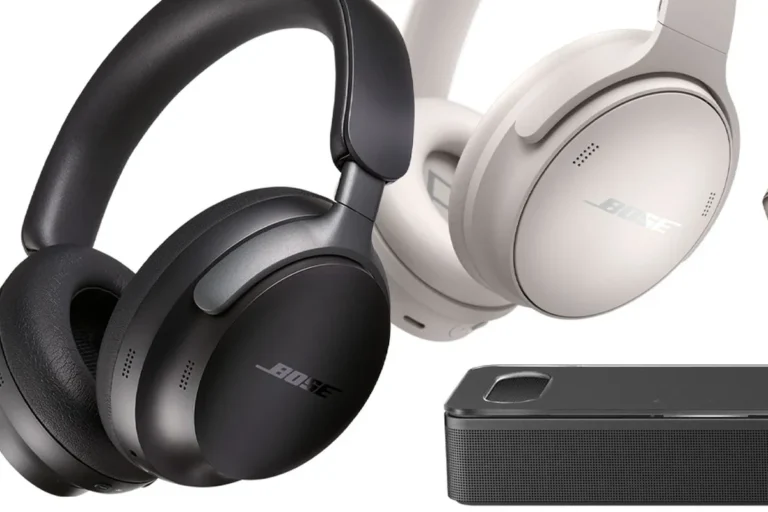
QuietComfort models are usually Bose’s mainstream noise-canceling over-ear line, while QuietComfort Ultra is the newer premium branch with a more modern feature set. SoundLink models are often more focused on everyday wireless listening and portability, and Sport models are built for workouts and secure fit.
For earbuds, Sport Earbuds and SoundSport Free can be easy to confuse at a glance, but their case design, body shape, and release-era styling are different enough to help you separate them. If you are comparing older and newer Bose products, the naming may look similar even when the hardware is not.
Practical visual clues: earcup shape, hinge style, button layout, and charging port
Look at how the earcups fold and whether the hinges feel compact or more exposed. Some Bose models have a flatter, cleaner profile, while others use a more traditional rounded shell.
Also check the controls. Physical buttons, a touch-sensitive earcup, and the location of the power or Bluetooth button can all point toward a specific model family. Finally, note the charging port: USB-C versus micro-USB can help narrow older and newer releases.
Two Bose headphones can share a very similar silhouette but still differ in controls, charging, and app features. That is why a label check is more reliable than color alone.
Use Bluetooth Name, App Connection, and Device Settings to Confirm the Model
If your headphones still power on, Bluetooth pairing is one of the easiest ways to confirm the model. Many Bose devices broadcast a product name that includes the model family, and the Bose app can sometimes display the exact connected device.
This method is especially useful when you bought the headphones used or inherited them without packaging. It also helps when the model label is missing but the headset still connects normally.
How Bose app pairing can reveal the exact product name
Open the Bose app and try pairing the headphones while they are powered on and close to your phone. If the device is compatible, the app may identify the product name or show a model-specific setup screen.
If the app only shows a generic connection or fails to recognize the headset, that does not automatically mean the headphones are fake. Older models, reset issues, or a weak battery can all interfere with detection.
What to check in your phone’s Bluetooth menu on iPhone and Android
On iPhone and Android, open Bluetooth settings and look at the exact device name. Sometimes the name includes a model hint, a custom user name, or a factory default that matches the Bose product family.
If the headphones were renamed by a previous owner, the Bluetooth menu may not show the original model. In that case, compare the name with the design and use the Bose app or support records to confirm.
Identify Your Bose Headphones by Features and Controls
Features can narrow down a Bose model even when the label is gone. Noise canceling behavior, touch controls, multipoint support, and voice assistant options are all useful clues.
Think of this step as a process of elimination. You are not trying to prove the exact model from one feature alone, but to stack several clues until only one or two possibilities remain.
Noise-canceling behavior, voice assistant support, touch controls, and multipoint clues
If the headphones have strong active noise canceling, they are more likely to be in a QuietComfort-style family than a basic wireless model. Transparency or awareness modes, voice assistant shortcuts, and touch gestures can also point toward newer Bose releases.
Multipoint Bluetooth, where the headphones connect to more than one device at a time, is another useful clue. Older models may not support it, while newer ones often do, though exact behavior can vary by firmware and setup.
Battery life, USB-C vs. micro-USB, and wired listening differences that narrow the model
The charging port is one of the quickest giveaways. Micro-USB often suggests an older Bose model, while USB-C usually points to a newer generation.
Wired listening can help too. If your headphones still work passively with a cable, check how the cable connects and whether the headset needs power for full features. That difference can separate one Bose generation from another and reduce the number of possible matches.
Listening at high volumes for long periods can cause hearing damage. Keep volume at 60% or below for extended sessions.
Compare Common Bose Models Side by Side to Avoid Mistakes
Some Bose models are especially easy to mix up because they share a similar shape or name. Comparing them side by side is one of the best ways to avoid buying the wrong replacement parts or accessories.
If you are deciding between close matches, focus on release era, controls, port type, and the kind of noise cancellation or listening mode each model offers. Those differences are usually more helpful than trying to judge from color alone.
| Model | Best For | Price Range |
|---|---|---|
| QC35 II | Older over-ear noise canceling with classic Bose design | Varies |
| QC45 | Newer over-ear comfort and simpler wireless use | Varies |
| QuietComfort Ultra | Premium Bose over-ear listening with newer features | Varies |
| SoundSport Free | True wireless workout listening with sport-focused fit | Varies |
| Sport Earbuds | Workout earbuds with a different case and earbud shape | Varies |
Examples of easily confused pairs: QC35 II vs. QC45, QC Ultra vs. QuietComfort, SoundSport Free vs. Sport Earbuds
QC35 II and QC45 can look similar, but the control layout, port style, and overall generation can give the answer away. QuietComfort Ultra and standard QuietComfort models are also close in name, so check the app and hardware details carefully.
SoundSport Free and Sport Earbuds are another common mix-up. Both are meant for active use, but the case, fit, and earbud shape are different enough that a close look usually reveals the correct model.
What makes each model different in sound, comfort, and release year
Sound quality differences may be subtle, and personal preference matters a lot. One model may feel smoother or more spacious to you, while another may sound more energetic or bass-heavy depending on tuning and fit.
Comfort also changes by head shape and ear size. Older pads may feel softer or looser over time, and newer models may place more emphasis on lighter weight, better sealing, or different control methods.
Common Mistakes People Make When Identifying Bose Headphones
Color is one of the biggest traps. Bose often releases the same model in several finishes, so black, white, or limited-edition colors do not confirm the version by themselves.
Replacement ear pads, third-party headbands, and aftermarket cables can also make a model look newer or older than it really is. Always compare the hardware itself, not just the accessories attached to it.
Why color, replacement pads, or aftermarket parts can mislead you
A pair with fresh pads may look like a different generation, especially if the original cushions were worn out. The same is true for headbands or ear tips that were swapped by a previous owner.
Aftermarket parts can also hide useful clues such as labels, port shape, or button placement. If you are not sure, look underneath the cosmetic changes before making a final decision.
How refurbished units, pre-owned purchases, and missing packaging create confusion
Refurbished and pre-owned Bose headphones are often sold without the original box, which removes the easiest source of model information. In those cases, the app, Bluetooth name, and serial label become even more important.
If the packaging is missing, compare your unit with official product photos and support documents. That extra step can help you avoid confusing a replacement part, a regional variant, or an older revision with the model you actually own.
If you have ear pain, ringing in the ears, or concerns about hearing loss, consult an audiologist. If you suspect a counterfeit or mixed-part device, contact Bose support before buying accessories or assuming the model is genuine.
Expert Advice: When to Check Bose Support Records, Warranty Info, or Serial Lookup
If the label is gone or the headset no longer pairs, Bose support records can be your best backup. A serial number, warranty record, or original purchase confirmation may help identify the exact product.
This is especially useful for older headphones, heavily used units, or devices that have been reset and no longer show a clear Bluetooth identity. When the hardware clues are unclear, official records often settle the question faster than guesswork.
What to do if the label is gone or the headset no longer pairs
Start by checking every visible surface for a small serial code. If you cannot find one, use any old email receipts, order history, or warranty registration tied to the purchase.
You can also compare the device against Bose support images and manuals. If the headphones still power on but will not connect, try a reset before assuming the model is unknown. A reset can sometimes restore the original Bluetooth name or pairing behavior.
Warning signs that you may be looking at a counterfeit or mixed-part device
Be cautious if the logo placement, button feel, port shape, or app behavior does not match the rest of the design. Mixed-part devices can combine genuine and replacement components, which makes identification harder and may affect performance.
If the product name in the app does not match the physical design at all, or if the serial information seems inconsistent, treat that as a red flag. In that situation, contact Bose support before spending money on accessories or replacement parts.
Final Recap: The Fastest Way to Know Exactly Which Bose Headphones You Own
The fastest way to identify Bose headphones is to check the label first, then confirm the model with the app, Bluetooth name, and physical design. When those clues line up, you can usually tell the exact model family with confidence.
If you still are not sure, compare the controls, charging port, and release-era features against Bose support photos. That method is much safer than guessing, especially if you are buying pads, cables, or a replacement set for daily listening.
For readers who also use Bose with phones or laptops, it can help to understand broader device compatibility too. If you are comparing headphone use across devices, our guides on wired headphones on MacBook and connecting Bluetooth headphones can make setup easier.
And if you are still sorting out wireless features, our breakdown of how noise cancelling headphones work can help you understand why different Bose models behave differently in real-world use.
Frequently Asked Questions
Check for Bluetooth pairing, a charging port, and any audio cable input. Many Bose models support wireless listening, while wired use depends on the specific model and cable type.
Look at noise canceling, touch controls, multipoint support, port type, and the button layout. These details often narrow the model faster than color or cushion style.
Compare the model family, release year, and tuning style rather than expecting one exact sound profile. Bass, clarity, and soundstage can vary by fit, firmware, and personal preference.
Noise-canceling Bose headphones are usually best for commuting, while comfort and latency matter more for gaming. Studio use depends on the model’s tuning and whether you need wired monitoring.
Check ear cushion material, headband padding, hinge feel, and overall weight. Long listening sessions are more comfortable when the fit is secure without too much clamp pressure.
Watch for mismatched logos, odd button placement, inconsistent app behavior, and serial details that do not fit the design. If something seems off, contact Bose support before buying accessories or assuming it is genuine.