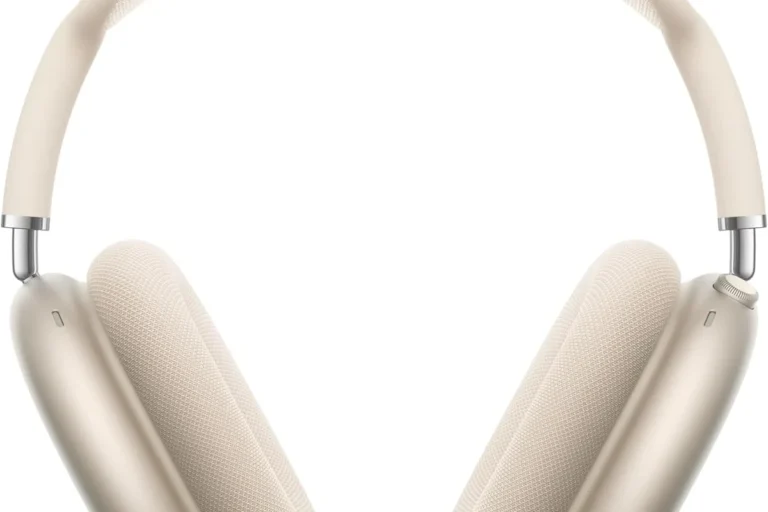
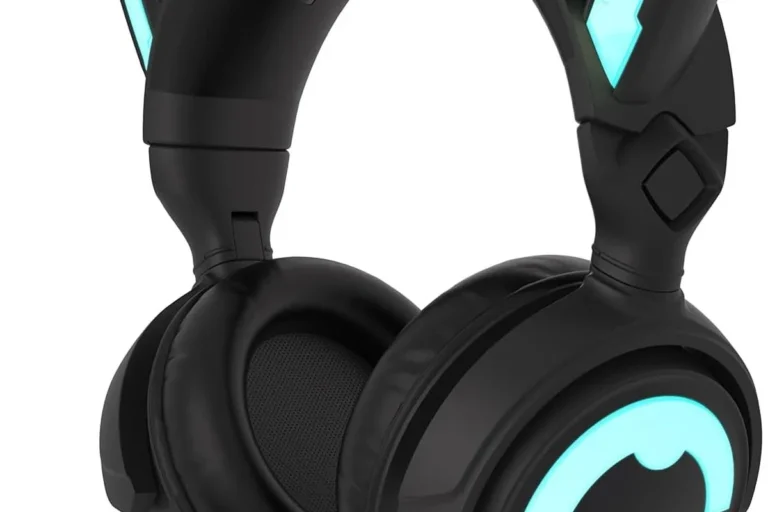
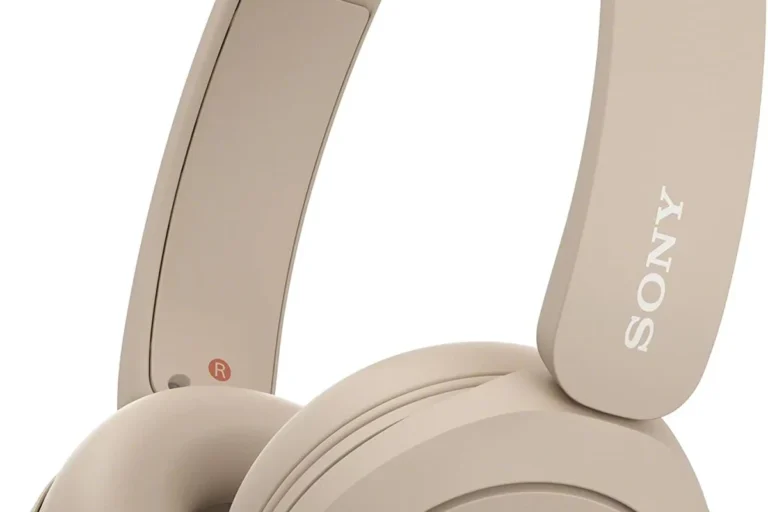
How to Connect Bluetooth Headphones to PS5 Without Adapter

Yes, but usually not by pairing Bluetooth headphones directly in PS5 settings. The easiest no-adapter workarounds are Remote Play, a Bluetooth-enabled TV, or a wired controller connection.
If you want to know how to connect bluetooth headphones to ps5 without adapter, the short answer is that you usually cannot pair them directly in the PS5 system menu. The most reliable no-adapter workarounds are Remote Play, a Bluetooth-enabled TV, or another device that can pass audio to your headphones.
- Direct pairing: Most Bluetooth headphones still do not connect natively to PS5.
- Best workaround: Remote Play or TV Bluetooth can work without extra hardware.
- Main trade-off: Expect possible latency and limited mic support.
- Best fallback: A wired controller headset is the most reliable option.
Can You Connect Bluetooth Headphones to PS5 Without an Adapter?
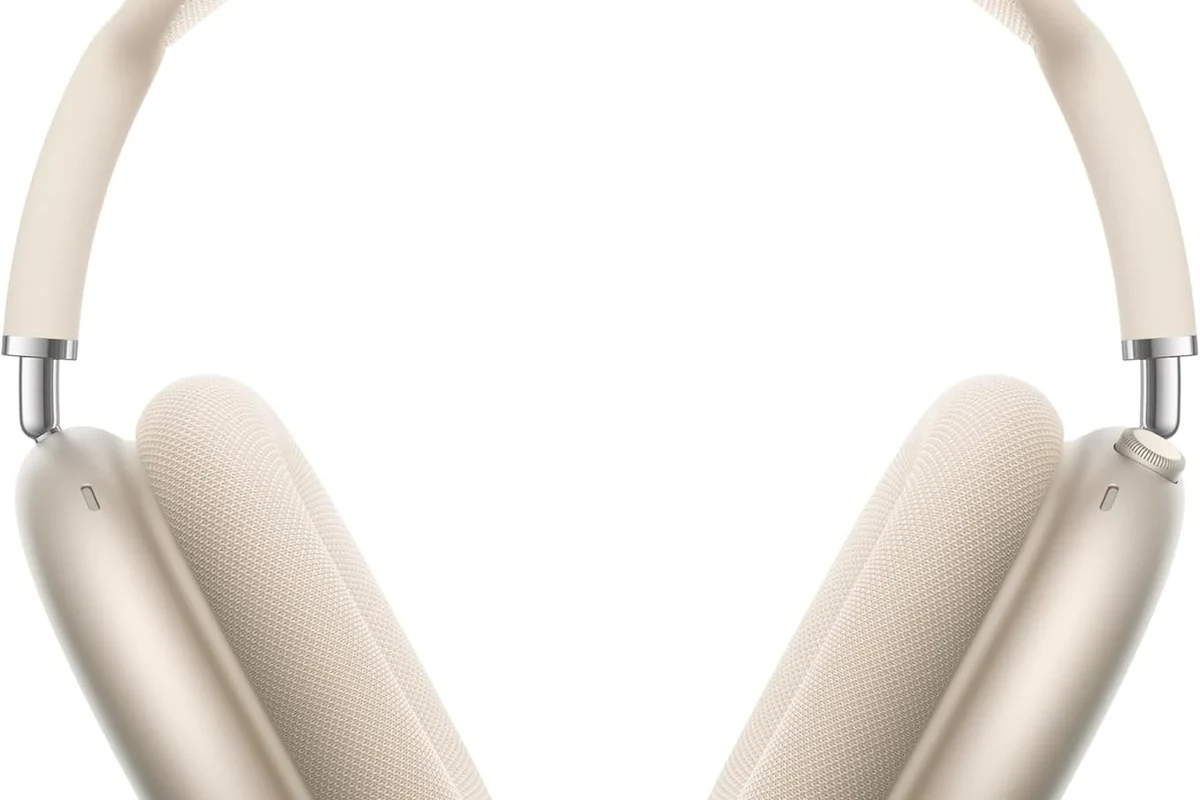
The PS5 does support wireless audio in some setups, but it does not offer broad native Bluetooth headphone support the way a phone or laptop does. That means most standard Bluetooth headphones will not show up as a simple pairing option in the console’s Bluetooth settings.
This is where a lot of gamers get stuck. The PS5 is built to prioritize compatible controllers, accessories, and certain licensed audio gear, so direct Bluetooth pairing is limited for many headphone models.
What the PS5 supports in 2025 and why most Bluetooth headphones still don’t pair directly
In 2025, the PS5 still works best with USB wireless headsets, wired headsets, and officially compatible accessories. Many Bluetooth headphones use a general audio profile that the console does not fully support for direct game audio.
Even when a headphone seems close to working, you may only get partial connection behavior or no audio at all. The limitation is usually about compatibility, latency, and how the console handles wireless audio routing.
Search intent: quick answer for gamers who want wireless audio without extra gear
Most readers asking this question want a simple way to keep their desk clear and avoid buying another accessory. That is possible in a few cases, but the trade-off is usually more setup steps, more delay, or fewer features than a proper PS5-compatible headset.
If you want broader guidance on pairing wireless audio devices, our how to connect Bluetooth headphones guide covers the basics across common devices. For readers comparing wireless and wired performance, our Bluetooth vs wired headphones sound quality article is also useful.
Best Ways to Use Bluetooth Headphones with PS5 Without a USB Adapter
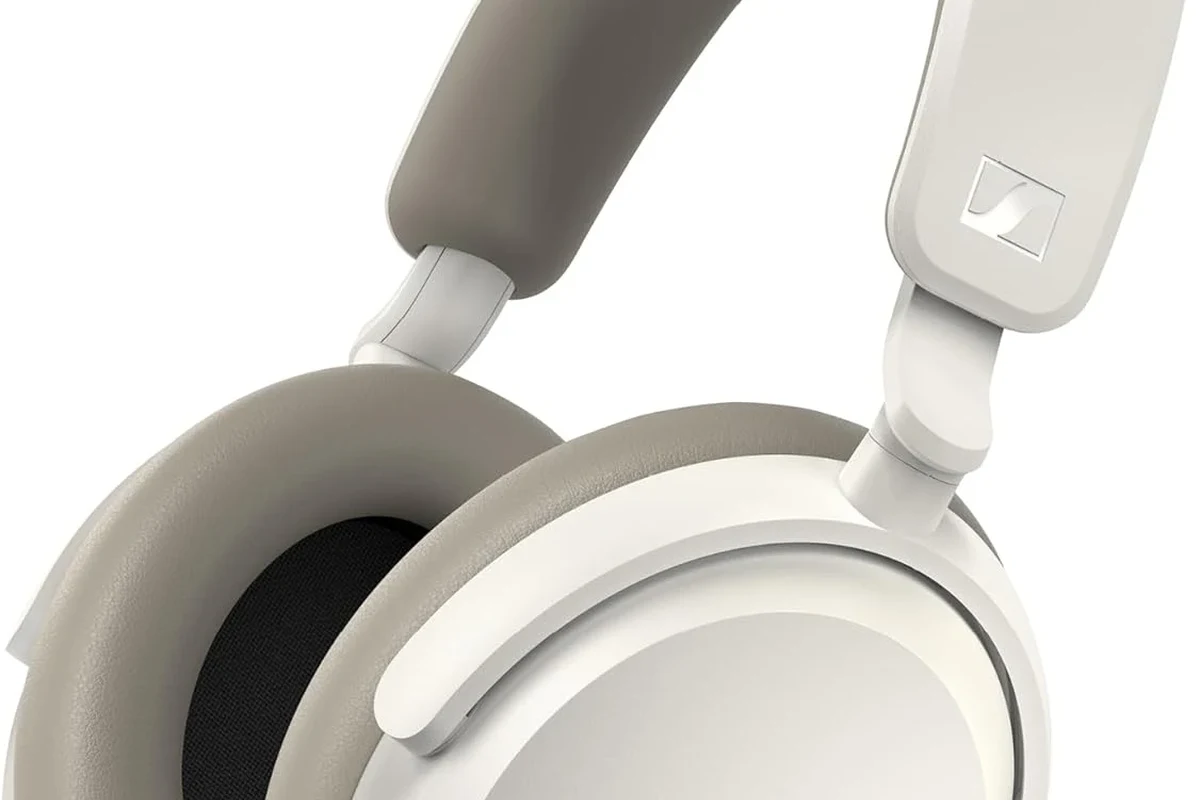
There are three practical no-adapter routes. None of them is as clean as native console pairing, but they can work well depending on your home setup and how sensitive you are to lag.
Using the PlayStation Remote Play app on phone, tablet, or PC
Remote Play can be one of the easiest ways to hear PS5 audio through Bluetooth headphones without connecting the headphones directly to the console. You stream the PS5 to a phone, tablet, or computer, then listen through the headphones connected to that device.
This method is especially handy if your headphones already pair well with your phone or laptop. The downside is that you are now depending on the performance of the Remote Play connection, which may not feel ideal for fast-paced competitive games.
Connecting through your TV’s Bluetooth audio output and sending sound to the PS5 setup
If your TV has built-in Bluetooth audio output, you may be able to pair your headphones to the TV instead of the PS5. The console sends video and audio to the TV through HDMI, and the TV handles the Bluetooth connection.
This is a good convenience option for casual gaming, especially if your TV supports low-latency audio modes. However, some TVs add delay or reduce sound quality, so this setup can vary a lot by brand and model.
Using a Bluetooth transmitter built into another device you already own
Some people already have a soundbar, monitor, AV receiver, or TV with Bluetooth transmission built in. In those cases, the PS5 can send audio to that device first, and the device can pass it on to your headphones.
This is not quite the same as direct console pairing, but it can be a smart no-extra-hardware solution if the device is already in your setup. Just remember that every extra step in the audio chain can increase latency or create pairing quirks.
If you notice delay, try changing your TV audio mode to game mode or low-latency mode before assuming the headphones are the problem.
Step-by-Step: How to Connect Bluetooth Headphones to PS5 Without Adapter
Below are the most realistic workarounds. The exact menus and names can vary by device and software version, but the general process stays the same.
Method 1: Pair headphones through Remote Play for direct wireless listening
Download PlayStation Remote Play on your phone, tablet, or PC and sign in with your PlayStation account.
Pair the headphones with the phone, tablet, or PC the same way you would for music or streaming audio.
Open the app, connect to your console, and route the game audio through the device that is already connected to your headphones.
This method is convenient because it avoids console pairing entirely. It works best when your internet connection is stable and your headphones already have a reliable Bluetooth connection to the secondary device.
Method 2: Route PS5 audio through a Bluetooth-enabled TV
Make sure your console is sending both video and audio to the television as normal.
Put your headphones in pairing mode and select them from the TV’s Bluetooth device list.
Test a game or video clip, then adjust TV sound settings if the audio feels behind the action or too quiet.
This is often the simplest living-room setup because the PS5 does not need to recognize the headphones directly. Still, TV Bluetooth is not always tuned for gaming, so results may vary.
Method 3: Use a controller-connected headset as a workaround when Bluetooth fails
If your Bluetooth route keeps failing, a wired headset plugged into the DualSense controller is the most dependable fallback. It does not give you true Bluetooth freedom, but it does solve the audio problem quickly and with very little setup.
For many players, this is the best backup plan when they want to keep gaming instead of troubleshooting. If you want to understand more about how different headphone types affect comfort and sound, our types of headphones explained guide is a helpful reference.
Controller-connected headsets are usually more consistent for chat and gameplay audio than Bluetooth workarounds, especially in games where timing matters.
Common Problems When Trying to Pair Bluetooth Headphones with PS5
Even when a no-adapter method works, it may not work perfectly. The most common issues are pairing limitations, delay, and missing microphone support.
No pairing option appears in PS5 settings
This is normal for many Bluetooth headphones. The PS5 often does not list standard Bluetooth audio devices in the same way a phone or laptop would.
If the headphones are not officially supported, the console may simply ignore them. In that case, switching to Remote Play or TV Bluetooth is usually the fastest fix.
Audio lag, lip-sync delay, and dropped connections
Bluetooth can introduce delay, and that delay becomes more noticeable in games than in music. If the sound arrives late, gunfire, dialogue, and on-screen action can feel disconnected.
Dropouts may also happen if the Bluetooth signal is weak or if your TV, phone, or PC is overloaded. For more troubleshooting ideas, see our Bluetooth headphone lag fix guide.
Microphone not working in games or party chat
Some no-adapter methods only carry playback audio and do not fully support mic input. That means you may hear the game fine but still need a separate microphone for chat.
This is one of the biggest trade-offs for gamers who want a headset-style experience. Always check whether your chosen workaround supports both listening and talking before you commit.
Why some headphones connect to the console but still won’t play game audio properly
In some cases, a device may appear connected but still not deliver usable sound. This can happen when the headset and console do not share the right audio profile or when the PS5 limits how that connection is handled.
It can be confusing because the pairing step looks successful, even though the actual audio path is incomplete. That is why “connected” and “fully usable” are not always the same thing with PS5 Bluetooth.
Compatibility varies by headphone model, TV model, app version, and console settings. A method that works for one setup may fail on another.
Expert Advice: What Top Headphone Reviews Recommends in 2025
Our editorial view is simple: no-adapter methods are best when convenience matters more than perfect gaming performance. If you mainly play story games, watch media, or game casually, the workarounds can be good enough.
When a no-adapter method makes sense and when it becomes frustrating
These methods make sense if you already own a Bluetooth TV, use Remote Play often, or just want a temporary solution. They become frustrating when you want instant pairing, stable mic support, and low-latency sound every time you play.
That is especially true for competitive shooters, rhythm games, and any title where audio timing matters. In those cases, a purpose-built gaming headset often feels more reliable.
Warning about latency, compatibility, and chat limitations
Latency is the biggest issue to watch. Even a small delay can make footsteps, dialogue, and action cues feel slightly off, which some players notice immediately.
Chat support is another limitation. If microphone input matters to you, make sure your setup can handle both game audio and voice communication before you settle on a workaround.
If you have hearing changes, tinnitus, or frequent ear discomfort, keep volume moderate and consider speaking with an audiologist for personalized guidance.
Best use cases for casual gaming versus competitive play
For casual gaming, Bluetooth through Remote Play or a TV can be a comfortable and simple solution. For competitive play, the cleaner choice is usually wired audio or a headset designed for PS5-compatible wireless use.
Sound quality preferences also matter. Some players like a warmer bass-heavy tuning, while others want more clarity for footsteps and dialogue, so choose the setup that fits your games and your ears.
Cost Comparison: Free Workarounds vs Buying a Bluetooth Adapter
Free methods can save money, but they often cost you in convenience or performance. A small adapter usually gives a cleaner experience, while a premium wireless headset can offer the best all-around comfort and stability.
Zero-cost methods and their trade-offs
Remote Play and TV Bluetooth cost nothing if you already own the needed device. The trade-off is that they may add lag, require extra setup, or limit microphone support.
They are good test options because you can try them before spending anything. If they do not meet your needs, you will know exactly what problem you are trying to solve.
Low-cost adapter options compared with premium wireless headset solutions
A Bluetooth adapter can be a simple fix, but it is still another piece of hardware to buy and manage. Premium wireless headsets usually cost more, yet they are often built for gaming convenience and lower-latency use.
If you are comparing value, think beyond the sticker price. Comfort, battery life, mic quality, and connection stability all affect whether the purchase feels worth it over time.
Which choice offers the best value for PS5 players in 2025
For most people, the best value depends on how often they play and how picky they are about delay. Casual players can usually start with a free workaround, while regular gamers may be happier with a headset or adapter built for the job.
If you want to compare wireless listening habits more broadly, our Bluetooth headphones explained simply article breaks down the basics in plain language.
Final Recap: The Easiest Way to Get Bluetooth Audio on PS5 Without Extra Hardware
The easiest no-adapter method depends on what you already own. Remote Play is often the most flexible for phone, tablet, or PC users, while a Bluetooth-enabled TV is the simplest living-room workaround.
Summary of the most reliable workaround for different user setups
If you already use a phone or PC near your console, Remote Play is usually the most direct path to wireless headphone listening. If your TV supports Bluetooth audio output well, that can be the simplest setup for everyday gaming.
If neither option feels dependable, a controller-connected headset is still the most stable fallback for game audio and chat.
Final recommendation for players who want convenience, sound quality, and low latency
For convenience, try the free workarounds first. For the best mix of sound quality and low latency, a PS5-friendly wireless headset or adapter is usually the more dependable long-term choice.
In short, you can connect Bluetooth headphones to PS5 without an adapter in a few practical ways, but the best method depends on your gear, your games, and how much delay you can tolerate.
Frequently Asked Questions
Not always. Many Bluetooth headphones will not pair directly with PS5, so compatibility depends on the model and the method you use.
Wired is usually better for low latency and reliability. Bluetooth is more convenient, but it can add delay and may limit chat support.
Yes, they can work well for blocking room noise. Sound tuning, latency, and comfort matter more than noise cancelling alone for gaming.
Closed-back headphones usually isolate sound better and are safer for shared spaces. Open-back models can feel more spacious, but they leak sound and are less private.
Check connection type, mic support, latency, comfort, battery life, and whether the headset is compatible with PS5. Driver tuning and weight also affect long-session comfort.
Look for light weight, soft ear cushions, and a headband with even pressure. Take breaks and keep volume moderate to reduce fatigue.