How Long Do Skullcandy Headphones Last Real Lifespan Guide

Skullcandy headphones can last several years, but wireless models usually wear out faster than wired ones because of battery aging. With careful charging, cleaning, and storage, many users can get solid long-term value from them.
Skullcandy headphones can last a surprisingly long time for the price, but the real answer depends on the model, how often you use it, and how well you treat it. In general, wired pairs often last longer than wireless ones, while true wireless earbuds usually wear out sooner because of their small batteries and charging cases.
- Wired lasts longest: No battery means fewer age-related failures.
- Wireless ages by battery: Runtime usually drops before sound quality does.
- Heavy use shortens life: Gym sweat, drops, and frequent charging add wear.
- Care matters: Cleaning and safe storage can extend lifespan.
How Long Do Skullcandy Headphones Last? What Buyers Really Want to Know
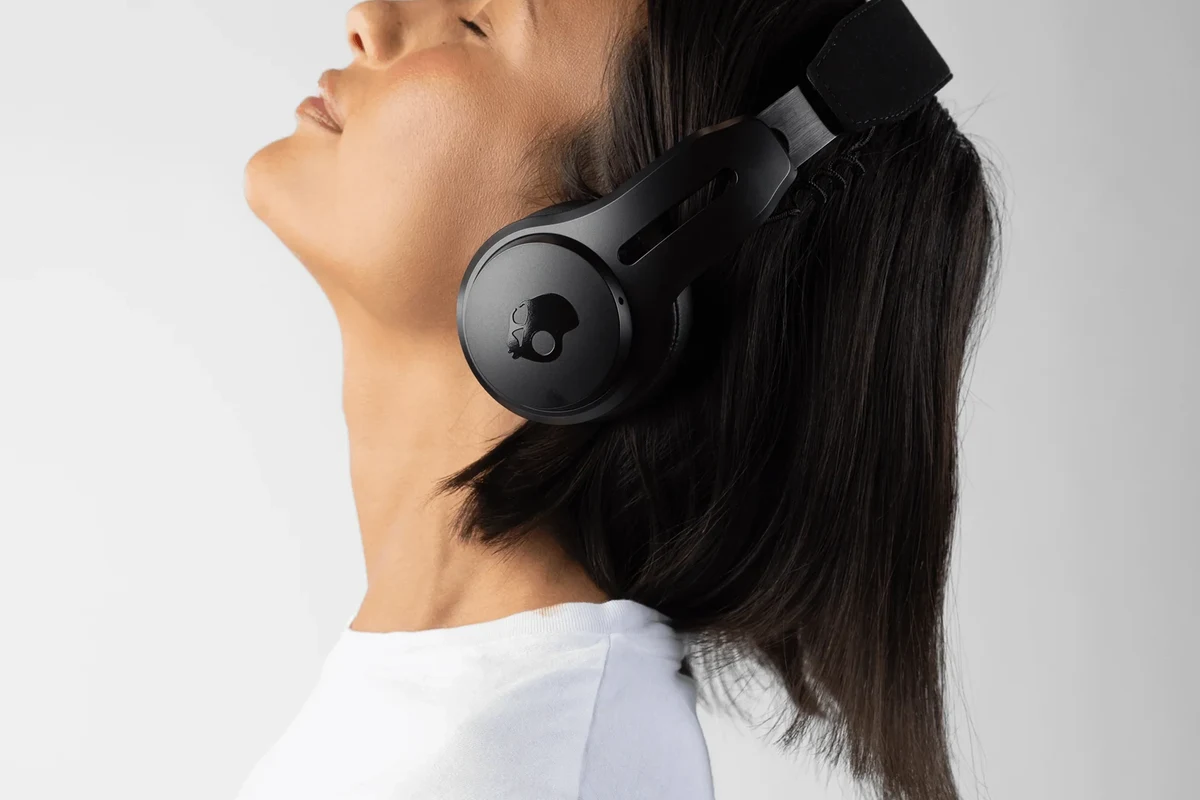
When people ask how long do Skullcandy headphones last, they usually want a practical answer, not a lab-style estimate. The honest version is that lifespan varies a lot by product type, but many buyers can expect years of use if the headset is not abused and the battery is cared for properly.
For most shoppers, the question is really about value. If a pair sounds good, stays comfortable, and survives daily use long enough to feel worth the money, that is usually a better measure than chasing a perfect number.
Typical Skullcandy Headphone Lifespan in 2026: Wired, Wireless, and True Wireless Models
In 2026, the expected lifespan of Skullcandy headphones still depends heavily on whether you buy wired, wireless over-ear, or true wireless earbuds. Wired models usually have the longest potential life because they do not rely on rechargeable batteries, while wireless models are limited by battery wear and charging cycles.
If you also want a broader comparison of headphone types, our guide to types of headphones explained can help you understand why some designs age better than others.
Average lifespan by model type and usage level
As a general rule, a wired Skullcandy headset can last several years if the cable stays intact and the plugs are not bent or yanked. Wireless over-ear models often last a few years before battery performance becomes noticeably weaker, while true wireless earbuds may show battery decline sooner because each earbud has a smaller cell that works harder.
Light users may stretch that lifespan much longer than heavy users. Someone who listens a few hours a week at home will usually get more life than a daily commuter or gym user who charges the headphones often and exposes them to more wear.
Battery aging is normal in all rechargeable headphones. A pair can still work fine even when battery runtime becomes shorter than it was on day one.
How Skullcandy compares with similarly priced headphone brands
At similar budget and midrange prices, Skullcandy is often judged on style, bass-forward sound, and convenience rather than premium durability. Some competing brands may feel more rugged in the hinges or pads, while others may offer better long-term battery consistency, but the best choice depends on your priorities.
If you are weighing wireless models against wired ones, our wired vs wireless headphones guide explains the trade-offs in lifespan, convenience, and repairability.
| Model | Best For | Price Range |
|---|---|---|
| Wired Skullcandy headphones | Simple daily use and long-term reliability | Varies |
| Wireless over-ear Skullcandy headphones | Commuting, casual listening, and portability | Varies |
| True wireless Skullcandy earbuds | Workouts and pocketable convenience | Varies |
What Affects Skullcandy Headphones’ Real-World Durability
Durability is not just about build materials. It also depends on battery wear, how often the headset is folded or dropped, and whether sweat, heat, or dust gets into the wrong places.
That is why two people can buy the same model and have very different experiences. One user may get years of dependable use, while another sees problems much sooner from rough handling or bad storage habits.
Battery wear, charging habits, and wireless performance decline
Rechargeable batteries naturally lose capacity over time, especially if they are charged constantly or kept at high heat. That means wireless Skullcandy headphones may still sound fine long after the battery no longer lasts as long as it once did.
Wireless performance can also feel worse if the battery is aging, even if the headphones still pair normally. For more on Bluetooth behavior and connection basics, see our Bluetooth headphones explained guide.
Most rechargeable headphones do not fail all at once. Battery runtime usually shrinks gradually before the headset finally feels inconvenient to use.
Build quality factors: hinges, ear pads, cables, and buttons
On over-ear and on-ear models, hinges and headband joints are often the first physical parts to show wear. Ear pads can flatten, peel, or lose their seal over time, which affects both comfort and sound.
For wired models, the cable is often the weakest point. For wireless models, buttons, charging ports, and folding mechanisms deserve attention because those are the parts that get used the most.
Environmental damage from sweat, drops, heat, and storage
Sweat is one of the biggest enemies of workout headphones, especially if they are not dried properly after use. Drops can loosen internal parts, while heat from a car dashboard or direct sun can damage plastics and batteries faster than normal room use.
Storage matters too. Tossing headphones into a bag without a case can bend the headband, crush the earcups, or stress the cable and charging port.
Heat, moisture, and repeated impact can shorten headphone life much faster than normal listening. If you use Skullcandy headphones for workouts, let them dry fully before charging or storing.
Practical Lifespan Examples: What Heavy, Moderate, and Light Users Can Expect
The easiest way to think about lifespan is by usage level. Heavy users usually wear out batteries and pads sooner, moderate users tend to get the best balance, and light users often keep a headset going for a long time.
That does not mean one type of user is “right” and another is “wrong.” It just means the same headphone can age very differently depending on how it is used every day.
Daily gym use vs. casual commuting vs. home listening
Daily gym use is the toughest environment. Sweat, movement, frequent charging, and bag storage all add stress, so true wireless earbuds and workout-friendly models often age fastest in this scenario.
Casual commuting is easier on headphones, but folding, removing, and packing them every day still adds wear. Home listening is usually the gentlest use case, especially if volume stays reasonable and the headset is not handled roughly.
If you want longer battery life, avoid fully draining rechargeable headphones every day. Small, regular top-ups are usually easier on the battery than repeated deep discharges.
Signs a Skullcandy headset is aging well or failing early
Aging well usually looks like minor cosmetic wear, slightly shorter battery runtime, and pads that still fit securely. That is normal for a well-used pair.
Early failure looks different: sudden charging problems, unstable Bluetooth connections, broken hinges, one-sided audio, or batteries that drop too quickly. If you notice those symptoms early, the issue may be more than normal aging.
If your headphones start cutting out, charging unpredictably, or sounding unbalanced, it may be worth checking the cable, firmware, or battery health before replacing the whole pair.
Common Mistakes That Shorten Skullcandy Headphone Life
Many headphone problems are caused by habits rather than defects. Overcharging, rough handling, and poor cleaning are some of the most common reasons a headset ages faster than expected.
These mistakes are easy to avoid once you know what to look for, and they can make a real difference in how long your headphones stay usable.
Overcharging, rough handling, and poor cleaning habits
Leaving wireless headphones plugged in all the time is not ideal, especially if they get warm while charging. Roughly folding the headband, pulling on the cable, or stuffing the case too tightly can also strain the weakest parts.
Cleaning matters more than many buyers think. Sweat and skin oils can degrade pads and buttons, while dust can build up around ports and controls. If you want a deeper cleaning walkthrough, our how to clean headphones guide covers safe basics.
Ignoring firmware issues, battery calibration, and worn accessories
Some wireless problems are software-related rather than hardware failure. If your Skullcandy headset supports firmware updates or reset steps, it is worth checking those before assuming the battery is dead.
Battery calibration can also help in cases where the battery meter seems inaccurate. Worn ear pads, a damaged cable, or a loose charging port can create the impression that the whole headset is failing when only one accessory or connection point needs attention.
- Battery runtime versus original performance
- Charging port and cable condition
- Hinge tightness and headband flex
- Ear pad wear, peeling, or flattening
Expert Advice: How to Make Skullcandy Headphones Last Longer
The best way to extend lifespan is to reduce stress on the battery and the physical parts. That means smarter charging, gentler storage, and regular cleaning after sweaty use.
None of these steps are complicated, but they can noticeably slow wear and help a budget headset feel like a better long-term purchase.
Charging and storage best practices for 2026 models
Try not to leave wireless headphones in hot cars, direct sunlight, or damp gym bags. Store them in a case when possible, and unplug them once they are charged rather than leaving them connected all night every time.
If you use Bluetooth often, keep firmware and pairing behavior simple and stable. When connection issues appear, a reset can sometimes fix problems that look like aging hardware. Our how to reset Bluetooth headphones guide is a useful reference.
Cleaning tips for sweat-resistant and workout-focused headphones
After workouts, wipe the headset with a dry or lightly damp microfiber cloth and let it air-dry fully before charging. Do not soak ear pads, ports, or mesh openings unless the product is specifically designed for that kind of cleaning.
If your model is marketed as sweat-resistant, remember that resistance is not the same as waterproofing. Sweat protection helps, but regular cleaning and drying still matter a lot.
Listening at high volumes for long periods can cause hearing damage. Keep volume at 60% or below for extended sessions.
When to replace parts instead of buying a new pair
Replace ear pads, cables, or charging accessories first when the main drivers and battery still work well. That is often the most cost-effective way to extend the life of a decent headset.
If the battery no longer holds enough charge, the hinge is cracked, or the sound is failing in one earcup, replacement may make more sense than repair. The right choice depends on the model, repair cost, and how much you still like the sound and comfort.
Are Skullcandy Headphones Worth the Price Over Their Lifespan?
Skullcandy can be a good value if you want simple features, fun sound, and easy everyday use. The value drops if you expect premium durability from a budget-friendly product that is being used hard every day.
That is why the lifespan question matters so much. A cheaper headset that lasts a reasonable amount of time can be a better buy than a more expensive pair that you do not enjoy wearing.
Repair vs. replace: cost-per-year value breakdown
A useful way to judge value is cost per year, not just sticker price. If a headset lasts several years and only needs small accessory replacements, it may be a strong deal even if it is not built like a premium studio model.
On the other hand, if the battery dies early and the model is difficult to repair, replacement may be the practical answer. For some users, a simple wired option can be a better long-term investment than a feature-heavy wireless one.
Which Skullcandy users get the best long-term value
Skullcandy usually offers the best value for casual listeners, students, commuters, and gym users who want easy wireless convenience without paying premium-brand prices. These buyers often care more about everyday comfort and fun sound than ultra-long service life.
Users who need maximum repairability, studio accuracy, or all-day professional reliability may be happier with a different category of headphone. If you are comparing use cases, our guide to Bluetooth vs wired headphones sound quality can help you decide what matters most.
Final Recap: The Real Answer to How Long Skullcandy Headphones Last
The real answer to how long do Skullcandy headphones last is that it depends on the model and how you treat it. Wired pairs generally have the longest potential lifespan, wireless over-ear models sit in the middle, and true wireless earbuds usually age the fastest because of battery limits.
If you want the best chance of getting years of use, keep the headphones clean, avoid heat and moisture, charge them sensibly, and replace worn accessories before the whole headset fails. That approach gives most Skullcandy buyers the best mix of convenience, value, and everyday reliability.
Frequently Asked Questions
Usually, yes. Wired headphones avoid battery wear, so they often last longer if the cable and plug stay in good condition.
They can be a good fit for casual workout use, especially if the model is sweat-resistant. Just remember that sweat and frequent charging can shorten lifespan over time.
Both matter, but EQ can make a bigger everyday difference for many listeners. Driver type sets the baseline sound, while EQ helps you adjust bass, clarity, and treble to taste.
Choose based on comfort, portability, and isolation. Over-ear models usually feel more comfortable for long sessions, while in-ear models are easier to carry and better for workouts.
Look at battery life, comfort, weight, Bluetooth version, microphone quality, and build materials. If you care about sound, also check tuning style, driver size, and whether EQ is available.
Choose a light fit, breathable pads, and a secure but gentle clamp. Taking short breaks also helps reduce ear fatigue and pressure.