How Do Beats by Dre Headphones Work Explained Simply

Beats by Dre headphones work by turning audio from your device into sound through internal drivers, usually over Bluetooth, with microphones and battery-powered features added for convenience. Their main signature is a bass-forward, easy-to-enjoy sound that suits casual listening, commuting, and workouts.
Beats by Dre headphones work by combining standard headphone hardware with wireless audio tech, built-in microphones, and a sound signature that is tuned for punchy, bass-heavy listening. In simple terms, they turn electrical or digital audio signals into sound you hear in your ears, while adding convenience features like Bluetooth, noise cancellation, and voice calls.
If you want the short version of how Bluetooth headphones work, Beats are mostly about easy pairing, strong everyday usability, and a lively sound that many listeners find fun. The exact experience can vary by model, your device, fit, and whether you use them wired or wirelessly.
- Core function: Drivers convert the audio signal into sound you hear.
- Wireless flow: Bluetooth sends audio to the headphones before playback.
- Sound style: Beats are usually tuned for energetic, bass-forward listening.
- Real-world fit: Comfort, seal, and model choice strongly affect performance.
How Do Beats by Dre Headphones Work? A Simple Overview for 2026
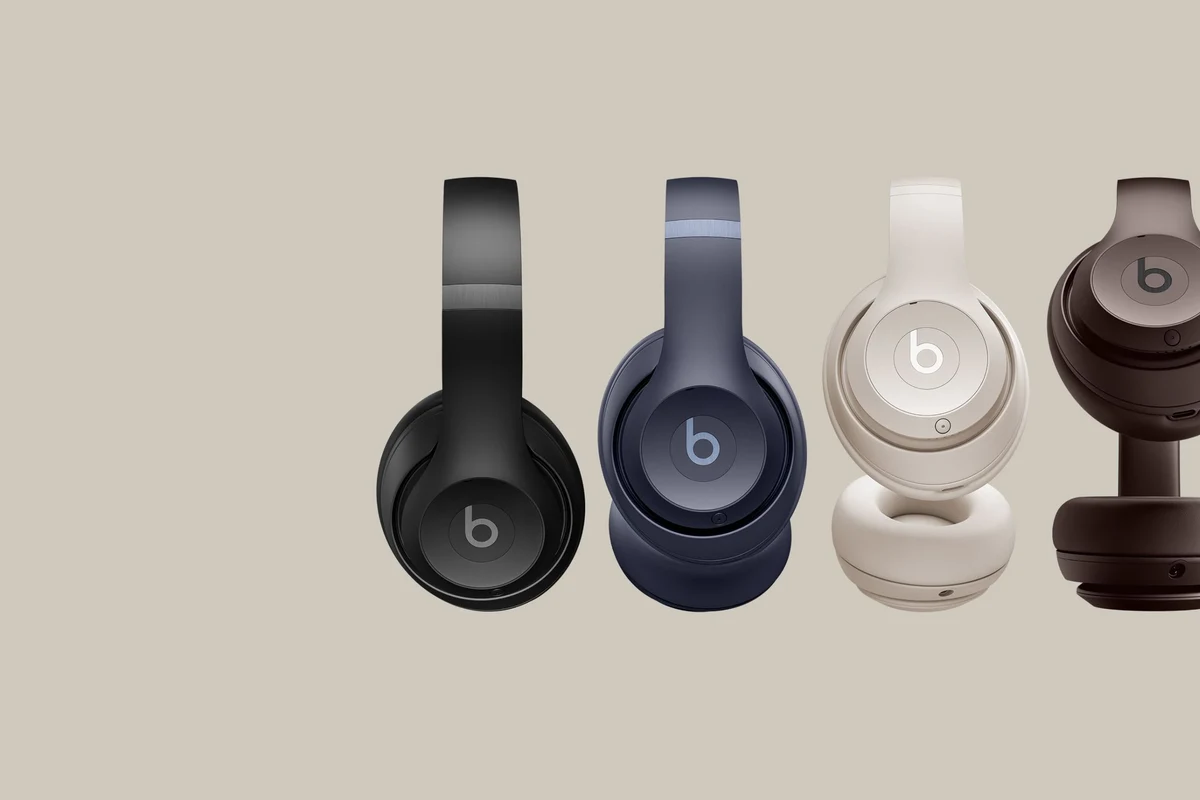
At the most basic level, Beats headphones take an audio signal from your phone, tablet, laptop, or music player and convert it into sound through small speaker parts called drivers. If the model is wireless, that signal is sent by Bluetooth first, then decoded inside the headphones before the drivers play it.
Many Beats models also include microphones, buttons or touch controls, battery management, and sometimes active noise cancellation. That means they are not just speakers for your head; they are a complete audio system designed for listening, calls, and portable use.
Note
Beats is a consumer headphone brand, so the sound is usually tuned for easy enjoyment rather than strict studio accuracy.
The Core Technology Inside Beats by Dre Headphones
Most Beats headphones rely on a few key parts working together: drivers for sound, Bluetooth chips for wireless audio, microphones for calls and voice features, and internal processing for battery, controls, and sometimes noise cancellation. The model you choose affects how much of this technology is included.
Drivers, magnets, and how sound is created
The driver is the part that actually makes sound. Inside each earcup, a diaphragm moves back and forth when an audio signal passes through a coil and magnet system, pushing air and creating the sound waves your ears hear.
In simple terms, stronger or more carefully tuned drivers can help with clarity, bass response, and volume handling, but the final result depends on the whole design. Ear pad seal, cup shape, and tuning matter just as much as the driver itself.
A headphone can use a very similar driver type to another model and still sound quite different because of tuning and earcup design.
Bluetooth chips, pairing, and wireless signal flow
Wireless Beats models use Bluetooth chips to receive audio from a device. Once paired, your phone or laptop sends compressed digital audio to the headphones, which then decode and play it through the drivers.
This is why wireless sound quality can depend on Bluetooth stability, codec support, and distance from your device. If you want a deeper explanation of the tradeoffs, our guide on Bluetooth vs wired headphones sound quality is a good companion read.
Audio Tip
For the most stable wireless connection, keep your source device close and avoid heavy interference from crowded Wi-Fi or too many nearby Bluetooth devices.
Built-in microphones and call processing
Most Beats headphones include one or more microphones for phone calls, voice assistants, and sometimes noise control features. These mics pick up your voice and send it back to your device, while onboard processing may reduce background noise to make speech clearer.
Call quality can vary a lot by model and environment. A quiet room usually gives the best results, while wind, traffic, and gym noise can make any headset sound less clear.
Why Beats Sound the Way They Do
Beats are known for a sound profile that leans energetic and bass-focused. That does not mean they sound bad; it means they are tuned to make music feel fuller, more powerful, and more exciting for many everyday listeners.
Bass-forward tuning and what it means in real listening
Bass-forward tuning usually means low frequencies like kick drums, bass guitars, and electronic drops are emphasized a bit more than they are on neutral studio headphones. This can make pop, hip-hop, EDM, and workout playlists feel more impactful.
The tradeoff is that some listeners may notice less midrange detail or a less flat presentation than they would get from more analytical headphones. If you prefer accuracy over excitement, Beats may not be your first choice.
How sound tuning affects music, movies, and workouts
For music, the tuning often creates a fun, energetic presentation that works well for casual listening. For movies and games, the extra low-end can make explosions and effects feel bigger, though dialogue clarity depends on the model and the mix.
For workouts, bass emphasis can make the listening experience feel more motivating. That is one reason many people compare Beats with other portable options in types of headphones explained when choosing a gym-friendly set.
How Beats by Dre Headphones Connect to Your Devices
Connection is one of the biggest reasons people buy Beats. They are designed to pair quickly with phones, tablets, and computers, then stay connected with minimal setup for everyday use.
Fast pairing with iPhone, Android, tablets, and laptops
Many Beats models support fast pairing, which means your device can detect them quickly and guide you through setup. On supported platforms, this makes the connection process much easier than manually searching and pairing every time.
For laptop users, the process is still simple, but the steps can vary by operating system. If you need help with computer setup, our guide on how to connect Bluetooth headphones can help you troubleshoot the basics.
Wired vs. wireless use and when each makes sense
Wireless use is the most convenient because it removes cable clutter and lets you move freely. That is ideal for commuting, walking, exercise, and casual day-to-day listening.
Wired use can make sense if your model supports it and you want to avoid battery drain or reduce latency in certain situations. Some people also prefer wired listening when they want a more direct connection or need to keep using headphones after the battery runs low.
Important
Not every Beats model supports the same wired options, so always check the exact version before buying if cable use matters to you.
Battery life, charging, and what happens when power runs low
Like most wireless headphones, Beats depend on internal batteries for Bluetooth, microphones, and any active features such as noise cancellation. When the battery runs low, you may lose some functions or have the headphones shut off completely until recharged.
Charging is usually straightforward through a modern charging port, but battery life varies by model and feature use. Noise cancellation, higher volume, and long call sessions can all reduce runtime faster than simple music playback.
Listening at high volumes for long periods can cause hearing damage. Keep volume at 60% or below for extended sessions.
Practical Examples: What You Notice in Everyday Use
The best way to understand how Beats work is to think about real-world use. Their features are designed to be noticeable in everyday listening, not just on a spec sheet.
Gym and running performance
At the gym, Beats often feel appealing because of their secure fit on many models, wireless convenience, and energetic sound. The bass emphasis can make training playlists feel more motivating, especially at moderate volume.
For running, a stable fit matters as much as sound quality. If the headphones move too much or the ear cushions do not seal well, the experience can become distracting fast.
Travel, commuting, and noise isolation
On planes, trains, and buses, many people value Beats for their noise control features and closed-back design. Some models use active noise cancellation, while others rely more on physical isolation from the ear pads.
If you want to understand the difference between these approaches, see our guide on how noise cancelling headphones work. It is helpful for separating ANC from simple passive isolation.
Casual listening, gaming, and video calls
For casual listening, Beats are easy to use and generally enjoyable straight out of the box. That makes them a strong fit for people who want a simple, polished experience rather than a highly technical one.
For gaming, wireless latency and mic quality can matter depending on the model and platform. For video calls, the built-in microphones are convenient, but a dedicated headset or external mic may still be better for frequent work use.
Common Mistakes People Make When Using Beats Headphones
Beats are popular enough that a few misunderstandings come up again and again. Knowing these can help you get better results and avoid disappointment.
Expecting studio-neutral sound from a consumer-tuned headset
One common mistake is expecting Beats to sound flat and neutral like studio monitoring headphones. That is not their main goal, and it is not what most buyers want from them.
If you need a more balanced sound for editing or mixing, compare them with more neutral options before you buy. Consumer tuning can be fun, but it is not always the best match for critical listening.
Ignoring fit, seal, and ear cushion condition
Fit changes everything. Even a good headphone can sound weak or thin if the ear pads are worn out or the seal around your ears is poor.
That is especially true for bass response, because low frequencies rely heavily on a proper seal. If your headphones sound different than expected, cushion wear may be part of the problem.
Confusing ANC, transparency mode, and passive isolation
ANC reduces outside noise electronically, transparency mode lets outside sound in on purpose, and passive isolation comes from the physical fit of the earcups or earbuds. These are not the same feature.
People sometimes assume any quiet-sounding headphone has ANC, but that is not always true. If you want a deeper breakdown, our article on active vs passive noise cancellation explains the difference clearly.
Expert Advice: What to Watch Out for Before Buying in 2026
If you are shopping for Beats in 2026, focus less on the brand name alone and more on the exact model, feature set, and whether the sound signature fits your needs. Small differences between versions can change the experience a lot.
Model differences that change performance and price
Not all Beats headphones are built the same. Some are over-ear, some are on-ear, some are more portable, and some include better noise cancellation or microphone systems than others.
That means the best model for a student, commuter, gamer, or frequent flyer may be different. Before buying, compare comfort, battery life, wired support, and noise control rather than assuming every Beats headset behaves the same way.
When Beats are a smart buy versus better alternatives
Beats can be a smart buy if you want easy pairing, a recognizable design, strong portability, and a lively sound for everyday use. They are especially appealing for listeners who value convenience over technical neutrality.
Better alternatives may make more sense if you want flatter sound, stronger value at a lower price, or a feature set tailored to studio work, gaming, or maximum battery life. The right choice depends on your use case, not just the logo.
If you have persistent ringing, pain, or hearing fatigue after listening, reduce volume and consider speaking with an audiologist. If you mainly need headphones for work calls or editing, a professional audio specialist can help you choose a better match.
Important warning about fake or refurbished units
Counterfeit headphones are a real problem, and fake units can sound worse, break faster, or fail to pair properly. Refurbished units can be fine, but only if they come from a trustworthy seller with clear return support.
Important
Always buy from reputable retailers and verify serial, packaging, and return policy before paying for any premium headphone model.
Final Recap: The Simple Answer to How Beats by Dre Headphones Work
So, how do beats by dre headphones work? They convert audio from your device into sound through internal drivers, usually receive that audio wirelessly through Bluetooth, and add features like microphones, controls, and sometimes noise cancellation for easier everyday use.
The reason they stand out is not just the hardware, but the tuning. Beats are generally designed to sound energetic, bass-forward, and convenient, which makes them a strong fit for casual listening, commuting, and workouts, as long as that sound style matches your preferences.
- Beats turn digital audio into sound with drivers inside each earcup.
- Wireless models use Bluetooth, microphones, and battery-powered processing.
- The sound is usually bass-forward and tuned for fun, everyday listening.
- Fit, seal, and model choice affect comfort and sound more than many buyers expect.
Frequently Asked Questions
Wireless is more convenient for most people because it is easier to use on the go. Wired can still help if your model supports it and you want to avoid battery drain or reduce latency.
Some Beats models include active noise cancellation, but not all do. Even without ANC, the earcup seal can still provide passive isolation from outside noise.
Beats makes different headphone styles, including over-ear, on-ear, and earbuds. The right type depends on comfort, portability, and how much outside noise you want to block.
Both matter, but tuning often has the bigger effect on what you hear day to day. A well-tuned headphone with good fit can sound better than a technically similar model with poor tuning.
Yes, EQ can help if you want less bass or more vocal clarity. Start with small changes, because heavy EQ can make the sound less natural or reduce detail.
Check battery life, microphone quality, comfort, latency, and whether the model has ANC or transparency mode. Also compare fit and weight, because long sessions can feel very different from short demos.