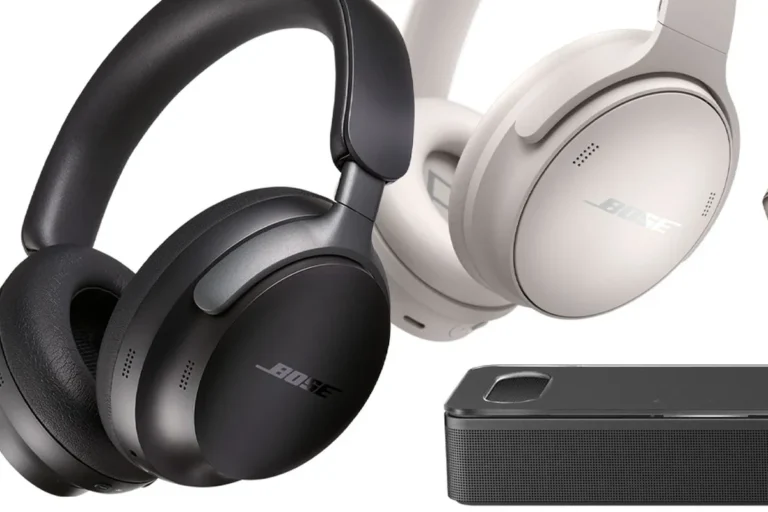
Does Bose Make Wired Headphones A Complete Guide

Yes, Bose still makes headphones that can be used with a wire, but most current models are wireless-first with cable support. If you want Bose for wired use, check the exact model for cable type, ANC behavior, and device compatibility.
If you are asking whether Bose still makes wired headphones, the short answer is yes—but mostly in the form of wired-compatible models rather than a big all-wired lineup. In 2026, Bose is still better known for wireless headphones, yet several models can still be used with a cable depending on the version and accessories.
- Current reality: Bose offers wired-compatible headphones more than true wired-first models.
- Best use: Wired mode is useful for travel, gaming, and backup listening.
- Important check: Confirm cable inclusion, connector type, and mic support.
- Feature caution: ANC may not behave the same in wired mode on every model.
- Value tip: Bose is best for comfort and noise cancellation, not always pure wired value.
Does Bose Make Wired Headphones? Quick Answer and What It Means in 2026
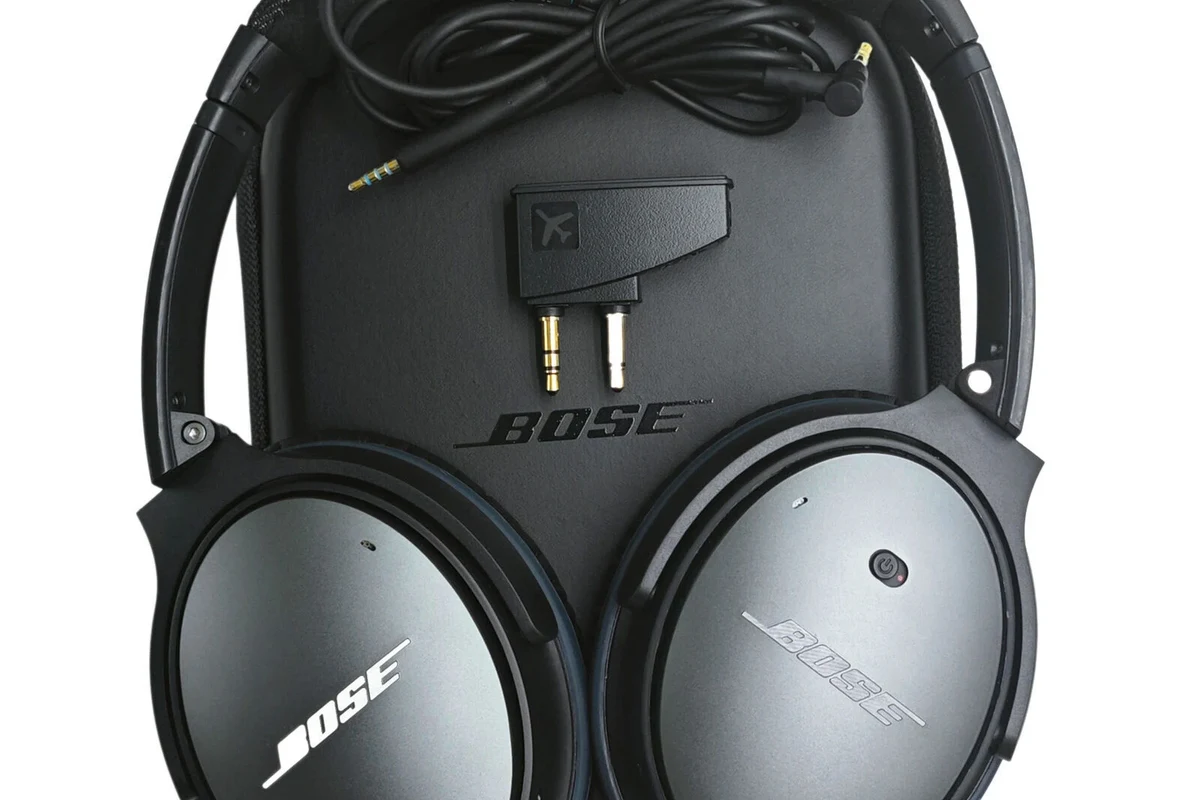
Bose does make headphones that work with a wire, but the brand’s current focus is clearly wireless first. For many buyers, that means the real question is not “does Bose make wired headphones?” so much as “which Bose models still support wired listening well?”
That distinction matters because Bose products can handle wired use in different ways. Some use a 3.5mm analog cable, some depend on USB-C for charging and audio on certain devices, and some offer detachable cables that let you switch between wireless and wired modes.
Why shoppers still search for wired Bose headphones
People still want wired headphones for practical reasons. A cable can reduce latency, avoid battery anxiety, and work better with older in-flight systems, studio gear, or devices that do not play nicely with Bluetooth.
Bose also has a strong reputation for comfort and noise cancellation, so shoppers often want that Bose experience without relying fully on wireless playback. If you are comparing connection types, it can help to read a broader guide like wired vs wireless headphones before deciding.
What “wired” can mean for Bose products: 3.5mm analog, USB-C, and detachable cable use
“Wired” is not always one simple thing. With Bose, it may mean a standard 3.5mm cable for analog listening, a USB-C connection for supported devices, or a detachable cable that turns a wireless headset into a wired backup when needed.
Not every Bose headphone includes a cable in the box, and not every cable supports the same features. Always check the exact model, package contents, and device compatibility before buying.
It is also worth remembering that wired and wireless sound can differ depending on the model and source device. For a deeper look at that tradeoff, see our guide to Bluetooth vs wired headphones sound quality.
Bose’s Current Wired Headphone Lineup: What’s Actually Available
Bose does not market a large catalog of old-school wired headphones anymore. Instead, the current lineup tends to center on wireless headphones that still allow wired use, which is a helpful middle ground for many buyers.
Over-ear models that still support a cable connection
Most shoppers looking for Bose wired use are really looking at over-ear models with detachable cables. This is the most common Bose approach because it preserves wireless convenience while keeping a backup wired option for travel or low-latency use.
That setup is especially useful if you want Bose’s active noise cancellation but also want the option to plug in on a plane or at a desk. If noise cancellation is a major reason you are considering Bose, our explanation of noise cancelling headphones can help you understand what to expect in wired and wireless modes.
In-ear and sport options with wired compatibility or legacy versions
Bose is far less associated with traditional wired earbuds today than it once was. Some older in-ear models and legacy sport options may still be found on the secondhand market or through leftover inventory, but they are not the main focus of the brand’s current catalog.
That means buyers who want a true Bose wired earbud experience may need to look carefully at availability, condition, and whether the product is new, refurbished, or discontinued. For many people, Bose in this category is more of a compatibility story than a full wired-first product line.
Discontinued Bose wired models worth knowing about
Bose has had several wired models over the years, especially in the over-ear and in-ear categories. Many of those are now discontinued, but they still matter because they show how Bose has gradually shifted toward wireless-first designs.
If you are shopping used or refurbished, make sure you check the cable type, microphone support, and whether replacement parts are still easy to find. Discontinued headphones can be a good value, but only if the cable and ear cushions are in good shape.
Many wireless Bose headphones can still function passively through a cable, but the exact sound and feature behavior can change depending on whether the battery is charged.
How Bose Wired Headphones Compare to Wireless and Noise-Canceling Models
For most buyers, the main comparison is not simply wired versus wireless. It is whether a Bose model gives you the sound, comfort, and noise control you want when the cable is plugged in.
Sound quality differences when using a cable versus Bluetooth
Wired listening can sometimes offer a more direct signal path, which many listeners prefer for clarity and consistency. Bluetooth, on the other hand, adds wireless convenience and may sound slightly different depending on codec support, source device, and headphone tuning.
That does not automatically mean wired is “better” in every case. Bose tunes many of its headphones for broad appeal, so the biggest difference you may notice is often in reliability and latency rather than a dramatic night-and-day sound change.
Latency, battery use, and reliability for travel, gaming, and work
Cable use can reduce delay, which is important for gaming, video editing, and watching lip-synced content. It also removes the need to manage Bluetooth pairing, battery levels, and occasional connection drops.
For travel, wired mode can be a lifesaver when battery life is low or when an airplane entertainment system still uses a headphone jack. If you are new to device setup, our article on selecting headphones in Windows 11 may also help with desktop compatibility.
Listening at high volumes for long periods can cause hearing damage. Keep volume at 60% or below for extended sessions.
When wired mode is better than full wireless
Wired mode is usually the better choice when you want dependable playback, low latency, or a backup option during long trips. It can also be useful in office or studio settings where you do not want to worry about charging.
Wireless is still more convenient for walking around, commuting, and casual listening. The best choice depends on how often you need mobility versus how often you need a stable connection.
Best Use Cases for Bose Wired Headphones
Bose wired-compatible headphones make the most sense in situations where convenience and reliability matter just as much as sound. They are not always the most specialized wired headphones, but they can be very practical.
Air travel and in-flight entertainment systems
Airplane systems often still support a wired headphone jack, and Bose over-ear models are popular for this reason. A cable can help you avoid Bluetooth pairing issues and keep listening even when wireless use is restricted.
For frequent flyers, this is one of the most compelling reasons to choose a Bose model that supports wired playback. Comfort matters too, especially on long flights where clamp force and ear cushion softness can affect fatigue.
Studio, office, and remote work setups
In an office or home workspace, wired use can be a simple way to avoid dropouts and keep your setup predictable. It is especially useful if you switch between laptops, desktop PCs, and conference apps during the day.
If your work setup is Windows-based, compatibility can be easier when you understand how the system routes audio. Our guide to selecting headphones in Windows 11 2 can be useful if your device does not automatically pick the right output.
Gaming, video editing, and low-latency listening
Gaming and video editing are two of the strongest reasons to choose wired audio. Even small wireless delays can be distracting, while a cable usually gives you more predictable timing.
If you care about sync and responsiveness, wired mode is often the safer pick. That is especially true for competitive gaming or editing speech-heavy content where timing matters.
Everyday backup use when batteries run low
One of the most underrated benefits of Bose wired compatibility is backup power. If your battery dies mid-trip or during a long workday, a cable can keep the headphone usable instead of turning it into a dead accessory.
If you plan to use a Bose headphone as a daily backup, keep the cable in your bag and test it once before you need it. That way you know the connector, fit, and microphone behavior ahead of time.
Common Mistakes Buyers Make When Looking for Wired Bose Headphones
It is easy to assume all Bose headphones are the same once you see a cable in the product photos. In reality, small details about the cable and connection type can change the whole experience.
Assuming every Bose headphone includes a cable in the box
Some Bose models include a cable, while others may not, and package contents can vary by region or retailer. That is why it is important to read the listing carefully instead of assuming the cable is automatically included.
- Does the box include a cable?
- Is the cable detachable?
- Is the connector 3.5mm, USB-C, or proprietary?
Confusing passive wired listening with active noise cancellation requirements
Some headphones still play audio through a cable even when the battery is off, but active noise cancellation may not behave the same way. In some models, ANC needs power to work properly, even if the headphone is physically connected by wire.
That is why buyers should not assume “wired” automatically means “all features work without battery.” If ANC is important to you, check the model-specific behavior before you buy.
Buying the wrong adapter for USB-C, Lightning, or 2.5mm/3.5mm use
Adapters can solve compatibility problems, but only if you buy the right one. A USB-C phone, a Lightning-based device, and a standard 3.5mm laptop jack may each require a different approach.
It is also easy to miss whether the headphone uses a standard plug or a proprietary connector. If you are unsure, confirm the exact port type before ordering accessories.
Overlooking whether the cable is removable or proprietary
Removable cables are easier to replace and often more convenient for travel. Proprietary cables can still work well, but they may be harder to source if the original cable wears out.
If you depend on headphones for daily work, commuting, or hearing-sensitive use, consider speaking with an audiologist if you notice discomfort, fatigue, or ringing after listening. A professional audio specialist can also help if you are unsure which fit or sound profile is best for your needs.
Price, Value, and Comparison: Are Wired Bose Headphones Still Worth It?
Bose is usually not the cheapest option, but many buyers are paying for comfort, noise cancellation, and a polished user experience. Whether that is worth it depends on how much you value those extras in wired use.
Typical price range for Bose models that support wired listening in 2026
Prices can vary widely based on model, retailer, and whether you are buying new, refurbished, or discontinued stock. In general, Bose wired-capable headphones tend to sit in the mid-to-premium range rather than the budget category.
How Bose compares with Sony, Sennheiser, and Audio-Technica for wired use
For wired listening, Bose competes more on comfort and noise cancellation than on being the most studio-focused brand. Sony may appeal to shoppers who want feature-rich travel headphones, while Sennheiser and Audio-Technica often attract people who prioritize more traditional audio-first tuning.
If you are still deciding between connection styles, our broader guide to types of headphones explained can help you narrow down whether over-ear, on-ear, or in-ear designs make the most sense.
When Bose is the premium choice and when another brand makes more sense
Bose is a strong premium choice if you want comfort, travel-friendly noise cancellation, and a cable as a backup. It makes less sense if your top priority is purely wired performance, interchangeable parts, or a more budget-friendly purchase.
For buyers focused mainly on sound tuning and cable-first use, another brand may offer better value. For buyers who want a polished all-around experience with wired flexibility, Bose can still be a smart pick.
Expert Advice: What to Check Before Buying a Bose Headphone for Wired Use
Before you buy, it helps to slow down and verify the basics. A little checking upfront can prevent most compatibility headaches later.
Confirming cable support, mic support, and device compatibility
First, confirm whether the exact Bose model supports wired playback and whether a microphone works through the cable. Some cables are audio-only, while others may support calls and inline controls depending on the device.
Checking whether ANC still works in wired mode
This is one of the most important questions for Bose shoppers. Some headphones keep ANC active in wired mode, while others may need battery power or behave differently depending on the settings.
If you care about how noise cancellation changes in different modes, it can help to understand the basics of noise cancelling headphones and how they are powered.
Warning signs that a model is wireless-first and not ideal for cable-first buyers
Be cautious if the listing emphasizes app features, wireless battery life, and smart controls but says very little about wired performance. That often means the headphone was designed primarily as a wireless product with wired use as a backup.
If you need a headphone for constant wired use, do not assume a wireless-first Bose model will behave like a true wired headphone. Check the manual, the connector type, and the feature list before purchase.
Final Recap: The Best Takeaway for Buyers Asking “Does Bose Make Wired Headphones?”
Bose does make headphones that work with a wire, but the brand’s modern lineup is mostly wireless-first with wired compatibility built in. That makes Bose a good fit for shoppers who want flexibility more than a pure cable-only design.
Summary of what Bose offers today
Today, Bose’s wired story is mainly about detachable cables, backup listening, and compatibility with travel or desktop setups. True wired-first Bose models are much less common than they used to be.
- Bose still supports wired listening on selected models.
- Most current Bose headphones are wireless-first with cable backup.
- Check ANC, mic support, and connector type before buying.
Who should buy Bose wired-compatible headphones in 2026
Buy Bose if you want premium comfort, strong noise cancellation, and the option to plug in when needed. That is especially true for frequent travelers, office users, and anyone who wants a dependable backup connection.
Final buying recommendation based on budget and use case
If you want the best value for strict wired use, compare Bose with more cable-focused brands before you buy. If you want a premium all-round headphone that can still go wired when needed, Bose remains a solid option in 2026.
Frequently Asked Questions
Bose still offers headphones that can be used with a cable, but most of its current lineup is wireless-first. True wired-first Bose models are much less common than they used to be.
Many Bose models are strong at noise cancellation, even when used with a cable. However, ANC behavior can vary by model, so check whether the feature still works the way you expect in wired mode.
Wired can offer a more direct connection and may reduce latency, while Bluetooth adds convenience and mobility. Sound quality differences depend on the model, source device, and your listening preferences.
Over-ear models are usually the best fit if you want Bose wired compatibility plus comfort and noise isolation. In-ear and on-ear options may work too, but availability and cable support can be more limited.
Check the connector type, whether the cable is included, mic support, and whether ANC works in wired mode. It also helps to confirm device compatibility with your phone, laptop, or console.
Bose is a strong choice if you want comfort, travel-friendly noise cancellation, and a useful wired backup. If your main goal is pure wired audio or a lower price, another brand may be a better fit.