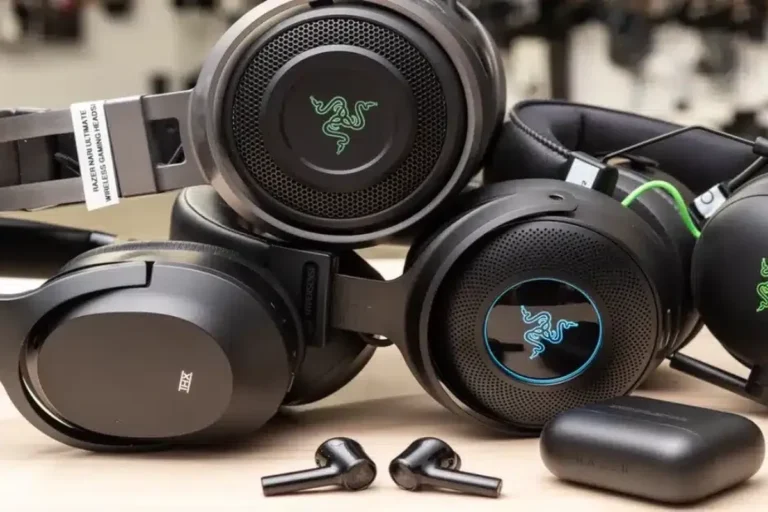
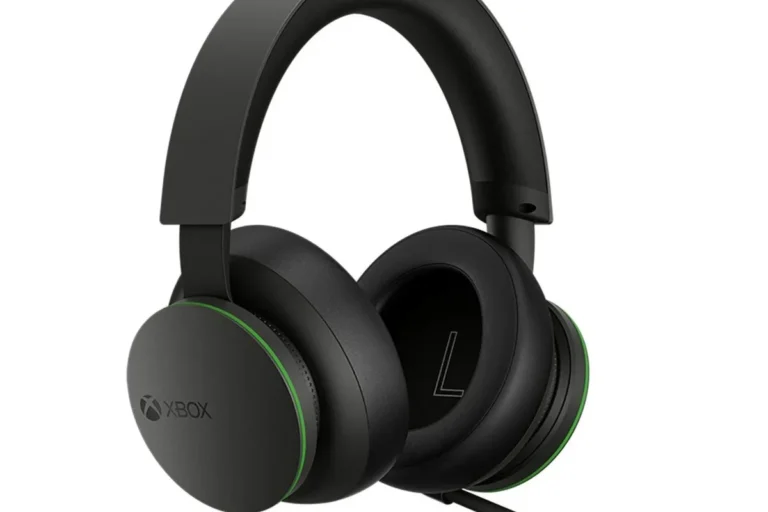
Do Wireless Headphones Work on a Plane and How to Use Them

Yes, wireless headphones work on a plane when they connect to your phone, tablet, laptop, or a compatible adapter. They usually do not connect directly to the plane’s seatback system unless you add a Bluetooth transmitter or use a wired backup.
If you’re wondering whether wireless headphones work on a plane, the short answer is yes — but not in every situation. They work best when paired with your own phone, tablet, or laptop, and they can also work with some inflight entertainment systems if you use the right adapter or Bluetooth transmitter.
- Device connection: Bluetooth headphones work best with your own media device.
- Airplane mode: You can usually turn Bluetooth back on after enabling it.
- Seatback audio: Older inflight systems may need an adapter or transmitter.
- Travel prep: Charge fully, download media, and pack a backup cable.
Do Wireless Headphones Work on a Plane? Quick Answer for 2026 Travelers
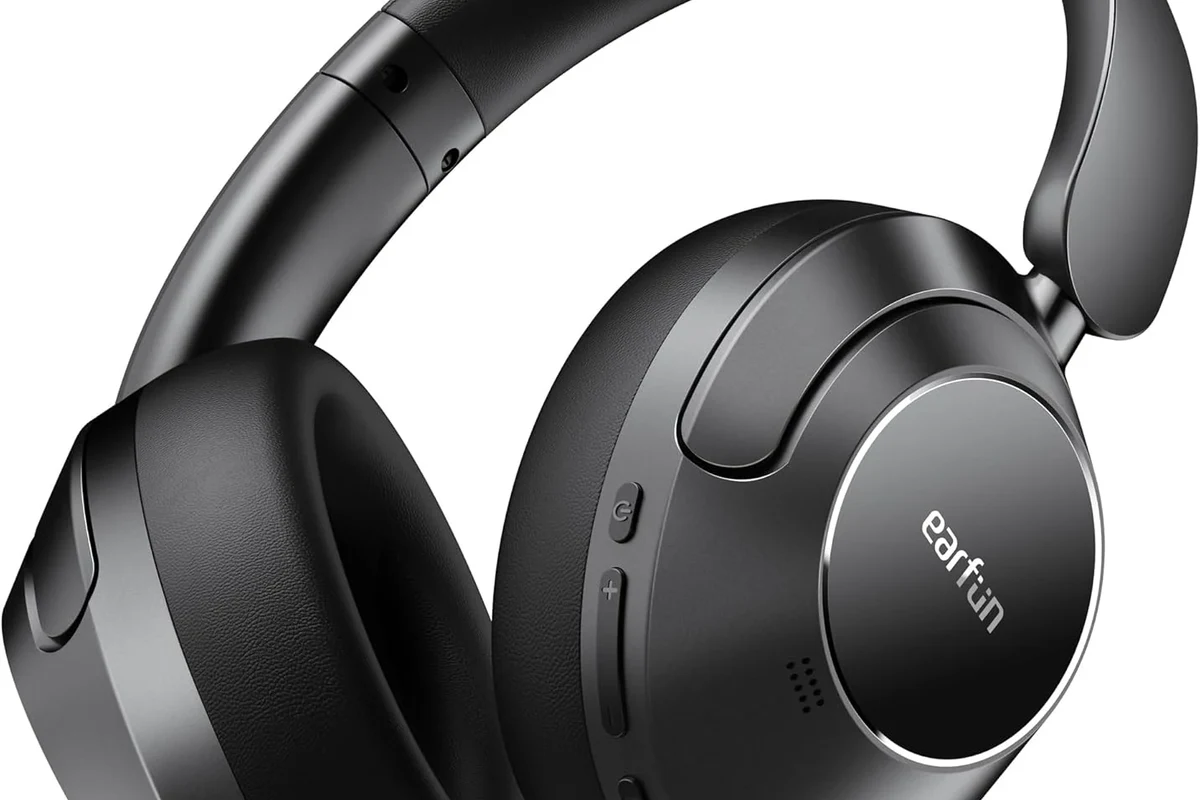
Wireless headphones usually work on a plane because Bluetooth connects to your personal device, not to the aircraft itself. That means you can listen to downloaded music, movies, podcasts, or streaming apps as long as your device and headphones are set up correctly.
What they usually do not do is connect directly to the plane’s seatback screen without help. If the airline’s entertainment system is wired-only, you may need a Bluetooth transmitter, a wired backup cable, or an adapter to make wireless listening possible.
How Wireless Headphones Connect In-Flight: Bluetooth, Airplane Mode, and Seatback Systems
To understand why wireless headphones work on some flights and not others, it helps to separate the headphone connection from the airplane itself. Bluetooth creates a short-range link between your headphones and a nearby device, while airplane mode controls the wireless radios on your phone or tablet.
Why Bluetooth still needs a device connection, not the plane itself
Bluetooth headphones do not connect to the aircraft’s cabin system on their own. They need a source device such as a phone, tablet, laptop, or a Bluetooth transmitter plugged into a seatback screen.
This is why your headphones can be fully functional in the air even though your phone is in airplane mode. The key is that the audio source is local to you, not coming from the plane’s wireless network.
What airplane mode does and does not disable
Airplane mode turns off cellular, Wi-Fi, and usually Bluetooth unless you switch Bluetooth back on manually. Most travelers can still use Bluetooth after enabling airplane mode again, which is why wireless headphones remain useful during the flight.
It does not delete your downloaded media or stop apps from playing offline content. If your movie, playlist, or podcast is already saved, your headphones can keep working without an internet connection.
Airline policies can vary, but Bluetooth use is commonly allowed after takeoff when the crew says electronic devices are permitted.
How seatback entertainment systems affect wireless audio
Seatback screens are where many travelers run into problems. A lot of older systems still use a standard headphone jack, so wireless headphones cannot connect directly unless you add a Bluetooth transmitter or use a wired cable.
Newer aircraft may offer Bluetooth support, but that is still not universal. If you fly often, it is smart to carry a small adapter or a backup cable so you are not stuck with silent entertainment mid-flight.
When Wireless Headphones Work Best on a Plane
Wireless headphones are most reliable when you control the audio source. That makes them ideal for personal devices, offline media, and travel setups where you want less cable clutter and easier movement.
Using them with a phone, tablet, or laptop in airplane mode
This is the easiest use case. Put your device in airplane mode, turn Bluetooth back on, and connect your headphones as usual.
If you are using a laptop, you may also want to check your sound output settings before boarding. If you need help with that on Windows, our guide on selecting headphones in Windows 11 can save time before your trip.
Pairing with streaming apps, downloaded media, and travel adapters
Streaming apps work well only if you download content before the flight or buy onboard Wi-Fi. Downloaded media is more dependable because it avoids buffering, signal issues, and battery waste.
For seatback screens, a Bluetooth transmitter can turn a wired jack into a wireless source. If you are still deciding between wireless and wired setups, our article on wired vs wireless headphones breaks down the trade-offs clearly.
Best use cases for short hops vs. long-haul flights
On short flights, wireless headphones are mostly about convenience. You can board, pair once, and enjoy music or a podcast without dealing with cords.
On long-haul flights, battery life and comfort matter much more. Noise-canceling wireless models can make a big difference if you want to reduce engine noise, but you should still bring a charging cable or a backup wired option if your headphones support it.
Many travelers prefer closed-back or noise-canceling designs on planes because they help block cabin noise better than open-back headphones.
Common Problems Travelers Run Into Mid-Flight
Even when wireless headphones work on a plane, the experience is not always perfect. The most common issues are connection lag, battery drain, and compatibility problems with older entertainment systems.
Bluetooth lag, dropouts, and pairing failures
Bluetooth lag can be annoying if you are watching video because lip-sync may feel off. Dropouts are less common but can happen when your device is in a crowded cabin, tucked into a seat pocket, or blocked by the seat in front of you.
If you run into repeated lag or pairing problems, it may help to re-pair the headphones before boarding. Our guide to Bluetooth headphone lag fixes covers simple troubleshooting steps that can help before a flight.
Battery drain before landing
Battery life is one of the biggest flight-day concerns. Noise canceling, high volume, and long movie sessions all drain power faster, especially on older headphones.
Fast charging can help during layovers, but it is still best to board with a full battery. A short charging session in the airport lounge or gate area can make the difference between finishing one movie and losing audio before landing.
Compatibility issues with older inflight entertainment systems
Older seatback systems often have only a headphone jack and no Bluetooth support. In that case, your wireless headphones need a transmitter, or you will need to switch to wired mode if your headphones allow it.
Some airlines also use different jack sizes or awkward port placements, so a small travel adapter is worth packing. This is one of those cases where a little preparation beats trying to borrow the right cable at 35,000 feet.
Do not assume every plane supports Bluetooth audio. Always keep a backup plan, especially on older aircraft or budget carriers.
How to Use Wireless Headphones on a Plane Step by Step
The easiest way to avoid problems is to set everything up before boarding. A few minutes of prep can prevent pairing issues, dead batteries, and last-minute cable hunting.
Pre-flight setup before boarding
Charge your headphones fully and download any media you want to watch or listen to. If your headphones have a companion app, update firmware before your trip so you are less likely to deal with glitches in the air.
Also pack the basics: charging cable, case, and any adapter you need for seatback audio. If you use a Windows laptop for travel entertainment, you may also want to review how to connect Bluetooth headphones so you can reconnect quickly after takeoff.
- Headphones are fully charged
- Bluetooth pairing works before boarding
- Downloaded media is ready offline
- Charging cable and adapter are packed
Connecting to your personal device during takeoff and cruise
Once the crew allows electronic device use, switch your device to airplane mode and turn Bluetooth back on. Then connect your headphones and test audio at a low volume before settling in.
If you are using noise canceling, try it during cruise when cabin noise is highest. Many travelers find that this is the best time to appreciate a good ANC model, especially on long flights.
Switching to wired mode or backup options if needed
If your headphones support both wireless and wired listening, keep the cable accessible in your bag. That gives you a quick fallback if the battery dies or the seatback screen refuses to pair.
For travelers who want a deeper look at how different headphone types behave, our guide to types of headphones explained can help you choose a better flight-friendly style next time.
Expert Advice: Mistakes to Avoid and What Airlines Rarely Tell You
A lot of flight frustration comes from small oversights, not bad headphones. The most common mistakes are forgetting a backup cable, assuming seatback Bluetooth will work, and waiting until after takeoff to pair everything.
Why some Bluetooth transmitters and dongles are worth the extra cost
A compact Bluetooth transmitter can be a smart travel buy if you fly often. It gives you wireless listening from older seatback systems and can make a good pair of headphones much more flexible.
Cheap dongles may work, but reliability varies by brand and model. If you care about fewer dropouts and easier pairing, spending a little more on a well-reviewed transmitter is often worth it.
When premium noise-canceling models are worth it for frequent flyers
Premium noise-canceling headphones make the most sense if you fly often, sit near engines, or want to sleep on long-haul trips. They can reduce cabin rumble enough to make movies, podcasts, and music easier to hear at lower volume.
That said, not everyone needs the most expensive model. If you only fly a few times a year, a comfortable mid-range pair with decent ANC may be the better value.
If you have tinnitus, hearing sensitivity, or recurring ear pain on flights, consider speaking with an audiologist. They can help you choose safer volume habits and a headphone style that suits your ears.
Safety and etiquette tips for using headphones during boarding and landing
Keep volume low during boarding so you can hear announcements and gate changes. During landing, it is best to pause audio when crew instructions matter most.
Also be mindful of neighbors. Wireless headphones are convenient, but loud music can still leak in quiet cabins, especially with on-ear or open-back designs.
Listening at high volumes for long periods can cause hearing damage. Keep volume at 60% or below for extended sessions.
Best Wireless Headphone Features for Air Travel in 2026
Not every wireless headphone is equally good for flying. The best travel models balance battery life, comfort, noise canceling, and easy portability, rather than chasing the biggest sound specs on paper.
Battery life, ANC, multipoint, and fast charging
Battery life matters most on long flights, especially if you use ANC. Fast charging is a useful backup when you are running low at the airport, and multipoint can help if you switch between phone and laptop often.
For sound quality, features like driver type, EQ support, and tuning can matter more than raw numbers. If you want to understand the basics of wireless audio performance, our Bluetooth headphones explained guide is a good starting point.
Comfort, portability, and travel case considerations
Comfort is critical on flights because even a great-sounding headphone becomes annoying after several hours. Lightweight builds, soft ear cushions, and a secure but not tight fit usually work best for travel.
A hard travel case is also helpful if you toss your bag into overhead bins. It protects hinges, cups, and cables from the kind of pressure that can damage headphones over time.
Price comparison: budget vs. mid-range vs. premium travel picks
Budget wireless headphones can be fine for casual travelers who mainly want convenience. Mid-range models often hit the best balance of sound, comfort, and battery life for most people.
Premium travel headphones usually make sense for frequent flyers who value stronger ANC, better materials, and longer battery performance. Pricing varies widely by brand and features, so compare carefully before buying.
- Wireless headphones work on planes when paired with your own device.
- Seatback systems may need a Bluetooth transmitter or wired backup.
- Battery life, ANC, and comfort matter most for long flights.
- Always pack a charging cable and check compatibility before boarding.
Final Recap: The Best Way to Use Wireless Headphones on a Plane
So, do wireless headphones work on a plane? Yes — as long as you use them with a compatible device, keep Bluetooth available, and plan for seatback limitations. The smoothest setup is usually a fully charged pair, offline media, and a backup cable or adapter in your carry-on.
If you fly regularly, choose headphones with strong battery life, comfortable ear pads, and reliable ANC. If you only travel occasionally, a decent mid-range wireless pair is often enough to make the flight quieter and more enjoyable without overpaying.
Frequently Asked Questions
Not always. Wired headphones can avoid Bluetooth lag, but wireless models are often more convenient and can sound excellent if the headphones are well tuned.
For many travelers, yes. ANC can reduce cabin noise and make listening more comfortable, especially on long flights.
Over-ear models usually offer the best comfort and noise reduction, while in-ear options are more compact for packing. On-ear models can be lighter, but they may feel less isolating during long flights.
Look at tuning, driver design, EQ options, and how well the headphones handle bass, clarity, and soundstage. Frequency response alone does not tell the full story.
Budget, mid-range, and premium headphones can all work for flights depending on your needs. Spend more if you fly often and want better ANC, comfort, and battery life.
Choose a lightweight fit, soft ear cushions, and a clamp force that does not feel too tight. If you notice discomfort or ear pain, take breaks and consider speaking with an audiologist.