Do Headphones Help with Airplane Pressure and Ear Pain

Headphones can help make airplane pressure feel more tolerable by reducing noise and stress, but they do not actually equalize ear pressure. If ear pain is severe or keeps happening after flights, it is best to speak with a doctor or audiologist.
Many travelers wonder if headphones can ease the pressure and ear pain that show up during takeoff and landing. The short answer is that headphones can make flying more comfortable, but they do not actually fix cabin pressure or equalize your ears.
- Noise relief: ANC and good isolation can make flights feel quieter and calmer.
- Not a cure: Headphones do not fix the pressure difference inside your ears.
- Comfort matters: Lightweight, soft, low-clamp headphones are best for long flights.
- Better habits help: Swallowing, yawning, and staying awake during descent can reduce pain.
Do Headphones Help with Airplane Pressure, or Is Ear Pain Caused by Something Else?
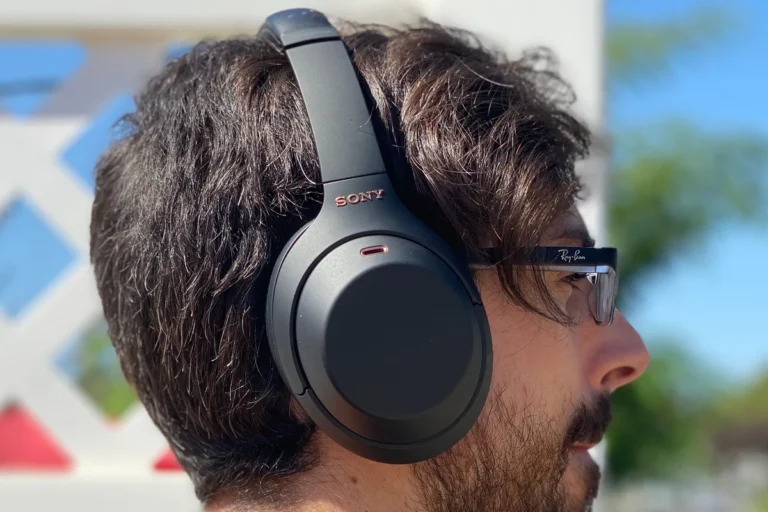
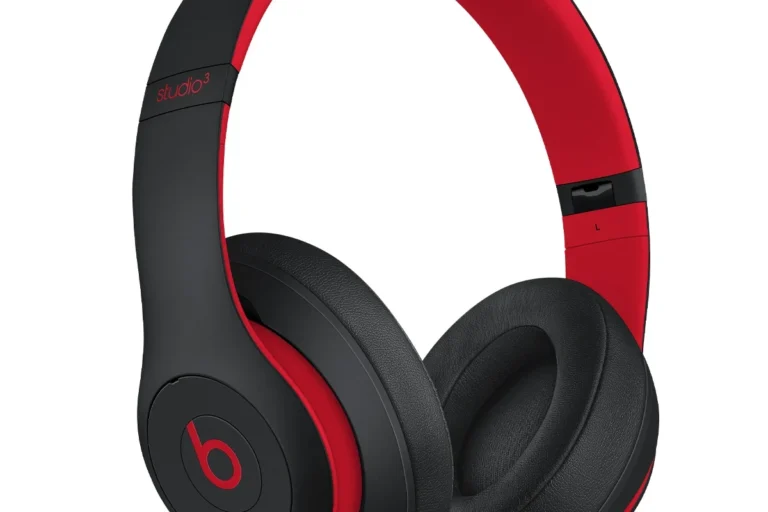
Headphones are often blamed or credited for “airplane pressure,” but the real issue is usually how your ears respond to rapid changes in cabin altitude. Headphones may help you feel calmer and less aware of the discomfort, yet they cannot change the pressure inside your middle ear.
What travelers usually mean by “airplane pressure”
When people say airplane pressure, they usually mean the blocked, popping, or aching feeling in the ears during takeoff and landing. That sensation is tied to pressure differences between the cabin and the middle ear, not to the headphones themselves.
In other words, the problem is not sound coming from your headset. It is the body’s need to balance pressure through the Eustachian tubes, which can feel slow or stubborn during a flight.
The real cause of ear discomfort during takeoff and landing
As the plane climbs or descends, cabin pressure changes faster than your ears may equalize. If the Eustachian tubes are partly blocked by congestion, allergies, or a cold, that pressure difference can become painful.
This is why some people feel a quick pop while others get sharp pain or a plugged-up feeling. If you want a deeper look at the relationship between cabin pressure and headphone-related discomfort, our guide on noise cancelling ear pressure explains the basics in more detail.
How Headphones Can Help on a Flight: Noise Reduction, Comfort, and Stress Relief
Headphones can still play a useful role on flights. They do not solve pressure changes, but they can reduce cabin noise, improve comfort, and make the whole experience feel less stressful.
Why quieter cabins can make pressure changes feel less intense
Cabin noise can make you more aware of every little pop, thump, and vibration. A good pair of headphones, especially models with strong noise cancellation, can reduce that background noise and make the flight feel calmer.
That calmer feeling matters because stress can make ear discomfort seem worse. If you want a simple breakdown of how this works, see our guide on how noise cancelling headphones work.
How music, white noise, and podcasts can distract from ear discomfort
Listening to music, a podcast, or soft white noise can help shift your attention away from pressure changes. This does not remove the pressure, but it can make the discomfort easier to tolerate.
For some travelers, the best flight audio is not the most detailed sound. It is whatever keeps the mind occupied without needing high volume.
When over-ear comfort matters more than sound quality
On a long-haul flight, comfort often matters more than premium sound quality. Over-ear headphones with soft pads and moderate clamping force may feel better than smaller models if you plan to wear them for hours.
If you are comparing fit styles, our overview of over-ear vs on-ear vs in-ear can help you choose the most comfortable option for travel.
What Headphones Cannot Do for Airplane Pressure Relief
It is important to be realistic here. Headphones can improve the flight experience, but they cannot act like a pressure relief device.
Why headphones do not equal ear pressure equalization
Equalizing ear pressure is a physical process handled by your body. Headphones sit outside the ear and do not open the Eustachian tubes or balance pressure in the middle ear.
So if your ears are blocked, a more expensive headset will not fix that problem. At best, it can make the experience more comfortable while your body catches up.
The difference between sound isolation and actual pressure management
Sound isolation and pressure management are not the same thing. Isolation reduces outside noise, while pressure management helps your ears physically equalize with the cabin.
A closed design or snug ear seal can make the cabin seem quieter, but that is not the same as relieving ear pressure. For a broader comparison, our article on noise isolation explains the difference between blocking sound and changing pressure.
Why ANC headphones are not a medical fix for ear pain
Active noise cancellation can reduce low-frequency engine noise, which many travelers find helpful. But ANC does not treat inflammation, congestion, or blocked Eustachian tubes.
If your ear pain is strong, repeated, or paired with hearing changes, do not assume ANC will solve it. In that case, the issue may be medical rather than audio-related.
Best Headphone Features for Flying Comfort in 2026
If you fly often, the best travel headphones are the ones that stay comfortable, last through the trip, and reduce noise without creating new pressure points. Features matter, but fit and usability matter just as much.
Active noise cancellation versus passive isolation
ANC is often the headline feature for air travel because it can reduce engine rumble and cabin hum. Passive isolation, which comes from the earcups or tips themselves, still matters because it helps block sound even when ANC is off.
The best choice depends on your flight habits and comfort preferences. Some people prefer ANC over-ear models, while others like simpler passive isolation in compact earbuds.
Lightweight design, clamping force, and long-flight comfort
Heavy headphones can feel tiring after a few hours, especially if the headband or earcups press too hard. A lighter design with balanced clamping force is usually better for flights than a bulky model that sounds amazing but feels tight.
If you have a sensitive jaw, glasses, or a small head, comfort becomes even more important. For travel, a “good enough” sound signature is often worth it if the headset disappears on your head.
Battery life, wired backup, and in-flight compatibility
Wireless headphones are convenient, but battery life matters on long trips. A wired backup can be useful if the battery runs low or if the airline entertainment system needs a cable connection.
If you use Bluetooth, it is also worth checking how the headphones behave with your devices before the trip. Our guide on wired vs wireless headphones is a good place to start if you are deciding between convenience and reliability.
Ear pad materials and heat buildup on long-haul trips
Soft pads can make a huge difference on a long flight, but some materials trap heat more than others. If your ears get warm quickly, breathable pads may feel better than dense memory foam wrapped in synthetic leather.
That said, the most comfortable material can vary by person. Some travelers prefer a firmer seal for noise reduction, while others want the coolest possible fit.
For flights, aim for headphones that you can wear for several hours without adjusting them constantly. Comfort usually matters more than chasing the most detailed sound.
Practical Ways to Reduce Ear Pain on Airplanes Beyond Headphones
Headphones are only one part of a flight comfort strategy. If ear pain is your main concern, a few simple habits can make a bigger difference than any audio feature.
Swallowing, yawning, and chewing to help equalize pressure
Swallowing, yawning, and chewing gum can help open the Eustachian tubes and support pressure equalization. These small actions are especially useful during descent, when pressure changes can feel strongest.
Some travelers also use the gentle “pop” technique recommended by clinicians, but it should be done carefully. If you are unsure, ask a medical professional rather than forcing pressure in the ears.
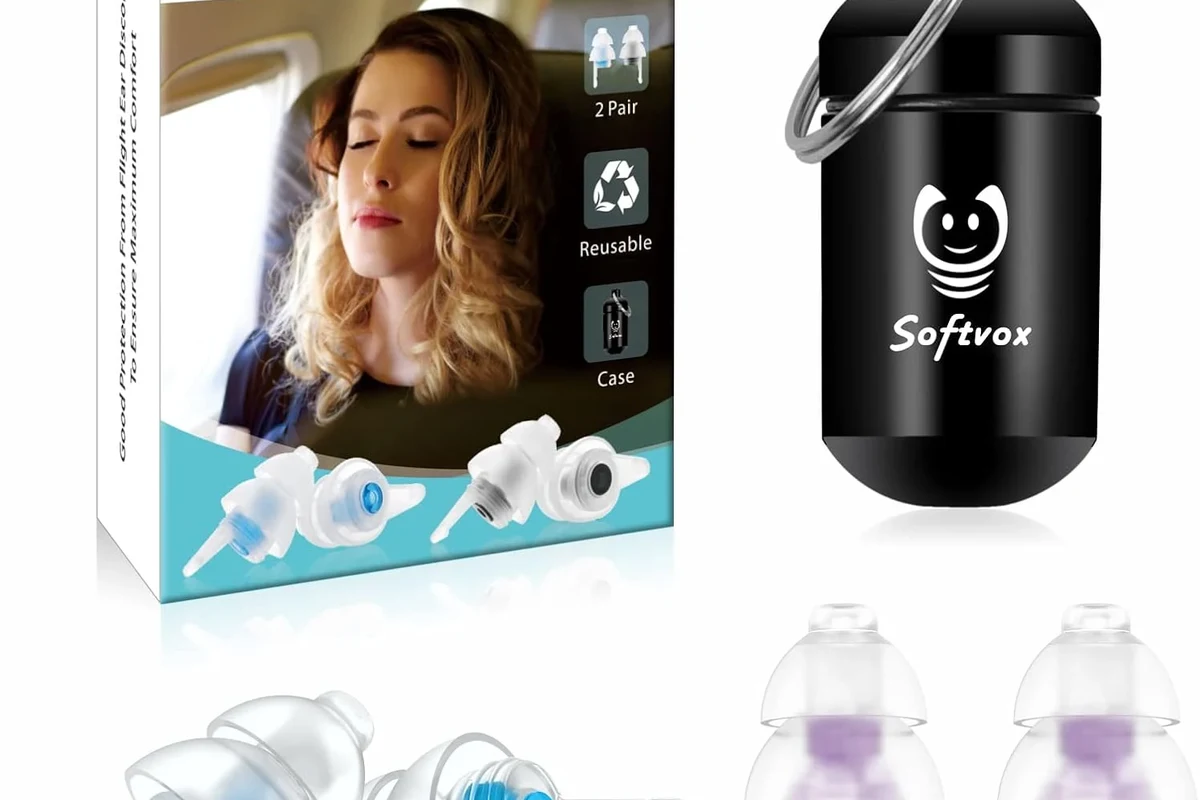
Using filtered earplugs or pressure-regulating earplugs
Special earplugs designed for flying can slow how fast pressure changes reach the ear. That can make takeoff and landing feel less abrupt for some travelers.
These are not the same as headphones, but they can work well alongside them. If ear pain is common for you, this may be a more direct solution than upgrading to a pricier headset.
Staying hydrated and avoiding sleep during rapid descent
Hydration helps overall comfort, especially on dry cabin air. It will not magically fix pressure, but it can support your body and reduce the “dry and tight” feeling many travelers notice.
Try to stay awake during descent if you can. Swallowing and yawning are easier when you are alert, and that can help your ears adjust more smoothly.
When decongestants or nasal sprays may help, and when they should not be used
Some travelers use decongestants or nasal sprays before flying when congestion is the main problem. These products may help in certain situations, but they are not right for everyone.
Because medications can interact with health conditions or other drugs, it is best to ask a doctor or pharmacist before using them for a flight. Do not self-treat if you have recurring ear pain, sinus issues, or a known medical condition.
Listening at high volumes for long periods can cause hearing damage. Keep volume at 60% or below for extended sessions.
Common Mistakes Travelers Make When Using Headphones for Ear Pressure
Many people buy headphones expecting them to solve flight discomfort, then feel disappointed. The problem is usually the expectation, not the product.
Assuming expensive ANC headphones solve cabin pressure
Premium ANC can make flights quieter and more pleasant, but it does not fix the pressure change itself. Spending more may improve comfort, not pressure equalization.
If your main issue is pain rather than noise, focus first on ear health and travel habits before shopping for a flagship model.
Listening too loud to mask discomfort
It is tempting to turn the volume up when your ears feel blocked. That can become a problem fast, especially in already noisy environments like airplanes.
Instead, use noise cancellation or better-fitting headphones to lower the need for volume. If you care about safe listening, keep your levels moderate and take breaks when possible.
Choosing tight headphones that worsen ear fatigue
Some headphones create a strong seal but also squeeze too hard. On a long flight, that pressure can leave you with sore ears, a sore jaw, or a headache.
A comfortable fit is usually better than a perfectly sealed fit. Try to choose a model that stays secure without pinching.
Ignoring a cold, sinus congestion, or existing ear condition before flying
If you are sick or congested, flying can be much more uncomfortable. Headphones will not correct that, and they may distract you from a problem that needs attention.
If you have recurring ear pain, recent ear infection, or trouble hearing after flights, it is smart to get medical guidance before your next trip.
If ear pain lasts after landing, happens on most flights, or comes with hearing loss, ringing, dizziness, or fluid drainage, consult an audiologist or doctor.
Price, Value, and Headphone Comparisons for Frequent Flyers
Frequent flyers do not always need the most expensive headphones, but they do need the right balance of comfort, noise reduction, and reliability. Value is about how well the headphones fit your travel habits.
Budget, mid-range, and premium options for flight comfort
Budget headphones can still be good for flights if they are comfortable and reasonably quiet. Mid-range models often offer the best balance for most travelers because they improve ANC, battery life, and build quality without going all-in on premium pricing.
Premium options may be worth it if you fly often and care deeply about comfort, ANC performance, or app features. Still, the best value depends on whether you will use them weekly or only a few times a year.
When paying more for ANC is worth it for frequent travel
If you take regular flights, better ANC can be worth paying for because it reduces fatigue and makes long trips easier to tolerate. That is especially true on noisy aircraft or if you are sensitive to engine hum.
For occasional flyers, a simpler model may be enough. In that case, comfort and portability may matter more than top-tier noise cancellation.
Over-ear versus on-ear versus in-ear for airplane use
Over-ear headphones usually win for comfort and noise reduction, especially on long flights. On-ear models are often smaller, but they can press on the ears and become uncomfortable over time.
In-ear options are compact and travel-friendly, and some offer strong isolation. If you want a broader buying perspective, our types of headphones explained guide can help you compare the main styles before you choose.
Best value factors beyond brand name: comfort, durability, and portability
Brand name alone does not guarantee a good flight experience. Look at comfort, foldability, case size, durability, and whether the headphones are easy to pack.
Also consider whether the controls are simple enough to use in a cramped seat. A travel-friendly design often beats a flashy feature list.
Headphone performance can vary by model, fit, and personal hearing preference. What feels quiet and comfortable for one traveler may feel too tight or too warm for another.
Final Verdict: Do Headphones Help with Airplane Pressure and Ear Pain?
Headphones can help with the stress, noise, and overall discomfort of flying, but they do not relieve cabin pressure in a medical sense. If your ears hurt during flights, the real fix is usually pressure equalization, not a better headset.
Clear takeaway for travelers looking for relief
If your goal is comfort, headphones can absolutely help. If your goal is to stop ear pressure itself, headphones are only a supporting tool, not the solution.
Expert advice warning on when to seek medical help after flying
Seek medical help if ear pain is severe, lasts more than a short time after landing, or comes with hearing loss, dizziness, ringing, or fluid from the ear. Those signs may point to something more serious than normal flight discomfort.
Quick recap of what headphones can and cannot do
Headphones can reduce cabin noise, improve relaxation, and make a flight feel easier. They cannot equalize ear pressure, treat congestion, or cure ear pain caused by a blocked Eustachian tube.
Frequently Asked Questions
Wireless headphones are more convenient, while wired headphones give you a backup if the battery dies or the airline system needs a cable. The better choice depends on your flight length and how often you use in-flight entertainment.
Noise cancelling headphones can make the cabin feel quieter and less stressful, but they do not equalize ear pressure. They help with comfort, not the physical pressure change in your ears.
Closed-back headphones are usually better for flights because they block more outside noise. Open-back models leak sound and offer little isolation, so they are rarely a good travel choice.
Comfort, lightweight design, battery life, and good noise reduction matter most for long flights. Soft ear pads and moderate clamping force can make a bigger difference than extra sound features.
Use a better seal, try ANC, and adjust EQ gently instead of raising the volume. If your headphones sound muffled or weak, fit and pad condition may matter as much as the driver type.
Check comfort, durability, battery life, latency, mic quality, and whether the headphones match your main use case. A gaming headset, commute pair, and studio headphone often prioritize different features.