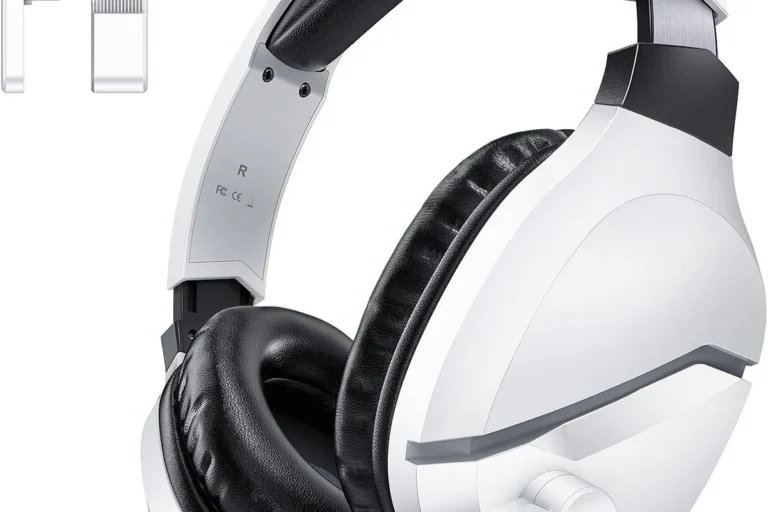
How Do You Connect Wireless Headphones to TV Easily

Use your TV’s built-in Bluetooth if it supports audio output, and pair the headphones from the TV sound menu. If Bluetooth is missing or unstable, add a Bluetooth transmitter or use an RF headphone base station.
Connecting wireless headphones to a TV is usually simple once you know what kind of wireless system your TV supports. In most cases, the answer to how do you connect wireless headphones to tv depends on whether your TV has built-in Bluetooth, needs a transmitter, or uses a dedicated RF base station.
- Fastest method: Built-in Bluetooth is usually the easiest option.
- Best for older TVs: Use a Bluetooth transmitter or RF base station.
- Gaming tip: Low-latency support helps reduce lip-sync delay.
- Setup check: Confirm the TV audio output after pairing.
How Do You Connect Wireless Headphones to TV in 2025? Quick Answer and Search Intent
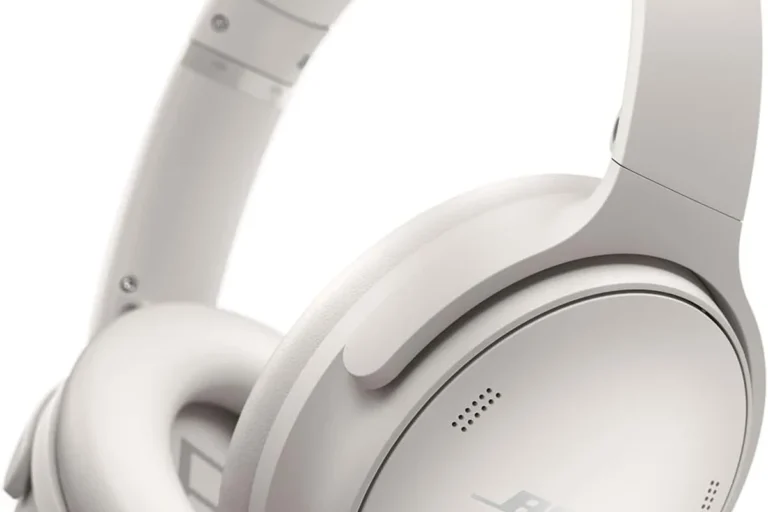
The easiest way to connect wireless headphones to a TV is through the TV’s built-in Bluetooth menu if your set supports it. If it does not, you can usually add a Bluetooth transmitter, use an RF headphone base station, or route audio through a streaming device or sound system.
For most readers, the best setup is the one that matches the TV’s audio outputs and your listening needs. If you care about gaming delay, late-night viewing, or shared living rooms, the right connection method matters as much as the headphone model itself.
- Bluetooth TVs can pair directly with wireless headphones.
- Older TVs often need a transmitter or RF base station.
- Low-latency setups matter most for gaming and sports.
What Your TV Needs Before You Start: Bluetooth, Transmitter, or Built-In Wireless Support
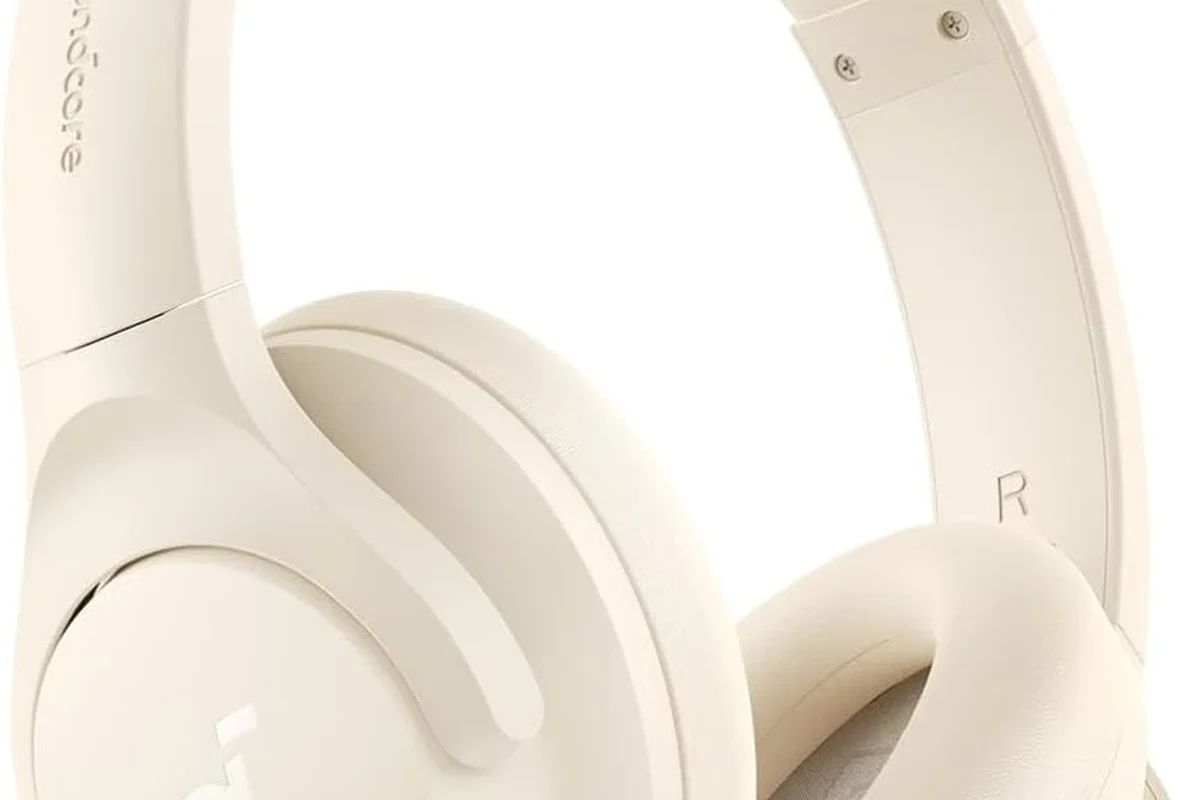
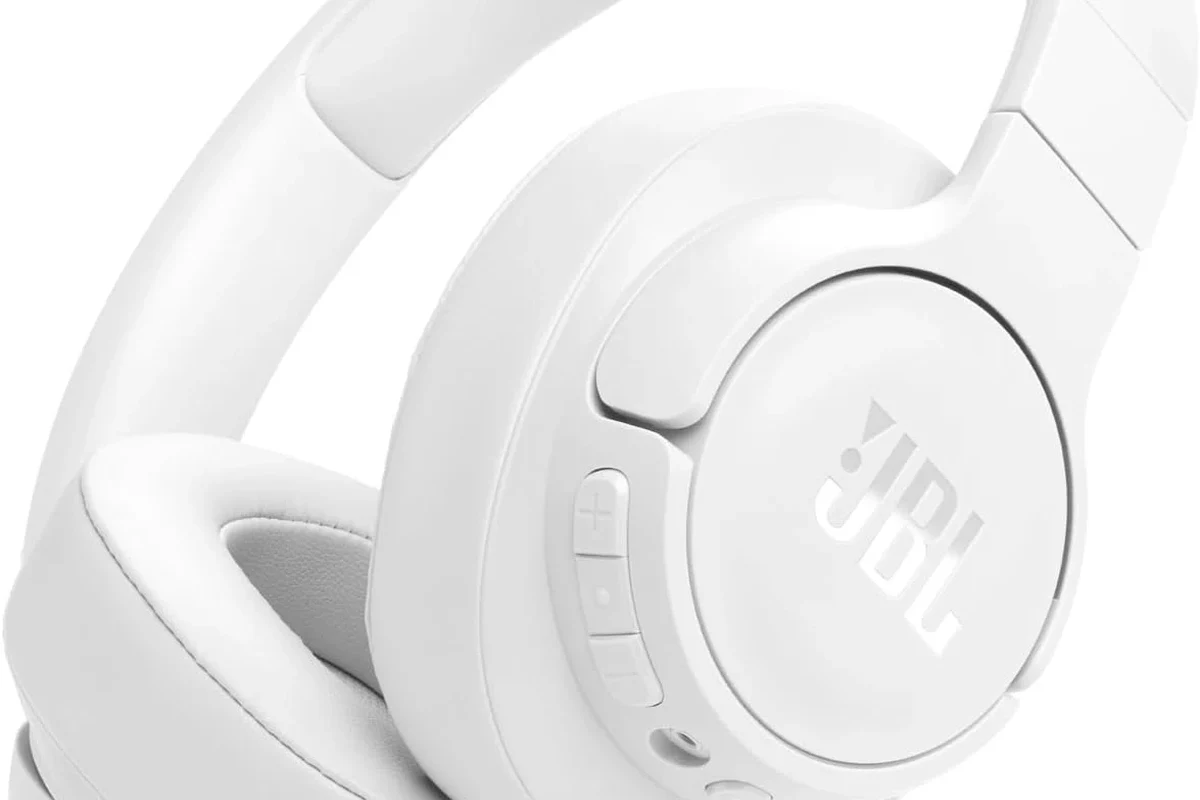
Before pairing anything, check whether your TV can send audio wirelessly on its own. Some smart TVs include Bluetooth audio output, while others only support Bluetooth for remotes, keyboards, or accessories.
If your TV lacks audio Bluetooth, an external transmitter is often the simplest fix. This is especially useful for older televisions, gaming TVs with limited audio menus, or setups that use soundbars and multiple devices.
Checking TV audio settings and compatibility
Start in the TV settings menu and look for audio output, sound, or Bluetooth device options. You may also see terms like “speaker list,” “sound output,” “headphone mode,” or “external audio device.”
Note
Menu names vary by brand, so the exact path may not match your TV manual word-for-word. If you are unsure, check the model’s support page or user guide before buying extra gear.
Also check whether your TV can send audio to both the TV speakers and headphones at the same time. Some models can do this, while others mute the speakers automatically when Bluetooth headphones connect.
When a TV needs an external Bluetooth transmitter
If your TV has no Bluetooth audio output, a transmitter plugs into the TV’s audio port and sends sound to your headphones. This is common on older TVs with optical out, AUX out, RCA outputs, or sometimes USB power ports.
A transmitter is also useful if the TV’s built-in Bluetooth is unstable or slow. Many viewers prefer this route because it can offer more consistent pairing and, in some cases, better lip-sync performance than the TV’s own wireless menu.
Step-by-Step Ways to Connect Wireless Headphones to TV
There is no single method that works for every TV. The right process depends on whether your headphones are standard Bluetooth models, RF headphones with a base station, or part of a larger home entertainment setup.
Connecting via built-in Bluetooth
Go to the sound or Bluetooth section and turn on pairing mode if needed.
Hold the pairing button until the indicator light flashes or you hear a voice prompt.
Choose the headphone name from the TV’s Bluetooth list and confirm the connection.
Once paired, test the volume and make sure the TV is sending audio to the correct output. If the sound still comes from the speakers, switch the TV’s audio output setting from internal speakers to Bluetooth or external audio.
Using a Bluetooth transmitter with optical, AUX, or USB
A Bluetooth transmitter is one of the most flexible solutions for non-Bluetooth TVs. Optical connections are common for cleaner digital audio, while AUX and RCA are simpler on older sets.
Connect the transmitter to the TV, power it on, and pair it with your headphones. If your transmitter supports low-latency audio, that can help reduce the delay you hear when watching dialogue-heavy shows or playing fast-paced games.
If your TV has both optical and AUX outputs, try optical first for a cleaner signal. Use AUX when you want a simpler setup or when the transmitter does not support optical input.
Pairing RF wireless headphones with a base station
RF wireless headphones usually come with their own dock or transmitter base. These are often easier for TV-only use because the headphones are designed to connect directly to that base rather than a general Bluetooth menu.
Place the base near the TV, connect it to the audio output, and dock or charge the headphones as instructed by the manufacturer. RF systems can be a good choice for people who want a straightforward living-room setup without dealing with repeated Bluetooth pairing.
Connecting through streaming devices or sound systems
Some streaming devices and sound systems can also route TV audio to wireless headphones. This may happen through a connected smart TV app, a receiver with headphone support, or a home theater system that includes wireless audio features.
This route can be convenient if your whole entertainment system already runs through a soundbar or AV receiver. However, it may add another layer of settings, so it is best for users who are comfortable checking audio menus and input/output options.
Best Use Cases for Different TV Setups: Smart TV, Older TV, Gaming TV, and Soundbar Users
The “best” way to connect wireless headphones depends on how you actually use the TV. A casual movie watcher, a gamer, and a family sharing one living room usually need different features.
Watching movies late at night without disturbing others
For late-night viewing, comfort and stable volume matter more than advanced features. A simple Bluetooth connection or RF headphone system is usually enough for movies, series, and streaming apps.
If the TV is in a bedroom or shared apartment, wireless headphones are a practical way to keep dialogue clear without turning up the speakers. Closed-back over-ear headphones are often a popular choice here because they can help keep sound more private.
Low-latency gaming for consoles and sports viewing
Gaming TVs and sports setups benefit from lower audio delay. Even a small delay can make footsteps, gunfire, commentary, or on-screen action feel out of sync.
If you play fast games, look for low-latency Bluetooth support, a transmitter that advertises reduced delay, or a gaming-focused wireless headphone system. For more general headphone buying guidance, our wired vs wireless headphones guide can help you compare convenience and latency tradeoffs.
Bluetooth lag and lip-sync issues are still possible, especially on older TVs or budget transmitters. If delay bothers you, prioritize a low-latency transmitter or a dedicated wireless headset made for TV and gaming.
Shared living rooms and multi-user households
In shared spaces, the ideal setup is one that is easy for everyone to use. A TV with remembered Bluetooth devices, or an RF base station that stays connected, can reduce setup friction.
If multiple people watch different content at different times, wireless headphones also help avoid sound conflicts. This is especially useful when one person wants the TV quiet while another still wants clear dialogue.
Common Mistakes When Connecting Wireless Headphones to TV
Most connection problems come from audio settings, not the headphones themselves. A quick settings check usually solves more issues than buying new gear right away.
Bluetooth lag and lip-sync issues
One of the most common complaints is delay between the picture and the sound. This can happen with built-in Bluetooth, cheaper transmitters, or TVs that process audio slowly.
If the lag is noticeable, check whether your TV has an audio sync menu. Some TVs let you manually adjust delay, and some headphones or transmitters work better when paired with compatible low-latency codecs.
Wrong audio output settings or muted TV speakers
Another common mistake is leaving the TV set to internal speakers while the headphones are connected. In that case, the TV may keep playing sound out loud or send audio to the wrong output.
Always confirm the output source after pairing. Some TVs also mute the speakers automatically, which can confuse users who expect both the TV and headphones to play at the same time.
Compatibility problems with older televisions
Older televisions may not support Bluetooth audio at all, or they may support only certain output ports. That is why checking the back panel and the manual matters before buying headphones or a transmitter.
If your TV only has outdated ports or no usable audio output, not every wireless headphone solution will work cleanly. In that case, a compatible transmitter or a dedicated RF system is usually the safer purchase.
Expert Advice: How to Get Better Sound, Less Delay, and a More Reliable Connection
A good wireless TV setup is about more than pairing. Sound quality, range, battery life, and stability all affect how enjoyable the experience feels over time.
Choosing low-latency codecs and transmitters
If your TV and headphones support low-latency Bluetooth features, that is worth prioritizing for movies and especially gaming. Not every device supports the same codec, so compatibility matters more than marketing language.
Key audio insight: low-latency support matters most when dialogue, footsteps, or on-screen action must stay tightly synced.This is especially important for gaming and live sports.
When buying a transmitter, look for clear compatibility notes rather than assuming every Bluetooth headset will work equally well. For a deeper look at audio delay fixes, see our Bluetooth headphone lag fix guide.
Optimizing range, battery life, and signal stability
Keep the transmitter or base station in an open area with as few obstacles as possible. Thick walls, cabinets, and crowded entertainment centers can reduce signal quality.
Battery life also matters if you watch long movies or binge several episodes. If you want a broader look at wireless listening behavior, our Bluetooth headphones explained article covers the basics in simple terms.
Some TVs remember multiple Bluetooth devices, but only one audio output can usually play at a time. That means switching between headphones and speakers may require a quick menu change.
Warning signs that your setup will not work well
If pairing drops frequently, audio cuts out, or the delay is impossible to ignore, your setup may not be a good match. That is often a sign that the TV, transmitter, and headphones do not share the same wireless strengths.
If you have persistent hearing concerns, tinnitus, or discomfort from long listening sessions, consult an audiologist. Safe volume habits matter just as much as choosing the right headphones.
Listening at high volumes for long periods can cause hearing damage. Keep volume at 60% or below for extended sessions.
Cost Comparison: Built-In Bluetooth vs Bluetooth Transmitter vs Dedicated Wireless Headphones
Costs vary widely by brand, TV model, headphone type, and feature set. The cheapest path is not always the most reliable one, especially if you want low delay or stronger range.
Budget-friendly options for casual TV viewers
If you only watch TV occasionally, built-in Bluetooth may be enough and costs nothing extra. If your TV does not support it, a basic transmitter is often the most affordable upgrade.
For casual use, focus on simple pairing and comfortable fit rather than advanced codec support. Many viewers are happy with a straightforward setup as long as the dialogue stays clear.
Mid-range and premium setups for gamers and home theater users
Gamers and home theater fans usually benefit from spending more on lower-latency gear and better build quality. That may mean a stronger transmitter, a dedicated TV headset, or headphones with better comfort for long sessions.
If you are comparing headphone styles for comfort and long wear, our types of headphones explained guide can help you narrow down over-ear, on-ear, and in-ear options for TV use.
Final Recap: The Easiest Way to Connect Wireless Headphones to TV
The easiest answer to how do you connect wireless headphones to tv is to use built-in Bluetooth if your TV supports it. If not, a Bluetooth transmitter or RF base station is usually the next best option, depending on your TV ports and how much delay you can tolerate.
For most people, the best setup is the one that gives clear sound, stable connection, and comfortable long-term use. Start by checking your TV’s audio output, then choose the wireless method that fits your viewing habits, budget, and room layout.
Frequently Asked Questions
Wireless headphones are more convenient for moving around the room and avoiding cable clutter. Wired headphones can still offer simpler setup and no wireless delay, depending on your TV.
Yes, noise cancelling headphones can help reduce background noise and make dialogue easier to hear. Comfort and sound balance still matter, especially for long viewing sessions.
Closed-back headphones are usually better for TV because they keep sound from leaking and help you focus on dialogue. Open-back models can sound more spacious, but they are less private in shared rooms.
Look at connection type, latency support, comfort, and overall tuning more than just frequency response numbers. Bass, clarity, and speech detail can vary by model and personal preference.
Budget options can work well for casual viewing, while gamers and home theater users may want to spend more on lower latency and better comfort. The right price depends on your TV, listening habits, and feature needs.
Check headband padding, ear cushion material, weight, and battery life for long sessions. Build quality and fit matter a lot if you wear headphones for movies, gaming, or sports for hours at a time.