What Are Bone Conduction Headphones and How Do They Work

Bone conduction headphones send sound through vibrations in your cheekbones instead of through the ear canal. They are best for open-ear awareness, comfort, and active use, but they usually trade away bass and isolation.
Bone conduction headphones are a different kind of audio gear that send sound through your cheekbones instead of covering or plugging into your ears. They are designed for open-ear listening, which makes them popular with runners, cyclists, commuters, and anyone who wants to stay aware of their surroundings.
If you are comparing headphone types and trying to understand where this fits, it helps to think of bone conduction as a specialized option rather than a replacement for everything else. For a broader overview of form factors, our guide to types of headphones explained is a useful starting point.
- How they work: Vibrations travel through cheekbones to the inner ear.
- Main benefit: Open-ear listening keeps you more aware of surroundings.
- Main trade-off: Sound quality and bass are usually less full.
- Best users: Runners, cyclists, commuters, and comfort-focused listeners.
What Are Bone Conduction Headphones? A Clear Definition for 2026
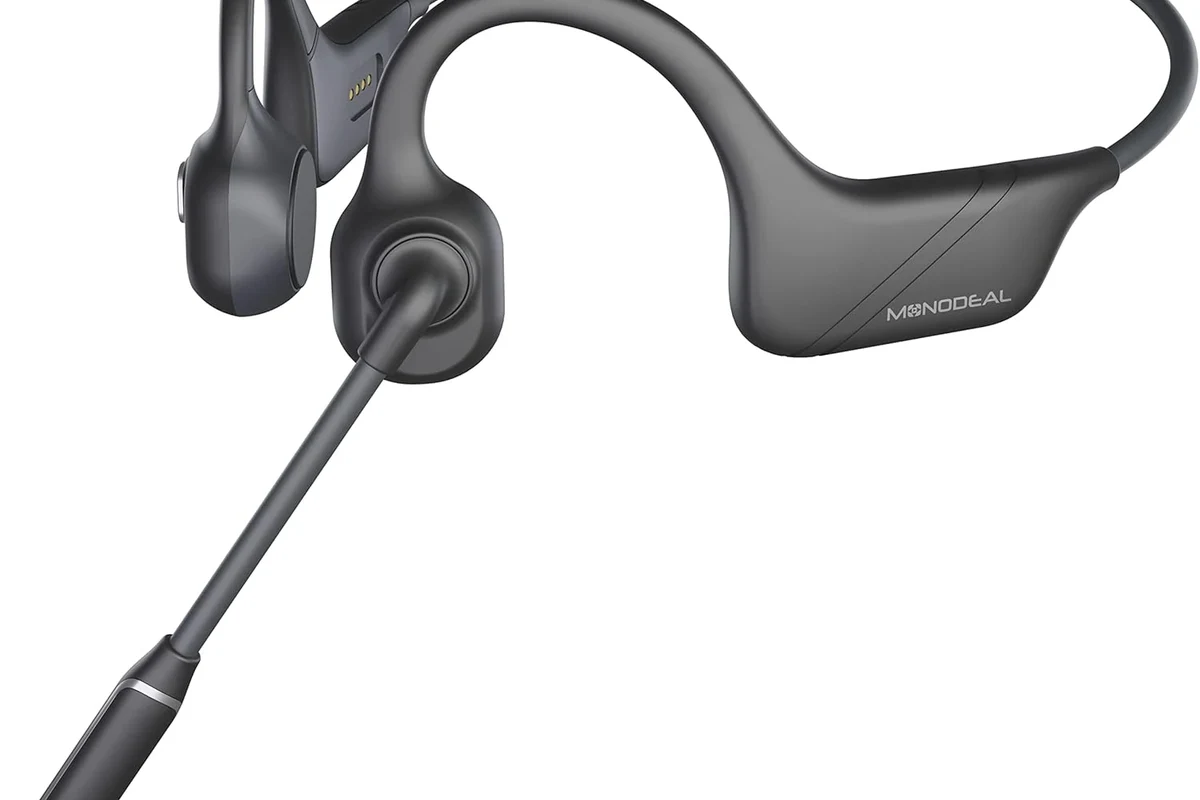
Bone conduction headphones are headphones that deliver audio by vibrating the bones around your face, usually the cheekbones, rather than sending sound directly into the ear canal. In simple terms, they bypass the usual route that traditional headphones use.
That makes them different from earbuds, on-ear headphones, over-ear headphones, and even open-back designs. They still need a speaker-like component, but the way you hear the sound is more unusual and more specialized.
Bone conduction headphones are best understood as open-ear audio devices. They are not usually the best choice if your top priority is rich bass, total isolation, or studio-style detail.
In 2026, most buyers look at them for safety, comfort, and convenience rather than pure audio fidelity. That’s why they often appeal to active users and people who dislike having anything inside the ear.
How Bone Conduction Headphones Work: The Science Behind Vibration-Based Audio
Bone conduction works by turning electrical audio signals into vibrations. Those vibrations travel through the bones near your ears and reach the inner ear, where your brain interprets them as sound.
Instead of sealing the ear canal, the headphones rest on the side of the head, just in front of or above the ears. The result is a listening experience that feels very different from regular headphones.
Transducers, cheekbone placement, and sound transmission
The key part of a bone conduction headphone is the transducer. This component acts like a vibration source, transferring audio energy to the bones around the cheek and temple area.
Because the device sits on the cheekbones, the vibrations can travel efficiently to the inner ear. You still hear sound, but the path is mechanical rather than air-based in the usual sense.
People often assume bone conduction headphones are “silent” to others, but sound can still leak out into the air, especially at higher volumes.
This is also why fit matters so much. If the transducers do not sit in the right place, the sound can become weak, thin, or less clear.
Why they feel different from traditional headphones
Traditional headphones create sound pressure in or around the ear. Bone conduction headphones create a vibration sensation that many first-time users notice immediately.
Some people describe the feeling as unusual at first, especially if the volume is high enough to make the vibrations more noticeable. That sensation is not a defect; it is part of how the technology works.
If you are used to standard wireless headphones, the difference can be surprising. For a related look at connectivity basics, see our guide to Bluetooth headphones explained simply.
Listening at high volumes for long periods can cause hearing damage. Keep volume at 60% or below for extended sessions.
Who Searches for Bone Conduction Headphones and Why They Buy Them
Most people searching for bone conduction headphones are looking for a specific benefit, not just a new sound signature. They usually want awareness, comfort, or a safer way to listen while moving around.
That means these headphones often solve a practical problem better than they solve an audio-quality problem.
Runners, cyclists, and outdoor commuters
Runners and cyclists often want to hear music or podcasts without blocking traffic noise, bike bells, or nearby voices. Bone conduction headphones are appealing because they leave the ears open.
Outdoor commuters may also prefer them when they walk, jog, or move through busy areas. The open-ear design can make it easier to stay connected to the environment.
People who want open-ear listening for safety or awareness
Some users simply do not like the feeling of earbuds or over-ear cups. Others want to hear doorbells, coworkers, announcements, or family members while listening.
For those listeners, bone conduction headphones can feel more natural than noise isolating models. They are especially useful when being fully sealed off from the outside world is not ideal.
If you want awareness but still need some sound control, compare bone conduction models with transparency mode headphones before you buy.
Users with ear discomfort, hearing sensitivity, or long wear sessions
Some people find earbuds irritating after a while, especially during long workdays or workouts. Bone conduction headphones avoid pressure inside the ear canal, which can be a major comfort advantage.
They may also appeal to users who want less direct contact with the ear, although hearing needs vary from person to person. If you have hearing concerns or tinnitus, it is wise to follow safe listening guidelines and consult an audiologist when needed.
Real-World Use Cases: When Bone Conduction Headphones Make Sense
Bone conduction headphones make the most sense in everyday situations where awareness matters more than isolation. They are practical tools, not universal replacements for all headphone categories.
That is why many buyers use them alongside another pair of headphones instead of relying on them for everything.
Exercise and sports in noisy environments
For exercise, the biggest advantage is staying aware while moving. Whether you are on a trail, a city street, or a gym floor, open-ear listening can help you stay alert.
They can also be convenient when you sweat a lot or do not want earbuds slipping out. Water resistance and secure fit matter here, but the exact level of protection varies by model.
Work-from-home, office awareness, and multitasking
Some people use bone conduction headphones at home or in shared offices because they want audio without feeling cut off. They can be handy for calls, background music, and light multitasking.
That said, if your environment is noisy, you may hear more of the room than you want. In those cases, a standard headset or noise cancelling model may be a better fit depending on your workflow.
Travel, walking, and situational awareness on the go
Walking through a station, airport, or neighborhood can be easier when you can hear announcements and nearby activity. Bone conduction headphones can support that kind of on-the-go listening.
They are less ideal on planes or loud trains if you want immersive sound, because the open design does not block much external noise. For isolation-focused travel, closed-back headphones or earbuds often work better.
Bone Conduction vs. Traditional Headphones: Sound Quality, Comfort, and Isolation
The biggest comparison point is simple: bone conduction headphones prioritize awareness and comfort over full-range sound quality. Traditional headphones usually win on audio depth, detail, and isolation.
That does not make bone conduction “bad.” It just means the best choice depends on how you listen.
Audio performance trade-offs you should expect
Compared with over-ear headphones or good earbuds, bone conduction models usually have less bass, less fullness, and a narrower sense of sound. Speech and podcasts often work better than bass-heavy music.
EQ can help a little, but it cannot turn the technology into a full hi-fi experience. If sound quality is your top priority, you may prefer Bluetooth vs wired headphones sound quality comparisons before deciding.
Open-ear safety benefits versus noise leakage
The open-ear design is the main safety advantage. You can hear traffic, people, and environmental cues more easily than with sealed headphones.
The trade-off is noise leakage. Because the sound is not fully isolated, people nearby may hear some of what you are playing, especially in quiet rooms.
How they compare with earbuds and open-back headphones
Earbuds usually offer stronger bass, better portability, and better passive isolation. Over-ear headphones can provide even more comfort and fuller sound, depending on the model.
Open-back headphones also let in outside sound, but they still work very differently from bone conduction. If you want to understand that difference, our article on open-back vs closed-back headphones can help.
Bone conduction headphones are more about keeping the ears completely open. That makes them unique, even among other “open” headphone styles.
Common Mistakes Buyers Make Before Choosing Bone Conduction Headphones
Many first-time buyers misunderstand what bone conduction headphones are designed to do. That usually leads to disappointment when expectations do not match the product’s strengths.
A little research goes a long way here.
Expecting deep bass and full hi-fi sound
The most common mistake is expecting these headphones to sound like premium over-ear models. They usually will not deliver the same bass impact or spaciousness.
If you want a more musical or cinematic experience, consider whether another headphone type fits your needs better. Bone conduction is best when function matters more than fidelity.
Ignoring fit, head shape, and vibration comfort
Fit is critical because the transducers must sit correctly against the cheekbones. Head shape, frame design, and strap tension can all affect performance.
Some users also find the vibration sensation distracting at first. If possible, look for a return policy or try a model with comfort in mind before committing.
Fit and comfort can vary a lot between brands and head shapes. A model that works well for one person may feel loose or too vibratory for another.
Overlooking battery life, water resistance, and Bluetooth version
Because these are often used for workouts and commuting, battery life and durability matter a lot. Water resistance can be especially important if you sweat heavily or train outdoors.
Bluetooth version, call quality, and pairing stability also matter for everyday use. If you are comparing wireless options, our guide to wired vs wireless headphones can help frame the trade-offs.
Expert Advice: What to Check Before You Buy in 2026
Before buying bone conduction headphones, focus on practical specs rather than marketing claims. The right choice depends on comfort, durability, and how you plan to use them.
That approach will save you from paying for features you do not need.
Fit, IP rating, battery performance, and microphone quality
Check how the headset is shaped and whether it is likely to stay stable during movement. A secure fit matters more here than in many other headphone categories.
Also look at the IP rating if you plan to use them for workouts or in light rain. Battery performance and microphone quality are worth checking too, especially if you plan to take calls.
- Secure cheekbone fit
- Water or sweat resistance rating
- Battery life for your routine
- Call and mic clarity
- Bluetooth stability and pairing ease
Price ranges and value tiers worth considering
Prices vary widely by brand, materials, battery life, and feature set. In general, budget models may cover the basics, while higher-tier options may offer better comfort, stronger build quality, and more reliable microphones.
It is usually smarter to buy for your use case than to chase the most expensive model. If your needs are simple, a midrange option may be enough.
Warning signs that a model may not suit your needs
Be cautious if a product description focuses only on “premium sound” without explaining the open-ear trade-offs. That can be a sign that the marketing is overselling the audio side.
Also be careful if the fit looks too loose, the battery claims seem vague, or the product does not clearly mention water resistance. Those are common signs that the model may not hold up well in daily use.
If you have hearing loss, tinnitus, ear pain, or unusual sensitivity to vibration, speak with an audiologist before choosing any open-ear listening device. The right solution depends on your hearing profile and comfort level.
Final Recap: Are Bone Conduction Headphones Right for You?
Bone conduction headphones are a smart choice if you want open-ear listening, better situational awareness, and less pressure on your ears. They are especially useful for exercise, commuting, and multitasking.
They are not ideal if you want deep bass, strong isolation, or the most immersive sound possible. If you understand those limits, they can be a very practical part of your headphone setup.
- They send sound through cheekbone vibrations, not the ear canal.
- They are best for awareness, comfort, and active use.
- Sound quality is usually weaker than traditional headphones.
- Fit, battery life, and water resistance matter a lot.
Frequently Asked Questions
They can be better if you want open-ear awareness and a secure fit. Wireless earbuds may sound fuller, but they usually block more outside noise.
Most bone conduction headphones do not use strong active noise cancelling because they are designed to stay open-ear. Some models may reduce wind noise or manage call noise differently, but results vary.
Open-back headphones still use drivers near the ear, while bone conduction headphones send vibrations through the bones of the face. Open-back models usually sound more natural, but bone conduction keeps the ears more open.
For commuting, check fit, battery life, and awareness-friendly design. For gaming, bone conduction is usually less ideal than a good headset because latency, mic quality, and sound detail may vary.
Bass is usually lighter than on earbuds or over-ear headphones, and soundstage is more limited. EQ can help a little, but it will not make them sound like full-size hi-fi headphones.
Look for a lightweight frame, stable fit, and materials that feel comfortable against the skin. Battery life, sweat resistance, and gentle vibration levels also matter for long sessions.