How Long Does Skullcandy Headphones Last in Real Use

Skullcandy headphones usually last several years in normal use, but wireless models often show battery wear before the rest of the headset fails. With careful charging, cleaning, and storage, many owners can stretch their lifespan well beyond casual daily use.
If you’re asking how long does Skullcandy headphones last, the honest answer is that it depends on the model, how often you use it, and how well you care for it. In real-world use, a decent pair can last several years, while the battery in wireless models will usually wear down sooner than the headphones themselves.
- Battery first: Wireless models usually age through battery wear before full hardware failure.
- Wired advantage: Wired Skullcandy headphones can last longer because they skip battery aging.
- Daily habits matter: Heat, sweat, drops, and rough storage shorten lifespan fast.
- Comfort parts wear: Pads, cables, hinges, and buttons often fail before drivers do.
How Long Does Skullcandy Headphones Last in Real Use: What Buyers Actually Want to Know
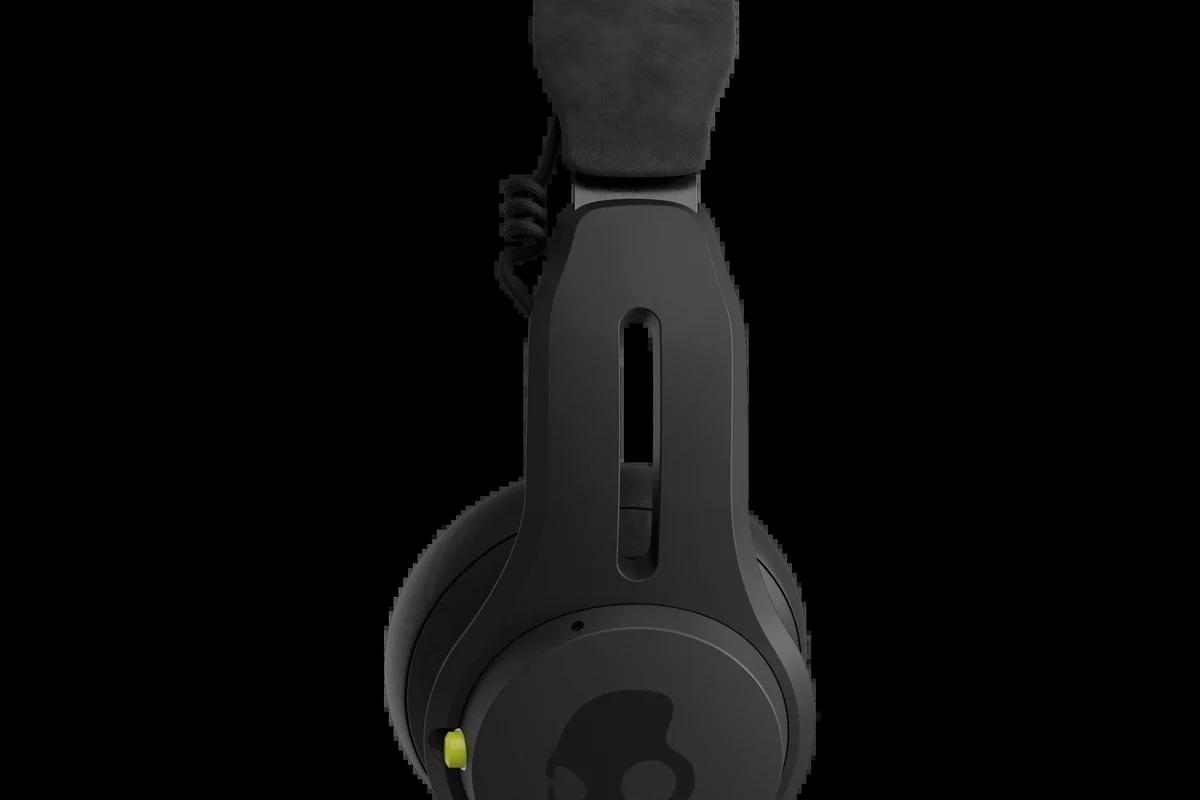
Most buyers are not looking for a lab-style lifespan estimate. They want to know whether a Skullcandy headset will survive daily commuting, gym sessions, school use, and the occasional drop into a backpack.
That’s the right question, because “lasts a long time” means different things for different users. For some people, it means the ear cups still feel comfortable after two years. For others, it means the battery still holds a useful charge after hundreds of listening sessions.
In general, Skullcandy headphones are usually viewed as value-focused products rather than ultra-premium durability picks. That does not mean they are fragile, but it does mean lifespan often depends more heavily on handling and charging habits than on the brand name alone.
Real lifespan is usually determined by battery health, physical wear, and daily handling.A wireless headphone can still sound fine even after the battery weakens.
Average Skullcandy Headphones Lifespan in 2026: Typical Years, Hours, and Battery Cycles
A realistic lifespan for Skullcandy headphones in 2026 is often measured in two parts: the physical life of the headphones and the battery life of wireless models. Wired headphones can sometimes last longer because they do not rely on rechargeable batteries, while wireless models may need battery replacement or replacement of the whole unit sooner.
For many owners, a usable lifespan of around a few years is common with normal care. Light users may get more, while heavy daily users may notice wear sooner, especially on hinges, pads, charging ports, and buttons.
Wired vs. Wireless Skullcandy models: what usually lasts longer
Wired models often last longer in pure mechanical terms because there is no battery to age. Their main weak points are cable strain, plug damage, and wear at the connection points.
Wireless models usually offer better convenience, but the battery is the part that ages first. Even if the drivers and frame still work well, reduced battery runtime can make the headphones feel “old” before the rest of the hardware fails.
If you want a longer practical lifespan, wired can be the safer bet. If you want convenience and portability, wireless is still a smart choice, but you should expect battery wear over time.
How daily listening habits change real-world lifespan
How long Skullcandy headphones last also depends on how hard they work every day. A pair used for a one-hour commute will usually age more slowly than a pair worn for eight hours of gaming, calls, and music.
Frequent folding, constant carrying, and repeated charging all add up. Even volume habits matter, since listening at very high levels for long periods can stress your hearing and may also encourage users to push the headphones harder than needed.
Listening at high volumes for long periods can cause hearing damage. Keep volume at 60% or below for extended sessions.
What Affects Skullcandy Headphones Durability the Most
The biggest durability factors are usually battery care, build stress, moisture exposure, and storage habits. In other words, the headphones often fail because of everyday wear patterns rather than one dramatic event.
Some users also notice that comfort parts wear out before the electronics do. Ear cushions flatten, headbands loosen, and buttons become less satisfying long before the drivers stop working.
Battery health, charging habits, and fast-charging wear
Wireless Skullcandy headphones rely on rechargeable batteries, and rechargeable batteries naturally lose capacity over time. That means shorter listening time after repeated charge cycles is normal.
Fast charging is convenient, but using it constantly may add heat and stress to the battery over the long term. The effect varies by model and charging design, so it is better to treat fast charging as a convenience feature, not a daily requirement.
Battery aging is normal in wireless headphones, and runtime usually drops before the headphones completely stop working.
Hinges, ear cushions, cables, and button wear on popular models
On over-ear Skullcandy models, hinges and folding points often take the most strain. If you open and close the headphones aggressively, those parts can loosen faster.
Ear cushions also wear out from skin oils, sweat, and friction. That does not necessarily mean the headphones are broken, but comfort and seal can drop enough to change the listening experience.
For wired models, the cable is usually the biggest weak point. Repeated bending near the plug or ear cup can eventually cause crackling, one-sided audio, or total failure.
Water, sweat, drops, and storage mistakes that shorten lifespan
Sweat and moisture are common lifespan killers, especially for gym use. Even if a headset survives one sweaty workout, repeated exposure can slowly damage pads, buttons, and internal components.
Drops are another major issue. A small fall may not break the headphones immediately, but it can weaken hinges, loosen internal parts, or create intermittent connection problems later.
Bad storage matters too. Tossing headphones into a bag with keys, chargers, and other hard objects increases wear much faster than placing them in a case or keeping them on a stand.
Real-World Examples: How Long Common Skullcandy Models Tend to Last
Different users get different results because “real use” is not one scenario. A student, a commuter, and a gym-goer can all own the same model and still report very different lifespans.
That is why it helps to think in use cases instead of only years. The more abuse a pair takes, the faster the pads, battery, and hinges will show wear.
Everyday commuting and casual listening use cases
For commuting and casual listening, Skullcandy headphones can often hold up reasonably well if they are stored carefully and not overcharged every night. This is one of the easiest use patterns on a headset.
Short listening sessions, moderate volume, and dry storage generally help the headphones stay in good shape longer. If you mainly use them on buses, trains, or at home, you may get a better overall lifespan than a gym-heavy user.
Gym, travel, and school-use examples
Gym use is harder on headphones because of sweat, movement, and frequent handling. Travel can be rough too, especially if the headphones are packed tightly into bags or used for long back-to-back listening sessions.
School use often creates a different kind of wear. Students may stretch the headband, yank the cable, or leave the headphones in lockers, backpacks, or hot cars. Those habits shorten lifespan more than most people realize.
Headphone pads often wear out before the drivers do, so comfort loss is sometimes the first sign that a headset is aging.
Heavy use vs. light use: what owners can expect
Light users who listen a few times a week can often keep a pair in decent shape much longer than daily users. If you only use the headphones for calls or short playlists, the battery and physical parts age more slowly.
Heavy users should expect faster wear, even with careful handling. Long listening sessions, frequent charging, and daily carry use all create more opportunities for small failures to build up.
Common Mistakes That Make Skullcandy Headphones Die Early
Many headphones do not fail because they are bad products. They fail because common habits slowly damage the battery, cable, or frame.
The good news is that most of these mistakes are avoidable once you know what to watch for.
Overcharging, leaving them dead for weeks, and using the wrong charger
Leaving wireless headphones plugged in all the time is not ideal, even if modern charging circuits offer some protection. Heat and constant top-off charging can still be unhelpful over time.
On the other side, storing them empty for weeks can also hurt battery health. If you plan not to use them for a while, it is usually better to leave some charge in the battery rather than letting it sit completely drained.
Using the wrong charger or a poor-quality cable can also create charging problems. It may not damage the headphones immediately, but it can make charging less reliable and more stressful for the battery.
Poor storage, cable stress, and rough handling
Poor storage is one of the biggest causes of early wear. Headphones stuffed into a bag without protection are more likely to get scratched, bent, or crushed.
Cable stress is especially important for wired models. Pulling from the cord instead of the plug, wrapping the cable too tightly, or sleeping with the cord bent awkwardly can all shorten its life.
Rough handling also affects wireless models. Twisting the cups, forcing the headband open, or dropping them onto hard floors can create hidden damage that shows up later.
Ignoring firmware or battery issues until performance drops
Some wireless headphones behave better when firmware or app updates are kept current, though support varies by model. If your headphones start disconnecting, charging oddly, or losing battery faster than expected, it is worth checking for update or reset options.
Waiting too long can turn a small issue into a bigger one. If the battery seems to drain extremely fast or the headset only charges at certain angles, that is often a sign to troubleshoot early.
If battery drain becomes severe, charging stops working reliably, or you hear distortion at normal volume, consider a repair shop or an audiologist if the issue affects your hearing comfort.
Expert Advice: How to Make Skullcandy Headphones Last Longer
If you want the best lifespan from Skullcandy headphones, the goal is simple: reduce heat, reduce stress, and reduce moisture exposure. Those three things do most of the damage over time.
Small habits matter more than expensive accessories. A little care after each use can add a lot of practical life to a budget or mid-range headset.
Best charging and cleaning habits for 2026 buyers
Charge the headphones before the battery gets completely empty whenever possible, and unplug them once they are reasonably full. You do not need to obsess over every charge cycle, but avoiding extreme battery states is generally a good habit.
Cleaning also matters. Wipe sweat and skin oils from the ear pads and headband after workouts, and use a dry, soft cloth for regular cleaning. If you want more detailed care steps, our guide on how to clean headphones can help you avoid common mistakes.
How to protect battery life during long-term ownership
To protect battery life, avoid heat whenever you can. Do not leave wireless headphones in a hot car, near a window in direct sun, or under heavy blankets while charging.
If you are comparing battery-focused buying choices, it also helps to understand the tradeoff between wired and wireless headphones. Wired models skip battery aging entirely, while wireless ones trade that for convenience.
When to replace pads, cables, or batteries instead of buying new
Sometimes the smartest move is not replacing the whole headset. If the sound is still good but the pads are flattened, replacing ear cushions can restore comfort and seal.
For wired models, a damaged cable may be cheaper to replace than the entire pair. For wireless models, battery replacement is not always practical, so it depends on the model and repair availability.
If you are deciding between repair and replacement, think about the total condition of the headphones. A worn pad or cable is a small fix, but a cracked frame plus weak battery may point toward buying new.
Are Skullcandy Headphones Worth the Price for Their Lifespan?
Skullcandy usually appeals to shoppers who want style, convenience, and decent everyday performance without paying premium-brand prices. For many buyers, that makes the lifespan acceptable if they understand the tradeoffs.
The value question is not just “how long do they last,” but “how much life do you get for the money you spend.”
Cost-per-year comparison against budget and mid-range rivals
If a pair lasts several years and meets your needs during that time, the cost-per-year can be reasonable. If it fails early because of rough use or battery wear, the value drops fast.
Compared with other budget and mid-range brands, Skullcandy often competes best when the buyer wants simple everyday use rather than maximum durability. For shoppers on a tighter budget, our guide to best headphones under 100 can also help you compare overall value.
When Skullcandy is a smart buy and when to spend more
Skullcandy is a smart buy if you want casual listening, portable design, and easy-to-live-with features at a friendly price. It can also make sense for students, commuters, and first-time wireless buyers.
You may want to spend more if you need stronger long-term durability, replaceable parts, or more consistent build quality for heavy daily use. That is especially true if you are rough on gear or want a pair that will survive years of travel and work use.
Final Recap: What Lifespan to Expect from Skullcandy Headphones in Real Use
In real use, Skullcandy headphones can last for years, but the exact lifespan depends on whether the model is wired or wireless, how often you use it, and how carefully you treat it. Wireless models usually age first at the battery, while wired models usually wear out through cable or connector stress.
If you listen normally, store them well, and avoid moisture and heat, you can usually get solid everyday value from them. If you are hard on your gear, expect shorter life and plan for pads, cables, or battery wear sooner.
Quick takeaway for shoppers choosing between durability and value
If you want convenience and affordable everyday performance, Skullcandy can be a sensible choice. If your top priority is maximum lifespan, look closely at build quality, replaceable parts, and whether a wired model may suit your needs better.
For buyers comparing comfort and fit styles, it can also help to review types of headphones explained before choosing your next pair.
Frequently Asked Questions
Usually yes, because wired models do not rely on a rechargeable battery. Wireless models can still last for years, but battery wear often shows up before the rest of the headphone does.
Sound can vary by model, but Skullcandy is often tuned for energetic listening with noticeable bass. Clarity, soundstage, and EQ response depend on the specific model and your listening preferences.
They are often a better fit for casual listening, commuting, and everyday use than critical studio work. For gaming, comfort and latency matter more, so check the exact model and connection type before buying.
Look at battery life, weight, fit style, Bluetooth version, mic quality, and whether the headphones support wired listening. If you care about noise control, also compare passive isolation and any noise cancelling features.
Ear cushion material, headband pressure, and total weight have the biggest impact on comfort. Over-ear models usually feel better for long sessions, but fit still depends on your head size and shape.
Over-ear models usually give better comfort and isolation, while on-ear models are lighter and more portable. In-ear options are often best for travel and exercise, but fit and seal are critical for sound quality.