How To Know If Headphones Are Noise Cancelling: Easy Guide

To know if headphones are noise cancelling, check the product name, buttons, app, manual, and ear-cup design. Look for terms such as active noise cancellation (ANC), adaptive noise cancellation, or noise control. Then test the headphones with a steady sound, such as an airplane engine or air conditioner.
Headphones labeled only noise isolating, sound isolating, or passive noise reduction block sound through their physical design. They do not use electronic noise cancellation.
This guide explains how to tell the difference, test ANC at home, spot misleading labels, and understand what noise-cancelling headphones can and cannot block.
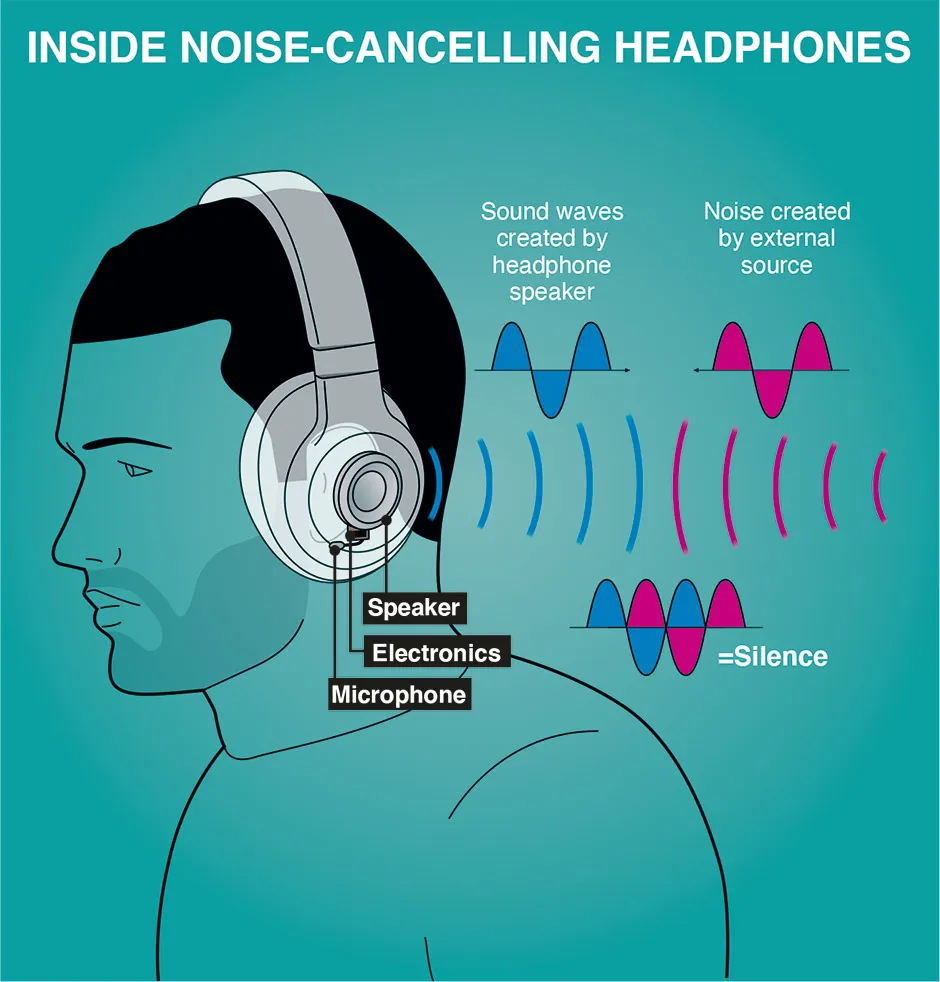
What “noise cancelling” means
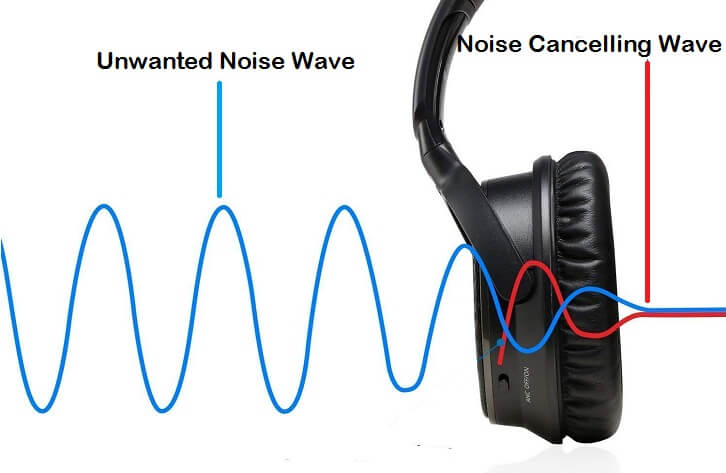
Noise cancelling usually means active noise cancellation, or ANC. ANC headphones use microphones to detect outside sound. They then create a reverse sound wave to reduce part of that noise before it reaches your ears.
The process works best with steady, low sounds. Common examples include:
- Airplane engine noise
- Bus and train rumble
- Air conditioner hum
- Office ventilation
- Computer fan noise
- Road noise during a commute
ANC is different from passive noise isolation. Passive isolation comes from the ear pads, ear tips, or tight fit. It can reduce some sound without batteries or software.
Many headphones use both methods. A sealed ear cup may block some sound on its own, while ANC reduces more low-frequency noise.
Active noise cancellation vs. passive isolation
| Feature | Active noise cancellation | Passive noise isolation |
|---|---|---|
| Uses microphones | Yes | No |
| Needs power | Usually yes | No |
| Uses electronic processing | Yes | No |
| Works well on low, steady noise | Often | Sometimes |
| Blocks voices and sharp sounds | Limited | Varies by fit |
| Works when powered off | Usually not | Often, if the design still seals |
| Common in earbuds | Yes | Yes |
A headphone can offer strong passive isolation without having ANC. Conversely, a product can claim noise control but provide only passive blocking. The product description and manual should make the difference clear.

Check the product name and specifications
The fastest way to identify noise-cancelling headphones is to check the official product page or manual for ANC. Do not rely only on phrases such as “immersive sound,” “quiet listening,” or “noise reduction.”
Useful terms include:
- Active noise cancellation
- Active noise control
- Adaptive noise cancellation
- Hybrid ANC
- Feedforward ANC
- Feedback ANC
- Transparency mode
- Ambient sound mode
- Quiet mode
- Noise control
The words transparency, ambient, and awareness often indicate that the headphones have microphones. These modes let outside sound pass through electronically. They commonly appear on headphones that also support ANC.
However, a transparency mode alone does not prove that the headphones have noise cancellation. Check for a separate ANC or noise-control mode.
Terms that do not prove ANC
These labels may describe passive design or general sound quality:
- Noise isolating
- Noise reducing
- Sound blocking
- Closed back
- Sealed design
- Immersive audio
- Studio headphones
- Deep bass
- Quiet fit
A closed-back headphone may block outside sound because its ear cups form a seal. That does not mean it uses active noise cancellation.
Check the exact model number
Some headphone product lines include several versions. One model may have ANC while another has only passive isolation. Wireless and wired versions may also differ.
Find the exact model number on:
- The inside of the headband
- The charging case
- The box label
- The Bluetooth settings menu
- The companion app
- The receipt or order page
Then compare that model with the manufacturer’s current manual. A retailer title can contain incomplete or incorrect wording.
Noise-cancelling headphones usually provide a way to turn ANC on or off. Look for a button labeled:
- ANC
- NC
- Noise Control
- Quiet
- Ambient
- Awareness
- Mode
Some models use a long press on the power or multifunction button. Others change modes through touch controls or a smartphone app.
A companion app may show options such as:
- Noise cancellation
- Adaptive sound
- Ambient sound
- Off
- Wind reduction
- Conversation awareness
- Custom noise control
If you can switch between ANC, ambient, and off, the headphones almost certainly include active noise control.
Still, an app menu is not enough if you are using the wrong device profile. Some apps support several products. Confirm that the app is connected to your exact headphones.
What happens when ANC is turned on?
With working ANC, you may notice a change in steady background noise. The sound may become softer, less sharp, or more distant.
You may also hear a slight change in pressure or “fullness.” This is not proof by itself. Some headphones create that sensation through their seal or sound tuning.
ANC should not make the room completely silent. It does not remove all sound, and performance can vary with fit, battery level, wind, and the type of noise around you.

Test whether your headphones really have ANC
A simple home test can help. It will not measure technical performance, but it can reveal whether the feature works.
Step 1: Charge the headphones
Charge the headphones before testing. Some models disable ANC when the battery is empty. Others allow wired listening but turn off active features.
If the headphones have a battery indicator, make sure they have enough charge for normal use.
Step 2: Use a steady sound
Choose a safe, constant sound source. Good options include:
- An air conditioner
- A box fan
- A bathroom exhaust fan
- A desktop computer fan
- A recorded airplane cabin sound played at a low level
Do not use loud music, fireworks, gunshots, or other harmful sounds for testing.
Step 3: Fit the headphones correctly
For over-ear headphones, place the ear cups fully around your ears. Make sure hair, glasses, or a hat are not creating a large gap.
For earbuds, use the ear tip that seals your ear canal without causing pain. A poor fit can make ANC seem weak even when the feature works.
Step 4: Switch between modes
Start with ANC off. Listen to the steady sound for a few seconds. Then turn ANC on and listen again.
Repeat the test two or three times. If the background hum changes each time, the headphones likely have working ANC.
Try the test with transparency mode, if available. Transparency mode should make outside sound seem clearer or louder. The off mode should remove electronic processing.
Step 5: Test with and without a cable
Some headphones support ANC only in wireless mode. Others support ANC through a wired connection, but only when the battery is charged.
If ANC works wirelessly but not with the cable, check the manual. This may be a normal design limit rather than a fault.
Signs that ANC is working
Working ANC may produce these signs:
- A steady hum becomes quieter
- Low-frequency rumble is reduced
- The app shows an active ANC mode
- The ANC button changes between sound modes
- Transparency mode makes outside sound more noticeable
- The headphones use battery power even when audio is paused
These signs are useful, but they are not a laboratory measurement. Real performance depends on fit, seal, wind, and the sound source.

Why ANC may seem weak or ineffective
Weak noise cancellation does not always mean the headphones lack ANC. Several conditions can reduce its effect.
Poor fit
A gap around an ear cup or ear tip lets sound enter directly. ANC cannot fully correct a poor physical seal.
Try a different ear tip size or adjust the headband. For over-ear models, check whether the pads sit around the whole ear.
The wrong type of sound
ANC is strongest against low, constant noise. It is usually less effective against:
- Human speech
- Children talking
- Dogs barking
- Keyboard clicks
- Dishes clattering
- Door knocks
- Sudden traffic sounds
- High-pitched alarms
These sounds change too quickly or contain frequencies that are harder to cancel.
Wind noise
Wind can strike the external microphones and create noise. Some headphones have wind-reduction settings, but these may affect sound quality or transparency performance.
Move indoors or shield the microphones from direct wind. Do not cover them with tape or thick material unless the manual allows it.
Battery or software problems
ANC may stop working or become limited when:
- The battery is nearly empty
- The headphones are in a low-power mode
- Firmware is outdated
- The companion app is disconnected
- The wrong mode is selected
- One earbud is not seated correctly
Charge the device, restart it, reconnect the app, and check the manufacturer’s troubleshooting steps.
Ear pressure or unusual sound
Some people notice pressure, hiss, or a low electronic sound when ANC is active. A small amount of background hiss can be normal, especially in quiet rooms.
Pain, dizziness, or persistent discomfort is not something to ignore. Turn ANC off and stop using the headphones if symptoms continue. If symptoms are severe or do not go away, seek medical advice.
Use the manual to confirm ANC
The manual is the most reliable source for the features of a specific model. Search the document for:
- Noise cancellation
- Active noise control
- ANC
- Ambient mode
- Transparency mode
- Battery use
- Wired operation
- Microphones
- Noise-control button
The manual should explain how to enable and disable the feature. It may also state whether ANC works during wired listening, phone calls, or single-earbud use.
Manufacturer specifications document what the product is designed to do. They do not guarantee the same noise reduction for every person. Fit and environment can change the result.
If the manual does not mention ANC, noise control, or a related mode, treat the product as passive isolation unless the manufacturer confirms otherwise.
Can you tell from the headphones’ physical design?
Physical design can offer clues, but it cannot prove ANC.
Features that suggest ANC
Many ANC headphones have:
- Small microphone openings on the outside
- A battery compartment or charging port
- A dedicated ANC or mode button
- A transparency setting
- A companion app
- An over-ear seal or snug ear tips
Wireless headphones often contain microphones for calls, so microphones alone do not prove ANC.
Earbuds and ANC
True wireless earbuds may have external microphones for ANC and internal microphones to monitor sound inside the ear canal. These microphones support features such as adaptive ANC and personalized sound control.
Do not confuse an earbud microphone used for calls with an ANC microphone system. The product specifications should identify the function.
Wired headphones
Some wired headphones have ANC and need a built-in battery. Others are entirely passive. A 3.5-millimeter cable does not tell you whether ANC is present.
If wired headphones have no battery, charging port, control button, or electronic mode, they are usually passive headphones.

ANC does not make headphones hearing protection
Consumer noise-cancelling headphones are not automatically hearing protectors. ANC can reduce your need to raise the volume in a noisy place, but it does not guarantee safe exposure.
Do not use ordinary headphones as a replacement for certified hearing protection around:
- Power tools
- Firearms
- Construction equipment
- Aircraft engines
- Industrial machinery
- Explosive or impulse noise
For loud work areas, use hearing protection approved and labeled for that purpose. In the United States, workplace requirements may involve the Occupational Safety and Health Administration, or OSHA. Follow your employer’s hearing conservation rules when they apply.
Keep music at a moderate level. The CDC’s hearing-loss prevention guidance explains that loud sound can damage hearing over time. Noise cancellation may improve comfort, but it does not make loud playback safe.
ANC also should not be used when you need to hear warnings, vehicles, announcements, or people nearby. Use transparency mode or remove the headphones when situational awareness matters.

A quick decision table
Use this table when a product description is unclear.
| What you find | Most likely meaning | What to do |
|---|---|---|
| “Active noise cancellation” | Electronic noise reduction | Check the control or app |
| “Adaptive ANC” | ANC that adjusts automatically | Confirm in the manual |
| “Transparency mode” plus “ANC” | Electronic control of outside sound | Test both modes |
| “Noise isolating” only | Passive sound blocking | Do not assume ANC |
| External microphones only | Could be calls or ANC | Check the specifications |
| No battery or charging port | Usually passive | Look for a wired ANC exception |
| ANC button but no effect | Feature may be off or faulty | Charge, fit, and reset |
| Works only with a good seal | Normal for many earbuds | Try another ear tip |
The key distinction is simple: ANC uses microphones, electronic processing, and power; passive isolation uses the physical shape and fit of the headphones.

Common mistakes when checking for noise cancellation
Assuming every wireless headphone has ANC
Bluetooth describes how headphones connect. It does not describe noise cancellation. Many wireless headphones offer no ANC.
Treating a tight fit as proof of ANC
A tight seal can block sound well through passive isolation. It may feel quiet even when no electronic cancellation exists.
Expecting silence
ANC reduces some noise. It does not remove every sound or create a silent room.
Testing with voices only
Speech is a difficult test for many ANC systems. Start with a steady low hum, then test other sounds.
Forgetting the correct mode
Transparency or ambient mode intentionally allows outside sound through. Make sure ANC is selected before judging performance.
Ignoring the ear-tip fit
A poor earbud seal can overpower the benefit of ANC. Try the supplied tip sizes before deciding that the feature does not work.

Frequently asked questions
How can I tell if earbuds have noise cancellation without the box?
Check the model number in the charging case, Bluetooth settings, or companion app. Look for ANC, noise control, transparency, or ambient modes in the official manual. You can also test the earbuds against a steady fan or air-conditioner hum.
Do noise-cancelling headphones work when turned off?
Usually, active noise cancellation does not work without power. Passive isolation may still work if the ear cups or ear tips block sound physically. Some models have a limited wired mode, so check the manual for that exact product.
Is noise isolation the same as noise cancellation?
No. Noise isolation is passive. It comes from the physical seal around or inside your ears. Noise cancellation normally means active electronic cancellation that uses microphones and processing.
Why can I still hear people while ANC is on?
Voices contain changing frequencies, and they may be close to you. ANC usually works better against steady low-frequency sounds than speech. A better fit can reduce voices further, but it will not always remove them.
Does transparency mode mean headphones have ANC?
Not always. Transparency mode requires microphones and electronic processing, but product designs can vary. Confirm that the specifications also list active noise cancellation or noise control.
Can ANC damage hearing?
ANC itself is not known to damage hearing when used normally. The greater risk is listening too loudly or using headphones in a loud setting for too long. Keep volume moderate and use certified hearing protection for hazardous noise.
[CodeImg? no, FAQ prohibited. Remove this placeholder. Need no placeholder after FAQ.]
Final answer: the fastest way to check
Look for active noise cancellation, ANC, or noise control in the official specifications. Then find an ANC or mode button in the controls or app. Turn ANC on and compare it with the off mode while listening to a steady, safe background hum.
If the product says only “noise isolating” or “noise reducing,” it may use passive isolation rather than ANC. When the label is unclear, the exact model’s manual is the best source.
Test the fit, charge the headphones, and remember that ANC reduces selected sounds—it does not provide complete silence or replace hearing protection.
Sources and further reading
- CDC: Preventing Hearing Loss
- NIDCD: Noise-Induced Hearing Loss
- The official user manual and specifications for your exact headphone model