Do Beats Headphones Have a Tracker What You Need to Know

Some Beats models can be located through Apple’s Find My network, but they do not have built-in GPS tracking. Tracking depends on the model, battery level, and Apple ecosystem setup.
If you’re asking, “do beats headphones have a tracker,” the short answer is: some Beats models can be located through Apple’s Find My network, but they do not have built-in GPS like a phone. That means tracking is limited to compatible models, nearby Bluetooth detection, and the Apple ecosystem rather than true real-time location tracking.
- Find My support: Newer Beats can often be located through Apple’s network.
- No true GPS: Beats do not include full built-in satellite tracking.
- Model matters: Older Beats may have limited or no tracking support.
- Battery affects recovery: Dead batteries usually mean only last known location.
Do Beats Headphones Have a Tracker? Quick Answer for 2026 Buyers

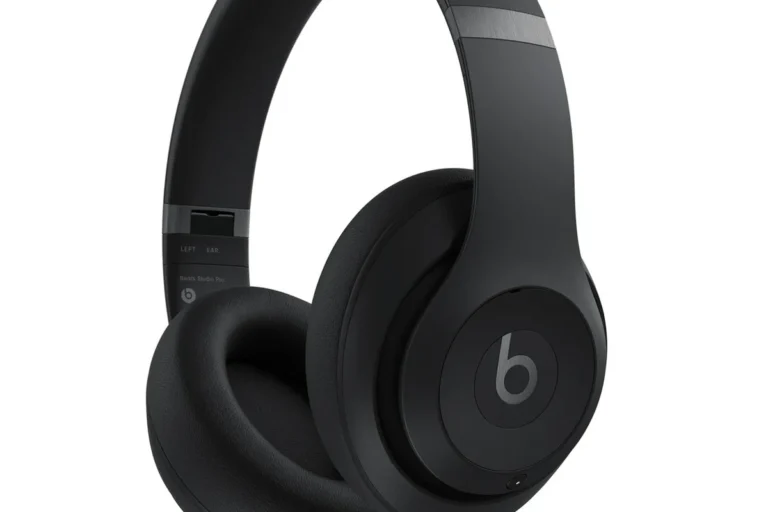
Beats headphones and earbuds are not designed with a dedicated GPS tracker inside. Instead, newer supported models can appear in Apple’s Find My app, which helps you locate them when they are connected, recently connected, or within range of Apple devices participating in the network.
For buyers in 2026, the important distinction is this: “tracker” usually means Find My support, not a full location chip. If you want a deeper look at how wireless connection behavior affects this, our guide to Bluetooth headphones explained simply is a useful place to start.
How Tracking Works on Beats Headphones and Earbuds
Tracking support on Beats products generally depends on Apple’s Find My system. When a supported Beats device is paired correctly, it can be added to your Apple ID and may show up in the Find My app, where you can see its last known location or trigger helpful alerts.
This is very different from a standalone GPS tracker. The device is not constantly broadcasting a map pin with satellite precision. It is usually relying on Bluetooth, nearby Apple devices, and stored location history from the last time it was seen.
Apple Find My Support vs. True Built-In GPS Tracking
Apple Find My support helps you locate a missing headset, but it is not the same as live GPS tracking. GPS requires additional hardware, more power, and a continuous connection path that most headphones simply do not have.
That means Beats can help you recover something left behind, but they are not a full security device. If you are comparing wireless features more broadly, it can also help to understand the difference between wired and wireless headphones, especially if you want fewer battery-related limitations.
Find My support can vary by Beats model, software version, and how the device was set up on your Apple account.
What Happens When a Beats Device Is Powered Off or Out of Range
If your Beats are turned off, have a dead battery, or are too far away from your phone and the Find My network, you may only see the last known location. In some cases, that is enough to narrow down where you left them.
But if the battery is fully drained and the device is never near another Apple device again, location updates may stop. This is why tracking works best as a recovery tool, not a guarantee.
Which Beats Models Can Be Located and Which Cannot
Not every Beats product has the same tracking support. Newer Beats earbuds and headphones are more likely to work with Find My, while older models may only offer basic Bluetooth pairing with no location features at all.
That’s why it is important to check the exact model name before assuming your device can be tracked. In headphone shopping, compatibility details matter just as much as comfort, sound, or ANC.
Beats Headphones vs. Beats Earbuds: Important Differences
Beats earbuds often get the most attention for tracking because they are small, easy to misplace, and sometimes support case-based location features through Apple’s ecosystem. Headphones, on the other hand, may only be trackable as a single device, depending on the model.
In practice, earbuds usually create more recovery challenges because the buds and charging case can be separated. If you want a broader overview of form factors, see our guide to types of headphones explained.
Some wireless earbuds can be easier to locate than over-ear headphones because their cases and individual earbuds may each have separate tracking behavior.
Older Beats Models and Compatibility Limits
Older Beats models may not support Find My at all, or they may support only limited features after firmware updates. If your Beats were released before Apple’s newer tracking integration, you should not assume they are locatable just because they connect by Bluetooth.
Compatibility can also depend on whether the device was paired correctly with an Apple ID. If you bought used Beats, that setup history matters even more.
How to Check Whether Your Beats Are Trackable
The easiest way to check is to open the Find My app on an Apple device and see whether your Beats appear there. If they do, they likely support at least some locating features.
You should also confirm that Bluetooth is on, the device is paired to your Apple ID, and the Beats firmware is up to date. Those small setup details often decide whether tracking works smoothly.
Using an iPhone, iPad, or Mac to Verify Find My Compatibility
On iPhone or iPad, open Find My and look under Devices or Items, depending on how the product is registered. On Mac, you can check the Find My app in a similar way.
If the device never appears, it may not be supported, may not be signed in correctly, or may need to be re-paired. For connection basics, our article on how to connect Bluetooth headphones can help you review the pairing process.
What to Look for in Bluetooth, Apple ID, and Firmware Setup
Trackable Beats usually need a clean setup: Bluetooth enabled, the correct Apple ID signed in, and the device linked properly through Apple’s ecosystem. If the headphones were paired to another account first, Find My behavior may be limited until they are reset and set up again.
Firmware updates can also improve reliability. If your Beats are acting strangely, a reset may help before you try tracking again. Our guide to how to reset Bluetooth headphones explains the general process.
Used headphones may still be tied to a previous owner’s Apple account, which can block full Find My access until the device is properly removed and reset.
Practical Examples: Finding Lost Beats in Real-Life Situations
Real-world tracking is usually about narrowing down a search area, not watching a live map. That makes Beats useful when you left them somewhere predictable, like a desk, gym locker, or car seat.
The more recently the device was active, the better your chances. If you wait too long, the trail can go cold quickly.
Left at the Gym, in a Car, or at the Office
If you left your Beats at the gym, Find My may show the last place they connected to your phone. That can help you remember whether they were in your bag, locker, or workout station.
In a car or office, you may also be able to play a sound on supported models or use proximity-style guidance when you are nearby. This is where tracking is most helpful: small spaces, short time gaps, and a device that still has battery left.
When the Battery Dies or the Case Is Missing
If the battery dies, tracking becomes much less useful. You may still see the last known location, but you will not get fresh updates until the device is charged again and comes back within range.
If the case is missing, things get more complicated, especially with earbuds. The earbuds and case may not behave the same way, so it helps to understand the model-specific limitations before assuming both are equally trackable.
Common Mistakes People Make When Trying to Track Beats
Many tracking frustrations come from unrealistic expectations. Beats can help you find a lost headset, but they are not designed to replace a dedicated locator tag or a phone with continuous GPS.
It also helps to know what audio features do and do not affect tracking. Noise cancellation, for example, is useful for listening comfort, but it does not improve location accuracy. If you want that topic explained clearly, see how noise cancelling headphones work.
Confusing Case Tracking with Earbud Tracking
One common mistake is assuming the case and the earbuds always share the same tracking behavior. In reality, some products track the case differently from the buds, and some only show the main device as a single item.
That matters because people often search for the wrong part first. If the case is the missing item, check whether your model supports locating it separately before you spend time looking for the earbuds themselves.
Assuming Android Devices Offer the Same Tracking Experience
Android users should be careful not to assume Beats tracking works the same way it does on iPhone. Some features may be limited, and the full Find My experience is generally tied to Apple’s ecosystem.
You may still be able to use Bluetooth pairing and basic device management on Android, but the recovery experience is usually not as seamless. That difference is important for buyers who switch between platforms.
Expert Advice: How to Improve the Odds of Recovering Lost Beats
The best time to prepare for tracking is before you lose the headphones. Once they are missing, your options shrink fast, especially if the battery is low or the device is not already configured correctly.
Think of tracking as part of a larger ownership habit: good pairing, regular charging, careful storage, and a quick check before leaving a place.
Best Settings to Enable Before You Lose Them
Make sure your Beats are paired to the right Apple ID and visible in Find My if your model supports it. Keep Bluetooth enabled on your phone, and avoid skipping firmware updates when they are available.
It also helps to name devices clearly in your account so you can identify them quickly if you own more than one wireless product. If you want to improve day-to-day Bluetooth behavior, our guide to Bluetooth headphone lag fix may also be useful.
If your Beats are not appearing in Find My after a reset or re-pairing, contact Apple Support or a qualified retail support team. For hearing concerns, persistent discomfort, or tinnitus, consult an audiologist.
Security and Privacy Warnings Every Owner Should Know
Tracking tools are helpful, but they also involve account access and location data. Use strong Apple ID security, avoid sharing your account casually, and remove old devices you no longer own.
If you buy used Beats, reset them and confirm they are not tied to someone else’s account. That protects both your privacy and your ability to use location features properly.
Listening at high volumes for long periods can cause hearing damage. Keep volume at 60% or below for extended sessions.
Cost, Alternatives, and Final Recap for Buyers in 2026
Whether tracking support is worth paying for depends on how often you misplace gear and how much you value Apple ecosystem convenience. For some buyers, it is a major plus; for others, it is a nice extra but not a deciding factor.
If you are comparing headphone options overall, it helps to think about battery life, comfort, ANC, and repairability too. Tracking should be one feature among many, not the only reason to buy.
Are Tracking-Enabled Beats Worth the Price Compared with AirPods or Tile-Based Options?
Tracking-enabled Beats can make sense if you already use Apple devices and want a familiar Find My experience. AirPods may offer a more integrated experience in some cases, while third-party Tile-based options can work for people who want broader cross-platform support.
The right choice depends on your phone, your budget, and how often you misplace headphones. If you are shopping for value in general, our list of best headphones under 100 can help you compare more than just tracking features.
Final Takeaway: What “Tracker” Really Means for Beats Headphones
For Beats, “tracker” usually means Find My support, not built-in GPS. That is useful for recovering lost headphones, but only within the limits of battery life, model compatibility, and Apple ecosystem support.
So if you are asking do beats headphones have a tracker, the honest answer is yes for some models, but not in the way most people mean when they think of a true GPS tracker.
Frequently Asked Questions
Wired headphones can offer a more stable connection, while wireless models give you more convenience. Sound quality depends on the model, codec support, tuning, and how you listen.
Noise cancelling uses electronics to reduce steady background sounds, while noise isolation relies on the physical seal of the earcups or ear tips. Many headphones use both to improve comfort in noisy places.
Over-ear headphones often feel better for long sessions because they distribute pressure around the ears. Comfort still depends on weight, clamp force, cushion material, and head shape.
Low latency, clear directional sound, a good microphone, and comfortable fit matter most for gaming. If you play on console or PC, check connection type and platform compatibility too.
A small EQ adjustment can help balance bass, mids, and treble without overdoing any one range. Start with mild changes and test with familiar songs so you do not make the sound harsh or muddy.
Check comfort, build quality, battery life, connection stability, and return policy before buying budget headphones. It also helps to compare use case, such as commuting, gaming, or casual listening.