What Are the Differences in Beats Headphones Explained

Beats headphones differ most by fit, sound tuning, noise cancellation, battery life, and whether they are built for travel, workouts, or casual listening. The best model depends on how you plan to use it, not just the Beats name.
If you’re trying to figure out what are the differences in Beats headphones, the short answer is that the biggest changes come down to fit, sound tuning, noise cancellation, battery life, and how each model is meant to be used. Beats makes a few very different styles, so the right choice depends less on the brand name and more on whether you want an over-ear headset, a workout-friendly earbud, or a compact everyday pair.
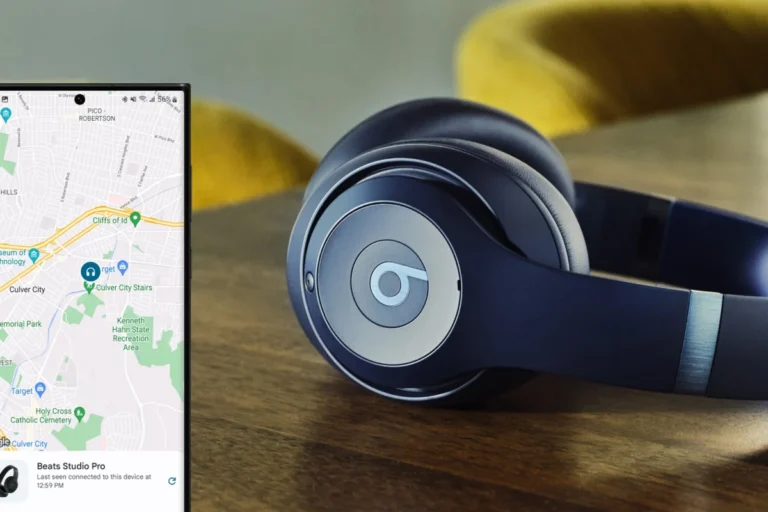
That matters because Beats is not one single headphone experience. A Studio Pro model is built for immersive listening and travel, while Solo-style headphones focus on portability, and Fit Pro or Studio Buds are designed for true wireless convenience. If you want a broader starting point on headphone categories, our guide to types of headphones explained can help you match the shape to your needs before you compare features.
- Fit matters most: Over-ear, on-ear, and in-ear Beats models feel very different.
- Sound is not identical: Bass, clarity, and ANC tuning vary by model.
- Use case leads the choice: Travel, gym, office, and commuting each favor different designs.
- Features affect value: Battery, controls, transparency mode, and ecosystem support can justify a higher price.
What Are the Differences in Beats Headphones: A Quick Overview for 2026 Buyers

The easiest way to compare Beats headphones is to look at three things first: form factor, feature set, and intended use. Some Beats models are over-ear headphones with larger ear cups and stronger passive isolation, while others are on-ear or in-ear wireless options that prioritize portability and movement.
In practical terms, that means one Beats model may be better for long flights, another for workouts, and another for casual commuting. The differences are not just cosmetic. They affect comfort, bass response, how much outside noise you hear, and whether you’ll be happy wearing them for an hour or all day.
Model names can change over time, and feature sets may vary by generation, region, and software updates. Always check the exact product listing before buying.
If you are deciding between Bluetooth and cable-based listening, it also helps to understand the basics of wireless audio. Our guide to Bluetooth headphones explained breaks down why wireless convenience can be great, but also why codec support, latency, and battery life still matter.
Beats Headphones Lineup Explained: Studio Pro, Solo, Fit Pro, Studio Buds, and Powerbeats
Beats has several main product families, and each one serves a different type of listener. The Studio Pro line is the most “full-size headphone” style, usually aimed at people who want over-ear comfort, richer isolation, and a more premium feature set. Solo-style headphones are smaller and lighter, which makes them easier to carry but not always as comfortable for very long sessions.
Fit Pro and Studio Buds are true wireless earbuds, so they disappear into your pocket and work well for commuting, quick workouts, and everyday use. Powerbeats models are usually the most exercise-focused option, with a secure fit that helps them stay in place during movement. If you want a broader comparison of how these shapes feel in daily use, our article on over-ear vs on-ear vs in-ear is a useful companion read.
| Model | Best For | Typical Use Case |
|---|---|---|
| Studio Pro | Travel and immersive listening | Over-ear comfort, ANC, all-day listening |
| Solo-style models | Portable everyday use | Lightweight on-ear listening |
| Fit Pro | Workouts and commuting | Secure true wireless fit |
| Studio Buds | Simple wireless convenience | Compact earbuds for daily carry |
| Powerbeats | Exercise and movement | Stable fit for active use |
Over-ear vs on-ear vs true wireless: how the form factor changes the listening experience
Over-ear Beats headphones usually give you the most enclosed and spacious feel, along with better comfort for longer sessions if the ear cups fit you well. On-ear models sit on the ears instead of around them, so they are often lighter and more portable, but some listeners find the clamp pressure less comfortable over time.
True wireless Beats earbuds are the most compact choice, and they are often the easiest to use for exercise or commuting. The tradeoff is that comfort depends heavily on ear tip fit, and battery life is always tied to charging case use rather than just the earbuds themselves.
Sound Signature Differences: Bass, Clarity, ANC Tuning, and Apple Ecosystem Integration
Beats is known for a bass-forward sound profile, but that does not mean every model sounds identical. Some models put more emphasis on punch and energy, while others try to balance low-end impact with clearer vocals and better separation. Your experience will also depend on fit, source device, and whether you use EQ settings.
Noise cancellation tuning can also change the listening experience. A model with stronger active noise cancellation may sound more sealed-in and focused, while another may prioritize a more natural presentation or better transparency mode. If you want a deeper explanation of how the feature works, see how noise cancelling headphones work.
How Beats tuning compares across models for music, calls, workouts, and commuting
For music, bass-heavy listeners often enjoy Beats because the sound tends to feel energetic and fun rather than flat or analytical. That can be a good fit for pop, hip-hop, EDM, and workout playlists, though listeners who want a more neutral studio sound may prefer a different brand or a custom EQ curve.
For calls, the most important difference is usually microphone behavior and background noise handling, not just music tuning. For commuting, ANC and transparency mode matter more than raw bass. For workouts, a stable fit can matter more than soundstage, because earbuds that move around will always sound worse in real life than they do on paper.
If a Beats model sounds too bass-heavy, try lowering the low end in your phone’s EQ before assuming the headphones are the problem. Fit and seal can also make bass seem stronger than it really is.
Design and Comfort Differences: Ear Cup Size, Clamp Force, Ear Tips, and Sweat Resistance
Comfort is one of the biggest differences in Beats headphones, especially if you plan to wear them for hours. Over-ear models depend on ear cup size, padding quality, and clamp force. If the cups are too small or the clamp is too tight, even a good-sounding headphone can become tiring.
Earbuds are different because the main comfort factor is ear tip shape and nozzle fit. Some people prefer a deeper seal for better bass and isolation, while others want a looser fit that disappears more naturally. Sweat resistance also matters more for earbuds and workout models than for travel-focused over-ear headphones.
Practical examples for long flights, gym sessions, and all-day office use
For long flights, over-ear Beats headphones are usually the better choice because they can provide more passive isolation and a more comfortable listening experience over several hours. ANC can help reduce engine noise, but the headphone still needs to feel good after two or three movies.
For gym sessions, secure-fitting earbuds or sport-focused Beats models usually make more sense than large headphones. For office use, the best option depends on whether you want to stay aware of your surroundings or block out distractions. If you work at a desk and need clearer device setup, our guide on how to connect Bluetooth headphones can also save time during first use.
Listening at high volumes for long periods can cause hearing damage. Keep volume at 60% or below for extended sessions.
Feature-by-Feature Comparison: Battery Life, Noise Cancellation, Transparency Mode, and Controls
Battery life is one of the easiest ways to separate Beats models, but the number alone does not tell the whole story. Over-ear headphones often last longer per charge, while true wireless earbuds depend on both earbuds and charging case capacity. Real-world battery life may also drop when ANC, transparency mode, and high volume are used often.
Noise cancellation is another major difference. Some Beats models are built to reduce travel noise more aggressively, while others may offer lighter isolation that feels more natural. Transparency mode is useful when you want to hear announcements, coworkers, or traffic without removing the headphones.
What changes from model to model and what actually matters in daily use
Controls can make a bigger difference than many shoppers expect. Some people prefer physical buttons because they are easier to use with gloves or during workouts, while others like touch controls for a cleaner design. The best control system is the one you can use without looking down.
Apple ecosystem integration is another common Beats advantage, especially for people who already use iPhone, iPad, or Mac devices. Fast pairing and smooth device switching can make the headphones feel easier to live with, but that convenience should not outweigh comfort, sound, and battery life if those are more important to you.
Many listeners judge “better sound” by bass first, but fit, seal, and volume level can change the sound more than small tuning differences between models.
Price Differences and Value: Which Beats Headphones Fit Different Budgets in 2026
Price is one of the clearest separators between Beats models, but value depends on how much of the feature set you will actually use. Premium over-ear models usually cost more because they combine ANC, better materials, larger batteries, and more advanced controls. Smaller earbuds or older designs may be more affordable and still perfectly fine for casual listening.
In a budget decision, it helps to ask whether you need premium travel features or just a reliable wireless headset. If you are shopping around for value in general, our roundup of best headphones under 100 can help you compare what lower-cost alternatives offer before you pay extra for the Beats name.
When to pay more for premium features and when a lower-cost model makes more sense
Pay more if you travel often, work in noisy places, or want stronger ANC and all-day comfort. Premium Beats headphones can make sense when you’ll use the extra features every day, not just once in a while.
Choose a lower-cost model if you mainly want casual listening, gym use, or a backup pair. In those cases, paying extra for features you won’t notice much can be a poor value, especially if fit matters more than brand prestige.
Common Mistakes Shoppers Make When Choosing Between Beats Models
One common mistake is ignoring fit. A headphone can look perfect on paper and still disappoint if the cups are too small, the ear tips do not seal well, or the clamp force feels wrong for your head shape.
Another mistake is assuming all Beats headphones sound the same. They do not. Even when the brand’s general tuning style is similar, the listening experience changes a lot between over-ear headphones, earbuds, and sport-focused models. For more on why this matters, see our guide to wired vs wireless headphones and how usage changes the tradeoffs.
Ignoring fit, assuming all Beats sound the same, and overpaying for features you won’t use
Some shoppers also overpay for premium ANC or Apple features they rarely use. If you only listen at home, you may not need travel-grade noise cancellation. If you only use headphones for walking or workouts, a simpler and lighter model may be the smarter buy.
It also helps not to confuse “more features” with “better for me.” A feature only matters if it solves a real problem in your routine, whether that is blocking airplane noise, staying comfortable through a workday, or keeping earbuds stable during movement.
If you notice pain, pressure, ringing, or fatigue after using headphones, reduce volume and wear time. For ongoing symptoms, consult an audiologist or hearing professional.
Expert Recommendation and Final Recap: How to Choose the Right Beats Headphones for Your Needs
The best way to choose Beats is to match the model to your daily routine. If you want the most complete travel and office experience, an over-ear model is usually the strongest option. If you want portability and a lighter feel, earbuds or on-ear headphones may be a better fit.
For many buyers, the real decision comes down to comfort versus convenience. Over-ear headphones usually win on immersion and long-session comfort, while true wireless earbuds win on portability and workout use. If you are still deciding how ANC should fit into your purchase, our article on what is noise cancelling headphones is a good next step.
Best picks by use case and the key differences to remember before buying
For travel: choose the model with the best ANC, strongest comfort, and longest battery life.
For workouts: choose secure-fitting earbuds or sport-focused Beats with sweat resistance.
For office and commuting: prioritize transparency mode, call quality, and easy controls.
For casual listening: pick the model that feels best on your head or in your ears, because fit often matters more than small sound differences.
In the end, the differences in Beats headphones are less about one model being universally “better” and more about which design fits your lifestyle. Once you compare fit, sound, ANC, and price side by side, the right choice becomes much easier to spot.
Frequently Asked Questions
Most Beats models are designed for wireless use, which makes them easier for commuting and workouts. Wired headphones can still be useful for low-latency listening, but the right choice depends on your device and how you plan to use them.
No, the sound signature can vary by model and generation. Beats often leans bass-friendly, but fit, EQ, and ANC can change how strong the bass feels.
Look at noise cancellation, battery life, comfort, and transparency mode. Call quality and easy controls also matter if you use them on the go.
Often yes for long sessions, but comfort depends on your head shape and ear size. In-ear models can be more portable and secure, especially for workouts.
Start by reducing bass if the sound feels muddy or increasing mids if vocals are too recessed. Small EQ changes usually work better than big boosts.
Focus on fit, weight, padding, battery life, and whether ANC causes pressure for you. If you feel discomfort or hearing fatigue, lower the volume and take breaks.