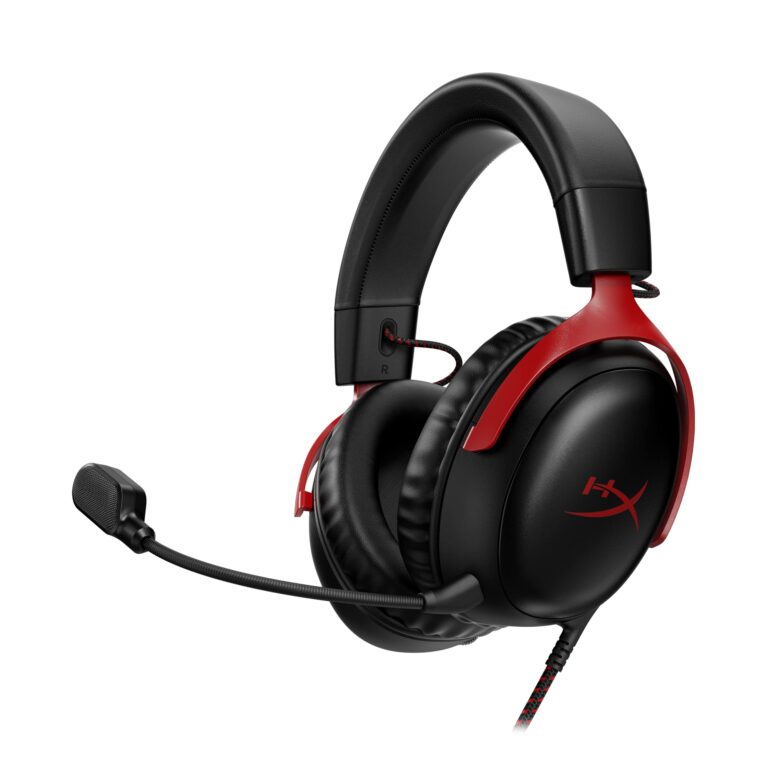
Can You Bluetooth Headphones to Xbox One Easy Guide

No, you generally cannot connect standard Bluetooth headphones directly to Xbox One for normal game audio. The best alternatives are a wired headset, an Xbox Wireless headset, or a Bluetooth transmitter workaround.
If you’re asking can you bluetooth headphones to xbox one, the short answer is no, not directly in the usual way most phones and laptops support Bluetooth audio. Xbox One uses its own wireless audio system, so you’ll need a wired connection, an Xbox Wireless headset, or a workaround like a Bluetooth transmitter.
That matters because the “easy” option is not always the best one for gaming. The right setup can affect chat quality, audio delay, comfort, and whether you can actually hear footsteps, dialogue, and party chat clearly.
- Direct Bluetooth: Xbox One does not support standard Bluetooth headphones natively.
- Best reliability: Wired headsets and Xbox Wireless headsets work best for gaming and chat.
- Workarounds: TV output and Bluetooth transmitters can work, but delay may happen.
- Chat matters: Check microphone support if you play multiplayer.
- Safety first: Keep volume moderate during long sessions.
Can You Bluetooth Headphones to Xbox One? The Short Answer and Why It Matters
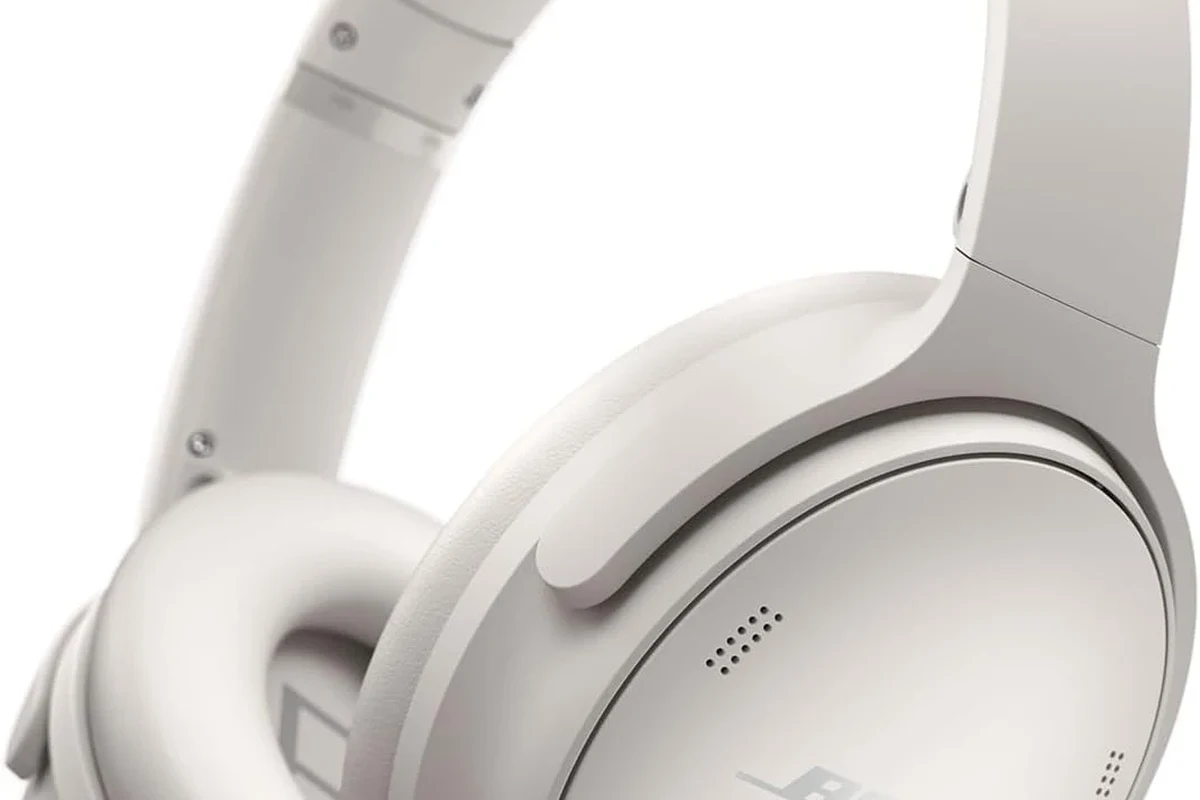
Xbox One does not support standard Bluetooth headphones for direct audio streaming. So if you pair regular Bluetooth earbuds or headphones the same way you would with a phone, they usually will not work for game sound.
This is a common surprise for first-time Xbox owners. Many wireless headphones look compatible at a glance, but the connection type matters more than the word “wireless.”
Why Xbox One Does Not Support Standard Bluetooth Audio
Microsoft designed Xbox One around its own wireless ecosystem, not standard Bluetooth audio. That helps the console prioritize stable gaming and controller connections, but it also means regular Bluetooth headphones are not treated like a normal audio device.
How Xbox One wireless audio works instead
Xbox One can send audio through the controller, through Xbox Wireless headsets, or through the TV/monitor output. In other words, the console has ways to get sound to you, but Bluetooth is not the native path for most headphones.
For readers comparing wireless options, it helps to understand the difference between Bluetooth headphones explained simply and console-specific wireless systems. The connection method often matters more than the headset style.
What happens when you try pairing Bluetooth headphones directly
If you try to pair standard Bluetooth headphones directly with Xbox One, the console usually will not recognize them as an audio output device. Some accessories may connect in limited ways, but that does not mean you’ll get full game audio and chat support.
Do not assume a headset is Xbox-compatible just because it is wireless. Check whether it supports Xbox Wireless, controller jack use, or a transmitter setup before buying.
Best Ways to Use Headphones with Xbox One in 2026
In 2026, the best Xbox One headphone setup depends on whether you want simplicity, chat support, or the lowest possible delay. The good news is that there are several workable options, even if standard Bluetooth is not one of them.
Wired headset connection through the Xbox controller
The simplest setup is still a wired headset plugged into the Xbox controller’s 3.5mm jack. This is usually the most reliable choice for chat, game audio, and low latency.
If you want a fast, no-fuss solution, wired remains hard to beat. It also avoids battery worries and most pairing issues.
Wired headphones can be a smart pick for competitive play because they avoid the delay that sometimes comes with wireless adapters and Bluetooth workarounds.
Xbox Wireless headsets and compatible alternatives
Xbox Wireless headsets are built to work with Xbox consoles without needing standard Bluetooth for the main audio link. Some models may also include Bluetooth for phone use, but that is separate from the Xbox connection itself.
This is often the cleanest wireless choice if you want game audio and voice chat together. Compatibility varies by brand and model, so always check the product details carefully.
Bluetooth transmitters for TV or console audio
A Bluetooth transmitter can sometimes solve the problem by sending audio from your TV, monitor, or console output to your Bluetooth headphones. This is a workaround, not a native Xbox One Bluetooth feature.
It can be useful for casual play or late-night listening, but performance depends on the transmitter quality and the TV’s audio path. Some setups may introduce noticeable delay, which can be distracting in fast games.
Many “Bluetooth gaming” complaints are really latency complaints. Even good-sounding headphones can feel wrong if the audio arrives too late.
Using the TV’s audio output with Bluetooth headphones
Another option is pairing your Bluetooth headphones to the TV, then using the TV as the audio source for Xbox One. This can be convenient if your TV supports Bluetooth audio output well.
Still, TV Bluetooth support varies a lot. Some TVs handle audio cleanly, while others add delay or limit volume control and mic support.
Step-by-Step Setup Options for Different Headphone Types
The best setup depends on what kind of headphones you already own. If you choose the right path from the start, you can avoid a lot of trial and error.
How to connect wired headphones to Xbox One
Insert the 3.5mm headset plug into the Xbox controller’s headset jack. If your headset uses a different connector, you may need an adapter made for the headset.
Use the Xbox audio settings and controller controls to balance game sound and party chat. Start low and raise the volume gradually for comfort.
Join a party chat or open a game with clear footsteps and dialogue to confirm everything works. If the microphone is too quiet, check the headset mute switch and mic position.
How to connect wireless Xbox-compatible headsets
First, confirm the headset supports Xbox Wireless, not just Bluetooth. Then follow the headset pairing steps for Xbox One, which usually involve putting the headset into pairing mode and using the console’s pairing function.
Some headsets also support Bluetooth for mobile use, but that does not replace the Xbox connection. If you want to compare wireless styles, our guide on Bluetooth vs wired headphones sound quality can help explain the trade-offs.
How to use a Bluetooth adapter or transmitter safely
If you use a transmitter, connect it to the TV, monitor, or console audio output according to the device instructions. Make sure the transmitter supports low-latency audio if you care about lip-sync and gaming responsiveness.
- Low-latency support
- TV or console audio output compatibility
- Microphone support, if needed
- Return policy in case of delay or connection issues
Practical Examples: Which Setup Works Best for Gaming, Chat, and TV Sound
There is no single best answer for every player. The right choice depends on whether you care most about convenience, voice chat, or audio timing.
Casual single-player gaming
For story games, racing games, and relaxed play, a Bluetooth transmitter or TV Bluetooth output can be fine if the delay is acceptable to you. If you mostly want comfort and simple listening, this can be a practical option.
For deeper headphone guidance, readers often find it useful to compare different types of headphones explained before choosing over-ear, on-ear, or in-ear models for long sessions.
Multiplayer chat and low-latency play
For party chat, shooters, and competitive gaming, wired headsets or Xbox Wireless headsets are usually the best fit. They are more likely to give you stable audio, better voice chat support, and less noticeable lag.
If you want to understand why delay is such a big deal, our article on Bluetooth headphone lag fix explains the problem in a simple way. That same principle applies when you try to game with wireless audio.
Watching movies or streaming apps on Xbox One
For streaming apps and movies, a Bluetooth transmitter or TV Bluetooth output may be more forgiving than it is for gaming. Small delays are less noticeable in slower scenes than they are during fast gameplay.
If you plan to use headphones for both gaming and movies, prioritize comfort, battery life, and low-latency support over flashy features you may not use.
Common Mistakes People Make When Trying Bluetooth Headphones on Xbox One
Most problems come from assumptions, not from the headphones themselves. A little compatibility checking can save you from disappointment.
Assuming all wireless headphones are compatible
Wireless does not automatically mean Xbox-ready. Some headphones are made for phones, tablets, and laptops, but not for Xbox One audio.
Ignoring audio delay and lip-sync issues
Bluetooth audio can sound fine and still feel wrong if the delay is too high. This is especially noticeable when gunfire, footsteps, or dialogue no longer match the action on screen.
Overlooking microphone support for party chat
Even if you get game audio working through a transmitter, microphone support may be limited or unavailable. That can be a deal-breaker if you play online often.
If you experience ear pain, ringing, or persistent discomfort during long gaming sessions, lower the volume and consider speaking with an audiologist. Safe listening habits matter more than any headset feature.
Expert Advice: What Top Headphone Reviews Recommends in 2026
Our editorial view is simple: choose the connection type first, then choose the headphone style. That order prevents most compatibility mistakes.
When Bluetooth is worth it and when it is not
Bluetooth is worth considering if you mainly want convenience for casual listening, TV audio, or switching between devices. It is less ideal if you need dependable gaming chat and low delay.
Latency, battery life, and codec limitations to watch for
Latency is the biggest concern for Xbox One Bluetooth workarounds. Battery life also matters, especially if you play for long sessions, but even a long-lasting headset can be frustrating if the audio arrives late.
Codec support and transmitter quality can vary by device, so do not assume every Bluetooth product will behave the same. For a broader look at wireless behavior, see how noise cancelling headphones work and remember that advanced features do not always improve gaming performance.
Warning signs of cheap adapters and poor audio quality
Be cautious if a transmitter promises everything but gives very little detail about latency, supported outputs, or mic handling. Weak build quality, unclear instructions, and inconsistent pairing are common warning signs.
Listening at high volumes for long periods can cause hearing damage. Keep volume at 60% or below for extended sessions.
Cost Comparison: Cheapest vs Best-Value Ways to Get Wireless Audio on Xbox One
Prices vary by brand, model, and feature set, so it is better to think in ranges than exact numbers. The cheapest path is not always the best value if it creates delay or chat problems.
Budget-friendly setup options
The lowest-cost route is often a simple wired headset plugged into the controller. If you already own Bluetooth headphones, a basic transmitter may be cheaper than buying a new headset, but performance can be inconsistent.
Mid-range and premium headset choices
Mid-range Xbox Wireless headsets often offer the best balance of convenience and gaming performance. Premium options may improve comfort, mic quality, and overall tuning, though the value depends on your needs.
What you actually pay for convenience and performance
With headsets, you are often paying for reliable pairing, lower latency, better microphone clarity, and more comfortable materials. Those extras can matter a lot if you play frequently or for long periods.
Final Recap: The Best Answer to Can You Bluetooth Headphones to Xbox One
So, can you bluetooth headphones to xbox one? Not directly in the standard Bluetooth way most people expect. The best solutions are wired headsets, Xbox Wireless headsets, or a transmitter/TV workaround if you can accept possible delay.
If you want the simplest and most reliable gaming experience, go wired or Xbox-compatible wireless. If your goal is casual listening rather than competitive play, a Bluetooth workaround may still be useful, as long as you understand the limits.
- Xbox One does not support standard Bluetooth headphones directly.
- Wired and Xbox Wireless headsets are the most reliable choices.
- Bluetooth transmitters can work, but latency and chat support may vary.
- Choose the setup based on gaming, chat, or movie-watching needs.
Frequently Asked Questions
Not always. Wired headphones are usually more reliable for low latency and chat, while wireless can be more convenient if they are Xbox-compatible.
They can be useful for blocking room noise, especially for single-player games or movies. Just make sure the connection method works with Xbox One and does not add too much delay.
Closed-back headphones usually isolate outside noise better and are often better for gaming in shared spaces. Open-back models can sound more spacious, but they leak sound and block less noise.
Look at connection type, comfort, microphone quality, and whether the headset supports low-latency audio. Driver size and frequency response can matter too, but they do not guarantee better sound by themselves.
Start with the headset’s EQ settings if available, then adjust game audio settings before changing too much on the console. Small EQ changes often work better than extreme bass boosts.
Check weight, ear cushion material, clamp force, battery life, and whether the headset is comfortable for long wear. Build quality and return policy also matter because comfort can vary by person.