How To Wear Headphones While Working Out: Easy Tips

Introduction
The best way to wear headphones while working out in the United States is to use a secure fit, keep the volume low enough to hear important sounds, and choose headphones that match your activity. Wireless earbuds work well for many gym workouts. Over-ear headphones may suit strength training. Open-ear headphones are often better for outdoor runs near traffic.
A good setup should stay in place without pain, resist sweat, and let you remain aware of people, machines, alarms, bikes, and vehicles. It should also protect your hearing. Loud sound can harm hearing over time, even when it feels comfortable during a short workout.

Choose the Right Headphone Type for Your Workout
The best headphone style depends on movement, sweat, surroundings, and how much awareness you need.
Wireless earbuds
Wireless earbuds are small and light. Many models include silicone ear tips and stabilizing fins that help keep them in place.
They are a strong choice for:
- Weight training
- Indoor cycling
- Treadmill walking or running
- Elliptical workouts
- Moderate gym sessions
Choose earbuds with several ear-tip sizes. The correct tip should form a seal without causing pressure. If the earbud slips when you sweat, try a different tip size or a model with a wing or hook.
Over-ear headphones
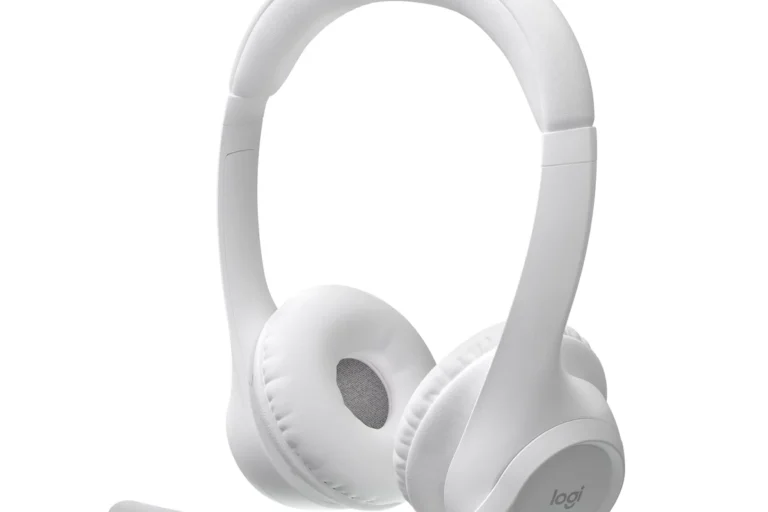
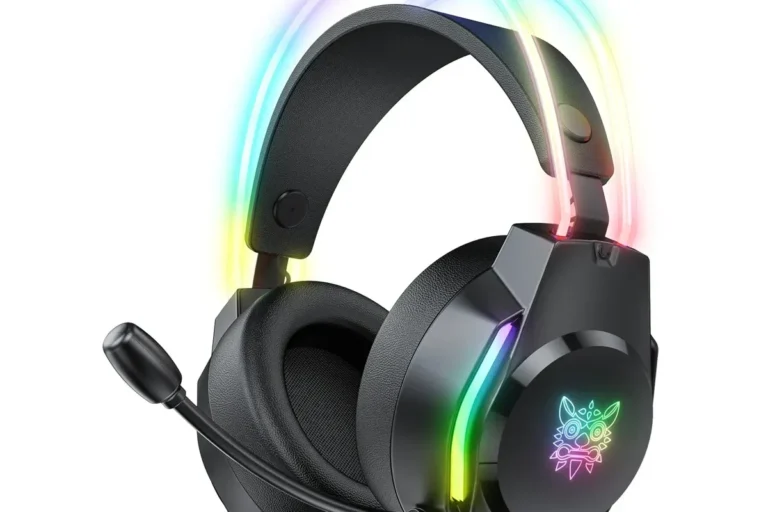
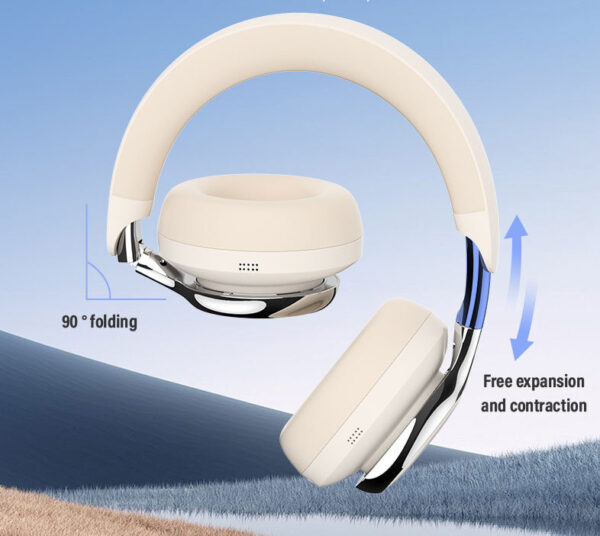
Over-ear headphones cover the ears with padded cups. They can provide a stable fit and block some gym noise.
They may work well for:
- Weight lifting
- Walking
- Low-impact exercise
- Stretching
- Stationary machines
They can feel hot during hard cardio. Sweat may also damage ear pads over time. Avoid wearing bulky over-ear headphones during exercises where the head or neck moves quickly.
Open-ear and bone-conduction headphones
Open-ear headphones sit outside the ear canal. Bone-conduction models send sound through vibrations near the cheekbones. Both designs leave the ear canal more open than standard earbuds.
They can help during:
- Outdoor running
- Hiking
- Walking in busy areas
- Cycling where local rules allow headphone use
- Workouts where you need to hear people around you
Open-ear headphones do not make loud listening harmless. You may raise the volume to overcome traffic, wind, or gym noise. That can still expose your ears to harmful sound.
Wired headphones
Wired headphones do not need charging. They may suit indoor workouts, but the cable can catch on equipment or weights.
Do not let a cable hang near:
- Treadmill belts
- Rowing machines
- Cables and pulleys
- Stationary bike pedals
- Free weights
For most active workouts, wireless headphones reduce this risk. Still, wireless models need charging and can fall between machines or onto dirty gym floors.

Set the Volume Before You Start
Keep the volume as low as possible while still hearing the music or podcast clearly. A simple check is to pause the audio and listen to the room. If you cannot hear normal speech nearby, the volume may be too high.
The National Institute for Occupational Safety and Health identifies 85 decibels over an 8-hour workday as a recommended exposure limit, using a 3-decibel exchange rate. This is an occupational guideline, not a precise safe setting for every personal device. Headphone output varies by phone, app, headphone model, fit, and music.
Use these habits:
- Start at a low volume.
- Raise it only until the audio is clear.
- Avoid turning it up to compete with loud gym speakers.
- Take listening breaks during long workouts.
- Lower the volume when using a tight-sealing earbud.
- Use your phone’s headphone safety controls when available.
A sealed earbud can make music sound clearer at a lower setting. That is useful, but it also reduces your ability to hear nearby sounds. Noise-canceling headphones can reduce background noise, yet they do not prevent hearing damage from high volume.
If you notice ringing, muffled hearing, ear pain, or a plugged feeling after exercise, stop listening and give your ears a break. If symptoms persist, worsen, or occur often, ask a qualified hearing professional for advice.

Make Headphones Stay in Place
A secure fit begins with the correct size and position. Do not push earbuds deep into the ear to keep them from falling out. That can cause discomfort and may push earwax farther into the ear canal.
How to fit wireless earbuds
- Clean and dry your ears and the earbuds.
- Select the ear tip that fits the ear canal without pressure.
- Insert the earbud at a slight angle.
- Twist it gently until it feels stable.
- Open your mouth, smile, and move your head from side to side.
- Check that the earbud does not loosen.
- Start your workout with a slow warm-up.
If the earbud moves during squats, jumping, or running, try a smaller or larger tip. A larger tip may create a better seal, but too much pressure can cause pain. Ear hooks and stabilizing wings can help during high-impact exercise.
How to fit over-ear headphones
Place the headband across the top of your head. The ear cups should surround both ears without pressing hard against them. Adjust the headband until the cups stay in place when you look up, down, and side to side.
Do not wear over-ear headphones so tightly that they cause a headache. A loose fit may let sound escape and tempt you to increase the volume.
Use a safe fit test
Before starting, perform the movements your workout will include. Walk, bend, turn, and move your arms. For running or jumping, test a few low-intensity movements first.
A successful fit should:
- Stay in place during normal movement
- Cause no sharp pain or numbness
- Avoid pressure on the ear canal
- Keep the audio clear without excessive volume
- Allow you to remove the headphones quickly

Match Headphones to Indoor and Outdoor Exercise
Your surroundings change how safely you can use headphones.
At a gym
Gym floors can be loud. Weight plates, music, fans, and exercise machines may cause you to increase the volume without noticing.
Use noise isolation or noise cancellation at a moderate level. Keep one ear free only if it does not affect the fit or cause you to increase the volume in the other ear. Some gyms also use verbal instructions, emergency alarms, or equipment warnings that you may need to hear.
Never wear headphones if gym staff instructs you to remove them for safety.
On a treadmill or indoor machine
Headphones are usually easier to manage on a treadmill than outdoors because there are fewer vehicles and road hazards. Keep the cable away from the moving belt. Wireless earbuds should sit securely before you increase speed.
Do not adjust your phone, change ear tips, or search for a fallen earbud while the machine is moving. Stop the machine first.
While running outdoors
Use a headphone setting that preserves awareness. Open-ear headphones may help, but they still reduce attention when the sound is loud or distracting.
Keep the volume low enough to hear:
- Vehicle engines
- Bicycle bells
- Sirens
- Other runners
- Dogs
- Changes in the walking or running surface
Run against traffic where required by local law and use sidewalks or designated paths when available. Headphone laws differ by state and location. Check the rules where you exercise, especially if you run on roads or cycle paths.
While cycling
Cycling with headphones can reduce awareness of vehicles and other riders. Some states and local areas limit or prohibit headphone use while riding. Check current rules before using headphones on public roads or shared paths.
If headphones are permitted, use a setup that leaves you aware of traffic. Do not rely on noise cancellation near vehicles.

Protect Your Ears and Headphones From Sweat
Sweat can irritate the skin and damage headphone materials. A water-resistance rating can help, but it does not mean a product is safe for every workout or condition.
Look for the product’s stated rating and instructions. An IP rating describes resistance to dust or water under controlled test conditions. It does not guarantee protection from heavy sweat, salt, rain, showers, or submersion unless the manufacturer specifically supports that use.
After each workout:
- Remove the headphones.
- Wipe them with a soft, dry cloth.
- Clean removable ear tips according to the manufacturer’s instructions.
- Let the headphones dry before placing them in the charging case.
- Store them in a clean, dry case.
- Do not charge wet headphones.
Avoid sharing in-ear headphones. Earbuds can collect sweat, skin oil, and earwax. Sharing them may spread germs and can irritate the ear canal.
Stop using earbuds if you develop ear pain, discharge, swelling, or a rash. Do not insert cotton swabs or other objects into the ear canal. Seek medical advice for ongoing symptoms.

Use Headphones Safely During Strength Training
Headphones can make a lifting session more focused, but they can also reduce awareness of people and equipment.
Keep the volume low enough to hear a spotter, trainer, or nearby person. Do not wear headphones if they prevent you from hearing instructions during a new exercise. Remove them when lifting near others or when a loose earbud could create a distraction.
For exercises that place pressure on the head or ears, over-ear headphones may be uncomfortable. Earbuds may work better, but only if they remain secure. During Olympic lifts, kettlebell work, battle ropes, or fast circuits, test the fit at low intensity before using heavier loads.
A fallen earbud is also a trip and hygiene problem. Stop moving before you pick it up. Clean it before putting it back in your ear.

Troubleshoot Common Headphone Problems
Most workout headphone problems come from poor fit, excess moisture, high volume, or the wrong style for the activity.
| Problem | Likely cause | Practical fix |
|---|---|---|
| Earbuds keep falling out | Wrong tip size, sweat, or poor angle | Try another tip, stabilizing wings, or ear hooks |
| Ears hurt | Tip is too large or inserted too far | Use a smaller tip and insert less deeply |
| Music sounds weak | Poor seal or low battery | Refit the earbud and check the charge |
| You keep raising the volume | Loud surroundings or weak isolation | Move away from speakers, use better isolation, or choose open-ear headphones outdoors |
| Headphones feel hot | Over-ear pads trap heat | Use earbuds or open-ear headphones for cardio |
| Audio cuts out | Bluetooth interference, low battery, or phone distance | Keep the phone nearby, recharge, and remove possible interference |
| Ear canal feels itchy | Moisture, buildup, or irritation | Stop use, clean the device, and seek care if symptoms continue |
| You cannot hear people | Volume is too high or noise cancellation is too strong | Lower the volume or switch to an awareness mode |
If only one earbud works, check the phone’s left-right balance settings, clean the charging contacts, and confirm that both earbuds are charged. Do not use a damaged earbud that becomes hot, swells, leaks, or shows exposed wiring.

Avoid These Common Mistakes
Several habits make headphones less safe or less comfortable during exercise.
Turning up the volume to block all noise
This is one of the most common mistakes. Move away from loud speakers when possible. A quieter location can protect your hearing better than simply choosing a louder setting.
Wearing earbuds that hurt
Pain is not proof that the earbud is secure. It often means the tip is too large, the earbud is inserted too far, or the design does not match your ear.
Using noise cancellation near hazards
Noise cancellation can reduce background sound, but it also reduces useful environmental cues. Avoid strong noise cancellation near roads, parking lots, trails with cyclists, and busy gym areas.
Ignoring local rules
Headphone use while driving is unsafe and may violate the law. Rules for bicycles, scooters, and road running vary across the United States. Check your state and local requirements.
Charging wet headphones
Moisture and charging ports do not mix. Dry the headphones and case first. Follow the manufacturer’s drying and charging instructions.
Wearing headphones through warning signs
Remove headphones if you feel dizzy, unsteady, unusually distracted, or unable to follow instructions. A workout is not the right time to force a device to work.

A Simple Pre-Workout Headphone Checklist
Use this checklist before each session:
- Are the headphones charged?
- Are the earbuds or ear pads clean and dry?
- Do they fit without pain?
- Can you hear important sounds around you?
- Is the volume low enough for your setting?
- Are you following gym, trail, road, or state rules?
- Could the cable catch on equipment?
- Will sweat or rain exceed the device’s stated limits?
- Can you stop the audio quickly if someone needs your attention?
For outdoor exercise, awareness comes first. For indoor exercise, comfort and fit matter most. For long sessions, volume and listening breaks matter more than brand or price.

Frequently Asked Questions
Is it safe to wear headphones while working out?
It can be safe when the volume is moderate, the headphones fit securely, and you can remain aware of hazards. Risk increases with loud sound, long listening time, poor fit, and outdoor traffic.
Are earbuds or headphones better for exercise?
Neither is best for every workout. Earbuds are light and portable. Over-ear headphones can feel stable but may trap heat. Open-ear models help with awareness but may sound less clear in loud places.
Should I wear one earbud while running?
One earbud may improve awareness, but it is not automatically safe. You may raise the volume in the ear that remains in use. Keep the volume low and follow local rules for roads and paths.
Can sweat ruin wireless earbuds?
Sweat can damage headphones over time, especially when the product is not designed for exercise. Check the manufacturer’s water-resistance guidance, wipe the device after use, and never charge it while wet.
Why do my ears hurt after wearing earbuds at the gym?
The ear tip may be too large, the earbud may be inserted too deeply, or moisture may be irritating the skin. Try a different tip and take a break. Stop using the earbuds and seek medical advice if pain, swelling, discharge, or hearing changes continue.
Conclusion
Wear headphones that match the workout, fit without pain, and stay secure through the movements you plan to do. Keep the volume as low as practical, preserve awareness outdoors, and follow local rules for running and cycling.
Before your next session, clean the headphones, test the fit, lower the volume, and check your surroundings. If the setup makes you miss warnings or causes ear symptoms, change the headphones or stop using them until the problem is resolved.