How Safe Are Bone Conduction Headphones: Safety Facts

Bone conduction headphones are generally safe for most people when used at a moderate volume and for reasonable listening times. They do not send sound through the ear canal, but they still deliver vibrations to the cochlea, the inner-ear organ that processes sound. That means they can still contribute to noise-induced hearing loss, tinnitus, or listening fatigue if the sound is too loud.
Bone conduction headphones may also cause skin soreness, pressure, headaches, or irritation around the cheekbones and ears. Their open-ear design can help you hear traffic and nearby people, but it does not make outdoor listening risk-free.
For people in the United States, the safest approach is simple: keep the volume low, take breaks, avoid using them in dangerous traffic situations, and stop if you notice pain, ringing, muffled hearing, or dizziness.

What Are Bone Conduction Headphones?
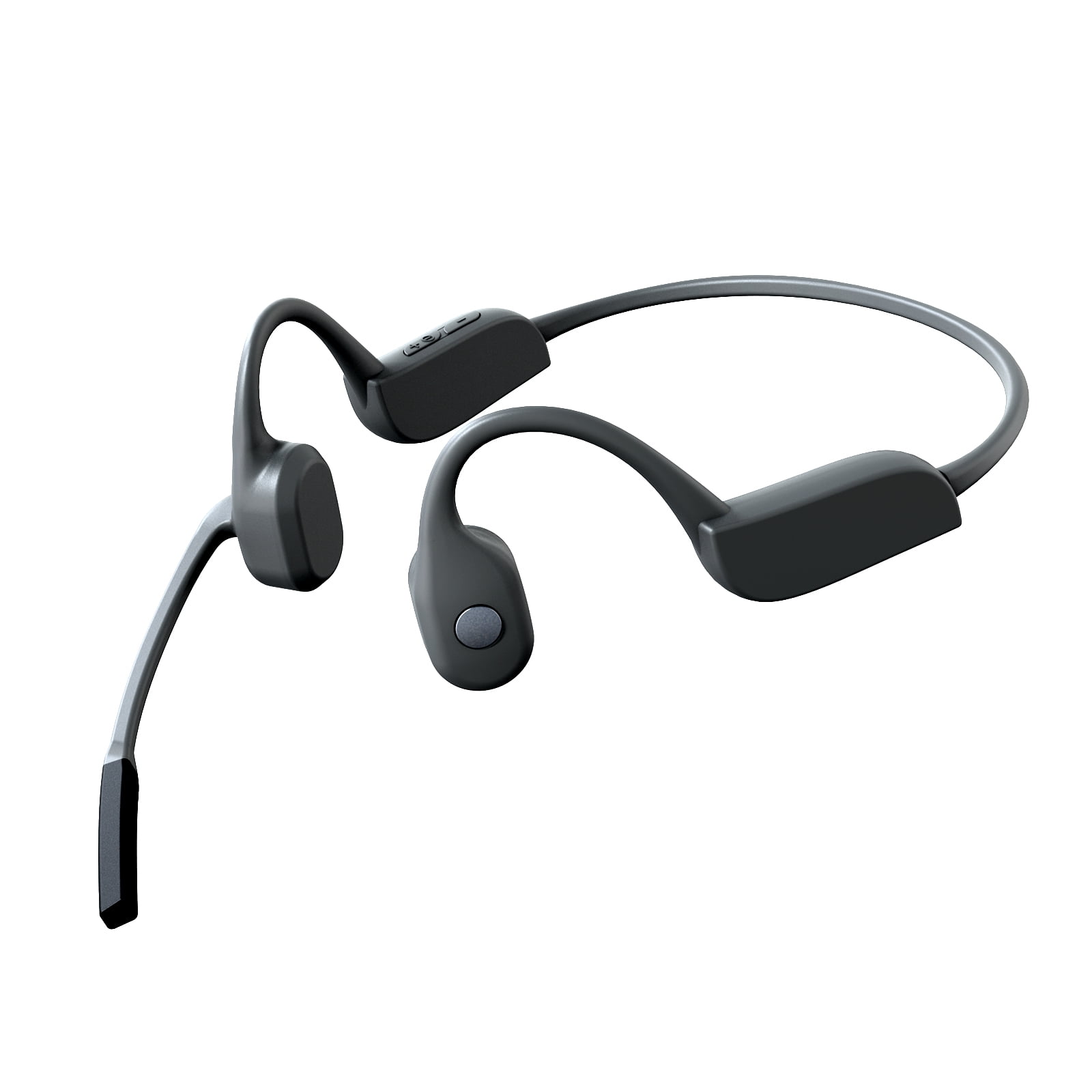
Bone conduction headphones send sound through small vibrations against the bones near the ears. These vibrations travel through the skull to the cochlea. The cochlea then changes the vibrations into nerve signals that the brain hears as sound.
Traditional headphones use air conduction. They send sound through the ear canal, across the eardrum, and through the middle ear before it reaches the cochlea.
Bone conduction headphones usually sit in front of the ears rather than covering them. This leaves the ear canals open. You can often hear some sounds around you while listening to music, podcasts, calls, or navigation prompts.
Bone conduction compared with traditional headphones
| Feature | Bone conduction headphones | Traditional headphones or earbuds |
|---|---|---|
| Main sound path | Skull vibrations to the cochlea | Ear canal, eardrum, middle ear, then cochlea |
| Ear canals | Usually open | Often blocked or partly blocked |
| Awareness of nearby sound | May be better in quiet settings | Often reduced, especially with noise cancellation |
| Risk from loud sound | Still possible | Still possible |
| Fit concerns | Pressure near the temples or cheekbones | Ear canal soreness or pressure |
| Medical use | Some models may help specific hearing conditions | Usually designed for general listening |
The key point is that bypassing the eardrum does not bypass the inner ear. The cochlea remains exposed to sound energy, and the cochlea can be damaged by excessive volume regardless of the delivery route.

Are Bone Conduction Headphones Safe for Your Hearing?
Bone conduction headphones are not automatically safer for hearing than regular headphones. Their safety depends mainly on sound level, listening time, the device fit, and your own hearing health.
The National Institute for Occupational Safety and Health, or NIOSH, uses 85 dBA for eight hours as a recommended exposure limit for occupational noise. Its guidance also uses a 3-decibel exchange rate. In simple terms, when sound rises by 3 dB, the recommended exposure time is cut in half.
This is a workplace guideline, not a precise personal limit for every headphone user. Still, it gives a useful safety framework:
| Approximate sound level | General NIOSH exposure reference |
|---|---|
| 85 dBA | 8 hours |
| 88 dBA | 4 hours |
| 91 dBA | 2 hours |
| 94 dBA | 1 hour |
| 97 dBA | 30 minutes |
| 100 dBA | 15 minutes |
These figures describe average exposure. Short peaks can still be uncomfortable or harmful. Also, many phones and headphones do not show the actual sound level reaching the cochlea, especially with bone conduction devices.
The World Health Organization recommends safe listening habits that include keeping volume below about 60% of the maximum when possible, taking regular breaks, and using personal exposure monitoring when available. Its safe-listening guidance also gives time-based limits for different sound levels.
Why volume alone does not tell the whole story
A volume slider is not a standard unit. Fifty percent volume on one phone and fifty percent on another can produce very different sound levels.
The real exposure depends on:
- The headphone model
- The phone or music player
- The audio recording
- Equalizer settings
- The fit against your head
- Background noise
- Listening time
- Whether you raise the volume to compete with traffic, exercise equipment, or machinery
A noisy setting is a common problem. Open-ear headphones may seem quiet outdoors, so a listener may increase the volume. The open design then gives a false sense of safety while the cochlea receives more sound energy.

Can Bone Conduction Headphones Cause Hearing Loss or Tinnitus?
Yes. Bone conduction headphones can contribute to hearing damage when they produce excessive sound for long enough.
Noise-induced hearing loss often develops slowly. You may not feel pain while damage occurs. Early signs can include:
- Ringing, buzzing, or hissing after listening
- Muffled hearing
- Trouble understanding speech in restaurants
- Needing to turn up the volume
- Sounds seeming dull or distant
- Increased sensitivity to ordinary sounds
Tinnitus means hearing a sound that has no outside source. Loud sound exposure is one possible cause. Headphones are not the only cause, and tinnitus can also relate to earwax, infection, medication, head injury, or other medical conditions.
A temporary “full” or muffled feeling after listening is a warning sign, not proof that the ears are fine. Stop using the headphones and give your ears quiet time. If symptoms persist, recur, affect one ear, or come with dizziness or sudden hearing loss, contact a health professional.
Does bone conduction protect the eardrum?
Bone conduction headphones do not place sound directly into the ear canal, so they may avoid some problems linked to earbud pressure, ear-canal blockage, or irritation. They do not protect the eardrum from every sound source, and they do not protect the cochlea from loud vibrations.
The cochlea contains delicate sensory cells. In humans, damaged hearing cells do not reliably grow back. That is why safe volume and exposure time matter even when the ear canal remains open.
Do Bone Conduction Headphones Improve Situational Awareness?
They can improve awareness compared with sealed earbuds, but they cannot guarantee that you will hear every nearby hazard.
An open ear design may let you hear:
- A person speaking nearby
- A bicycle bell
- A car horn
- A public announcement
- An alarm
- Footsteps or other environmental sounds
However, awareness changes with traffic noise, wind, rain, music volume, hearing ability, and the device’s fit. Some bone conduction models also use strong vibration or sound processing that may mask quieter sounds.
Do not treat bone conduction headphones as a safety device. In the United States, bicyclists, runners, and pedestrians must still follow local laws and use normal caution. Laws about headphones while driving or cycling vary by state and city.
Safer outdoor habits
Use these habits when walking, running, or cycling:
- Keep the volume low enough to hear normal speech.
- Do not use music to cover traffic noise.
- Pause playback before crossing a road or entering a busy area.
- Use only one listening source when you need to monitor your surroundings.
- Avoid headphones near trains, construction zones, heavy traffic, and other high-risk areas.
- Never assume that hearing outside sound means you have detected every hazard.
A simple test helps: ask someone standing nearby to speak at a normal level. If you cannot understand them without removing the headphones, reduce the volume or stop listening.
What Other Safety Problems Can Bone Conduction Headphones Cause?
The most common non-hearing problems involve pressure, heat, sweat, skin contact, and poor fit.
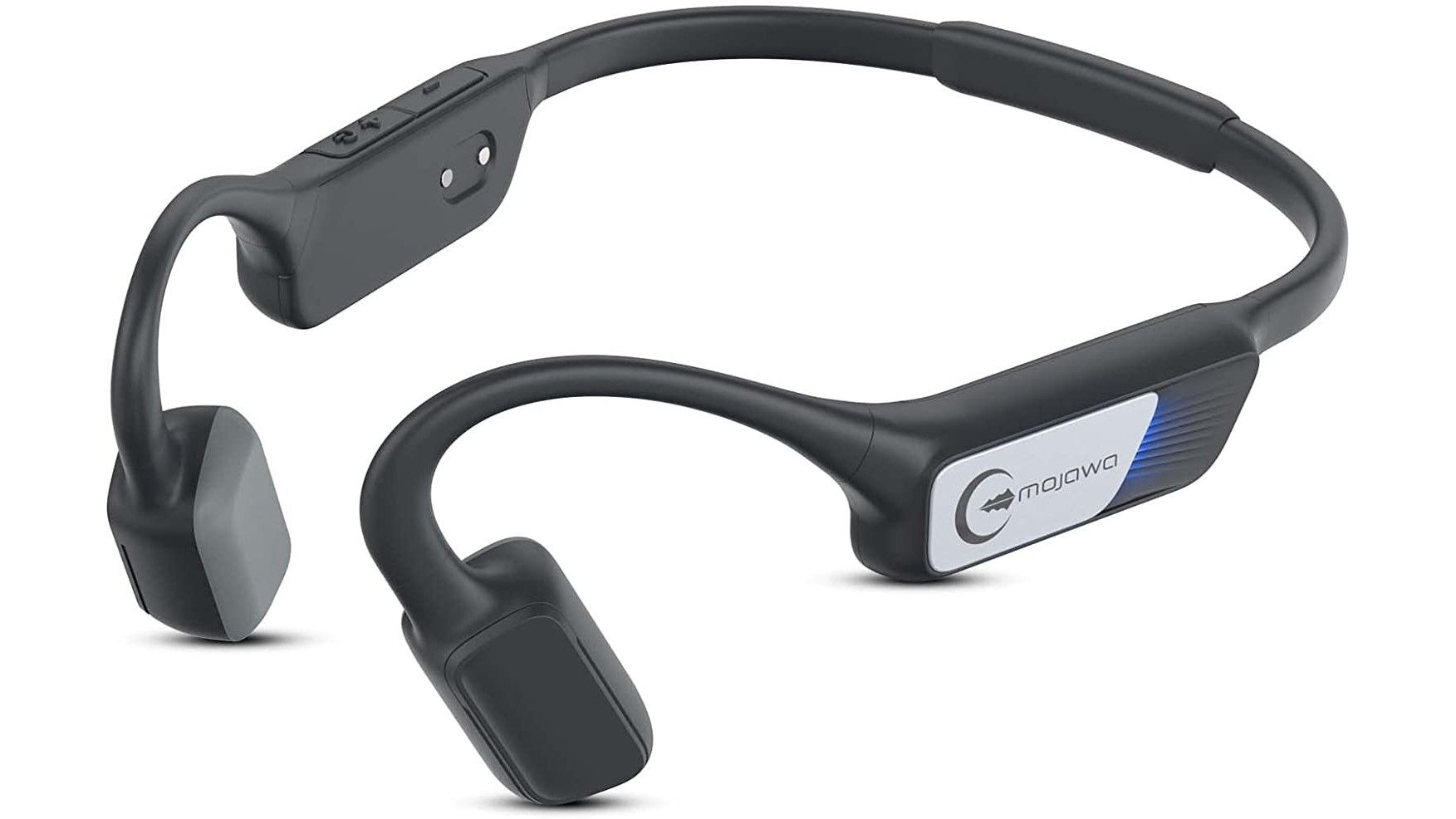
Bone conduction headphones often press against the area in front of or above the ears. A tight band can cause:
- Temple pain
- Headaches
- Tender skin
- Pressure marks
- Jaw or facial discomfort
- Pain when wearing glasses, helmets, or safety equipment
Sweat and salt can also irritate the skin. A device that moves during exercise may rub the same area again and again.
Reduce pressure and skin irritation
- Choose a fit that stays in place without strong pressure.
- Clean the contact points after exercise.
- Let the skin dry before wearing the device again.
- Do not share headphones without cleaning them.
- Stop using the device if you develop a rash, broken skin, swelling, or persistent pain.
- Check whether glasses, helmets, masks, or hair accessories are pushing the device into your skin.
Water resistance also has limits. A device marked for sweat or light rain may not be safe for swimming. Follow the manufacturer’s water-resistance instructions, and do not charge a wet device.

How to Use Bone Conduction Headphones More Safely
The safest setup uses low volume, short sessions, and quiet breaks. You do not need to avoid headphones completely if you can control your exposure.
A practical safe-listening routine
- Start at a low volume. Increase it only enough to understand the content.
- Use a quiet setting when possible. Do not raise the volume to compete with engines, gym equipment, or street noise.
- Take breaks. Remove the headphones for several minutes each hour, or use longer quiet periods during the day.
- Keep the device clean. Wipe contact areas according to the manufacturer’s instructions.
- Check the fit. The transducers should sit where the maker shows, without excessive pressure.
- Monitor your ears. Ringing, muffled hearing, pain, or sound sensitivity means you should stop.
- Limit use around hazards. Do not rely on open-ear audio near traffic, water, machinery, or emergency work.
- Control connected devices. Avoid unexpected volume spikes from notifications, calls, or another paired device.
Use phone hearing controls when available
Many smartphones can show headphone exposure or limit maximum volume. These tools may work best with supported accessories, and they may not measure bone-conduction exposure perfectly. Treat them as helpful warnings rather than a guarantee of safety.
If your phone provides a headphone safety alert, keep it enabled. If the alert appears often, lower the volume and shorten your listening sessions.

Who Should Be Careful With Bone Conduction Headphones?
Most healthy adults can use bone conduction headphones safely with moderate exposure. Extra care may be needed if you have:
- Existing hearing loss
- Tinnitus
- Hyperacusis, or unusual sensitivity to sound
- Repeated ear infections
- Ear surgery or a skull injury
- A condition affecting the inner ear
- Dizziness or balance problems
- Skin allergies or pressure-sensitive skin
People with conductive hearing loss may sometimes benefit from bone-conduction technology because it can bypass problems in the outer or middle ear. That does not mean every consumer bone conduction headphone is suitable for hearing rehabilitation.
A medical bone-anchored hearing system is different from ordinary consumer headphones. It may involve a hearing specialist, a medical evaluation, and an implanted or skin-contact device. Do not use consumer headphones as a substitute for hearing care.
Parents should also be cautious with children. Children may not notice or report early signs of overexposure. Keep volume limits active, choose short listening periods, and check that the child can still hear normal speech.

Bone Conduction vs. Earbuds: Which Is Safer?
Neither type is always safer. The better choice depends on how loud you listen, how long you listen, and where you use the device.
| Situation | Bone conduction advantage | Important limitation |
|---|---|---|
| Walking in a quiet neighborhood | Leaves the ear canal open | Does not guarantee awareness |
| Long calls at low volume | May reduce ear-canal blockage | Can still cause pressure or fatigue |
| Loud commuting | May feel more comfortable than sealed earbuds | You may raise the volume to hear |
| Sensitive ear canals | Avoids inserting a tip into the canal | Contact pressure may bother the skin |
| Swimming | Some specialized models may be designed for it | Water ratings and controls vary |
| Hearing loss | May help some conductive losses | Needs professional guidance for medical use |
Noise-canceling earbuds can be safer in a loud environment if they let you listen at a lower volume. Bone conduction can be safer for comfort or awareness in a quiet setting. The deciding factor is not the product category alone. It is the sound dose reaching the hearing system.

When Should You Stop Using Them and Seek Care?
Stop using bone conduction headphones if you notice pain, ringing, muffled hearing, dizziness, or a sudden change in hearing.
Contact a doctor or hearing professional if:
- Hearing remains muffled after a quiet break
- Tinnitus lasts or keeps returning
- One ear changes suddenly
- You have ear drainage, severe pain, or swelling
- You develop vertigo or major balance problems
- Ordinary sounds become painful
- Symptoms follow a very loud sound or explosion
Sudden hearing loss is urgent. Do not wait several days to see whether it improves. Contact a medical professional or urgent care service promptly, especially when the change affects one ear.
A hearing test can help separate headphone-related noise exposure from earwax, infection, medication effects, age-related hearing changes, or other causes.

Common Mistakes That Make Bone Conduction Headphones Less Safe
Assuming open-ear means risk-free
Open ears can improve awareness, but they do not prevent loud sound from reaching the cochlea.
Turning up the volume in noisy places
This is one of the clearest ways to increase exposure. Move to a quieter place instead of using more volume.
Wearing a tight fit for hours
A secure fit should not feel painful. Pressure that builds over time is a reason to adjust or remove the device.
Ignoring temporary ringing
Ringing after listening signals that the sound exposure may have been too high. Treat it as a warning.
Using them near serious hazards
The ability to hear some outside sound is not the same as detecting every vehicle, alarm, or machine. Remove the headphones when full attention is needed.
Treating a consumer device as a hearing aid
Bone conduction headphones may help with listening comfort for some people, but they are not automatically medical devices or hearing-loss treatments.

Frequently Asked Questions
Are bone conduction headphones safer than earbuds?
Not by default. They may reduce ear-canal irritation and leave the ears open, but they can still expose the cochlea to excessive sound. Lower volume and shorter listening time matter more than the headphone style.
Can you wear bone conduction headphones all day?
Long use at a low volume may be tolerated by many people, but all-day listening is not ideal. Take regular breaks and stop if you notice pressure, fatigue, ringing, or muffled hearing.
Can bone conduction headphones damage the brain?
There is no good evidence that normal use of consumer bone conduction headphones damages the brain. The main established concern is excessive sound exposure affecting the hearing system, along with pressure and skin irritation.
Are bone conduction headphones safe for people with hearing loss?
They may be useful for some types of conductive hearing loss, but they are not right for every person or condition. Ask an audiologist or ear specialist before relying on them for hearing support.
Can bone conduction headphones cause ear infections?
They do not sit inside the ear canal, so they may be less likely to cause problems linked to trapped moisture or canal blockage. However, sweat, dirt, poor cleaning, and skin irritation can still create discomfort or infection risk around the contact area.
Conclusion
Bone conduction headphones are usually safe when used at a moderate volume, with regular breaks and a comfortable fit. Their open-ear design may help you hear nearby sounds, but it does not protect the cochlea from loud audio.
Use them in quiet settings when possible, keep volume low, and treat ringing, muffled hearing, pain, or dizziness as a reason to stop. If symptoms persist or hearing changes suddenly, seek medical care rather than continuing to listen.