How Do Bone Conduction Headphones Work: Simple Guide

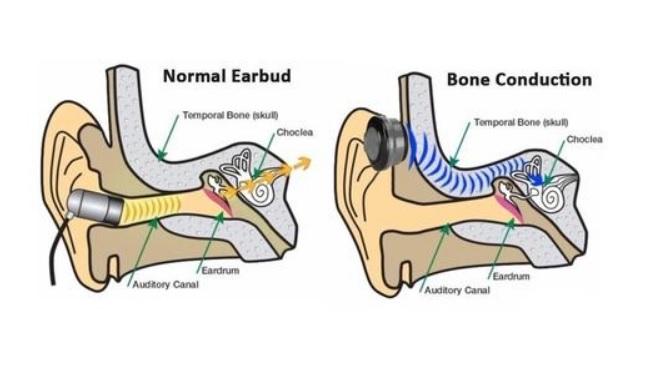
In the United States, bone conduction headphones are popular with runners, cyclists, and people who want to hear traffic while listening to audio. Unlike standard headphones, they do not send sound through the ear canal. Instead, small transducers rest near the cheekbones and send vibrations through the skull to the inner ear.
The cochlea then changes those vibrations into nerve signals, much like it does with sound that enters through the outer and middle ear. This design can leave the ear canals open, but it does not make the headphones silent, risk-free, or suitable for every listener.
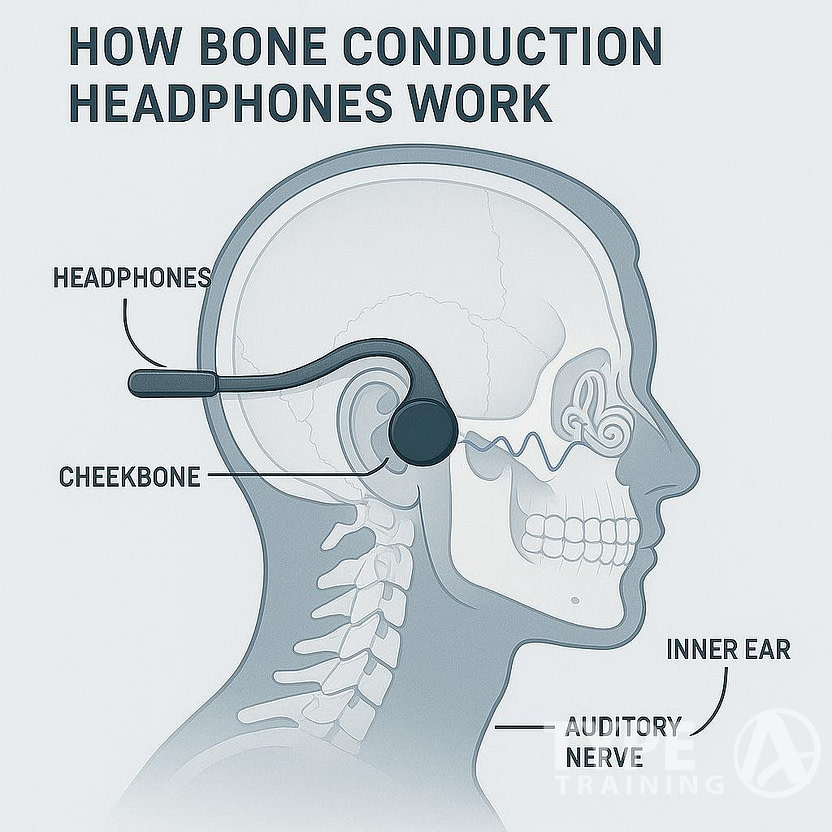
The short answer: How do bone conduction headphones work?
Bone conduction headphones work by turning an electrical audio signal into mechanical vibrations. The transducers press gently against the bones near the ears, often the cheekbones or area in front of the ears.
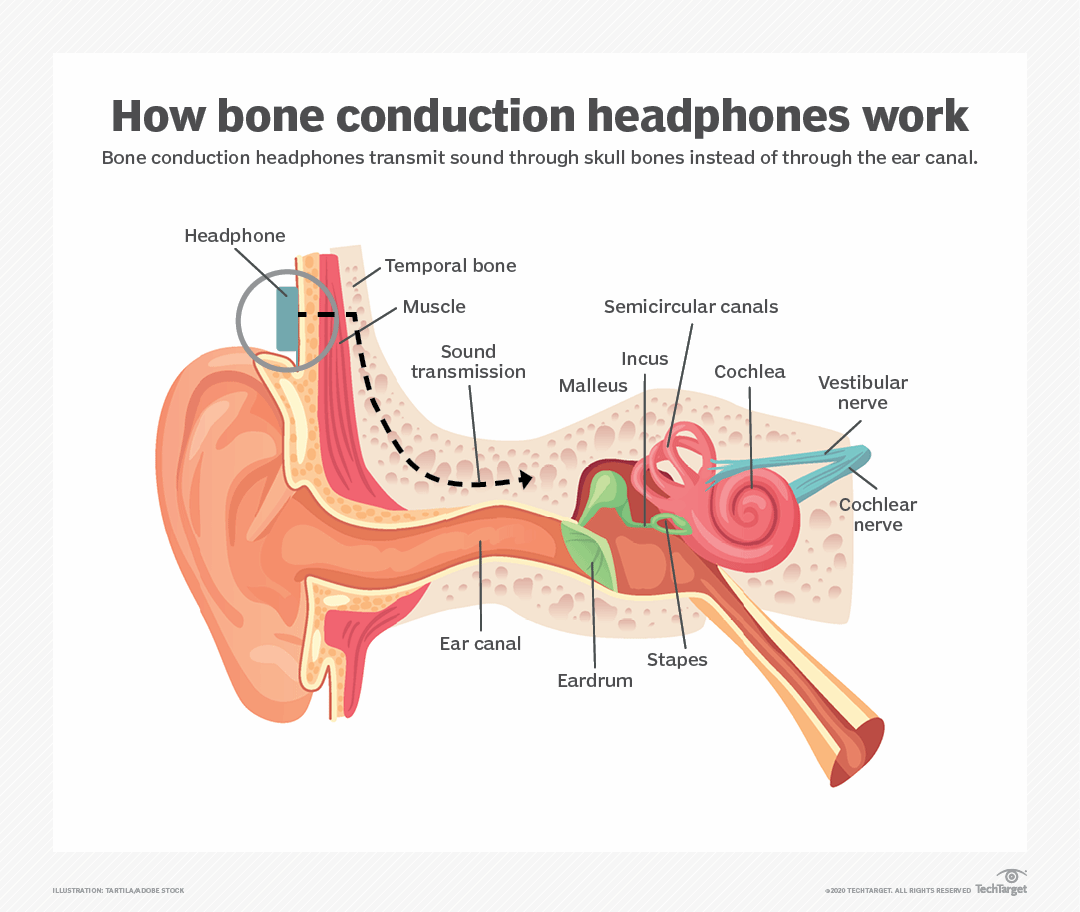
Those vibrations travel through the skull to the cochlea. The cochlea is the hearing organ in the inner ear. It converts movement into electrical signals that travel through the auditory nerve to the brain.
The basic path looks like this:
- A phone or music player sends an audio signal.
- The headphones process that signal.
- A transducer changes the signal into vibration.
- Skull bones carry the vibration to the inner ear.
- The cochlea turns the vibration into nerve signals.
- The brain interprets those signals as speech, music, or other sound.
This route skips much of the outer and middle ear. However, it still uses the cochlea and auditory nerve. Bone conduction is not a separate sense of hearing. It is another way to stimulate the same inner-ear hearing system.
Air conduction and bone conduction compared
Most headphones use air conduction. They move air in or near the ear canal. The sound then travels through the outer ear, eardrum, and middle-ear bones before reaching the cochlea.
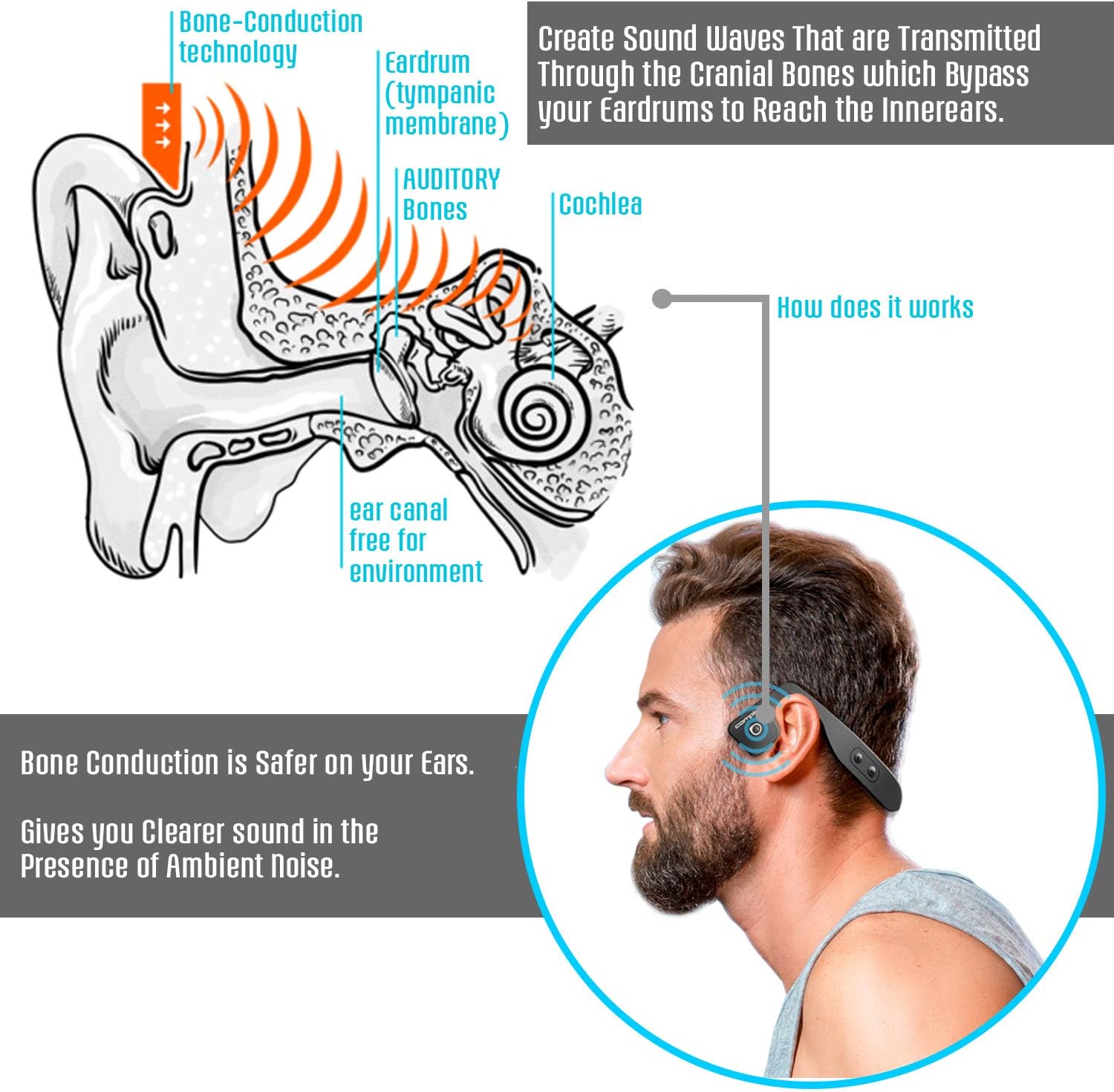
Bone conduction headphones use bone conduction. They create vibrations that reach the cochlea through the skull.
| Feature | Standard headphones | Bone conduction headphones |
|---|---|---|
| Main sound path | Air, ear canal, eardrum, middle ear | Skull vibration to the cochlea |
| Ear canals | Usually covered or filled | Usually open |
| Awareness of surroundings | Often reduced | Usually higher |
| Bass response | Often stronger | Often lighter |
| Sound leakage | Usually low with a good seal | Can be noticeable at higher volume |
| Fit | In or over the ear | Near the cheekbones |
| Use with earplugs | Often difficult | Often possible, depending on the model |
Neither method is automatically better. The right choice depends on the listener’s hearing, environment, comfort, and sound priorities.
The parts that make bone conduction headphones work
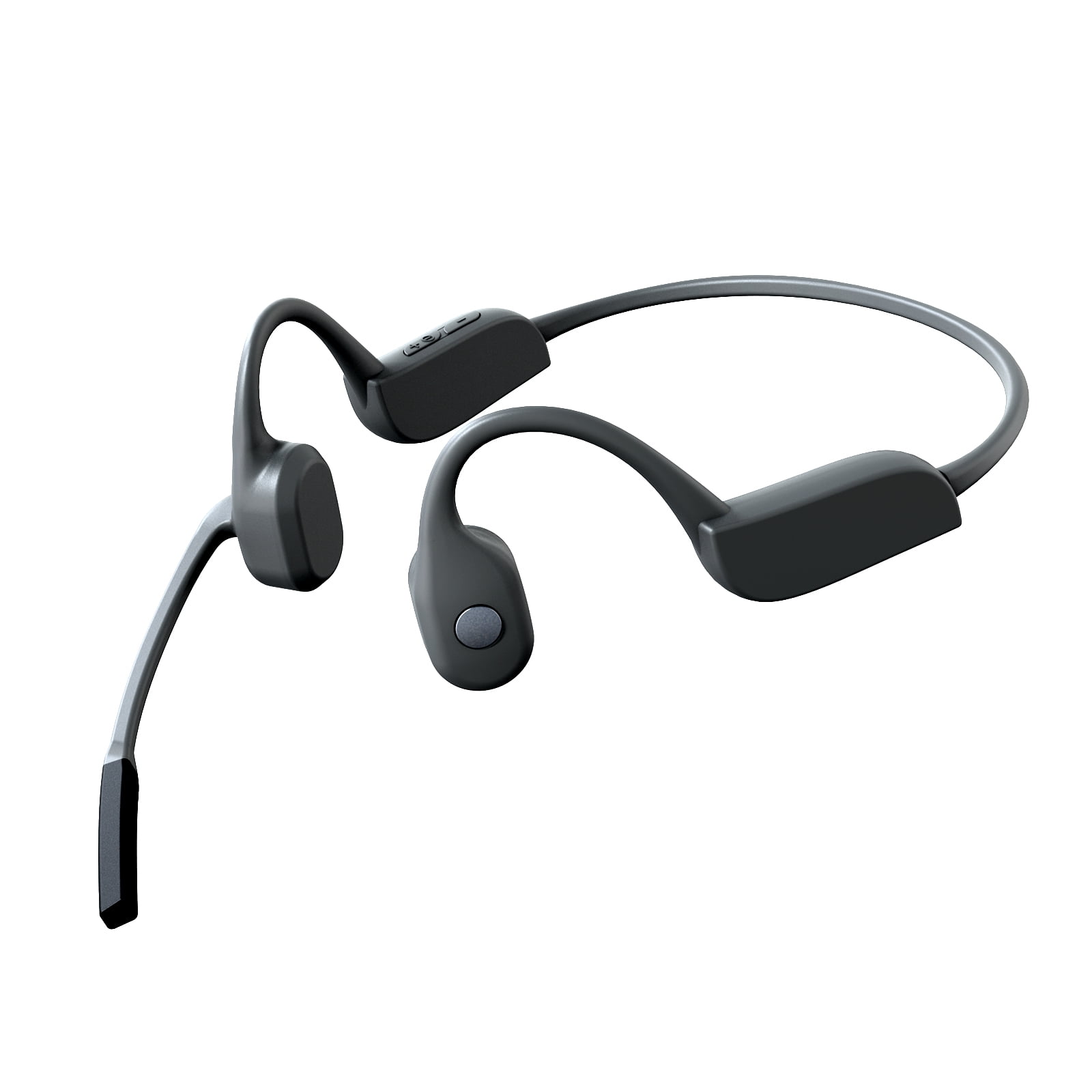
A bone conduction headset has several key parts. Each one has a different job.
Transducers
The transducers are the small vibrating units that sit against the head. They are sometimes called bone conduction drivers.
A transducer receives the audio signal and moves back and forth. The movement creates vibrations in the nearby bone. A poor fit can reduce the amount of vibration that reaches the inner ear.
bluetooth or wired electronics
Many modern models use Bluetooth to receive audio from a phone, tablet, or computer. Wired models receive the signal through a cable.
The electronics may also include:
- A battery
- A Bluetooth radio
- A microphone
- Volume controls
- A charging port
- Digital signal processing
Bluetooth does not create the bone conduction effect. It only carries the audio signal to the headset. The transducers create the physical vibration.
Frame and contact points
The frame holds the transducers in the correct position. Many designs place them in front of the ears instead of inside them.
The contact points must stay close to the skin. Hair, glasses, hats, or a loose fit may change the sound. The headset should feel secure without causing strong pressure or pain.
Microphones
A built-in microphone can pick up speech for calls, voice messages, or online meetings. The microphone usually uses air-conducted sound from the user’s voice. It does not send the caller’s voice through the skull.
Wind can affect call quality. Outdoor models may use noise reduction, but no microphone removes all wind or traffic noise.
Why bone conduction headphones leave your ears open
Bone conduction headphones do not need to block the ear canal. Their transducers sit outside the ear and vibrate the skull.
This open-ear design can help a person hear:
- Car horns
- Sirens
- Bicycle bells
- Coworkers
- Public announcements
- Conversation
- Environmental sounds
Open ears do not guarantee complete awareness. Music, podcasts, traffic, and crowded spaces can still distract you. Some models also leak sound, especially at high volume.
For that reason, open-ear headphones are not a replacement for alert behavior. Cyclists, runners, and pedestrians still need to look, listen, and follow local safety rules.

Do bone conduction headphones work if the ear canal is blocked?
They can work when the outer or middle ear blocks some sound. This is because the vibration route does not depend on normal sound movement through the ear canal and eardrum.
A blockage may result from:
- Earwax
- Fluid behind the eardrum
- Middle-ear inflammation
- A problem with the eardrum
- Damage to the small middle-ear bones
This type of problem is often called conductive hearing loss. Bone conduction may deliver sound to the cochlea even when air-conducted sound does not travel well.
However, consumer bone conduction headphones are not the same as clinical bone-conduction hearing devices. A person with hearing loss should speak with an audiologist or doctor before relying on headphones for communication or safety.
Bone conduction may not solve hearing loss caused by damage to the cochlea or auditory nerve. That type is often called sensorineural hearing loss. Mixed hearing loss can include both conductive and sensorineural causes.
Can people with normal hearing hear bone conduction headphones?
Yes. People with normal hearing can hear them because their cochleae respond to vibration.
The sound may seem different from sound produced by regular earbuds. Many listeners notice:
- Less deep bass
- A thinner music sound
- More outside noise
- Less detail in busy places
- A stronger sense that sound comes from inside the head
Fit makes a large difference. If the transducers sit in the wrong place, the volume may drop and the sound may become weak. Small position changes can affect bass and speech clarity.
Bone conduction headphones are often strongest for speech, podcasts, calls, and casual music. They may be less satisfying for people who want deep bass, a sealed sound, or highly detailed music.
Are bone conduction headphones safe?
Bone conduction headphones are not automatically safer than regular headphones. They still deliver sound energy to the cochlea, and excessive volume or long listening can contribute to noise-induced hearing damage.
The U.S. Centers for Disease Control and Prevention explains that loud noise can damage the inner ear. The National Institute for Occupational Safety and Health also treats sound exposure as a matter of both volume and time.
Use these practical precautions:
- Keep the volume as low as possible.
- Take listening breaks.
- Lower the volume in quiet places.
- Do not increase the volume just to cover traffic or crowd noise.
- Stop if you notice ringing, muffled hearing, pain, or unusual sound sensitivity.
- Use certified hearing protection in loud work areas.
- Do not treat open-ear headphones as hearing protection.
Open ears may make environmental sound easier to hear, but they do not protect the cochlea. In a loud setting, background noise can still add to total exposure.
What about children?
Children’s ears also need protection from loud sound. Parents should set a safe volume, limit listening time, and check that children can still respond to nearby speech and warning sounds.
A child with hearing concerns should receive advice from a pediatrician or audiologist. Headphones should not replace an evaluation.
Can bone conduction headphones damage hearing?
They can contribute to hearing damage if they play sound too loudly or for too long. The risk comes from sound exposure at the inner ear, not only from the location of the speaker.
Bone conduction headphones may seem quieter because they do not seal the ear. That feeling is not a reliable measure of safe volume. A user may turn up the volume to compete with traffic, wind, gym noise, or conversation.
Watch for signs of excessive exposure:
- Ringing in the ears
- Muffled hearing after listening
- Trouble understanding speech
- Ear discomfort
- A need to raise the volume over time
If these signs continue, stop using the headphones and seek medical advice. Sudden hearing loss, severe dizziness, or sudden one-sided hearing changes require prompt medical care.

What are the advantages of bone conduction headphones?
Bone conduction headphones offer a useful mix of access and awareness. Their main benefits include the following.
Open-ear awareness
The ear canals remain open. This can help people hear traffic, coworkers, and announcements while listening to audio.
Comfort for some users
People who dislike earbuds may find the design more comfortable. It can also help users who experience irritation from in-ear tips.
Comfort varies. Pressure from the frame or transducers can bother some listeners, especially during long sessions.
Useful with some ear conditions
A person with an outer- or middle-ear problem may hear bone-conducted sound more clearly than air-conducted sound. This does not diagnose or treat the condition, but it explains why the design may be useful.
Better fit for selected activities
The design can work well for running, hiking, cycling, office work, and other activities where awareness matters. The headset does not need to enter the ear and may stay secure during movement.
Compatibility with earplugs in some settings
Some users can wear bone conduction headphones with earplugs. This may help in a noisy setting, but the combined setup needs care. Earplugs can change the sound and may encourage higher volume.
What are the disadvantages?
Bone conduction headphones also have clear limits.
Weaker bass and musical detail
Because the design does not create the same sealed air pressure as an earbud, bass may sound less powerful. Music may lack some detail and fullness.
Sound leakage
People nearby may hear part of the audio. Leakage becomes more noticeable when the volume is high or the headset does not fit well.
Less privacy
An open design makes it easier for others to hear the audio. This may matter at work, on public transit, or in shared spaces.
Fit affects performance
The transducers need steady contact with the correct area. Glasses, helmets, hats, hair, and movement can affect the fit.
They do not solve every hearing problem
Bone conduction still depends on a working cochlea and auditory nerve. It cannot serve as a universal solution for hearing loss.
How to wear bone conduction headphones correctly
Correct placement improves both sound and comfort.
- Place the frame around the back of your head or neck, based on its design.
- Put each transducer on the bone in front of the ear.
- Keep the transducers flat against the skin.
- Make sure the frame does not press sharply on the ears or temples.
- Start playback at a low volume.
- Move the transducers slightly until speech sounds clear.
- Test the fit while walking or moving your head.
- Recheck the position if the sound becomes weak.
The best position is usually close to the cheekbone, but the exact location depends on the model and the user’s anatomy. Follow the manufacturer’s instructions when they differ.
If the headset sounds weak at normal volume, check the fit before raising the volume. A poor position is a common reason users increase volume unnecessarily.
How to choose bone conduction headphones
Choose based on how and where you plan to use them. Use this guide as a starting point:
| Your main need | Features to prioritize | Main trade-off |
|---|---|---|
| Running or cycling | Secure frame, open-ear awareness, sweat resistance | Less bass and privacy |
| Swimming | A model made for swimming, internal storage, water rating | Bluetooth may not work well underwater |
| Phone calls | Microphone quality and wind handling | Outdoor noise can still affect calls |
| Office use | Comfort, low sound leakage, clear speech | Nearby people may hear some audio |
| Hearing support | Professional hearing evaluation first | Consumer headphones are not medical devices |
| Music quality | Stronger transducers and better fit | Open designs still may not match sealed headphones |
Check the water rating carefully
“Water resistant” does not always mean “safe for swimming.” Check the exact rating and the manufacturer’s stated use.
Bluetooth signals may lose connection underwater. A swimming model may need built-in music storage instead of a live phone connection.
Check device compatibility
Confirm that the headset supports your phone, tablet, computer, or watch. Also check:
- Bluetooth version and profiles
- Multipoint pairing
- Microphone support
- Charging method
- Battery claims and test conditions
- App requirements
- Warranty terms
A manufacturer’s battery estimate may depend on volume, codec, call use, and other conditions. Treat it as a guide, not a guarantee.
Bone conduction headphones vs. open-ear air-conduction headphones
These designs are often confused.
Bone conduction headphones vibrate the bones near the ear. They do not place a speaker in the ear canal.
Open-ear air-conduction headphones use small speakers that aim sound toward the ear. They leave the ear canal open, but they send sound through the air.
Both designs can improve awareness compared with sealed earbuds. Their sound paths differ.
Open-ear air-conduction models may provide stronger bass and a more familiar sound. Bone conduction models may work better for people who cannot or do not want to place a speaker near the ear. The better choice depends on comfort, sound quality, hearing needs, and the setting.
Common problems and practical fixes
The sound is too quiet
Possible causes include poor contact, low device volume, a low battery, or a blocked transducer.
Try this order:
- Check the phone and headset volume.
- Charge the headset.
- Clean the contact area.
- Move the transducers slightly.
- Remove anything between the transducer and skin.
- Test with another device or audio file.
Do not solve a poor fit by immediately using maximum volume.
The bass is weak
Some loss of bass is normal. Improve the fit first. Check whether the headset has an equalizer or sound mode.
Bass can also seem weak in a noisy area because outside sound masks low-level audio. A quieter setting may improve the result more than a volume increase.
The headset hurts
Pain can come from frame pressure, incorrect placement, or wearing the headset too long. Remove it and check the fit.
Do not keep using a headset that causes pain, numbness, skin irritation, or headaches. If symptoms continue after stopping, seek medical advice.
Other people can hear the audio
Lower the volume and improve the fit. Sound leakage varies by model, volume, and distance.
For private listening, sealed headphones may be a better choice.
Calls sound unclear
Check the microphone position, wind, Bluetooth connection, and phone settings. Test indoors first. If the call improves indoors but fails outdoors, wind or traffic noise may be the main cause.

Frequently asked questions
Do bone conduction headphones go inside your ears?
No. They usually sit on the bones in front of the ears. They send vibrations through the skull instead of placing a speaker inside the ear canal.
Can bone conduction headphones make you deaf?
They do not cause hearing loss simply because they use bone conduction. However, loud or prolonged listening can damage hearing through the cochlea. Use a low volume and take breaks.
Can you use bone conduction headphones with earplugs?
Often, yes. The headphones can send vibrations through the skull while earplugs reduce air-conducted sound. The result depends on the model, earplugs, fit, and volume. Do not use this setup as a substitute for properly rated hearing protection.
Are bone conduction headphones good for people with hearing loss?
They may help some people with conductive hearing loss. They may not help people with sensorineural hearing loss, and they are not a universal hearing aid. An audiologist can identify the type and degree of hearing loss.
Can bone conduction headphones be used for phone calls?
Yes. Many models include a microphone and support phone calls. Call quality depends on the microphone, wind, background noise, Bluetooth connection, and phone compatibility.
Do bone conduction headphones work underwater?
Only models designed for swimming should be used underwater. Standard Bluetooth models may not maintain a connection because water interferes with radio signals. Check the exact water rating and operating instructions.
Key takeaways
- Bone conduction headphones turn audio into vibrations.
- The vibrations travel through the skull to the cochlea.
- They bypass much of the outer and middle ear, but they still use the inner ear.
- Their open-ear design can improve awareness of nearby sounds.
- They may suit runners, cyclists, office users, and some people with conductive hearing loss.
- They usually provide less bass and privacy than sealed headphones.
- They can still contribute to hearing damage at high volume.
- Consumer bone conduction headphones are not a substitute for hearing aids or professional hearing care.
Conclusion
Bone conduction headphones work by sending mechanical vibrations through the skull to the cochlea. This lets users hear audio without covering or filling the ear canals.
Their main strength is open-ear awareness. Their main limits are sound quality, leakage, fit, and continued exposure to loud sound. If you want awareness during outdoor activity, they may be useful. If you need deep bass, privacy, or treatment for hearing loss, another option may fit better.
Start with a secure fit and a low volume. If you have hearing loss, ear pain, ringing, dizziness, or sudden hearing changes, ask a qualified hearing professional for advice before relying on the headphones.
Research basis
This guide is based on information from the following U.S. and clinical sources:
- National Institute on Deafness and Other Communication Disorders: How Do We Hear?
- National Institute on Deafness and Other Communication Disorders: Noise-Induced Hearing Loss
- Centers for Disease Control and Prevention: Preventing Noise-Induced Hearing Loss
- National Institute for Occupational Safety and Health: Occupational Noise Exposure
- U.S. Food and Drug Administration: Hearing Aids