Over Ear Headphones with Mic

Over ear headphones with mic are best if you want one comfortable headset for calls, music, gaming, and travel. Choose based on mic quality, fit, connection type, and battery or latency needs.
Over ear headphones with mic are a smart all-in-one choice if you want comfortable listening, clear voice pickup, and fewer device swaps for work, gaming, travel, and everyday calls. The best pair depends on how you balance sound quality, microphone clarity, comfort, and connectivity—not just brand name or battery claims.
- Best all-around fit: Great for long sessions, calls, and shared spaces when comfort matters.
- Mic choice matters: Boom mics usually beat built-in mics for noisy rooms and frequent meetings.
- Connectivity is key: Wired is simplest for latency; Bluetooth adds convenience and multipoint.
- Comfort affects value: Clamp, pad material, and weight can matter more than raw specs.
Over Ear Headphones with Mic: Best Picks for Work, Gaming, Travel, and Everyday Use
For most shoppers, over ear headphones with a microphone make sense when you want one headset that can handle music, meetings, and chat without feeling cramped. They tend to offer better passive isolation than smaller headphones, more room for larger ear cushions, and a stronger sense of comfort during long sessions.
In 2026, the most useful “best pick” is less about a single model and more about the right feature mix for your routine. A remote worker may care most about mic clarity and multipoint Bluetooth, while a gamer may prioritize low latency and a boom mic, and a traveler may want foldability, ANC, and a protective case.
When comparing over ear headphones with mic, focus on the use case first. The same headset can be excellent for meetings and only average for gaming, or great for music but weak for voice pickup in noisy rooms.
What Are Over Ear Headphones with Mic and Who Are They Best For?
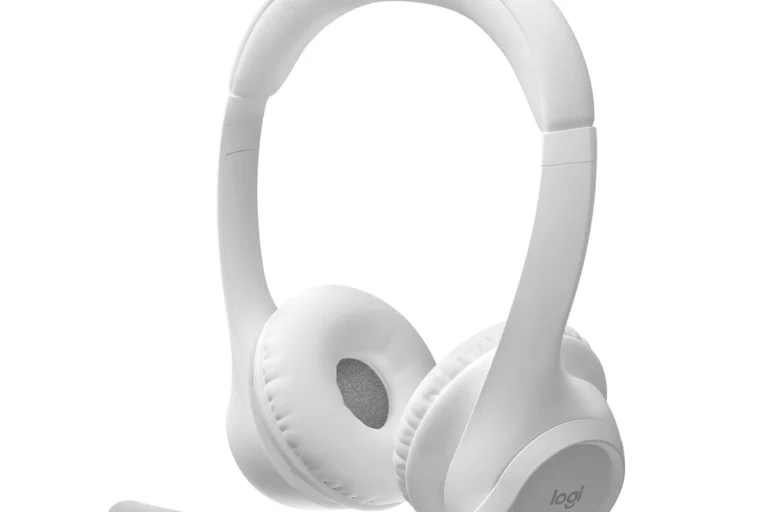
Over ear headphones sit around the ears rather than on top of them, and the mic can be built into the ear cup, attached as a boom, or integrated into a cable or wireless control pod. In plain terms, they combine full-size headphones with voice input, so you can listen and speak without switching accessories.
Everyday listening, calls, gaming, and remote work use cases
These headphones are best for people who spend a lot of time on voice calls, video meetings, or gaming chat. They are also useful for students, commuters, and home listeners who want one device for streaming, podcasts, and phone calls.
For office and home use, the main advantage is convenience: you can stay on a meeting, answer a call, or switch to music without changing gear. For gaming, a good mic and low-latency connection matter more than fancy sound extras. For travel, comfort and noise control usually matter most.
When over ear headphones are better than on-ear or earbuds
Over ear designs usually win when comfort and isolation matter. Because the cups surround the ear, they often reduce outside noise more effectively than on-ear models and feel less fatiguing than earbuds for long sessions.
They are also a better fit if you dislike pressure inside the ear canal or want a fuller soundstage for music and movies. If you need maximum portability or want something very discreet, earbuds may still be the better choice. For a broader fit comparison, see our over ear vs on ear vs in ear guide.
How to Choose the Right Over Ear Headphones with Mic in 2026
The right headset should match how you listen and talk most often. Before comparing features, decide whether your priority is call quality, music quality, gaming latency, travel convenience, or all-day comfort.
- Intended use case, fit, and connectivity type
- Battery life, warranty, and return policy
- Microphone style, noise handling, and compatibility with your devices
Sound quality: bass, clarity, and tuning for music vs. calls
Sound quality on over ear headphones is usually described by tuning rather than raw specs. “Bass-heavy” headphones emphasize low-end impact, while “balanced” or “neutral” tuning keeps voices and instruments clearer. For calls, clarity in the midrange matters more than big bass.
If you listen to a lot of music, look for a sound profile that matches your taste. If you mostly use the headset for meetings, voice clarity and speech intelligibility matter more than deep bass. Manufacturer descriptions can help, but they are not a substitute for independent listening impressions when available.
Mic performance: boom mic vs. built-in mic, noise reduction, and voice clarity
A boom mic usually performs better for calls and gaming because it sits closer to your mouth and captures voice more directly. Built-in microphones are more convenient and cleaner-looking, but they can pick up more room noise and may sound less consistent in busy spaces.
Noise reduction can help, but it is not magic. Some systems reduce background noise aggressively, which can make your voice sound processed or thin. If you take calls in a noisy home or office, prioritize clear voice pickup and readable speech over marketing terms like “AI noise cancellation.”
Comfort and fit: clamping force, ear cushion material, headband padding, and weight
Comfort is one of the biggest reasons people choose over ear headphones. A headset can sound good and still be a poor buy if the clamp feels too tight, the ear pads trap too much heat, or the headband creates pressure during long sessions.
Soft cushions, a balanced headband, and moderate clamp usually help, but comfort is personal and depends on head shape, glasses, hair, and wear time. Velour-like materials may breathe better, while leatherette-style pads often seal better and can improve bass and isolation. Weight also matters more than many shoppers expect.
Connectivity: wired, Bluetooth, multipoint, USB-C, and latency considerations
Wired headphones are still the simplest choice for reliability and low latency. Bluetooth adds freedom of movement, but the connection can introduce delay, which matters for gaming, video editing, and some streaming setups.
Multipoint Bluetooth lets one headset connect to two devices at once, such as a laptop and phone, which is especially helpful for remote work. USB-C can be useful for charging and, on some models, digital audio or wired use. Codec support, Bluetooth version, and device compatibility vary by model and region, so confirm the official specifications before buying.
Battery life, charging speed, and passive backup use
Wireless models are only as convenient as their battery management. Look for a headset that fits your routine, then check how it behaves when the battery runs low. Some models continue working passively over a cable; others need power for certain features.
Fast charging can be a major benefit for people who forget to plug in overnight. Still, battery claims vary by volume level, codec, ANC use, and firmware, so treat any quoted runtime as a reference rather than a promise.
Build quality, materials, and long-term durability
Build quality matters because over ear headphones are worn, folded, packed, and charged constantly. Hinges, yokes, pads, cables, and charging ports are common wear points. Metal reinforcement can help, but good plastic construction can also be durable if the design is solid.
Check whether replacement ear pads, cables, or microphones are available. A headset that can be repaired or refreshed often lasts longer in real life than a model with slightly better specs but poor parts support.
Budget and value: what features matter most at each price tier
At lower budgets, focus on comfort, basic mic quality, and stable connectivity. Midrange models usually offer the best balance of sound, battery life, and call features. Higher-priced sets may justify themselves with better ANC, stronger materials, better app control, and improved microphones.
Most important decision pointSpend first on the feature you will notice every day: mic clarity for calls, comfort for long wear, or latency for gaming.
Top Benefits and Real-World Limitations of Over Ear Headphones with Mic
These headphones are popular because they solve several problems at once: listening, speaking, and isolating from background noise. But they also come with trade-offs, especially size and heat.
Why they work well for calls, focus, and long sessions
Over ear headphones can make calls easier by reducing outside noise and keeping the mic closer to your voice if a boom is included. They also help many people stay focused in shared spaces because the ear cups create a more private listening bubble.
For long sessions, the larger cups can distribute pressure more evenly than smaller designs. That does not guarantee comfort, but it often improves the odds of a better fit for workdays, study blocks, and long flights.
Common drawbacks: bulk, heat buildup, and mic trade-offs
The biggest downside is size. Over ear headphones are less pocketable than earbuds and can feel bulky in a backpack. Heat buildup is another common issue, especially in warm weather or during long listening sessions.
Mic trade-offs matter too. A built-in mic may be convenient but less clear in noisy spaces, while a boom mic improves voice pickup but can be less compact. If you want a separate breakdown of travel comfort and pressure relief, you may also find this airplane pressure and ear pain guide useful.
Evidence limits and what specs do not always tell you
Specs can be helpful, but they do not tell the full story. Battery hours, driver size, codec support, or ANC claims do not automatically predict comfort, voice clarity, or how a headset sounds in your room.
Note
When a brand lists a feature, confirm whether it applies to every region, firmware version, or connection mode. Some features work only over Bluetooth, only through an app, or only on certain devices.
Best Use Cases: Work-from-Home, Gaming, Commuting, and Travel
The best over ear headphones with mic are the ones that fit your environment. A headset that sounds great at a desk may be too bulky for commuting, while a gaming-focused model may not be ideal for all-day office wear.
Remote meetings and office productivity
For work-from-home use, prioritize clear speech, simple device switching, and comfortable wear for multiple meetings. Multipoint Bluetooth is especially helpful if you need to move between a laptop and phone without reconnecting every time.
If you spend a lot of time on video calls, a boom mic or a headset with strong voice isolation is usually worth more than extra bass. If your office setup also includes a TV or streaming box, you may need separate guidance on using headphones with Roku TV or other home entertainment devices.
Gaming and low-latency chat
Gaming needs low delay, stable voice chat, and comfort during long sessions. Wired models usually have the lowest latency, while some wireless models perform well if they include a low-latency mode or a dedicated dongle.
For console players, compatibility matters just as much as sound. If you use Xbox, you may want to review connection options before buying, especially if you need a headset that works smoothly with chat and game audio. See also Bluetooth headphones with Xbox Series X for more platform-specific context.
Commuting and travel: size, weight, foldability, and case considerations
For commuting and travel, look at foldability, carrying case quality, and how much space the headphones take in a bag. A strong case can matter more than a minor sound upgrade if you pack the headset often.
Travel-friendly headphones should also be easy to remove, store, and recharge. ANC can be useful on planes and trains, but it should be treated as a comfort feature, not a guarantee of silence.
Casual listening and all-day wear
For casual use, the best headset is often the one you forget you are wearing. That usually means moderate clamp, breathable pads, and a sound signature that stays enjoyable over time rather than sounding impressive for only a few songs.
If you listen for many hours each day, consider whether the headset remains comfortable with glasses, whether the pads heat up quickly, and whether the mic is good enough for occasional calls without needing a second device.
How to Set Up and Use Over Ear Headphones with Mic Correctly
Good setup can make a bigger difference than many buyers expect. A headset with decent hardware can still sound or perform poorly if it is paired incorrectly or left on default settings that do not match your room or device.
Pairing, app setup, firmware updates, and device switching
Follow the manufacturer’s pairing steps and confirm whether the headset supports multipoint or only one active device at a time.
Some features such as EQ, ANC modes, sidetone, or firmware updates may only be available through the brand’s app.
Use official software and avoid interrupting the process, since updates can improve stability or fix bugs.
Optimizing mic placement and call quality
If your headset has a boom mic, place it according to the manufacturer’s guidance, usually close to the corner of your mouth rather than directly in front of it. That position often improves clarity and reduces breathing noise.
For built-in mics, speak in a normal voice and avoid covering the ear cup openings. In noisy rooms, moving closer to the microphone source or choosing a quieter space often helps more than turning up software noise reduction.
Adjusting EQ, sidetone, and ANC/transparency settings
EQ, or equalization, changes the balance of bass, mids, and treble. If voices sound muddy, a small reduction in bass can help; if music sounds thin, a modest bass boost may be more pleasant. Keep changes subtle and test them with both speech and music.
Sidetone lets you hear your own voice in the headphones, which can make calls feel more natural. ANC, or active noise cancellation, reduces outside noise electronically, while transparency mode lets you hear your surroundings more easily. Use the setting that matches your environment rather than leaving one mode on all the time.
Common Mistakes, Safety Tips, and Care Instructions
Most problems with over ear headphones come from misuse, not just product quality. A little care goes a long way, especially for battery safety, hygiene, and hearing protection.
Avoiding volume-related hearing damage and unsafe listening habits
Keep volume at a moderate level, take listening breaks, and follow recognized safe-listening guidance from health authorities such as the WHO or your national health agency. If sound seems loud enough to mask nearby conversation, it is probably too high for long sessions.
Safe listening is not about one magic number for everyone. It depends on duration, volume, and environment. If you notice ringing, discomfort, or muffled hearing after listening, lower the level and consider speaking with a hearing professional if symptoms continue.
Cleaning ear pads, headbands, and microphone areas safely
Use manufacturer-approved cleaning guidance whenever possible. In general, a soft dry cloth or lightly dampened cloth is safer than harsh cleaners, and liquid should never be allowed near charging ports or exposed electronics.
Ear pads and mic grilles collect sweat, skin oils, and dust over time. Cleaning them gently helps preserve comfort and voice pickup. If pads are removable, check whether replacements are available before they become badly worn.
Storage, charging, cable care, and replacing worn parts
Stop using any charging cable, battery, or unit that is frayed, swollen, cracked, or overheating, and follow the manufacturer’s safety guidance.
Store headphones in a case or on a stand that does not stress the hinges or pads. Avoid leaving them in extreme heat, such as a hot car, and use compatible chargers recommended by the manufacturer.
If a cable, ear pad, or mic boom wears out, replace it rather than forcing continued use. That is usually safer and more cost-effective than waiting for a small issue to become a bigger one.
Final Verdict: Are Over Ear Headphones with Mic Worth It in 2026?
Yes, for many people they are worth it because they combine comfort, voice capability, and better isolation in one device. They are especially appealing if you split time between work, music, gaming, and calls and want one headset that can do all of them reasonably well.
They are less ideal if you want the smallest possible carry size or if you need a microphone solution for very noisy environments without a boom. In those cases, a specialized headset or a different headphone style may fit better.
Best overall recommendation by use case and budget
The best over ear headphones with mic for you are the ones that match your main task: a boom-mic wireless model for meetings, a low-latency wired or dongle-based set for gaming, or a comfortable ANC headset for travel. If your budget is tight, prioritize mic clarity, comfort, and reliable connection before paying extra for features you may not use.
For compatibility-focused buyers, it is worth checking device support, platform limitations, and official specs before ordering. That matters especially if you plan to use the headset with game consoles, TVs, or multiple devices.
What to prioritize before buying
Start with fit, then mic quality, then connection type. After that, compare battery life, durability, and any extras such as ANC, multipoint, sidetone, or app controls.
Final Verdict
Over ear headphones with mic are a strong all-around choice in 2026 for work, gaming, travel, and everyday listening, as long as you choose the right mic style and comfort level for your routine. If you need the smallest carry size or the simplest portable option, earbuds may still be the better alternative.
Common Questions
Yes, they are often a strong choice for remote meetings. A boom mic and multipoint Bluetooth can make them especially convenient.
Not always, but they often sound fuller and feel more spacious. Comfort and isolation are also usually better for long sessions.
Usually, yes for voice clarity. Built-in mics are simpler, but boom mics often pick up speech more cleanly.
They can be, if latency is low enough. Wired or dongle-based options are often safer for fast-paced play.
Check clamp force, pad material, and weight. If possible, compare return policies because comfort is highly personal.
Frequently Asked Questions
They are best for calls, remote work, gaming, travel, and everyday listening. The combination of comfort and voice pickup makes them versatile for people who switch between tasks.
A boom mic is usually better for clear speech, especially in noisy rooms. A built-in mic is more compact and convenient, but it may not isolate your voice as well.
Start with comfort, mic quality, and connection type. Then compare battery life, ANC, multipoint support, and whether the headset works well with your devices.
Look for moderate clamp, soft ear pads, and a padded headband. Taking breaks can also help reduce heat and pressure during long sessions.
Use a soft cloth and follow the manufacturer’s cleaning guidance. Store them in a case or on a stand, and keep them away from heat, moisture, and damaged cables.
Keep volume at a moderate level and take listening breaks. Also avoid charging with damaged cables or using any headset that shows swelling, overheating, or cracking.