Does Binaural Beats Work Without Headphones Explained

No, binaural beats usually need headphones to work as intended because each ear must receive a different tone. Without headphones, speaker sound blends together and the binaural effect is often weakened or lost.
If you are asking does binaural beats work without headphones, the short answer is usually no, not in the way binaural beats are meant to work. The effect depends on sending slightly different tones to each ear, which is why headphones are normally part of the setup.
- Headphones matter: True binaural beats depend on left-right channel separation.
- Speakers can change it: Room sound often blends the channels and weakens the effect.
- Alternatives exist: Monaural beats and isochronic tones can work better without headphones.
- Results vary: Benefits depend on track quality, volume, comfort, and consistency.
Does Binaural Beats Work Without Headphones? The Short Answer and Why It Matters
Contents
- 1 Does Binaural Beats Work Without Headphones? The Short Answer and Why It Matters
- 2 What Happens When You Listen Through Speakers Instead of Headphones
- 3 Binaural Beats vs. Monaural Beats vs. Isochronic Tones
- 4 Best Use Cases: When Headphones Are Necessary and When They Are Not
- 5 Common Mistakes That Make Binaural Beats Seem Ineffective
- 6 Expert Advice: What Audio Specialists and Neuroscience-Based Guidance Warn About
- 7 Cost, Gear, and Practical Alternatives for 2026 Listeners
- 8 Final Recap: So, Does Binaural Beats Work Without Headphones?
- 9 Frequently Asked Questions
- 10 Author

Binaural beats are designed around stereo separation. One ear receives one frequency, the other ear receives a different frequency, and your brain perceives a third “beat” pattern based on the difference between them.
That is why the headphone question matters so much. If you play the audio through speakers, the left and right sounds mix in the room before they reach your ears, which can reduce or remove the effect entirely.
How binaural beats are supposed to work in the first place
The basic idea is simple: each ear hears a different tone at the same time. For example, one channel might play 200 Hz and the other 210 Hz, and the brain may interpret the gap as a 10 Hz beat.
This is not the same as hearing a pulsing sound in the room. It is a stereo listening trick, which is why good channel separation matters more than loud volume or fancy headphones.
Why the headphone requirement is central to the search intent
Most people search this question because they want to know whether they can use binaural beats casually through a laptop, smart speaker, or TV. In practice, the answer depends on whether the audio stays isolated long enough for each ear to receive its own signal.
That is also why many beginner guides recommend types of headphones explained articles first. Once you understand stereo playback, the headphone requirement makes a lot more sense.
What Happens When You Listen Through Speakers Instead of Headphones
Speaker playback changes the listening experience in a major way. Even if the track is technically stereo, room acoustics and speaker placement can blur the left and right channels before they reach your ears.
Channel separation vs. sound blending in real-world listening
Headphones keep the left and right channels physically separate. Speakers do not, because both ears hear both speakers at once, along with reflections from walls, desks, and other surfaces.
That sound blending is the main reason binaural beats often lose their intended structure outside of headphones. The brain may still hear a tone, but not the clean ear-to-ear difference the track was designed around.
Why speakers can weaken or eliminate the binaural effect
When the left and right signals mix in the air, the binaural pattern becomes less distinct. In some rooms, the effect may be so weak that it is no longer recognizable as a true binaural beat.
Bluetooth vs wired headphones sound quality matters here too, because any playback method that preserves channel separation better will usually be a safer choice for binaural content than open room speakers.
When people still report benefits from speaker playback
Some listeners still say speaker playback helps them relax, focus, or wind down. That can happen because of the music bed, calming tones, or the ritual of listening itself, even if the binaural mechanism is not working as intended.
In other words, people may still enjoy the track, but that does not always mean the binaural beat effect is active. The benefit may come from ambient sound, repetition, or simple expectation.
Binaural Beats vs. Monaural Beats vs. Isochronic Tones
These terms are often mixed up, but they are not the same. If you want a track that works without headphones, the difference between them becomes very important.
Key differences in how each method reaches the brain
Binaural beats rely on two slightly different tones delivered separately to each ear. Monaural beats blend those tones into one signal before playback, so the pulsing happens in the audio itself.
Isochronic tones use repeated on-off pulses at a steady rate. Because the pulsing is built into the sound, they are generally easier to hear through speakers than binaural beats.
Which options may work better without headphones
If you want a no-headphones setup, monaural beats and isochronic tones are usually the more practical options. They do not depend as heavily on perfect left-right separation.
If your goal is simply a calming background sound, these alternatives may be more reliable than binaural tracks played through a single speaker or a shared room system.
Practical comparison for sleep, focus, and relaxation use cases
For sleep, many people prefer headphones only if they are comfortable enough for lying down. For focus, speakers can work well for monaural or isochronic audio if you are in a quiet room and do not need privacy.
For relaxation, the best option often depends on comfort. If headphones feel intrusive, a speaker-based track may be easier to stick with, even if it is not a true binaural setup.
Best Use Cases: When Headphones Are Necessary and When They Are Not
The right setup depends on your goal. If you want the actual binaural effect, headphones are usually necessary. If you only want a calming sound environment, you have more flexibility.
Deep focus sessions, meditation, and sleep routines
For focused listening, headphones are the safer recommendation because they preserve stereo separation. That is especially true if you are using a dedicated noise cancelling headphones setup to reduce distractions around you.
Meditation and sleep routines can go either way, but headphones are still more likely to deliver the intended binaural experience. If you plan to wear them in bed, comfort and low clamp force matter just as much as sound quality.
Casual background listening at home or work
For casual listening, you may not need headphones at all if the track is more about ambience than a strict binaural effect. In shared spaces, speakers can be more practical, especially for monaural beats or gentle ambient audio.
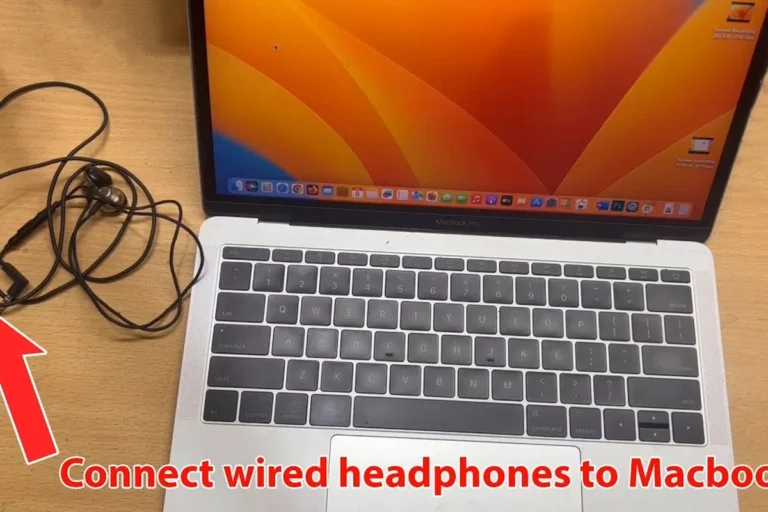
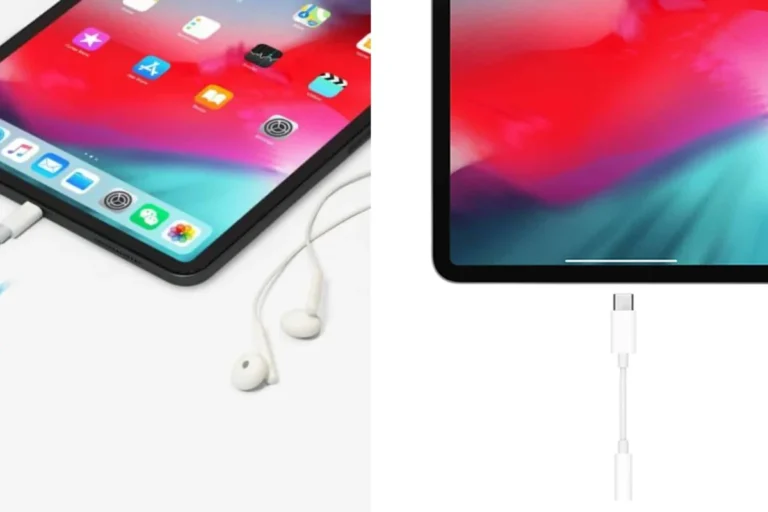
Still, if you are in an office or commute setting, headphones usually give you better control over privacy and consistency. This is where wired vs wireless headphones becomes a useful decision, since convenience and latency can matter depending on your device.
Examples of what users can realistically expect in 2026
In 2026, most listeners should expect binaural beats to remain a niche audio tool rather than a guaranteed mental-performance shortcut. Results may vary by track quality, listening environment, attention level, and personal sensitivity.
What you can realistically expect is a better chance of hearing the intended effect when you use proper stereo headphones. Without them, you may still enjoy the audio, but the binaural part may be much less reliable.
Common Mistakes That Make Binaural Beats Seem Ineffective
Many people try binaural beats once, hear nothing dramatic, and assume the concept does not work. In reality, the problem is often the setup, the volume, or the expectation.
Using mono speakers or playing audio too loudly
Mono playback collapses both channels into one, which defeats the point of binaural separation. Playing the track too loudly does not fix that problem, and it can make listening less comfortable.
Listening at high volumes for long periods can cause hearing damage. Keep volume at 60% or below for extended sessions.
Expecting instant results without consistency
Some users expect a dramatic change after a single session. That is not a realistic way to evaluate binaural beats, especially if you are also dealing with distractions, stress, or poor listening conditions.
Consistency matters more than intensity. A quiet routine with the right audio setup is usually more meaningful than one loud session with poor channel separation.
Confusing binaural beats with music tracks that only sound similar
Not every “brainwave” track is a true binaural beat track. Some songs use pulsing effects, ambient layers, or marketing language that sounds similar but does not actually rely on stereo frequency differences.
If you want the real thing, check whether the track is meant for left-ear/right-ear playback. A true binaural track should usually be described as stereo and headphone-dependent.
Expert Advice: What Audio Specialists and Neuroscience-Based Guidance Warn About
It is worth keeping expectations grounded. Binaural beats may be useful for some listeners, but they are not a guaranteed brainhack, and they are not a replacement for sleep hygiene, stress management, or medical care.
Why binaural beats are not a guaranteed brainhack
Audio tools can influence mood and attention, but the effect is often subtle. Some people respond well, some notice little difference, and some only enjoy the background sound.
If you are comparing audio options, it helps to think in terms of comfort, consistency, and listening environment rather than miracle results. That is the same practical mindset used in many best EQ settings for headphone guides: small changes often matter more than dramatic claims.
Safety notes for users with migraines, tinnitus, or sound sensitivity
If you have migraines, tinnitus, sound sensitivity, or a history of ear problems, be cautious with any repetitive audio. Even lower-volume tracks can feel irritating if the tones are sharp or the pulses are too pronounced.
If you have ongoing tinnitus, pain, dizziness, or migraine triggers related to sound, consult an audiologist or qualified clinician before using binaural beat tracks regularly.
What to avoid when testing binaural beat tracks without headphones
Avoid assuming that any speaker setup will preserve the effect. Also avoid using very loud volume, especially in small rooms where reflections can make the sound harsher instead of clearer.
If you want to test without headphones, choose a calm environment and compare the result with and without stereo speakers. That gives you a more honest sense of whether the track is helping or just acting as background audio.
Cost, Gear, and Practical Alternatives for 2026 Listeners
You do not need expensive gear to try binaural beats, but your playback setup still matters. The goal is not luxury audio; it is stable and comfortable stereo delivery.
Do you need expensive headphones for binaural beats?
No, expensive headphones are not required. Many budget-friendly wired or wireless models can handle binaural tracks well enough as long as they provide proper left-right separation and a comfortable fit.
For this use case, comfort often matters more than premium tuning. If the headphones hurt after 20 minutes, you are less likely to stick with the routine.
Budget-friendly headphone options vs. speaker-based alternatives
If you want the closest thing to a true binaural experience, even a basic pair of closed-back headphones may be enough. If you prefer not to wear headphones, monaural beats or isochronic tones are better alternatives than forcing binaural audio through a single speaker.
Which setup gives the best value for different listening goals
For sleep and meditation, comfortable over-ear or in-ear headphones can be the best value if you already plan to use them daily. For desk listening, wireless headphones may be more convenient, while wired models can be simpler and avoid battery concerns.
If you want a broader understanding of fit and comfort, it also helps to compare over ear vs on ear vs in ear styles before choosing a setup for long sessions.
Final Recap: So, Does Binaural Beats Work Without Headphones?
For true binaural beats, headphones are usually the correct answer. Without them, the sound often blends too much for the brain to receive the separate left and right signals the effect depends on.
Clear takeaway for readers deciding how to listen
If your goal is the actual binaural experience, use headphones. If your goal is simply relaxation, focus, or a calmer room, speaker playback may still be useful, but it is not the same thing.
Best recommendation based on intended result and listening environment
Choose headphones for binaural beats, especially when you want the most accurate result. Choose speakers only when you are okay with a looser, more ambient effect or when you are using monaural or isochronic alternatives instead.
Frequently Asked Questions
Wireless headphones can work if they keep left and right channels separated well enough. Wired headphones are simpler and avoid battery or connection issues, but both can be suitable.
Noise cancelling headphones can help by reducing outside distractions, which may make listening easier. They do not create the binaural effect by themselves, so stereo playback still matters most.
Closed-back headphones are often better for private listening because they block more outside sound. Open-back headphones can still work for binaural beats, but they leak sound and let in more room noise.
Comfort is the biggest factor for long sessions, so over-ear or lightweight in-ear models are often easiest to wear. Look for soft ear cushions, a secure fit, and low listening fatigue.
You do not need exotic drivers, but clear stereo playback helps. A balanced sound signature is usually enough, and EQ can be adjusted if the track sounds too sharp or too bass-heavy.
Check comfort, battery life if wireless, microphone quality if needed, and whether the fit suits your use case. For commuting, noise isolation matters more, while gaming may benefit from low-latency wired or gaming-focused wireless models.