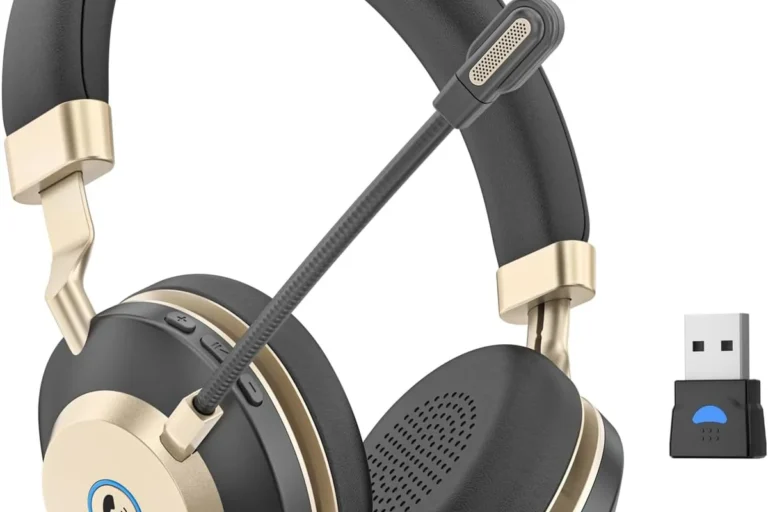
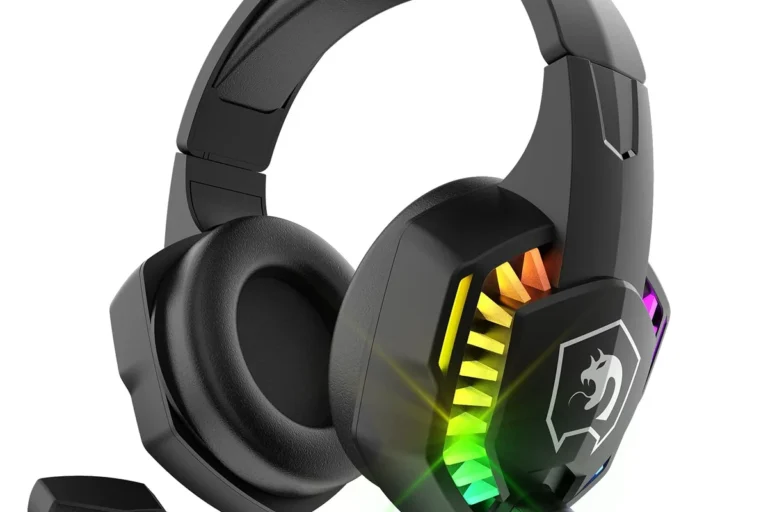
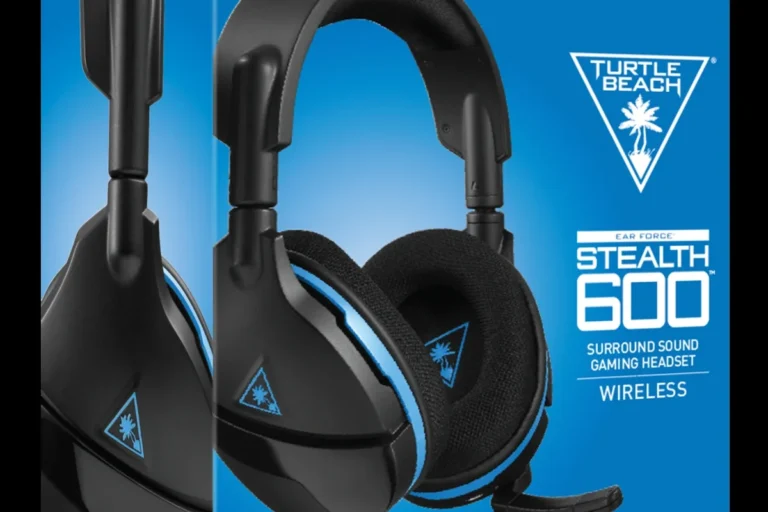
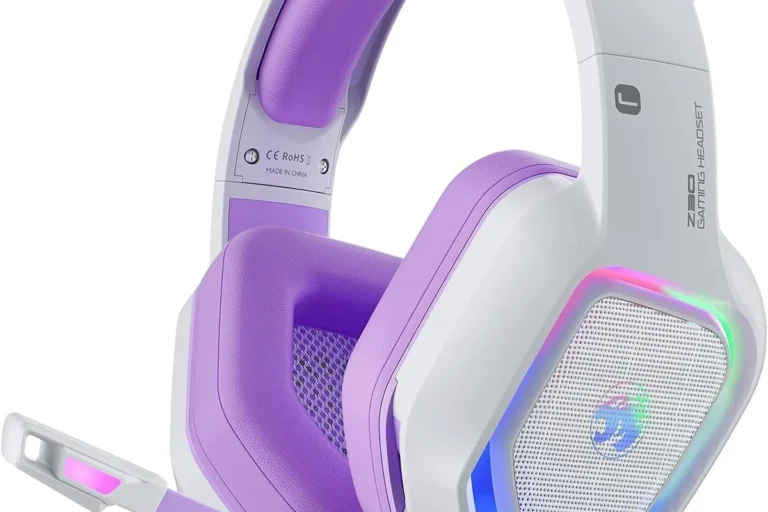
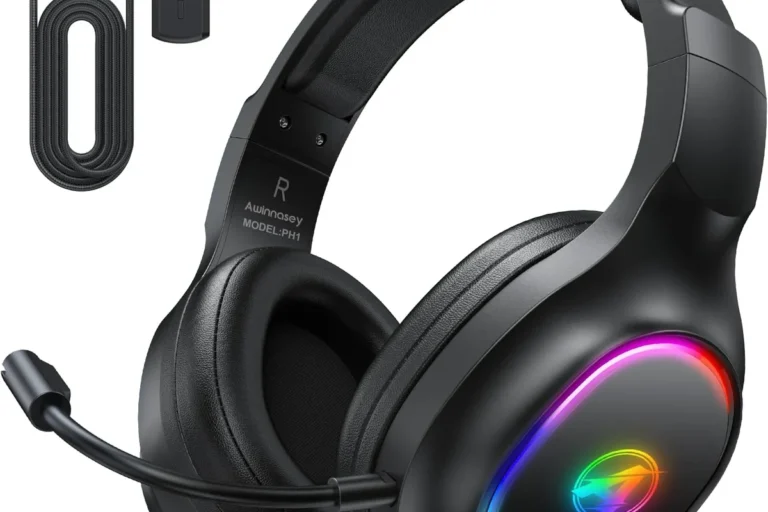
How To Choose Noise Cancelling Headphones: Buying Guide

The best noise-canceling headphones for you depend on where you will use them, how long you will wear them, and which features matter most. Start with fit and comfort. Then compare active noise cancellation, sound quality, battery life, microphone performance, device support, and price. Do not choose based on the “strongest” noise cancellation alone.
For most people in the United States, the right choice is a comfortable pair of over-ear headphones with effective active noise cancellation (ANC), a clear transparency mode, reliable Bluetooth support, and enough battery life for a workday or long trip.
Introduction
Noise-canceling headphones can make a plane ride, train trip, office, or home workspace much quieter. They can also help you hear music and podcasts at a lower volume. But ANC is not the same as hearing protection, and expensive headphones are not always the best match for every listener.
This guide explains how noise cancellation works, what specifications mean, how to compare headphones, and which trade-offs matter in real U.S. settings such as air travel, commuting, remote work, and shared homes.
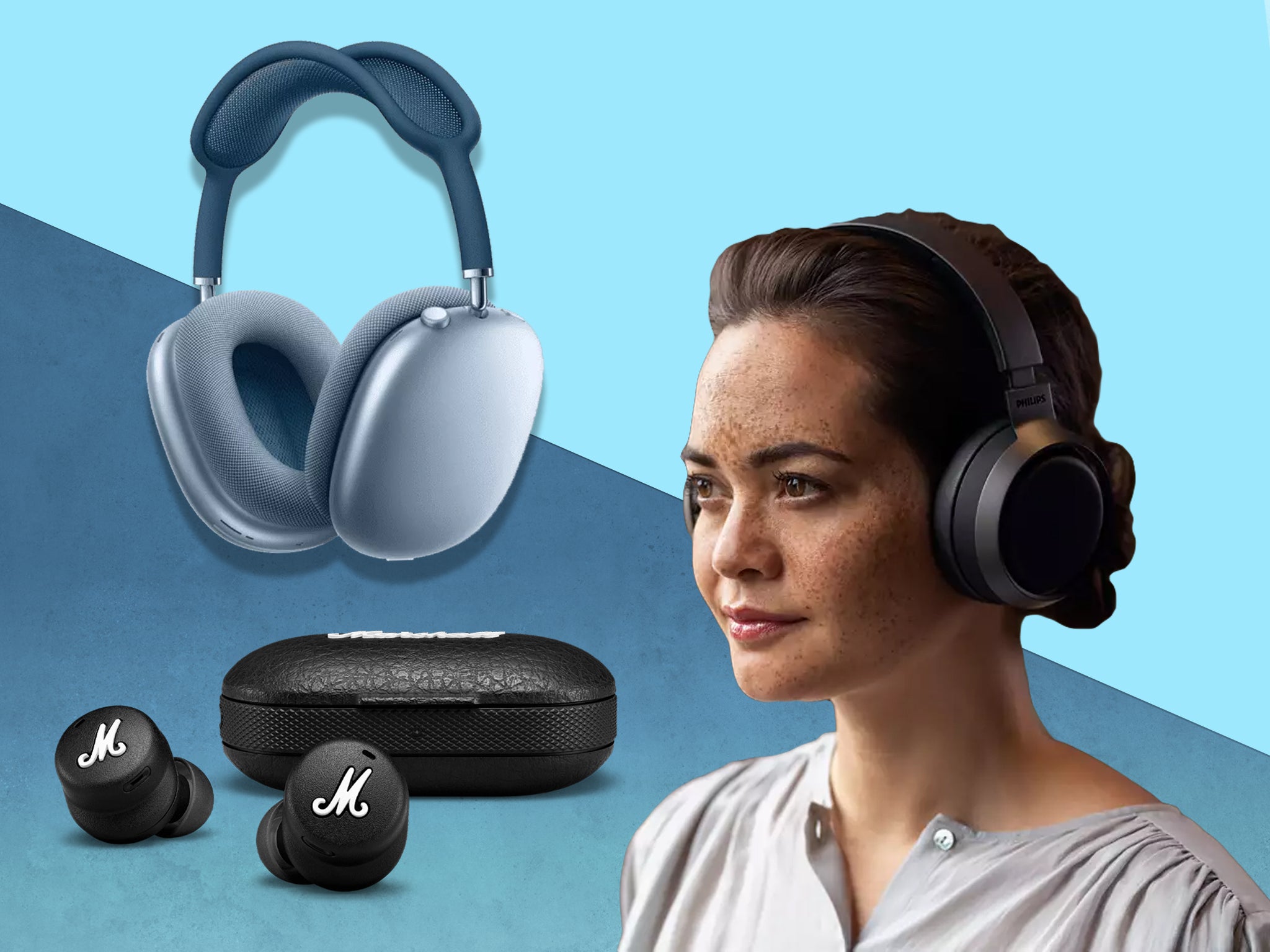
Quick Answer: What Should You Look for?
Choose noise-canceling headphones in this order:
- A secure, comfortable fit
- Effective ANC for your main type of noise
- A useful transparency or aware mode
- Good battery life
- Clear microphone quality
- Bluetooth and wired compatibility
- A fair return policy and warranty
- A price that matches how often you will use them
Over-ear headphones usually provide better passive isolation and longer comfort than small earbuds. Earbuds are easier to carry and may suit exercise or short trips. Neither type is best for everyone.
The most useful question is not, “Which headphones cancel the most noise?” Ask instead, “Which headphones reduce the sounds I face without causing comfort, safety, or connection problems?”
Understand the Main Types of Noise Reduction
There are three different ways headphones reduce unwanted sound: passive isolation, active noise cancellation, and sound masking.
Passive noise isolation
Passive isolation comes from the physical design of the headphones. Ear cups, ear tips, padding, and a good seal block some sound before it reaches your ears.
Over-ear headphones often block more outside sound than open-back designs. In-ear headphones can also isolate well when the ear tips fit correctly. A poor seal can reduce isolation even when the headphones have strong ANC.
Active noise cancellation
Active noise cancellation uses microphones and electronics to detect outside sound. The headphones create an opposite sound wave that reduces part of the original noise.
ANC works best with steady, low-frequency sounds. Examples include:
- Airplane engine hum
- Bus and train rumble
- Air-conditioning systems
- Office ventilation
- Road noise
- Some household appliances
ANC is less complete with sudden or changing sounds. It may reduce a nearby conversation, but it will not reliably erase every word. A child’s shout, a dog bark, a door slam, or a passing siren can still come through.
Sound masking
Some headphones or apps play low-level sound to make other sounds less noticeable. This is different from ANC. It can help with speech or irregular office noise, but the result depends on the sound used and your personal preference.
Key point: ANC and passive isolation work together. Strong performance usually requires both effective electronics and a good physical seal.

Choose Between Over-Ear Headphones and Earbuds
The form factor changes comfort, isolation, portability, and battery life.
| Type | Best for | Main strengths | Main limits |
|---|---|---|---|
| Over-ear | Flights, offices, long listening | Strong isolation, large battery, no pressure inside the ear canal | Larger, warmer, heavier |
| On-ear | Short use and portability | Smaller than over-ear models | Can press on the ears and block less sound |
| In-ear earbuds | Exercise, commuting, small bags | Light, portable, often secure with the right tips | Fit varies, smaller controls, easier to lose |
| Open-back headphones | Quiet rooms and natural sound | Wide, open sound | Little isolation; sound leaks out |
Select over-ear headphones when comfort and isolation matter most
Over-ear models surround the ears instead of resting inside them. This can reduce pressure inside the ear canal and provide more space for padding and batteries.
They are often a strong choice for:
- Long flights in the United States
- Open-plan offices
- Remote work
- Study sessions
- Long music or podcast listening
Check the weight, clamp force, ear cup size, and headband padding. A model can feel fine for five minutes but become uncomfortable after two hours.
Select earbuds when size and mobility matter most
Noise-canceling earbuds fit in a pocket and work well for walking, short commutes, and travel. Their performance depends heavily on the ear tips. A slightly different tip size can change both bass response and noise isolation.
Earbuds may be less suitable if:
- They loosen while you walk
- The ear tips cause irritation
- You need long battery life without a charging case
- You wear them for many hours each day
- You need the strongest passive isolation
Try all included ear tip sizes. If a pair feels loose, sounds thin, or lets in a lot of noise, the fit may be the problem rather than the ANC system.

Match ANC Performance to the Noise You Hear
Noise-canceling headphones should be chosen for the sound environment, not only for a laboratory number.
For airplanes and public transit
Look for strong low-frequency ANC, a stable fit, and long battery life. Airplane cabins create a constant low rumble, which is the type of sound ANC handles well.
Useful features include:
- At least a full travel day of battery life
- A wired mode for in-flight entertainment systems
- A compact case
- Quick charging
- A transparency mode for announcements
- Physical controls that work without opening an app
Do not assume Bluetooth will work with every seat-back entertainment system. Many systems still use a standard headphone jack. A compatible airline adapter may be useful, but check the aircraft and seat system before travel.
For offices and remote work
Comfort and microphone quality may matter more than maximum ANC. Voices are harder to remove than steady machine noise. A transparency mode can help you hear a coworker without removing the headphones.
Look for:
- Clear voice pickup
- Wind and keyboard noise control
- Multipoint Bluetooth
- A mute button or reliable mute control
- Comfortable ear cups
- Stable connection to a computer and phone
Multipoint lets compatible headphones connect to two devices at once. For example, you might listen to music from a laptop and answer a call from a phone. Support varies by model, operating system, and app.
For study and concentration
A comfortable fit and low sound leakage may be more useful than a large ANC claim. If voices remain audible, a low-volume neutral sound or soft background audio may help. Keep the listening level low enough that you can use the headphones for the planned period without discomfort.
For road travel and outdoor use
Do not use strong isolation in a way that prevents you from hearing traffic, cyclists, alarms, or other hazards. A transparency mode can improve awareness, but it is not a replacement for looking around and paying attention.
Avoid wearing noise-canceling headphones while driving. Local laws and safety rules may restrict headphone use, and hearing external warnings is essential.

Evaluate Comfort Before Sound Quality
A headphone that sounds excellent but hurts after 30 minutes is a poor choice for long use.
Check these points:
- Weight: Lighter is not always better, but excess weight can cause neck strain.
- Clamp force: Too much pressure may cause headaches or sore ears.
- Ear cup depth: Your ears should not press against the inside.
- Padding: Soft material helps, but very soft pads may create heat.
- Headband: It should spread pressure across the top of your head.
- Glasses: Eyeglass frames can weaken the seal around over-ear pads.
- Heat: Closed ear cups may feel warm in summer.
- Hair and hairstyles: Thick hair can affect the seal.
- Skin sensitivity: Some pad materials may cause irritation.
For earbuds, check the tip seal and stability. The best fit should feel secure without a sharp sense of pressure. If the earbuds cause pain, do not force yourself to adapt to them.
Buy from a seller with a clear return window. Comfort is difficult to judge from specifications alone. Test the headphones at home for at least an hour, if the return policy allows it.

Compare Battery Life in Real Use
Battery claims are usually measured under stated conditions. ANC level, volume, Bluetooth features, calls, temperature, and codec use can change actual battery life.
Compare these separate figures:
- Battery life with ANC on
- Battery life with ANC off
- Battery life for the earbuds alone
- Total battery life with the charging case
- Quick-charge time
- Time required for a full charge
- Whether the headphones work while charging
For example, a pair rated for 30 hours may provide less time during frequent calls and high-volume listening. Earbuds with an eight-hour rating may need their case during a full workday.
A practical rule is to choose more battery than your normal schedule requires. If you need eight hours, a model rated for eight hours leaves little room for aging batteries, calls, or missed charging.
Rechargeable batteries lose capacity over time. Check whether the manufacturer offers battery service or a replacement program. Some products become difficult to repair when the internal battery wears out.
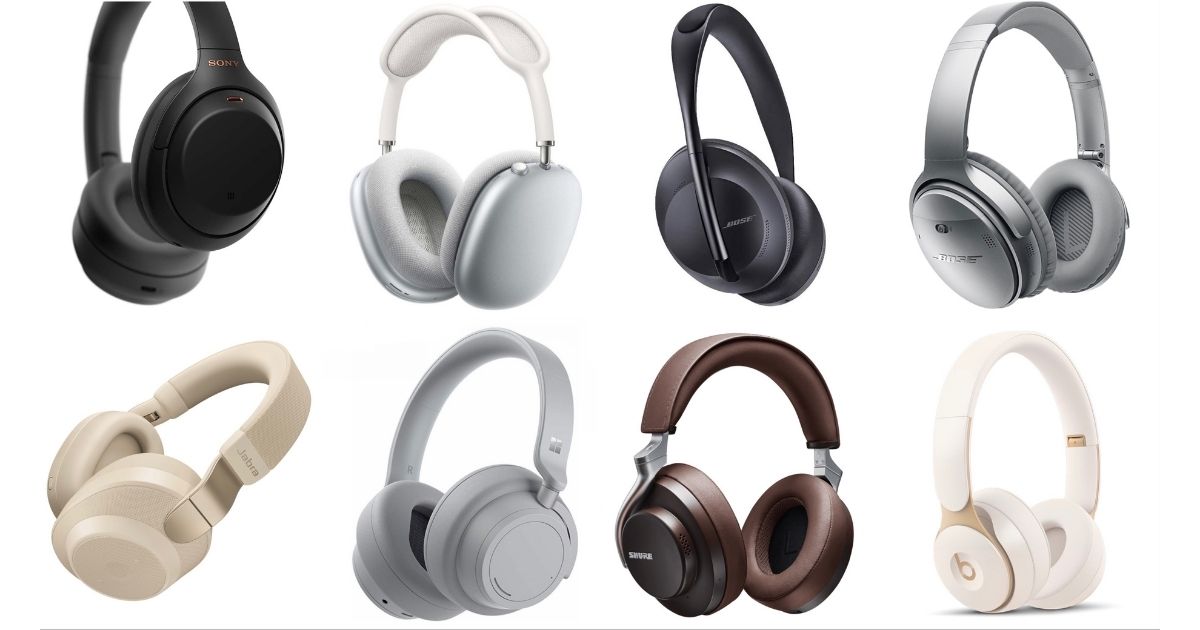
Check Sound Quality Without Relying on One Specification
Headphone sound depends on tuning, fit, software, source quality, and personal taste. A larger driver or a wider frequency range does not guarantee better sound.
Listen for:
- Clear speech in podcasts and calls
- Vocals that do not sound buried
- Bass that feels strong but not loose
- Treble that does not become sharp
- Good balance at low volume
- A stable sound when ANC is switched on and off
ANC can change the sound slightly. Some headphones let you adjust bass, treble, or an equalizer in an app. Custom sound tools can help, but they do not fix a poor physical fit.
The codec also matters less than many buyers think. Common Bluetooth codecs can produce good results, and compatibility depends on both the headphones and the source device. A premium codec is not useful if your phone, computer, or operating system does not support it.
If you plan to use a cable, check whether the headphones support audio when powered off. Some models require battery power even in wired mode. Others accept USB audio, while some use a standard analog cable only.

Treat Transparency Mode as a Core Feature
Transparency mode uses microphones to bring outside sound into the headphones. It can help you hear announcements, coworkers, family members, and traffic cues.
A good transparency mode should sound fairly natural. Poor designs may add hiss, make voices sound distant, or create an uncomfortable echo.
Check whether the mode offers:
- A physical button
- A touch control
- Adjustable strength
- Conversation detection
- Automatic switching
- Independent control of ANC and transparency
Automatic features can be convenient, but they may change modes at the wrong time. Manual controls are useful when you want predictable behavior.
Transparency mode does not make headphones safe for every setting. It may improve awareness, but it cannot guarantee that you will hear every hazard.

Review Call Quality and Microphone Performance
Microphone quality matters if you work from home, attend online meetings, or make calls in public places.
Look for evidence from independent tests under different conditions. A microphone may sound clear in a quiet room but struggle with wind, traffic, or a busy café.
Consider:
- Voice clarity indoors
- Wind reduction outdoors
- Background noise handling
- How your voice sounds when you turn your head
- Mute controls
- Compatibility with Zoom, Microsoft Teams, Google Meet, and phone calls
- Whether the microphone works in wired mode
Manufacturers may list microphone technology, but a specification does not prove real call performance. If calls are a major reason for buying, read or watch tests that use actual voice recordings. Give more weight to tests with stated conditions than to vague claims such as “studio-quality calls.”

Confirm Device Compatibility and Controls
Before buying, check the devices you will use in the United States. Confirm support for:
- iPhone and iPad
- Android phones and tablets
- Windows computers
- Mac computers
- Smart TVs
- Gaming systems
- Airline entertainment systems
Bluetooth pairing is not identical across every device. Features such as multipoint, spatial audio, custom equalizer settings, and automatic switching may require a companion app or a supported operating system.
Also check the controls. Physical buttons are easier to use with gloves and during exercise. Touch controls can be quick but may trigger by accident when adjusting the ear cups.
Verify whether the product supports:
- Bluetooth version and profiles
- USB-C charging
- Wired audio
- Fast pairing
- Find-my-device features
- Firmware updates
- App access without creating an account
A firmware update can add features or fix faults, but it can also change behavior. Read the manufacturer’s update notes when available.

Use a Simple Decision Table
The table below gives a starting point. Your budget, fit, hearing needs, and device setup may change the result.
| Your main need | Prioritize | Watch out for |
|---|---|---|
| Frequent flights | Low-frequency ANC, battery, wired mode, comfort | Weak transparency mode or poor cable support |
| Open office | Comfort, voice handling, transparency, microphone | Expecting ANC to erase all speech |
| Remote work | Microphone, multipoint, comfort, mute control | App or computer compatibility limits |
| Small travel bag | Compact earbuds, charging case, stable fit | Shorter standalone battery life |
| Exercise | Secure fit, sweat resistance, simple controls | Using isolation near traffic |
| Music at home | Sound tuning, comfort, low-volume detail | Paying for travel features you will not use |
| Shared home | Transparency, comfort, microphone quality | Heat from long over-ear use |
| Strong awareness outdoors | Adjustable transparency, secure fit | Assuming transparency replaces attention |

Set a Budget Based on Use, Not Marketing
More expensive headphones may offer better materials, stronger ANC, better microphones, or longer support. But price alone does not show how well a product will fit your needs.
Create a short list of must-have features. For example:
- Over-ear design
- ANC
- At least 20 hours of battery with ANC
- Multipoint
- Wired mode
- A return policy
- A comfortable fit with glasses
Then remove products that miss a required feature. Compare the remaining models by comfort, sound, controls, software, and price.
Also include long-term costs:
- Replacement ear pads
- Charging accessories
- Battery service
- Extended warranty
- Paid app features, if any
- Shipping and return fees
A lower-cost pair may be the better value if you use it occasionally. A more durable and comfortable pair may make sense for daily work or weekly travel.
Understand What Noise-Canceling Headphones Cannot Do
ANC has clear limits.
It may not remove:
- All speech
- Sudden loud sounds
- High-pitched alarms
- Wind gusts
- Nearby musical instruments
- Sounds that enter through a poor seal
Noise-canceling headphones are also not automatically hearing protection. The CDC and NIOSH explain that hearing risk depends on sound level and exposure time. Consumer headphones do not normally carry the same protective rating as certified hearing protectors.
For loud workplaces, shooting ranges, construction areas, concerts, or power-tool use, use hearing protection designed and rated for that environment. In some settings, that may mean properly fitted earplugs, earmuffs, or both. Ask a qualified safety professional or hearing specialist when the exposure is unclear.
Keep the volume low enough that you do not need to shout to someone nearby. If you notice ringing, muffled hearing, pain, or dizziness, stop listening and seek medical advice if symptoms continue.
Avoid These Common Buying Mistakes
Choosing by ANC strength alone
The strongest ANC may come with more weight, more heat, or a fit you dislike. Comfort and transparency can matter more for daily use.
Ignoring the seal
A poor ear tip or loose ear cup can ruin isolation and bass response. Test the fit before judging the electronics.
Trusting battery claims without conditions
Check whether the rating includes ANC, calls, high volume, and the charging case.
Assuming all headphones work well for calls
Music performance and microphone performance are separate. Look for tests in quiet and noisy settings.
Buying without checking returns
Fit is personal. A generous return policy reduces the risk.
Using ANC as ear protection
ANC headphones are made for listening, not for every hazardous noise environment.
Forgetting wired use
Bluetooth may not work with every plane screen, game system, or older computer. Check for a cable option before travel.
Overlooking software dependence
Some features may require an app, an account, or a specific phone. Decide whether that is acceptable before purchase.

A Five-Minute Buying Checklist
Before you order, answer these questions:
- Will I use the headphones mostly at home, at work, outdoors, or on planes?
- Do I prefer over-ear headphones or earbuds?
- Can I wear them comfortably for my longest normal session?
- Does the ANC match the noise I want to reduce?
- Is transparency mode easy to activate?
- Does battery life cover my routine with ANC on?
- Will the headphones connect to every device I use?
- Do I need multipoint or a wired mode?
- Is the microphone good enough for my calls?
- Can I return the product if the fit fails?
- Does the product include a warranty and available replacement parts?
- Am I buying listening equipment rather than certified hearing protection?
If you cannot answer one of these questions, read the product manual or support page before buying.
Key Takeaways
- Choose headphones for your main environment, not for a marketing number.
- Fit and comfort affect ANC performance as much as the electronics.
- Over-ear headphones often suit long travel and office use.
- Earbuds are easier to carry but depend heavily on ear tip fit.
- ANC reduces steady low sounds best; it does not erase every voice or sudden noise.
- Transparency mode is useful for announcements and awareness.
- Battery ratings vary by ANC use, volume, calls, and temperature.
- Check microphone quality separately from music quality.
- Confirm Bluetooth, wired, app, and operating system compatibility.
- Consumer noise-canceling headphones are not a substitute for certified hearing protection.
Frequently Asked Questions
Are noise-canceling headphones worth it?
They can be worth it if you often face steady background noise, such as airplane rumble, public transit, office ventilation, or household machines. They may provide less benefit if your main problem is sudden speech or sharp sounds.
Is active noise cancellation bad for your ears?
ANC itself does not create the same risk as loud sound. Some people notice a pressure-like sensation, mild discomfort, or headache. Lower the volume, change the fit, or stop using the headphones if they cause pain or other symptoms.
Can noise-canceling headphones block voices?
They can reduce voices, especially when combined with a good seal, but they usually cannot remove speech completely. Voices change quickly across many frequencies, which makes them harder for ANC to cancel than steady engine noise.
Should I buy earbuds or over-ear noise-canceling headphones?
Buy earbuds if portability and a small design matter most. Choose over-ear headphones if you want long-session comfort, stronger passive isolation, and a larger battery. Fit and personal comfort should decide between them.
Do noise-canceling headphones protect hearing?
Not by default. Most consumer ANC headphones are not certified hearing protectors. Use hearing protection made for the noise level and workplace when exposure may be hazardous.
Conclusion
To choose noise-canceling headphones, begin with your daily noise and wearing time. Select the form factor that you can wear comfortably, then compare ANC performance, transparency, battery life, microphone quality, compatibility, and return terms.
For most U.S. buyers, a comfortable over-ear model is a strong choice for flights, offices, and long listening. Compact earbuds make more sense for travel lightness, exercise, and short commutes. In either case, a good fit and safe listening habits matter more than a long feature list.
Your next step is simple: write down your main use, your longest listening session, and three required features. Use that list to compare only products that meet those needs.