How To Buy Noise Cancelling Headphones: Smart Buying Guide

The best way to buy noise-canceling headphones is to match the headphones to your main use, then compare comfort, noise control, sound, battery life, connection options, and return terms. A model that works well for a U.S. air traveler may not be the right fit for a student, remote worker, or music fan.
Start with your most common setting. Choose strong active noise cancellation (ANC) for planes, trains, and busy offices. Choose comfort and a clear microphone for long work calls. Choose low weight and secure fit for walking or exercise. Do not judge a pair by its noise-canceling claim alone.
What Is Noise Cancellation?
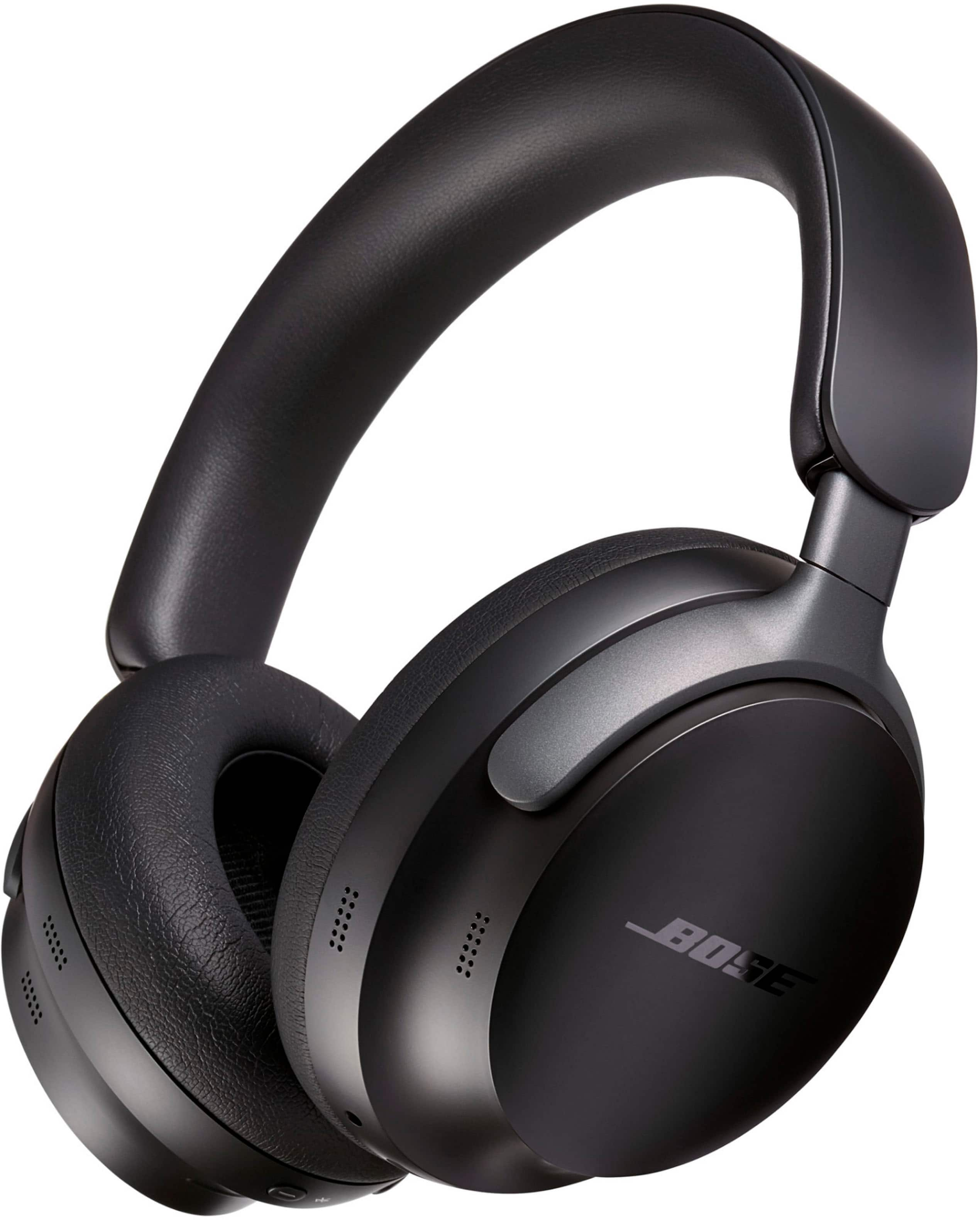
Noise cancellation uses small microphones and digital processing to reduce outside sound. The headphones create an opposing sound wave that lowers steady noise, such as an airplane engine or air conditioner.
Most noise-canceling headphones also use passive isolation. Their ear cups or ear tips block sound by forming a physical seal around or inside your ears. The best results come from both systems working together.
Active noise cancellation vs. passive isolation
| Feature | How it works | Best at reducing |
|---|---|---|
| Active noise cancellation | Microphones and electronic processing | Low, steady sounds |
| Passive isolation | Ear cups or ear tips block sound | Higher sounds and sudden noise |
| Transparency mode | Uses microphones to play outside sound back to you | Conversations and awareness |
| Adaptive ANC | Changes noise control as conditions change | Mixed environments |
ANC works best against steady sounds. It may reduce engine hum very well, but it cannot remove every voice, door slam, horn, or high-pitched sound.
Noise-canceling headphones are not the same as certified hearing protection. Do not use ordinary headphones as a substitute for hearing protection at a shooting range, construction site, factory, or other high-noise workplace.
Decide Which Type of Headphones You Need
The right headphone style depends on how you will wear and carry it.
Over-ear headphones
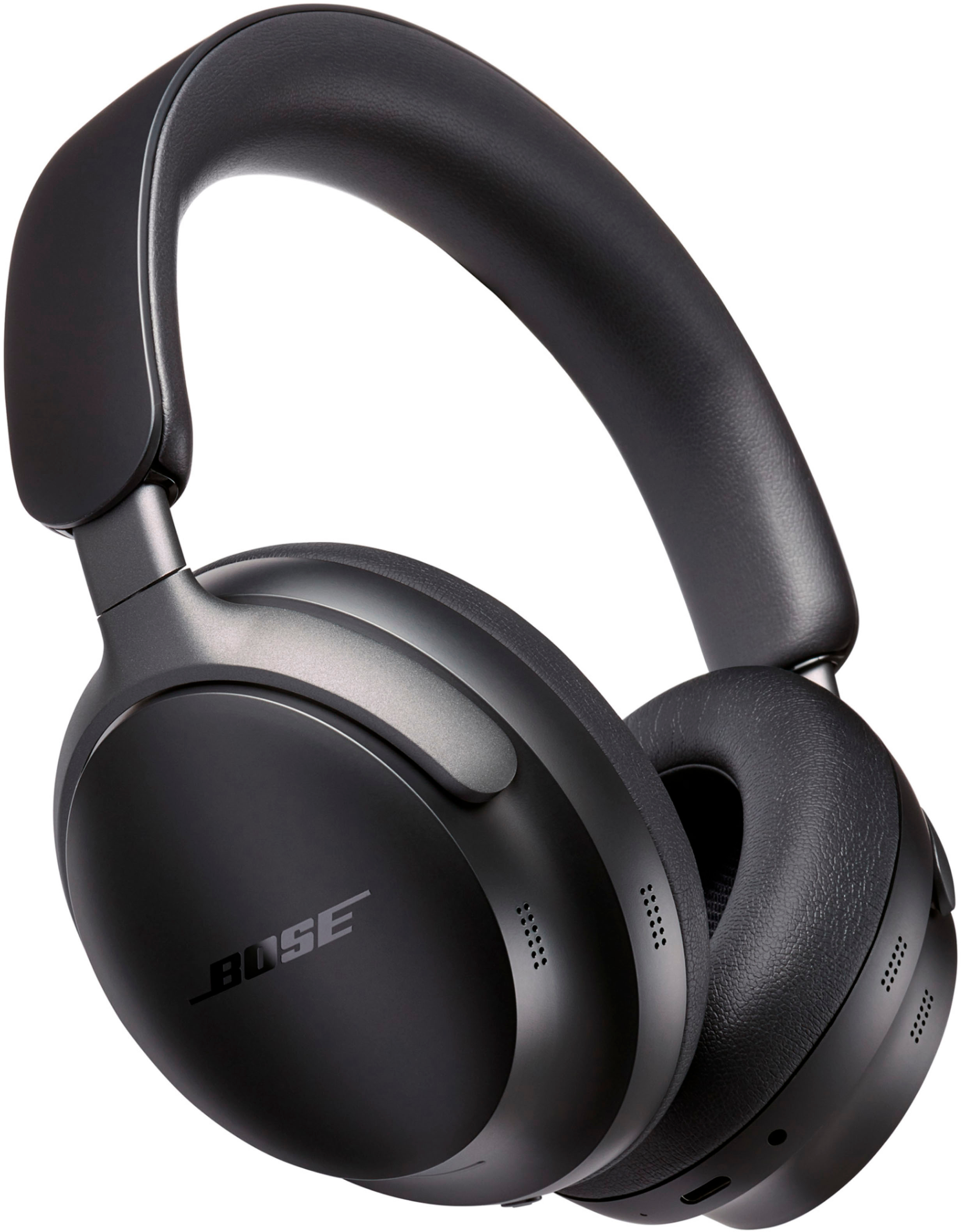
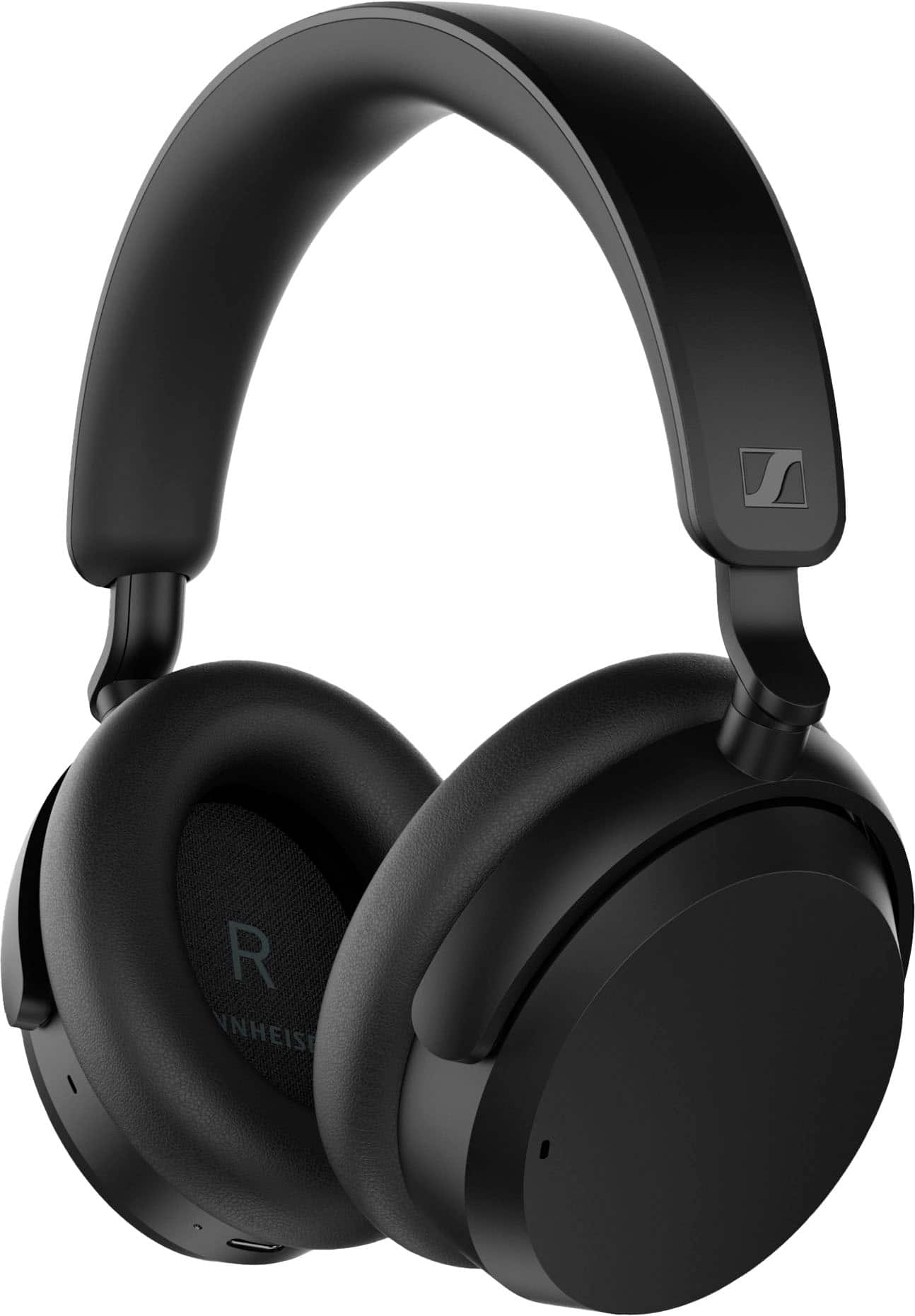
Over-ear headphones surround your ears with larger ear cups. They often provide the strongest passive seal, long-wear comfort, and room for larger batteries.
Choose over-ear headphones if you:
- Fly often.
- Work near steady background noise.
- Wear headphones for several hours.
- Want a wide, relaxed sound.
- Do not mind a larger case.
Their main drawbacks are size, heat, and weight. Glasses can also affect the seal around your ears.
On-ear headphones
On-ear models rest on the ears instead of covering them. They are often smaller and lighter than over-ear models.
They may suit you if portability matters more than maximum isolation. However, their smaller seal may let in more sound, and some users find the ear pressure tiring over long sessions.
True wireless earbuds
True wireless earbuds fit inside the ear and use small charging cases. They are easy to carry and work well for commutes, calls, and exercise.
Their performance depends heavily on fit. If the ear tips do not seal well, ANC and bass response will both suffer. Earbuds may also be less comfortable for people who dislike in-ear designs.
Wired headphones
Some wireless headphones also support a wired connection. This can help when a device has no Bluetooth access, when you want to save battery, or when you use in-flight entertainment.
Check what the wired mode supports. Some models provide ANC only when powered on. Others may lose microphone, control, or high-quality audio features through the cable.
Match Noise Cancellation to Your Main Use
Do not buy the strongest ANC available unless your environment needs it. Noise control can affect battery life, comfort, awareness, and price.
For airplane travel
Look for:
- Strong low-frequency ANC.
- Comfortable ear cups for long flights.
- A folding design or compact case.
- Long battery life.
- A wired mode for seat-back entertainment systems.
- A transparency mode for airport announcements.
- Simple physical controls.
ANC can make a flight feel less tiring by reducing engine noise. Still, keep the headphones easy to remove so you can hear crew instructions.
For office work and remote calls
Prioritize:
- A clear microphone in a quiet and noisy room.
- Reliable Bluetooth connection.
- Multipoint Bluetooth.
- Comfortable clamping force.
- A mute control or easy mute shortcut.
- Sidetone, if you like hearing your own voice.
- Strong performance against air-conditioning and office hum.
Multipoint lets the headphones stay connected to two devices, such as a laptop and phone. It can save time, but behavior varies by model. Confirm that the headphones support the devices and operating systems you use.
For studying
Choose a comfortable model with steady ANC and simple controls. You may not need the most advanced microphone or music features.
A transparency mode is useful in a library, shared home, or campus setting. It lets you hear a person without removing the headphones.
For commuting
Consider earbuds or a lighter on-ear model if you walk often. A transparency mode can help you stay aware of traffic and announcements.
Do not rely on transparency mode as your only safety measure. Keep the volume low enough to hear important sounds, and remove the headphones when crossing streets or dealing with traffic.
For exercise
Check the fit, sweat resistance, and control layout. Many large over-ear headphones become hot during exercise. Some earbuds have a more secure fit, but water and sweat ratings differ.
A water-resistance rating does not always mean the product is safe for swimming. Read the maker’s exact rating and warranty limits.

Compare the Features That Matter
A long feature list does not guarantee better performance. Focus on the features that change your daily use.
1. Comfort and fit
Comfort is often more important than a small change in sound quality. Check:
- Ear cup size and depth.
- Headband padding.
- Clamp force.
- Total weight.
- Ear tip sizes for earbuds.
- Heat buildup.
- Fit with glasses, hats, or earrings.
A good fit should feel secure without causing pain or pressure. The ear cups should surround your ears without pressing hard on them.
For earbuds, test all supplied ear tips. A poor seal can make ANC seem weak and bass sound thin.
2. Battery life
Compare battery life with ANC turned on. Manufacturers may list separate figures for ANC off, ANC on, and talk time.
Also check:
- Charging time.
- Quick-charge results.
- USB-C charging.
- Whether the headphones work while charging.
- Battery behavior in wired mode.
- Replaceable battery or repair options.
Battery claims are usually measured under set conditions. High volume, calls, cold weather, and advanced features may reduce actual use time.
3. Sound quality
Sound quality is personal, but some checks are useful:
- Speech should sound clear.
- Bass should not cover vocals.
- Treble should not feel sharp.
- Music should remain balanced at low volume.
- The sound should not change greatly when ANC turns on.
An equalizer in the companion app can help adjust the sound. However, an app may require an account, collect usage data, or stop receiving updates. Check the privacy policy and app support before buying if those issues matter to you.
4. Microphone performance
A good music headphone may still have a weak call microphone. Look for evidence from calls in wind, traffic, and office noise.
If calls are a main reason for your purchase, read independent tests that describe the test setting. A manufacturer’s phrase such as “clear calls” is not the same as a measured comparison.
5. Bluetooth and device support
Check:
- Bluetooth version and profiles.
- Support for your phone and computer.
- Multipoint behavior.
- Bluetooth codec support.
- Fast pairing features.
- Gaming latency.
- Wired audio support.
Codec support matters only when both the source device and headphones support the same codec. It does not automatically prove better sound.
For gaming, ordinary Bluetooth can add delay. A model with a dedicated wireless USB transmitter may work better with a computer or console, but verify console support before purchase.
6. Controls and software
Physical buttons can be easier to use than touch controls in cold weather or while moving. Touch controls may feel cleaner but can react to hair, hats, or rain.
Review the app’s key functions:
- ANC strength.
- Transparency mode.
- Equalizer.
- Firmware updates.
- Button remapping.
- Device switching.
- Find-my-device tools.
Firmware updates can improve or change behavior. Buy from a seller that supports returns in case an update or app issue affects your use.

Use This Noise-Canceling Headphone Comparison Checklist
Before you buy, write down your answers to these questions:
- Where will I use the headphones most?
- Will I wear them for less than one hour or several hours?
- Do I prefer over-ear headphones or earbuds?
- Do I need a clear microphone?
- Do I need to connect to a phone and computer at the same time?
- Do I need a cable connection?
- How much battery life do I need between charges?
- Do I need to hear announcements or nearby people?
- Will I use them in heat, sweat, or light rain?
- Can I return them after testing the fit?
Then compare only the models that meet your essential needs.
A simple scoring method
You can create a weighted score instead of choosing by brand name. Use a 1-to-5 rating for each area:
| Category | Suggested weight | What to ask |
|---|---|---|
| Comfort | 30% | Can I wear them for my normal session? |
| Noise control | 25% | Do they reduce the sounds I face most? |
| Sound | 15% | Do I enjoy music, podcasts, and speech? |
| Calls | 10% | Can people hear me clearly? |
| Battery and charging | 10% | Does the battery fit my routine? |
| Features and value | 10% | Do I need the app, multipoint, or wired mode? |
Hypothetical example: If comfort scores 5 out of 5, multiply 5 by 0.30. Repeat for each category and add the results. This does not create a laboratory rating. It simply gives your personal priorities more weight.
Do not give a high score to a feature you will never use. A headphone with advanced gaming tools may be poor value if you only listen to podcasts at work.

Check Price, Warranty, and Return Terms
The lowest purchase price is not always the lowest total cost. Include the cost of ear tips, a replacement case, an audio cable, or a protection plan only if you truly need them.
Before ordering, confirm:
- The seller is authorized or reputable.
- The model number is correct.
- The warranty applies in the United States.
- The return window covers fit testing.
- Opened earbuds can be returned.
- Restocking fees apply.
- Refurbished units have a separate warranty.
- Replacement ear pads or tips are available.
Keep the box and accessories until you know the fit works. Test the headphones in the places where you plan to use them, such as a home office, train platform, or airplane cabin.
A return policy matters because comfort and seal cannot be judged from a product page. Do not buy based only on a high review score. Check whether the review tested the exact model and whether it covered comfort, calls, ANC, and battery life.

Avoid These Common Buying Mistakes
Choosing by the highest ANC claim
There is no simple universal ANC score that tells you which headphones are best in every setting. One model may reduce airplane rumble well but perform less impressively against voices.
Match the test to your real noise.
Ignoring fit
Loose ear cups and poor ear tips reduce both passive isolation and ANC performance. A costly pair may sound worse than a cheaper pair that seals correctly.
Treating battery life as a fixed number
Battery life changes with ANC, volume, calls, Bluetooth features, and temperature. Use the manufacturer’s number as a guide, not a promise for every day.
Assuming all transparency modes sound natural
Some transparency modes make voices sound clear. Others add hiss or make outside sound feel distant. Test this feature if you need regular awareness.
Forgetting device limits
A feature may work on one phone but not another. Multipoint, spatial audio, low-latency modes, and app controls can depend on the operating system or connection method.
Using headphones as hearing protection
Consumer ANC headphones can reduce perceived noise, but they are not automatically rated as protective equipment. Use certified hearing protection when the environment calls for it.
Listening too loudly
Noise cancellation can make lower listening levels feel clear, which is helpful. Still, loud sound over time can harm hearing. The National Institute on Deafness and Other Communication Disorders advises paying attention to both volume and exposure time. Take breaks and lower the volume when you can.
What to Do After You Buy
Set up the headphones in this order:
- Charge the headphones fully.
- Install the official app only if you need its features.
- Update the firmware.
- Try every ear tip or adjust the headband.
- Pair the headphones with your main devices.
- Test ANC in your normal environment.
- Test transparency mode.
- Make a short call.
- Try wired mode if the model supports it.
- Save the receipt and note the return deadline.
Signs the headphones are a good fit
- You can wear them without pain.
- Outside noise drops without a strong pressure feeling.
- Voices and music remain clear at a moderate volume.
- Calls work on your main devices.
- Controls are easy to use.
- Battery life fits your schedule.
- The headphones stay secure when you move.
If the headphones do not work well
Try the following checks:
- Reseat the ear cups or earbuds.
- Test different ear tips.
- Remove a thick hat or glasses to improve the seal.
- Charge the headphones.
- Re-pair the Bluetooth connection.
- Test another device.
- Turn ANC off and on.
- Update the app and firmware.
- Check whether the problem occurs in wired mode.
- Return or exchange the headphones if the issue is physical or persistent.
If one earbud becomes much quieter, clean it according to the manufacturer’s instructions. Do not push liquid or sharp tools into the speaker opening.

Frequently Asked Questions
Are noise-canceling headphones worth buying?
They can be worth buying if you often deal with steady background noise or want to listen at a lower volume. They may offer less benefit in quiet rooms or against sudden sounds. Comfort, fit, and return terms should guide the decision as much as ANC strength.
Is active noise cancellation bad for your ears?
ANC itself does not create the same type of risk as loud sound. Some people notice a pressure-like feeling, which may improve when they change the fit or turn ANC off. Keep volume moderate, take breaks, and stop using the headphones if they cause pain, dizziness, or other persistent symptoms.
Do noise-canceling headphones block voices?
They may reduce voices, but voices are harder to cancel than steady low sounds. A tight seal can help. If you need fewer voices, compare models in the actual environment instead of relying on the ANC label.
Are earbuds or over-ear headphones better for noise cancellation?
Over-ear headphones often provide a stronger physical seal and longer wear comfort. Earbuds are smaller and easier to carry. The better choice depends on your ear shape, comfort needs, travel habits, and how well the product fits.
Can I use noise-canceling headphones on an airplane?
Yes. Wireless headphones can reduce engine noise, and many models also support a wired connection for in-flight entertainment. Keep them easy to remove so you can hear crew instructions and announcements.
Final Recommendation
To buy noise-canceling headphones with fewer regrets, start with your main environment and wearing time. Choose the style that fits your body and routine, then compare ANC performance, comfort, microphone quality, battery life, device support, and return terms.
The best model is not the one with the longest feature list. It is the one that fits well, reduces the noise you actually face, works with your devices, and remains comfortable enough to use every day.