How Much Do Studio Headphones Cost: Price Guide

Studio headphones usually cost $50 to $500 in the United States. Most home producers, musicians, and podcasters can find a strong option between $100 and $250. Professional models can cost $300 to $1,500 or more, but a higher price does not always mean better sound for every user.
The right budget depends on your work. Tracking vocals may require closed-back headphones with good isolation. Mixing may favor open-back headphones with a wide, natural sound. You may also need an audio interface, headphone amplifier, replacement pads, or a carrying case.
This guide explains studio headphone prices in the U.S., what changes the cost, and how to choose a useful pair without overspending.
Studio Headphone Prices at a Glance
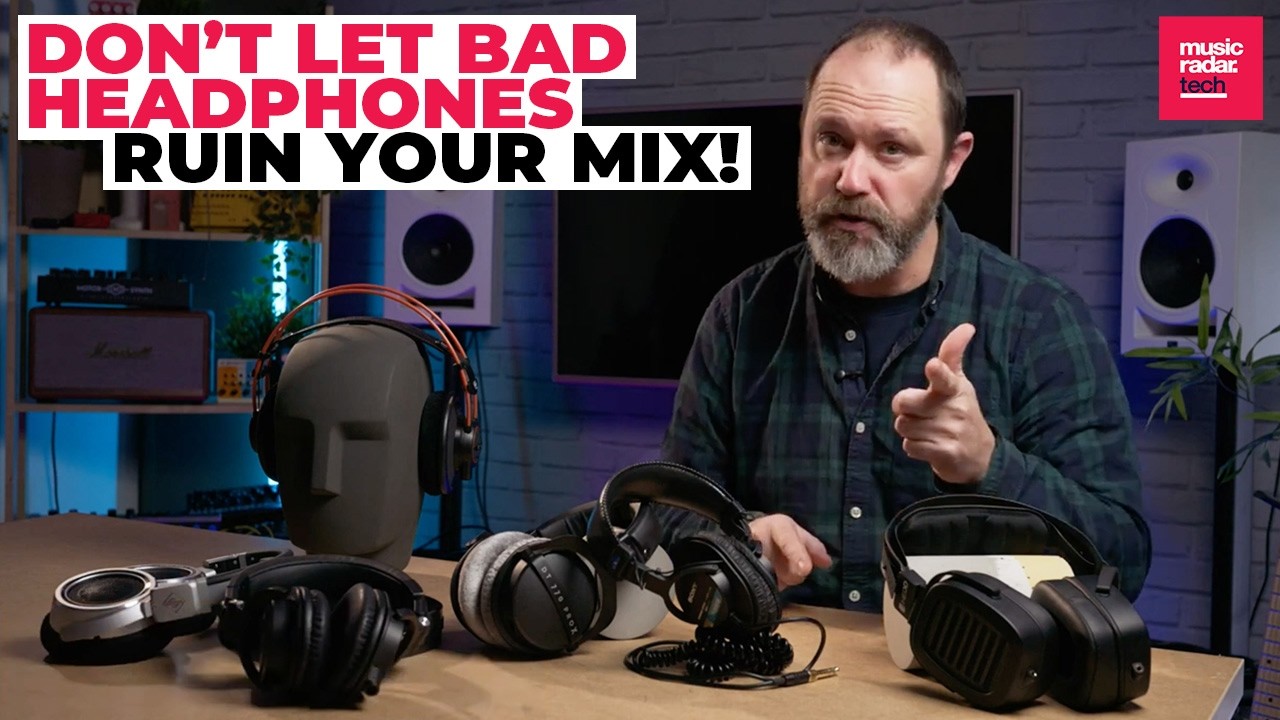
The cost of studio headphones falls into several clear tiers. These ranges reflect common U.S. retail prices, not a guaranteed sale price. Retailers, taxes, shipping, product revisions, and sales can change the final amount.
| Price range | Best for | What to expect |
|---|---|---|
| $30–$75 | Beginners, basic monitoring, backup use | Simple build, limited comfort, useful but less refined sound |
| $75–$150 | Home recording, casual mixing, podcasting | Better drivers, stronger comfort, more reliable tuning |
| $150–$300 | Serious home studios and music work | More accurate sound, better parts, longer service life |
| $300–$600 | Professional recording and mixing | Refined detail, better construction, specialized designs |
| $600–$1,500+ | High-end mastering and specialist work | Premium materials, low production volume, advanced designs |
For most users in the United States, $100 to $250 is the practical sweet spot. This range includes many dependable closed-back and open-back models. It is also high enough to avoid many low-cost problems, such as harsh treble, weak hinges, poor ear pads, and uneven bass.
A $50 pair can still work well for tracking or basic editing. A $500 pair may provide more detail, but the improvement may be small if the room, recordings, or audio interface are weak.
What Makes Studio Headphones More Expensive?
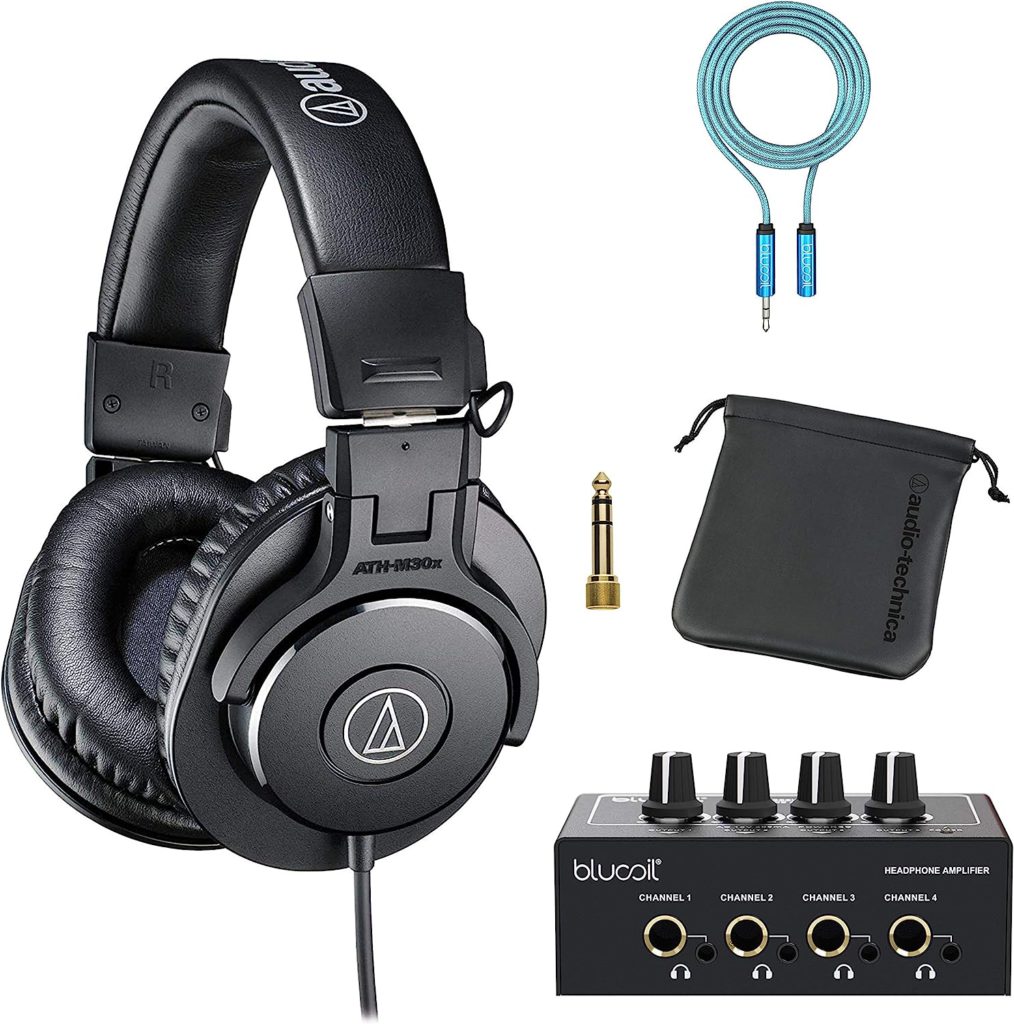
Price usually reflects a mix of design, parts, testing, comfort, and brand position. No single feature explains the full cost.
Driver design and tuning
The driver is the part that turns an electrical signal into sound. Common driver types include:
- Dynamic drivers, which are common and often cost less.
- Planar magnetic drivers, which may offer fast response and low distortion but often cost more.
- Electrostatic drivers, which sit at the high end and require special equipment.
Driver type alone does not prove sound quality. A well-tuned dynamic headphone can outperform a poorly tuned premium model. The full design matters more than the label on the box.
Open-back or closed-back construction
Closed-back headphones seal the rear of the ear cup. They help stop sound from leaking into a microphone. They also block some outside noise.
Open-back headphones have vents in the ear cups. They often create a more open listening feel. However, they leak sound and provide little isolation.
Open-back models may cost more because they target mixing, critical listening, and specialist use. Closed-back models can cost more when they add strong isolation, rugged parts, or accurate low-frequency response.
Build quality and repair options
Higher-priced headphones may use stronger hinges, metal yokes, replaceable cables, and replaceable ear pads. These parts can extend the useful life of the product.
A low-cost pair may be cheaper to replace than to repair. A premium pair may cost more at first but remain useful for many years if parts are available.
Before buying, check whether the manufacturer sells:
- Replacement ear pads
- Replacement cables
- Headband parts
- Warranty service
- Driver or hinge repairs
Comfort and fit
Comfort has a direct effect on your work. If the headband creates pressure or the ear pads become hot, you may stop listening before the job is done.
Premium models often spend more on pad materials, weight balance, clamp force, and headband design. Still, comfort is personal. A more expensive headphone is not automatically more comfortable on every head.
Brand, warranty, and production volume
Some headphones cost more because they are made in smaller numbers or in countries with higher labor costs. Brand reputation, dealer support, and warranty service also affect the price.
These factors can be useful, but they do not guarantee better sound. Read the warranty terms and return policy before paying for a costly model.
How Much Should You Spend for Your Use?
Your task should guide your budget more than the word “studio” on the package.
For beginners: $50 to $120
A beginner usually does not need a $500 pair. A model near $75 to $120 can provide a solid starting point for recording, editing, and basic music production.
At this level, look for:
- Clear speech and vocals
- Comfortable ear pads
- A detachable cable
- A replaceable cable if possible
- A return policy
- A closed-back design for recording
Avoid choosing only by bass strength. Extra bass can sound exciting, but it may cause you to make poor mix decisions.
For home recording: $100 to $200
This is a strong range for home studios. You can find closed-back headphones for vocal tracking and open-back headphones for mixing.
At this price, you should expect:
- Better comfort
- More balanced sound
- Improved detail
- Stronger construction
- More consistent quality control
If you record with a microphone, closed-back headphones are often the safer choice. They reduce headphone bleed into the microphone.
For serious mixing: $150 to $350
Mix engineers often value a neutral or predictable frequency response. A neutral response does not mean that the headphone sounds dull. It means the headphone aims to avoid large boosts or cuts that could mislead your decisions.
At this price, compare:
- Frequency response measurements
- Comfort during long sessions
- Open-back versus closed-back design
- Your audio interface’s output power
- The headphone’s return policy
Measurements can help, but they are not the whole story. Different measurement rigs and target curves can produce different results.
For professional studios: $300 and above
A professional may pay more for small improvements in detail, comfort, consistency, and service. A high-end model may also fit a specific mixing method or genre.
However, expensive headphones cannot fix:
- A poor recording
- Room problems
- Bad microphone placement
- Clipping
- Weak monitoring habits
- Unfamiliarity with the headphone’s sound
Professionals often know the limits of their chosen headphones. That knowledge can matter more than the price.
Closed-Back vs. Open-Back: Which Costs More?
Neither design is always more expensive. The better choice depends on where and how you work.
| Design | Main strength | Main limit | Common use |
|---|---|---|---|
| Closed-back | Isolation and low sound leakage | Can feel less open and warmer | Recording, tracking, travel |
| Open-back | Natural, spacious listening | Sound leakage and little isolation | Mixing, editing, critical listening |
| Semi-open | A middle ground | Limited isolation compared with closed-back models | Some mixing and monitoring tasks |
Choose closed-back headphones when a microphone is close to the player or singer. This helps reduce the chance that the backing track enters the recording.
Choose open-back headphones when you work alone in a quiet room and want a more open monitoring sound. Do not use them when leakage could affect a microphone recording.
An open-back design is not the same as active noise cancellation. Most professional studio headphones focus on a direct wired signal rather than wireless features or noise-canceling systems.
Extra Costs to Include in Your Budget
The headphone price is not always the total cost of a studio monitoring setup.
Audio interface
Many studio headphones work from a computer, phone, tablet, mixer, or audio interface. Some headphones need more voltage or power than a basic device can provide.
An audio interface may cost about $80 to $300 for a common home-studio model. It can provide:
- A stronger headphone output
- Lower recording delay
- Microphone inputs
- Speaker outputs
- A more useful control system
Do not buy an amplifier automatically. First check whether your current device plays loudly and cleanly enough.
Headphone amplifier
A separate headphone amplifier may cost $50 to $500 or more. It can help when the headphones are difficult to drive or when several people need separate volume controls.
For many low- and medium-impedance headphones, a separate amplifier is not required. More power does not automatically create more accurate sound.
Replacement ear pads
Replacement pads often cost $15 to $80, depending on the model and material. Pads wear from sweat, skin oils, and regular use.
Worn pads can change the fit and sound. A weaker seal may reduce bass on a closed-back headphone. Replacing the pads can cost less than replacing the entire unit.
Cables and adapters
Replacement cables may cost $10 to $100. A quarter-inch adapter may cost around $5 to $20.
Check the connector before buying. Common headphone plugs include:
- 3.5 mm, often used with computers and mobile devices
- 6.35 mm, also called quarter-inch, common with studio equipment
- Proprietary locking connectors on some models
- Balanced connectors on certain specialist systems
A balanced cable does not automatically make a headphone sound better. The device and wiring system must support it.
Taxes and shipping
U.S. shoppers should also allow for sales tax. Some states and retailers charge tax at checkout. Shipping may be free, but heavy or special-order items may add a fee.
A $149 headphone can cost much more than $149 after tax and accessories. Compare the full delivered price.
A Simple Studio Headphone Cost Calculation
Use this basic formula:
Total cost = headphone price + required accessories + tax + shipping
Example: basic recording setup
This is a hypothetical example:
- Closed-back headphones: $99
- Replacement or spare cable: $15
- Adapter: $8
- Estimated tax: $10
- Shipping: $0
Estimated total: $132
Example: home mixing setup
Another hypothetical example:
- Open-back headphones: $199
- Audio interface: $149
- Replacement pads: $35
- Estimated tax: $31
- Shipping: $0
Estimated total: $414
These examples show why the headphone price alone may not describe the real budget. If you already own an interface and the correct cable, your total can be much lower.
Are Expensive Studio Headphones Worth It?
Expensive studio headphones are worth the cost when they solve a real problem. They may be useful if you need better comfort, more reliable detail, stronger parts, or a known reference sound.
They are less useful when you expect price alone to improve your mixes. A $400 headphone will not automatically make a mix translate well to cars, earbuds, phones, and speakers.
A higher price may be justified when:
- You wear the headphones for several hours each day.
- You need replaceable parts.
- You work in a quiet room and prefer open-back sound.
- You already understand the sound of your current headphones.
- Your interface can drive the new model properly.
- The model has a strong return and warranty policy.
A lower price may be better when:
- You are still learning basic mixing.
- You need headphones mainly for tracking.
- You work in a noisy space.
- You are unsure which sound signature you prefer.
- You need to buy an interface or microphone first.
In most home studios, improving the room, microphone placement, monitoring habits, or reference tracks may produce a larger gain than moving from a $150 headphone to a $500 headphone.
Common Mistakes When Buying Studio Headphones
Treating “studio” as a quality guarantee
The word “studio” is often used in product names. It does not create a technical standard. Check the design, measurements, warranty, and real use case.
Buying the highest impedance model without checking compatibility
Impedance measures electrical resistance. High-impedance headphones may need more voltage from the source. A phone or basic laptop may not drive them well.
A low volume level does not always prove a problem. Weak output can also reduce headroom or make the sound less controlled. Check the manufacturer’s guidance for your device.
Assuming a flat graph means perfect sound
Frequency response graphs are useful tools, not final answers. They depend on the measurement system, fit, seal, and target curve.
Use measurements to spot large peaks or dips. Then consider comfort, purpose, and your ability to learn the headphone’s sound.
Using open-back headphones near a microphone
Open-back headphones can leak the backing track into a vocal or instrument microphone. Use closed-back headphones for most tracking work.
Ignoring hearing safety
Loud headphone use can harm hearing. The National Institute for Occupational Safety and Health uses 85 dBA over eight hours as a recommended exposure limit, with exposure time falling as sound rises. Consumer devices and headphone fittings can make exact levels hard to judge.
Keep sessions at the lowest level that lets you work. Take breaks. If you notice ringing, muffled hearing, pain, or a sudden change in hearing, stop and seek medical advice.
How to Choose Studio Headphones Without Overspending
Follow this short process:
- Define the task. Choose tracking, mixing, editing, casual listening, or several tasks.
- Set a complete budget. Include cables, adapters, an interface, tax, and shipping.
- Pick the design. Choose closed-back for isolation and open-back for quiet-room mixing.
- Check the source device. Confirm that your interface, computer, phone, or mixer can drive the headphones.
- Review comfort. Look at weight, clamp, pad size, and return terms.
- Check measurements and reviews. Use them as evidence, not as the only decision.
- Buy from a seller with a clear return policy.
- Test at a safe level. Compare familiar tracks and your own recordings.
- Learn the headphone’s sound. Use reference tracks before making important mix decisions.
A good purchase should feel useful after several weeks, not only exciting during the first few minutes.
Key Takeaways
- Most studio headphones cost $50 to $500 in the U.S.
- The best value for many home users is $100 to $250.
- Closed-back headphones suit recording because they limit sound leakage.
- Open-back headphones suit quiet-room mixing but leak sound.
- Price does not guarantee accuracy, comfort, or better mixes.
- Include cables, adapters, an interface, tax, and shipping in the full budget.
- Check impedance and device compatibility before buying.
- Protect your hearing by keeping volume moderate and taking breaks.
Frequently Asked Questions
Are $50 studio headphones good enough?
They can be good enough for basic tracking, editing, podcasting, and learning. They may have less comfort, weaker parts, or less even tuning than models near $100 to $200. Check the return policy and avoid assuming that low price means poor performance.
How much should beginners spend on studio headphones?
A budget of $75 to $150 is reasonable for many beginners in the United States. Spend more only when you need better comfort, replaceable parts, a specific open-back design, or improved isolation.
Do I need an expensive headphone amp?
Usually not. Many studio headphones work well from an audio interface, computer, or mixer. A separate amplifier becomes more useful when the headphones need more power, the output is too quiet, or several people need independent volume control.
Are wireless headphones suitable for studio work?
Wireless headphones can work for casual listening and some editing. Wired headphones are usually safer for recording because they avoid battery limits, wireless delay, connection problems, and audio conversion differences. Always check latency before using wireless headphones for live monitoring.
Do studio headphones need a flat frequency response?
A predictable response is useful for mixing, but no headphone is perfectly flat in every situation. Your ear shape, pad seal, room, and listening level all affect what you hear. Learn the headphone with familiar reference tracks.
How long do studio headphones last?
A good pair may last for several years or longer with careful use. The main wear points are often the ear pads, cable, hinges, and headband. Models with replaceable parts can offer better long-term value.
Conclusion: What Is a Sensible Studio Headphone Budget?
For most U.S. buyers, plan to spend $100 to $250 on studio headphones. That range offers a practical balance of sound, comfort, build quality, and long-term value.
Choose closed-back headphones for recording. Choose open-back headphones for quiet-room mixing. Before spending more, confirm that your device can power the headphones and that the model fits your work.
The best studio headphone purchase is not the most expensive one. It is the pair that suits your task, stays comfortable, and gives you a sound you can learn to trust.