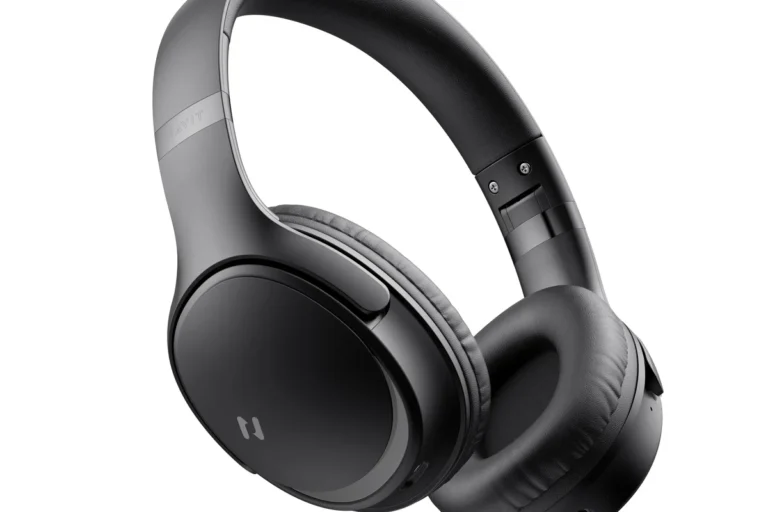
How Good Are Noise Cancelling Headphones: Worth It?

For most people in the United States, noise-canceling headphones are very good at reducing steady sounds such as airplane engines, subway rumble, air conditioners, and office hum. They can make music, podcasts, and calls easier to hear at a lower volume.
They are not silent, and they do not block every sound. Noise cancellation works best with low, steady noise. It is less effective against voices, barking dogs, sirens, clattering dishes, and sudden bangs. The best choice depends on where you will use the headphones, how much you value sound quality and comfort, and whether you need strong hearing protection.
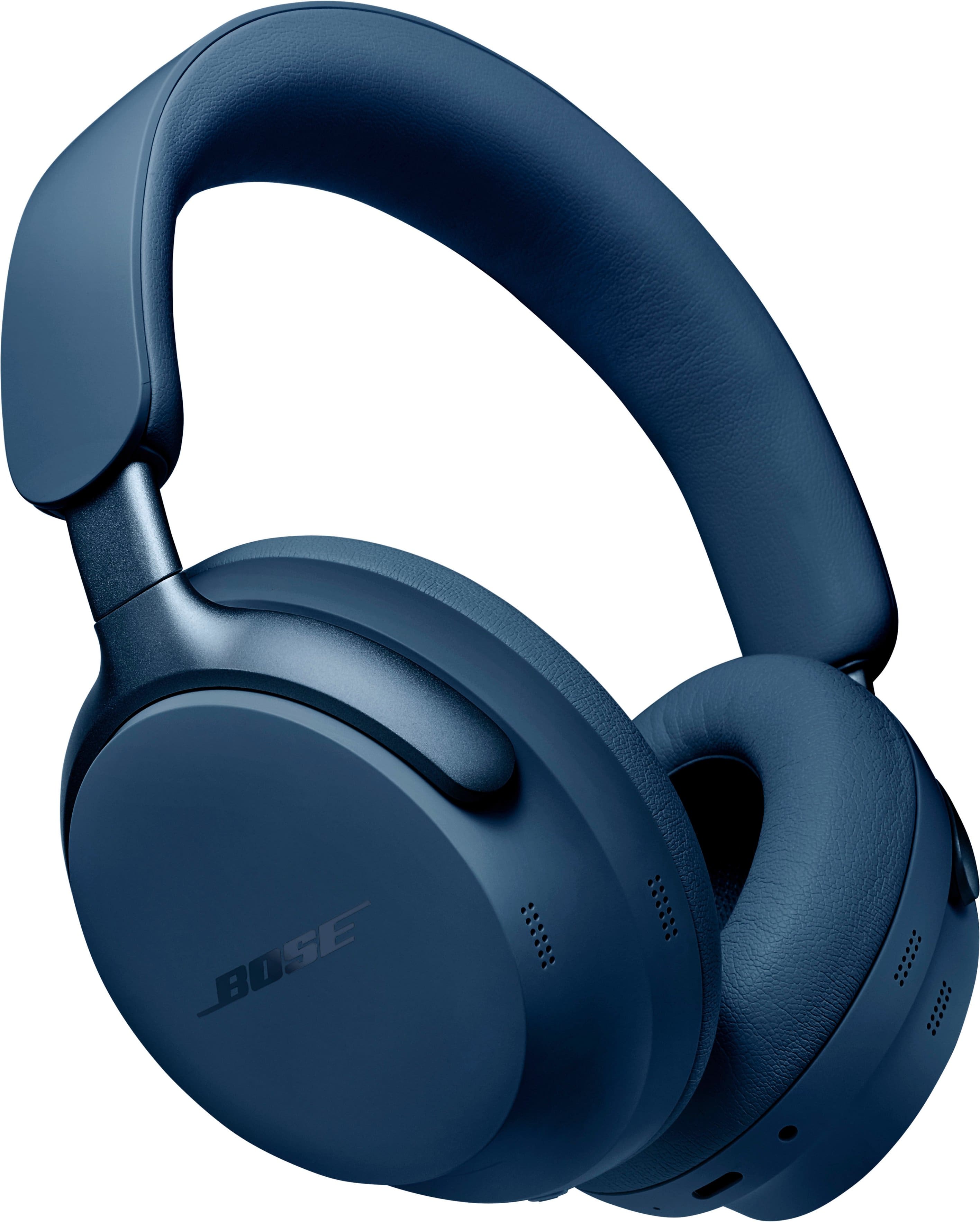
Quick answer: Are noise-canceling headphones worth it?
Yes, active noise-canceling headphones are worth it for travel, work, study, and other places with steady background noise. They can reduce the need to raise your music volume, which may make listening more comfortable.
Their main limits are:
- They do not remove all outside sound.
- Performance varies by fit, ear shape, seal, and headphone design.
- Strong ANC can add pressure or a “plugged” feeling for some users.
- Battery life and electronic features add failure points.
- They are not a replacement for certified hearing protection.
A good pair should reduce background noise without making music sound thin, voices hard to hear, or the headphones uncomfortable after long use.
What do noise-canceling headphones do?
Noise-canceling headphones use microphones and electronic processing to reduce outside sound. Most consumer models combine two forms of noise reduction:
- Passive noise isolation: Ear cups or ear tips physically block sound.
- Active noise cancellation, or ANC: Microphones detect outside sound, and the headphones create an opposing sound wave.
The opposing wave does not “erase” sound in a magical way. It reduces some sound energy before it reaches your ears. The result is usually strongest with deep, constant sounds.
Active noise cancellation versus passive isolation
Passive isolation works like a physical barrier. Closed ear cups and snug ear tips can reduce a wide range of sounds, including some high-pitched noise.
ANC works through microphones, speakers, and digital signal processing. It is especially useful for low-frequency sound, such as:
- Jet and bus engines
- HVAC systems
- Road rumble
- Train noise
- Computer and fan hum
- Some workplace machinery
The two methods work best together. A poor seal can weaken both passive isolation and ANC.
Adaptive and transparency modes
Many newer headphones adjust ANC strength based on the environment. This feature may be called adaptive noise cancellation, smart ANC, or automatic noise control.
Transparency mode does the opposite. It uses external microphones to send outside sound through the headphones. This can help you hear an announcement or speak with someone without removing the headphones.
Transparency mode varies in quality. Good systems sound fairly natural. Lower-quality systems may add hiss, make voices sound sharp, or create a slight delay.
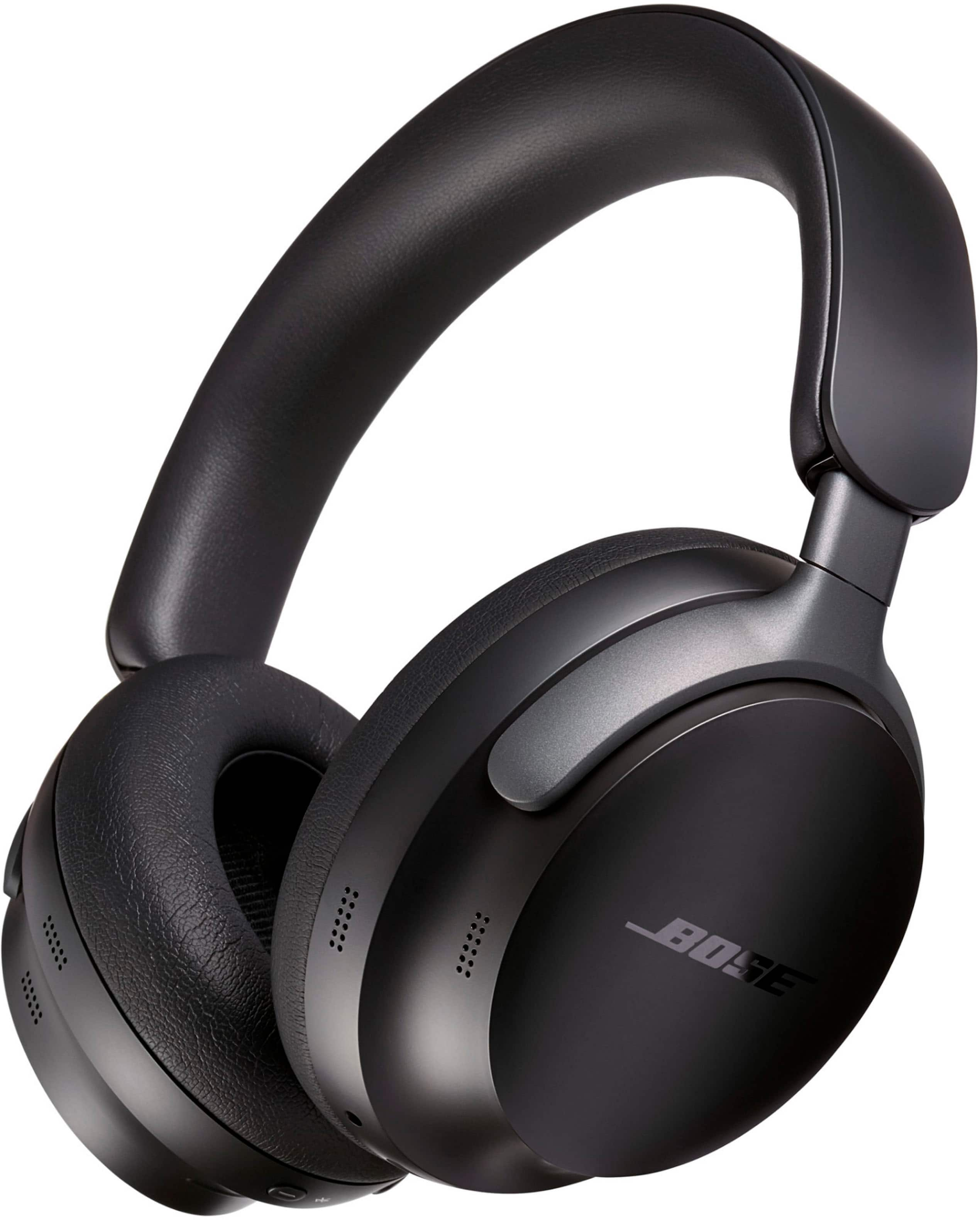
How well do noise-canceling headphones block different sounds?
Noise-canceling headphones work best when the sound is steady, low, and close to the microphones. They work less well when the sound is sudden, irregular, or high in pitch.
| Outside sound | Typical ANC performance | Why |
|---|---|---|
| Airplane engine | Strong | Loud, steady, and mostly low frequency |
| Bus or subway rumble | Strong to moderate | Low-frequency sound is easier to reduce |
| Air conditioner | Strong | Constant and predictable |
| Office HVAC noise | Moderate to strong | Steady background noise suits ANC |
| Human speech | Moderate to weak | Speech changes quickly across many frequencies |
| Baby crying | Weak to moderate | Sudden and complex sound |
| Dog barking | Weak | Short, sharp sounds are difficult to predict |
| Sirens and alarms | Weak | High-pitched and changing sounds may still be heard |
| Keyboard clicks | Moderate | Passive isolation may help more than ANC |
| Construction noise | Varies | Steady machinery may be reduced; impacts may not be |
These results are general. A headphone’s design, ear-pad seal, microphone system, and software all matter.
Why voices can still be heard
Human speech contains many changing tones. ANC needs to detect a sound, process it, and produce a matching response. A steady engine gives the system more time to respond. A changing voice can reach your ears before the system reduces much of it.
Ear cups may still lower speech volume. However, you may hear enough of the conversation to understand that someone is talking.
Why fit matters so much
A small gap around an ear cup can let sound enter. With earbuds, the ear tip must fit the ear canal well. Glasses, hair, facial shape, and loose headbands can all affect the seal.
If ANC seems weak, check the fit before assuming the headphones are defective:
- Try a different ear-tip size or adjust the headband.
- Make sure the ear cups fully surround your ears.
- Check that glasses arms are not creating a large gap.
- Clean the microphones and ear tips.
- Compare ANC with music paused and with the headphones positioned correctly.

What are the main benefits of noise-canceling headphones?
Noise-canceling headphones can improve comfort, focus, and listening control. They are most useful when the surrounding noise is annoying but not dangerous.
Easier listening in noisy places
ANC can make spoken audio clearer in an airport, coffee shop, or open office. You may not need to turn up the volume as much to follow a podcast or phone call.
This does not mean ANC makes high volume safe. Long exposure to loud sound can still harm hearing. The National Institute on Deafness and Other Communication Disorders advises limiting exposure to loud noise and using hearing protection when needed.
Better focus
Reducing a constant hum can make reading, writing, or computer work feel easier. ANC may also reduce the mental effort needed to ignore background noise.
It will not guarantee focus. Notifications, nearby conversations, visual distractions, and the temptation to check your phone can still interrupt work.
More comfortable travel
Many travelers value ANC because it reduces the low rumble of aircraft and vehicles. Lower background noise can make music and movies easier to follow.
ANC may also reduce fatigue during a long trip. However, comfort depends on weight, clamp force, heat buildup, ear-pad material, and battery life.
Lower need for high playback volume
If outside noise masks your audio, you may raise the volume. ANC can reduce that masking effect. This may help you listen at a lower setting.
The actual volume reaching your ears still depends on the device, app, headphones, recording, and fit. Use a comfortable level and take breaks during long listening sessions.

What are the disadvantages of noise-canceling headphones?
The biggest disadvantages are cost, battery dependence, fit issues, and incomplete noise reduction. ANC also adds electronics that can affect sound, weight, repair, and long-term reliability.
They cost more than basic headphones
A basic wired or passive pair can provide good isolation at a lower price. ANC models add microphones, processors, batteries, and software.
A more expensive pair is not automatically better. Compare actual needs:
- Noise reduction in your main environment
- Comfort over several hours
- Call microphone quality
- Battery life
- Wired use when the battery is empty
- Replacement ear pads
- App and device support
They need power
Active noise cancellation normally requires a charged battery. Some models continue to play over a cable when the battery is empty, but ANC may stop working.
Check whether the headphones support:
- Wired playback without battery power
- USB audio
- A standard charging cable
- Quick charging
- Automatic sleep or power-off controls
Some people dislike the pressure sensation
ANC does not create a dangerous vacuum inside the ear. Still, some users feel pressure, fullness, dizziness, or discomfort when ANC is active.
If this happens, try:
- A lower ANC setting
- Transparency or ambient mode
- Another headphone shape
- A different ear-tip size
- Shorter listening periods
Stop using the headphones if they cause pain, persistent dizziness, or other concerning symptoms. Seek medical advice if symptoms continue after you remove them.
Wireless connections can add problems
Bluetooth headphones may face pairing errors, audio delay, dropped connections, or app compatibility issues. These problems vary by device and operating system.
For video, gaming, or music production, check latency performance. A wired connection may be better when timing matters.
They are not certified hearing protection
Consumer ANC headphones are designed for listening comfort, not for blocking hazardous workplace noise. They usually do not carry a Noise Reduction Rating, or NRR, like certified hearing protectors sold in the United States.
Do not use ordinary ANC headphones as a substitute for earplugs or earmuffs around firearms, power tools, aircraft operations, or other high-noise environments.

Are noise-canceling headphones safe for your ears?
Noise-canceling headphones can be safe when used at a reasonable volume and for sensible listening periods. ANC itself is not the main hearing risk. Excessive sound level and long exposure are the greater concerns.
The Occupational Safety and Health Administration and the National Institute for Occupational Safety and Health provide workplace noise guidance based on sound level and exposure time. Those rules and recommendations concern hazardous noise, not ordinary personal listening alone.
Use these safer habits:
- Keep the volume as low as needed.
- Take breaks during long sessions.
- Do not use headphones to cover dangerous workplace noise.
- Keep one ear aware of traffic and public safety signals when appropriate.
- Use certified hearing protection where the noise level requires it.
- Have persistent ringing, muffled hearing, pain, or dizziness assessed by a hearing professional.
Can ANC damage hearing?
ANC does not normally damage hearing by producing harmful opposing sound. The cancellation signal is intended to reduce the outside sound that reaches the ear.
The risk comes when a listener raises the playback volume too high or listens for too long. Because ANC can make audio clearer, it may help some people avoid turning up the volume. It does not make any volume automatically safe.
Can you wear ANC headphones all day?
Many people can wear them for long periods, but comfort and safe use vary. Heat, pressure, ear irritation, and fatigue can build over time.
Take regular breaks. Remove the headphones if your ears hurt, feel numb, or feel irritated. Keep ear pads and ear tips clean, especially if you share the headphones.
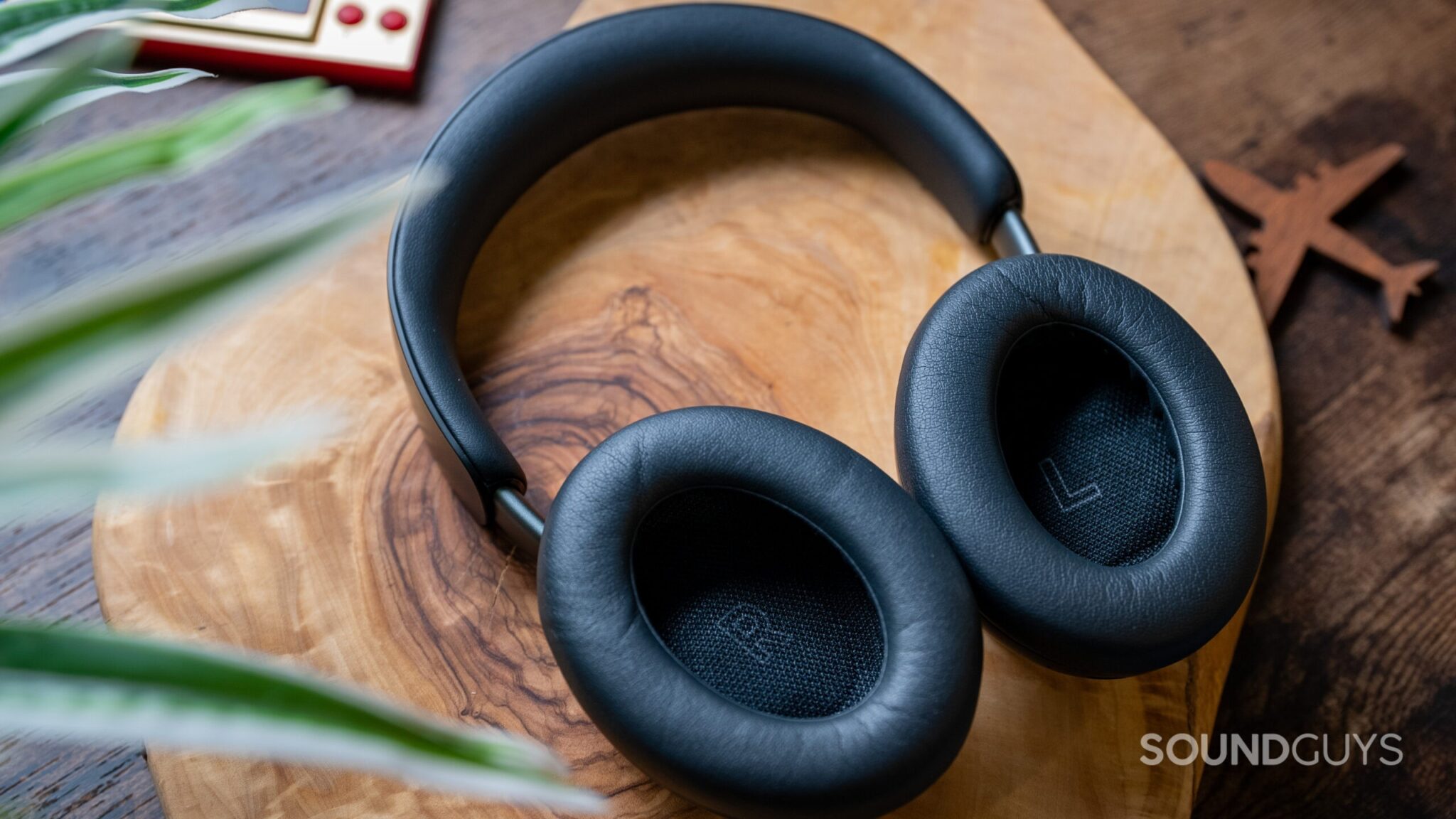
How do noise-canceling headphones compare with earplugs?
Earplugs and ANC headphones serve different purposes. Earplugs are often better for physical noise reduction and hearing protection. ANC headphones are better when you also want music, calls, or adjustable awareness.
| Feature | ANC headphones | Earplugs | Certified earmuffs |
|---|---|---|---|
| Music and calls | Yes | Usually no | Usually no |
| Low steady noise | Often strong | Varies by fit and type | Often strong |
| Sudden loud noise | Limited | Varies | Designed for protection when properly rated |
| Hearing protection rating | Usually none | Some products have an NRR | Many have an NRR |
| Awareness mode | Often available | No | Usually no |
| Battery | Often required | No | Usually no |
| Best use | Travel, work, study | Sleep, general noise reduction | Loud work, shooting, machinery |
Do not rely on product marketing terms such as “noise blocking” or “hearing protection” without checking the product’s actual certification and rating.
For workplace use, follow your employer’s hearing-conservation program and safety rules. For shooting or very loud impulse noise, use suitable certified protection rather than consumer headphones.

Are over-ear or in-ear noise-canceling headphones better?
Over-ear and in-ear models can both provide effective ANC. The better form depends on fit, comfort, portability, and the sounds you need to reduce.
Over-ear ANC headphones
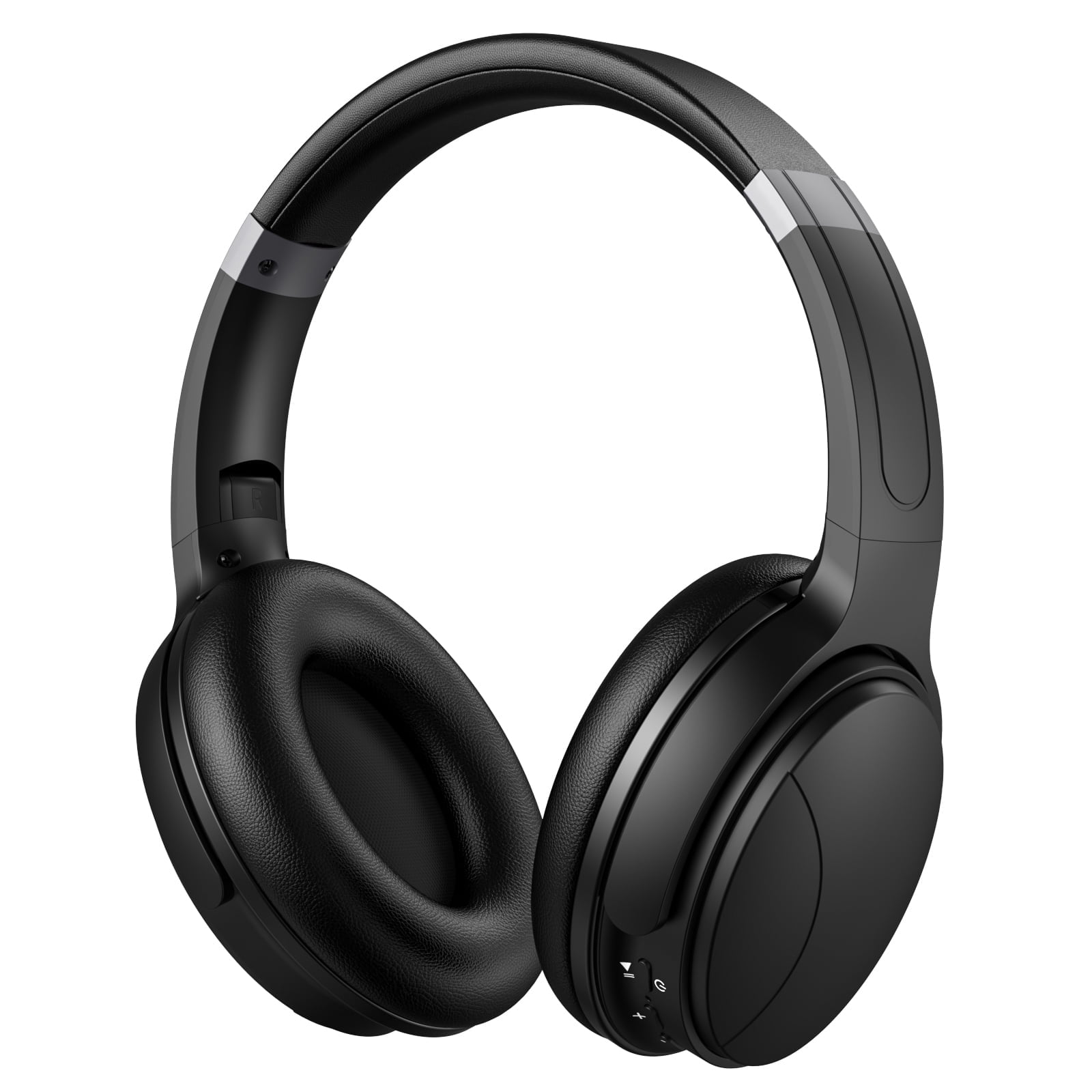
Over-ear headphones cover the ear with padded cups. They often provide strong passive isolation and a comfortable fit for people who dislike ear tips.
Advantages include:
- Good performance on planes and buses
- Large batteries in many designs
- No pressure inside the ear canal
- Easy controls and long-wear comfort for some users
Limitations include:
- More bulk
- Heat around the ears
- Less convenient storage
- Possible gaps around glasses
In-ear ANC earbuds
ANC earbuds sit in or near the ear canal. Their ear tips can create a strong seal, which helps passive isolation.
Advantages include:
- Small and easy to carry
- Useful for exercise and daily travel
- Strong seal when the ear tips fit
- Often include transparency mode
Limitations include:
- Fit varies greatly by ear shape
- Ear tips may cause irritation
- Small batteries may provide less runtime
- They are easier to lose
- Wind noise can affect microphone systems
Choose the form that stays comfortable and seals well. A theoretically stronger ANC system is not useful if the headphones do not fit your ears.

How should you choose noise-canceling headphones?
Start with your main noise problem, then compare fit, sound, controls, safety, and maintenance. Do not choose based on the ANC label alone.
1. Identify the main setting
Ask where you will use the headphones most:
- Air travel: prioritize low-frequency ANC, comfort, battery life, and wired backup.
- Open office: prioritize speech reduction, transparency mode, and call quality.
- Studying: prioritize comfort, stable ANC, and low audio delay.
- Public transit: prioritize passive seal, wind handling, and compact size.
- Outdoor walking: prioritize awareness controls and safe situational awareness.
- Loud work: use certified hearing protection instead of ordinary ANC headphones.
2. Check fit before sound features
Look for adjustable ear cups, several ear-tip sizes, and a headband that does not create painful pressure. If possible, test the headphones for at least 15 minutes.
A good fit should:
- Stay in place when you move
- Form a seal without excessive pressure
- Leave your ears comfortable
- Avoid obvious sound leaks
- Remain comfortable with glasses if you wear them
3. Compare the features that affect daily use
Useful features may include:
- Adjustable ANC levels
- Transparency mode
- Multipoint Bluetooth
- Wired playback
- USB-C charging
- Replaceable ear pads
- Physical controls
- Automatic pause
- Custom equalizer
- Find-device support
- Water or sweat resistance for earbuds
Features matter only when they solve a real problem. For example, multipoint Bluetooth helps people who switch between a phone and laptop. It may not matter if you use one device.
4. Read independent measurements carefully
Independent reviews can help compare noise reduction, microphone quality, battery life, and frequency response. Look for the test method and exact model.
Do not treat one numerical ANC score as a guarantee. Results can change with:
- Head shape
- Ear-tip seal
- Glasses
- Firmware
- Test equipment
- Frequency range
- The type of noise used
Manufacturer battery claims also depend on settings. ANC level, codec, volume, calls, and transparency mode can change runtime.

How can you test noise-canceling headphones at home?
You can perform a simple fit and function check, but a home test cannot replace controlled laboratory measurements.
- Charge the headphones and install required firmware or apps.
- Try every ear-tip size or adjust the over-ear headband.
- Sit near a steady sound, such as an air conditioner or fan.
- Listen with ANC off, then turn ANC on.
- Keep the music paused so you can judge outside noise.
- Test transparency mode and voice pickup.
- Make a short call in a quiet room and a noisy room.
- Check whether the fit remains comfortable after 20 to 30 minutes.
- Test wired playback if that feature matters to you.
- Confirm that controls work without constantly opening the app.
A successful test means the headphones reduce the noise you actually face, remain comfortable, and do not create connection or control problems.
If ANC seems to do little, first check fit and battery level. Then clean the microphones, update the software, and compare different ANC modes. If one side behaves differently, inspect the ear tip or ear cup seal and contact the manufacturer if the problem remains.
Common mistakes to avoid
Several buying and listening mistakes can make good ANC headphones seem ineffective.
Expecting total silence
ANC reduces selected sounds. It does not create a silent room. You may still hear speech, alarms, impacts, and nearby movement.
Ignoring passive isolation
ANC cannot fix a poor physical seal. Choose the correct ear-tip size and ensure over-ear cups fully surround the ears.
Using ANC as workplace protection
Consumer headphones may not be rated for hazardous noise. Use hearing protectors with a suitable NRR when required.
Choosing the strongest setting every time
Maximum ANC is not always the most comfortable option. A lower setting may feel more natural and still reduce enough noise.
Judging sound quality from ANC alone
Noise reduction and audio quality are separate traits. Check bass, voices, treble, distortion, call quality, and performance with ANC both on and off.
Forgetting battery and repair needs
A model with excellent ANC is less useful if its battery cannot last through your day or its ear pads cannot be replaced. Check support terms and accessories before buying.

Frequently asked questions
Do noise-canceling headphones block conversations?
Usually not completely. They may reduce the loudness of a conversation, especially when passive isolation is strong, but speech is complex and changes quickly. You should still expect to hear nearby voices.
Do noise-canceling headphones work without music?
Yes. ANC can operate with music paused on many models. This is useful for travel, studying, or reducing background hum without playing audio.
Do noise-canceling headphones help with sleep?
They can reduce steady sounds, but many over-ear models are too bulky for side sleeping. Earbuds may fit better, but they can cause pressure or irritation. Do not use headphones in a way that prevents you from hearing important alarms or safety signals.
Do noise-canceling headphones help with tinnitus?
Some people find that music or soft background sound makes tinnitus less noticeable. Others may find silence or ANC uncomfortable. ANC is not a treatment for tinnitus. Persistent or bothersome tinnitus should be discussed with a qualified health professional.
Are expensive noise-canceling headphones always better?
No. Price can reflect build quality, comfort, microphones, software, and brand features rather than ANC alone. The best value is the model that fits well and reduces the noise in your real setting.
Final verdict: How good are noise-canceling headphones?
Noise-canceling headphones are highly effective for steady, low-frequency background noise. They are especially useful on airplanes, public transit, in offices, and at home near fans or HVAC systems.
They are less effective against voices, sudden sounds, alarms, and loud impacts. Fit matters as much as electronics, and consumer ANC headphones should not replace certified hearing protection.
Choose ANC headphones when you want quieter listening and better comfort in everyday noise. Choose earplugs or rated earmuffs when your main goal is protection from hazardous sound. The right pair is not the one that promises silence; it is the one that reduces your main noise, fits well, stays comfortable, and supports safe listening.