How Many Headphones Are Sold Each Year: Global Sales

In the United States, no single public agency tracks every pair of headphones sold through stores, websites, phone carriers, and direct brand sales. Private market reports fill that gap, but they use different definitions. A practical estimate is that about 450 million to 500 million headphones and earphones are sold worldwide each year, while the U.S. represents a large share of that demand.
The exact total changes by year and by what a report counts. Some studies include true wireless earbuds, while others count only over-ear and on-ear headphones. Some measure factory shipments, not final consumer sales.

Quick answer: How many headphones are sold each year?
The global market likely sells roughly half a billion headphones and earphones per year when the count includes:
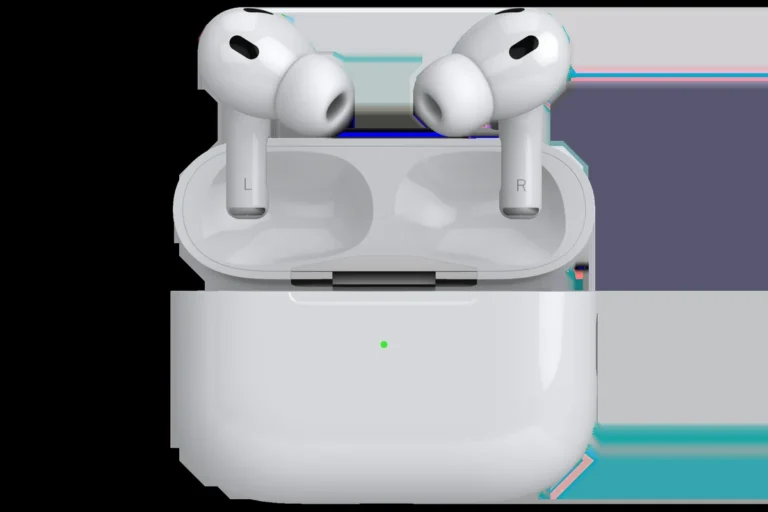
- True wireless stereo earbuds, such as AirPods-style products
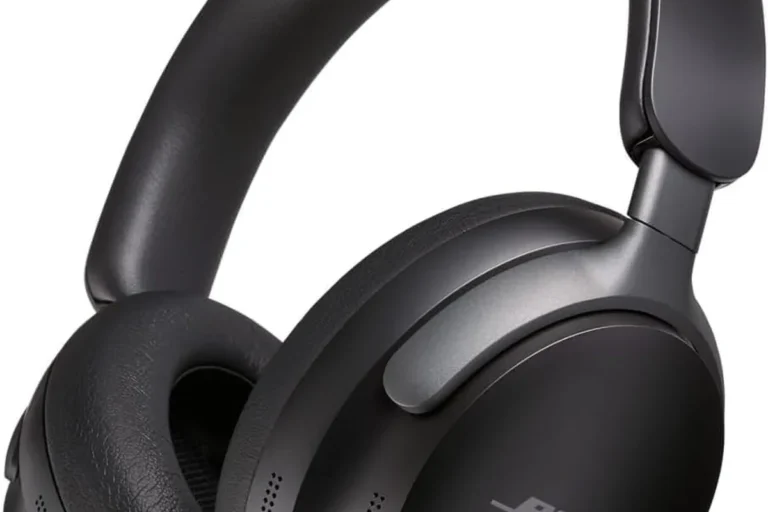
- Wireless over-ear and on-ear headphones
- Wired headphones and earphones
- Gaming headsets
- Professional and business headsets
A reasonable working range for recent years is 450 million to 500 million units annually. This is an industry estimate, not an official worldwide census.
The U.S. market is counted less consistently. U.S. retail tracking often reports dollar sales, product categories, or selected sales channels rather than one complete unit total. As a result, a precise annual U.S. headphone number should be treated with caution.
Why there is no single official number
The headphone market is not measured like a national population or a regulated utility. Manufacturers, retailers, research firms, customs agencies, and financial analysts all measure different parts of the market.
The main differences are:
| Measurement | What it counts | Main limitation |
|---|---|---|
| Consumer sales | Products bought by end users | Some channels may be missing |
| Retail sell-through | Products sold by retailers | May exclude direct brand sales |
| Manufacturer shipments | Products sent to distributors or retailers | A shipment is not always a final sale |
| Factory shipments | Products made and shipped from factories | Inventory may remain unsold |
| Import data | Goods entering a country | Does not show final buyers or re-exports |
| Market revenue | Dollar value of sales | Does not show how many units were sold |
This explains why two credible reports can give different totals without either one being wrong.
For example, one report may count a pair of wireless earbuds as headphones. Another may place those earbuds in a separate “hearables” category. A third may count gaming headsets but exclude business call-center equipment.
What counts as a headphone?
For most market estimates, “headphones” is a broad category that includes products worn on or in the ears.
Common categories
- True wireless earbuds: Small, separate earbuds with no cable between them.
- Wireless headphones: Headphones that use Bluetooth or another wireless connection.
- Over-ear headphones: Ear cups surround the ears.
- On-ear headphones: Ear cups rest on the ears.
- Wired earphones: Earbuds or in-ear products connected by a cable.
- Gaming headsets: Headphones with a built-in microphone, often made for consoles or PCs.
- Business headsets: Products designed for calls, meetings, offices, and customer service work.
- Professional headphones: Studio, broadcast, aviation, and other specialized products.
A market total can rise or fall simply because a research company changes its category rules. That is why readers should check the definition before comparing two annual figures.
Global headphone sales by product type
True wireless earbuds make up one of the largest parts of the modern headphone market. Their small size, lack of a cable, and use with smartphones have made them a major replacement and upgrade category.
Over-ear and on-ear wireless headphones also sell in large numbers. They remain popular with commuters, travelers, gamers, office workers, and people who prefer longer battery life or a larger fit.
Wired products still have demand. They are often cheaper, work without charging, and remain common with computers, music players, airplanes, schools, call centers, and professional audio users.
A typical market breakdown looks like this:
| Product group | Main buyers | Why it matters to annual volume |
|---|---|---|
| True wireless earbuds | Phone users, commuters, casual listeners | High replacement and upgrade demand |
| Wireless over-ear headphones | Travelers, music listeners, office users | Higher average price but strong demand |
| Wired earphones | Budget buyers, schools, businesses | Low price supports steady unit sales |
| Gaming headsets | Console and PC gamers | Often replaced when platforms or features change |
| Business headsets | Offices and contact centers | Purchased in bulk and through specialist channels |
| Professional headphones | Studios, broadcasters, pilots, musicians | Smaller volume but higher prices |
These categories overlap. A single person may buy wireless earbuds for travel, wired headphones for work, and a gaming headset for home use in the same year.

How researchers estimate annual headphone sales
Market researchers usually combine several data sources rather than count every transaction one by one.
1. Retail tracking
Retail tracking firms collect sales data from participating stores, websites, and other channels. The data may show:
- Units sold
- Average selling price
- Revenue
- Brand share
- Product type
- Sales channel
- Month or quarter of purchase
This method is useful for measuring consumer demand. Its weakness is coverage. Direct-to-consumer websites, small retailers, informal markets, and business purchases may not be fully included.
2. Manufacturer and distributor data
Research firms may ask brands and distributors about shipments and sales. They may also review financial filings, channel checks, and inventory data.
This can cover markets that retail panels miss. However, shipment data can overstate final demand if distributors hold unsold inventory.
3. Customs and trade records
International trade databases classify headphones under product codes. These records can help estimate the number of units entering or leaving a country.
Trade data has several limits:
- One product can be counted more than once as it moves through supply chains.
- Import records may use value rather than unit quantity.
- Re-exported goods may not be sold in the country where they were recorded.
- Product codes may combine headphones with other audio equipment.
- Informal and counterfeit trade may be missed.
Trade records are best used as a supporting source, not as a complete retail-sales count.
4. Company reports
Public companies often report revenue, product categories, or regional sales. They rarely disclose exact unit sales for every headphone model.
For example, a company may report revenue from wearables, home products, or accessories without separating earbuds from watches, speakers, or other devices. Analysts must then estimate unit volumes from pricing, market share, and other evidence.
5. Market models
Analysts combine available data with assumptions about:
- Household ownership
- Replacement cycles
- Population
- Smartphone use
- Average selling prices
- Retail coverage
- Brand market share
- Product launches
The result is an estimate. It can be useful for understanding market size, but it should not be presented as a precise count of every pair sold.
Why the number changes from year to year
Annual headphone sales respond to both technology changes and household spending.
Smartphone and device changes
Many buyers add headphones when they purchase a new smartphone, tablet, computer, or gaming console. The removal of headphone jacks from some smartphones also increased demand for wireless products in many markets.
This does not mean every phone buyer purchases headphones. It means device upgrades can create a strong reason to replace or add an audio product.
Wireless adoption
Bluetooth products have become a central part of the market. Wireless headphones are convenient, but they also contain batteries and electronics that can age over time.
That creates two opposing effects:
- Wireless products can raise the value of each sale.
- Battery wear can create a future replacement need.
Product launches
New earbuds and headphones can cause a short-term rise in sales. A major launch may also cause older models to receive discounts, which can increase unit volume while lowering the average selling price.
Economic conditions
Headphones range from low-cost wired earbuds to premium models costing several hundred dollars. When consumers reduce discretionary spending, they may delay a premium purchase but still buy a budget product.
This means unit sales and revenue can move in different directions. The market may sell more units but earn less money if buyers shift toward lower-priced products.
Seasonal shopping
Sales commonly rise during:
- Back-to-school periods
- Major holiday shopping weeks
- Travel seasons
- Large online promotional events
- New gaming console releases
A strong fourth quarter can make a full-year market look healthy even if other quarters were weak.
Headphone sales versus headphone shipments
“Sold” can mean two different things in market research.
Sell-in is the movement of products from a manufacturer to a distributor or retailer. Sell-through is the purchase by a consumer from a retailer or brand.
Sell-in can occur months before the final purchase. If a retailer builds inventory before the holidays, shipments may rise even when consumers have not yet bought the products.
For a reliable annual sales estimate, sell-through data is usually closer to the question consumers mean: “How many headphones did people buy?” Even sell-through data may not include every channel, however.
A careful article or report should state:
- The year measured
- The countries included
- The product categories included
- Whether the data reports units or revenue
- Whether it measures shipments or final sales
- Which sales channels are covered
Without those details, a large number can sound more precise than it really is.
How many headphones are sold in the United States?
The United States is one of the world’s largest headphone markets, but a complete annual unit total is not normally published as one official government statistic.
U.S. estimates may exclude or combine:
- Amazon and other online marketplaces
- Manufacturer websites
- Mobile carrier sales
- Electronics stores
- Department stores
- Office and business purchases
- School and government procurement
- Professional audio sales
- Used and refurbished products
- Imported products sold through small businesses
The best U.S. source depends on the question. Retail analysts can help estimate consumer sell-through. Trade data can help estimate imports. Company filings can help estimate brand sales. None of these sources alone captures the whole market.
A U.S. reader should therefore avoid treating a global estimate as a U.S. estimate. A claim such as “Americans buy 100 million headphones every year” requires a clearly named source, year, category definition, and sales-channel method.
How to calculate a market estimate
If you need to create a transparent estimate, use a range rather than a single unsupported number.
Basic calculation
[
\text{Estimated units sold} =
\text{covered-channel units}
+
\text{estimated missing channels}
\text{duplicate shipments}
]
For example, a hypothetical research model might report:
- 300 million units from tracked retail channels
- 120 million units from estimated direct and business sales
- 50 million units from uncovered regional channels
- 20 million units removed for likely duplicate inventory records
The result would be:
[
300 + 120 + 50 – 20 = 450\text{ million units}
]
This is only an example of the method. The figures are hypothetical and should not be mistaken for a measured global total.
Use a range
A better model might produce:
- Low estimate: 430 million units
- Central estimate: 470 million units
- High estimate: 510 million units
The range shows uncertainty caused by incomplete data and different product definitions.
Do not add incompatible reports
Do not add a true wireless earbud estimate to a total that already includes true wireless earbuds. This is a common source of inflated market figures.
Before combining numbers, confirm that they use the same:
- Geography
- Calendar year
- Product scope
- Unit definition
- Sales stage
- Currency and price basis
What is the average headphone replacement cycle?
There is no single replacement cycle that applies to every headphone owner.
Wired headphones may remain usable for years if the cable and connectors hold up. Wireless products may be replaced sooner because their built-in batteries lose capacity, because software support changes, or because newer models add features.
Replacement also depends on use:
- Daily commuters may wear out products faster.
- Children may lose or damage earbuds.
- Office users may replace headsets when employers change systems.
- Audiophiles may keep older models while buying new ones for a different sound or use.
- Businesses may replace products in batches rather than one at a time.
Because replacement cycles vary, household ownership cannot be converted into annual sales without strong assumptions.
Why revenue estimates do not reveal unit sales
A market can generate more revenue while selling fewer units. This happens when buyers shift toward expensive noise-canceling headphones, premium earbuds, or professional products.
The reverse can also happen. Unit sales may increase when low-cost wired earphones and entry-level wireless earbuds become more popular, even if total market revenue stays flat.
Use the right measure for the question:
- Use units to understand product volume.
- Use revenue to understand market value.
- Use average selling price to understand the mix of low-cost and premium products.
- Use market share to compare brands within a defined category.
A report that says the headphone market is worth billions of dollars does not, by itself, tell you how many headphones were sold.
Common mistakes when citing headphone sales data
Mistake 1: Treating shipments as consumer sales
A factory shipment can enter a warehouse and remain there. It is not automatically a completed consumer sale.
Mistake 2: Mixing earbuds with headphones without saying so
True wireless earbuds are often included in broad headphone reports. The article should state this clearly.
Mistake 3: Confusing revenue with units
A billion-dollar market value does not equal one billion products. The average price may be far above or below $1.
Mistake 4: Using one brand’s sales as the whole market
A company’s reported product revenue cannot establish total industry volume unless its market share and category coverage are known.
Mistake 5: Counting imports as purchases
An imported product may be stored, re-exported, returned, or sold later. Import volume is not the same as final retail demand.
Mistake 6: Comparing different years without checking definitions
A 2022 estimate for all personal audio products cannot be directly compared with a 2024 estimate for true wireless earbuds alone.
Reliable sources for headphone market research
For current research, start with sources that explain their method and scope.
Useful source types include:
- Consumer Technology Association for U.S. consumer technology market research
- Circana for retail and consumer purchase tracking
- NIQ for consumer and retail measurement
- Futuresource Consulting for global audio and consumer electronics research
- IDC for device and wearable market analysis
- U.S. Census Bureau Foreign Trade for U.S. import and export data
- UN Comtrade for international trade statistics
- Public company annual reports filed through the U.S. Securities and Exchange Commission
When reviewing a source, look for the publication date, market region, unit definition, product scope, and distinction between shipments and sell-through.
A headline figure without those details is useful as a rough signal, but not as a precise annual count.
Frequently asked questions
Are earbuds included in headphone sales?
Usually, yes, when a report uses “headphones” as a broad personal-audio category. Some reports separate true wireless earbuds from over-ear and on-ear headphones, so always check the report definition.
Are wired headphones still sold?
Yes. Wired products remain useful because they do not need charging, are often inexpensive, and work with computers, music equipment, aircraft systems, and other devices. They are also used in professional and business settings.
Which country sells the most headphones?
The answer depends on whether the comparison uses units, revenue, retail sales, or shipments. Large populations, high smartphone ownership, higher consumer spending, and strong electronics distribution can all affect the result. A country ranking is not reliable without a named dataset and year.
Do headphone sales include replacement products?
Usually, yes. Most market totals combine first-time purchases, upgrades, replacements, gifts, business purchases, and additional products bought for another use.
Why do different websites report different headphone market sizes?
They may measure different products, countries, channels, currencies, or sales stages. One source may count only true wireless earbuds, while another includes every type of personal headset.
Bottom line
The best broad answer is that approximately 450 million to 500 million headphones, earbuds, and related headsets are sold worldwide each year, depending on the year and the definition used.
There is no single official global or U.S. count. For a defensible figure, identify the market, year, product types, sales channels, and whether the source measures consumer sales or manufacturer shipments. If precision matters, report a range and explain the method rather than presenting an unsupported exact number.
Sources
- Consumer Technology Association
- Circana
- Futuresource Consulting
- IDC
- U.S. Census Bureau Foreign Trade
- UN Comtrade Database
- U.S. Securities and Exchange Commission EDGAR