How to Pair Bluetooth Headphones with Samsung TV Easily

To pair Bluetooth headphones with a Samsung TV, open the TV’s Sound Output or Bluetooth audio menu, put the headphones in pairing mode, and select them from the device list. If your TV does not support Bluetooth audio, use a Bluetooth transmitter as the simplest workaround.
If you want to know how to pair bluetooth headphones with samsung tv, the good news is that most modern Samsung Smart TVs make it pretty simple. The exact menu names can vary by model and software version, but the basic process is usually the same: check Bluetooth support, put your headphones in pairing mode, and connect them through the TV’s sound settings.
In this guide, the Top Headphone Reviews Editorial Team walks you through the easiest setup methods, common connection problems, and a few buying tips that matter if you watch late at night, share a room, or game on your TV. If you’re still learning the basics of wireless audio, our Bluetooth headphones explained guide can help make the pairing process feel less confusing.
- Check support first: Not every Samsung TV has Bluetooth audio output.
- Use pairing mode: Headphones must be actively discoverable to connect.
- Watch for lag: Low-latency gear helps with movies and gaming.
- Try a transmitter: It is the best backup for older TVs.
How to Pair Bluetooth Headphones with Samsung TV: What You’ll Learn and Why It Matters
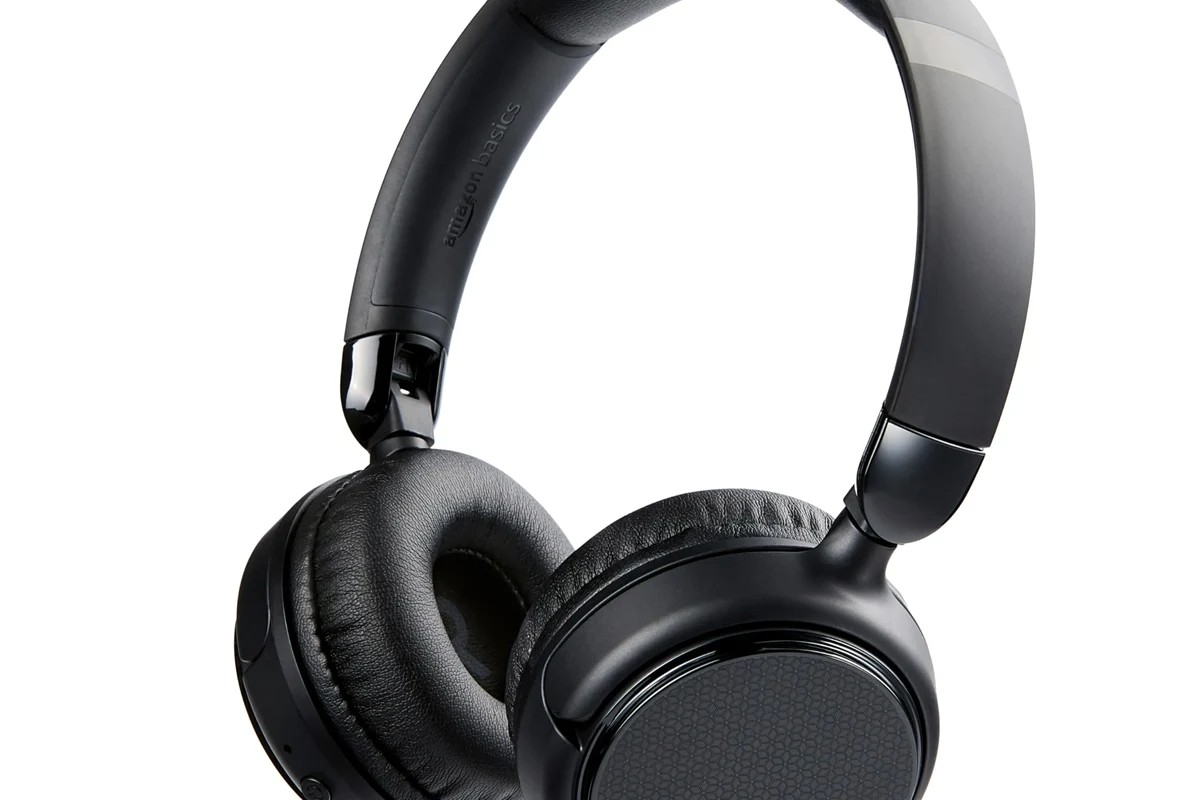
Pairing Bluetooth headphones to a Samsung TV lets you listen privately without turning up the volume for everyone else. That is especially useful for apartments, bedrooms, shared living rooms, and gaming sessions where you want clearer dialogue without disturbing other people.
You’ll also learn why some setups connect instantly while others need a Bluetooth transmitter or a software workaround. The goal is not just to connect the headphones once, but to get stable audio with as little lag, dropouts, or frustration as possible.
Check Samsung TV Bluetooth Support Before You Start
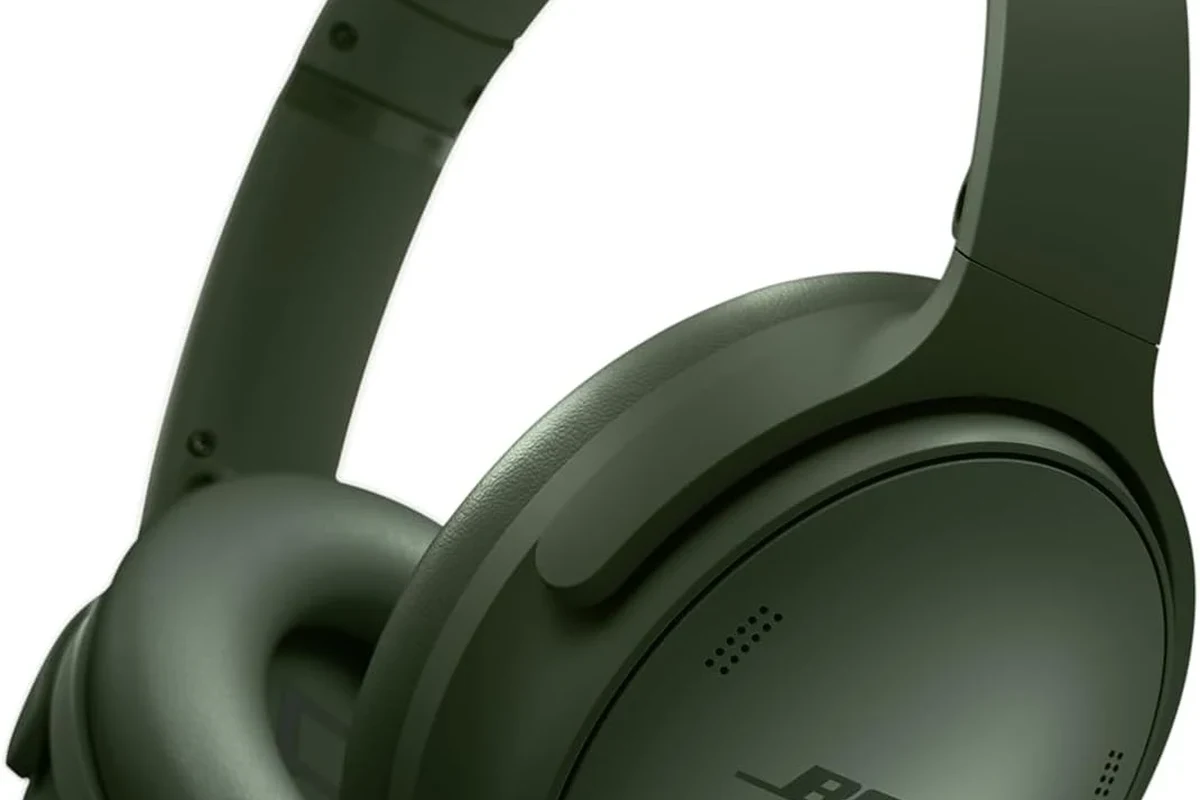
Before you try pairing, confirm that your Samsung TV actually supports Bluetooth audio output. Some models do, some older ones do not, and a few support Bluetooth only for remotes or accessories rather than headphones.
How to confirm your TV model and Bluetooth compatibility
Start by checking the TV model number in the settings menu or on the back label. Then look up the model’s audio or connectivity features in the user manual or Samsung support page to see whether Bluetooth headphones are supported.
On many Samsung Smart TVs, Bluetooth audio is available through the Sound Output menu, but the wording can vary. If you see options like Bluetooth Speaker List, Sound Output, or Audio Device Manager, that is usually a good sign that headphone pairing is possible.
Bluetooth availability can differ by year, region, and firmware version, so two Samsung TVs that look similar may not behave the same way.
What to do if your Samsung TV does not have built-in Bluetooth
If your TV does not support Bluetooth headphones natively, you can still use a Bluetooth transmitter. This small adapter plugs into the TV’s audio output and sends sound wirelessly to your headphones.
That option is often cheaper than replacing a perfectly good TV, especially if you only want private listening. It can also be a smart workaround for older sets that still have optical, AUX, or headphone outputs.
Not every transmitter works equally well with every TV. Check whether your TV has optical, USB, or 3.5 mm output before buying one.
Step-by-Step Guide to Pair Bluetooth Headphones with Samsung TV
The pairing process is usually straightforward once both devices are ready. If the headphones are charged and the TV supports Bluetooth audio, you can often finish the setup in a minute or two.
Using the TV’s Sound Output or Bluetooth Audio menu
Open the Samsung TV settings and go to Sound, then Sound Output, or a similarly named audio menu. Look for Bluetooth Speaker List, Bluetooth Audio Device, or Add New Device.
Once the TV starts searching, it should scan for nearby Bluetooth headphones. If your headphones appear in the list, select them and wait for the TV to confirm the connection.
Go to Settings, then Sound, and find the output or audio device section.
Hold the pairing button until the indicator light flashes or you hear a pairing prompt.
Choose your headphones from the device list and confirm the connection.
Putting your headphones into pairing mode correctly
Pairing mode is different from simply turning the headphones on. Most Bluetooth headphones require a long press on the power button or a dedicated pairing button until an LED flashes in a specific pattern.
If the headphones were previously paired to your phone or laptop, disconnect them there first. Some models automatically reconnect to the last device they used, which can prevent the Samsung TV from finding them.
If your headphones support multipoint, temporarily disable other active connections during setup. That often makes the TV pairing process faster and more reliable.
Confirming the connection and testing audio
After pairing, play a show, movie, or menu sound to confirm that audio is coming through the headphones. You may need to raise the TV volume slightly or adjust the headphone volume separately, depending on the model.
If the sound is delayed, distorted, or still coming through the speakers, revisit the Sound Output menu and make sure the TV is set to the Bluetooth headphones rather than internal speakers. For more general connection troubleshooting, our how to connect Bluetooth headphones guide covers the basic pairing habits that help on most devices.
Best Pairing Methods for Different Samsung TV Setups
Not every Samsung TV setup works the same way. Newer Smart TVs usually offer the easiest pairing experience, while older sets may need a transmitter or a different audio path.
Pairing with Samsung Smart TVs running Tizen
Samsung Smart TVs running Tizen typically have the cleanest Bluetooth audio menu. You may see a direct list of nearby devices, and once the headphones are paired, the TV often remembers them for later use.
This is the easiest setup for most people because you can switch between speakers and headphones without extra hardware. Still, menu labels and pairing behavior may vary by firmware update.
Using Samsung SmartThings or One Remote features
Some Samsung TVs can be managed through SmartThings or paired with the One Remote experience, depending on the model. These features can make setup more convenient, especially if you already use Samsung devices in the same home.
Even so, the core Bluetooth audio connection usually still happens through the TV’s sound settings. Think of SmartThings as a convenience layer, not a replacement for the actual pairing step.
Connecting through a Bluetooth transmitter when needed
If built-in Bluetooth is missing or unreliable, a transmitter is the most practical backup. It can be especially helpful for older TVs, projectors, or setups where the TV’s Bluetooth menu is limited.
For gaming, a transmitter with low-latency support is often the better choice because it can reduce the delay between picture and sound. If you are deciding between wireless and wired options, our Bluetooth vs wired headphones sound quality article explains the trade-offs in plain language.
Common Problems When Connecting Bluetooth Headphones to Samsung TV
Even when the process seems simple, a few common issues can get in the way. The good news is that most of them have straightforward fixes.
Headphones not showing up in the device list
If the headphones do not appear, first make sure they are truly in pairing mode. Then move them closer to the TV and disconnect them from any phone, tablet, or console they may be linked to.
It can also help to restart the TV and headphones, then try again. If the TV still cannot see them, the headphones may be too far away, already connected elsewhere, or not compatible with the TV’s Bluetooth profile.
Audio delay, lag, or lip-sync issues during movies and gaming
Bluetooth audio delay is one of the most common complaints, especially in action movies and games. Some Samsung TVs handle latency better than others, but Bluetooth always introduces some potential delay.
If you notice lip-sync problems, check whether your TV has an audio delay or sync adjustment in the sound menu. For gaming, low-latency headphones or a transmitter designed for reduced lag can make a noticeable difference, depending on the full setup.
Bluetooth lag is often more noticeable in games than in music because your eyes and ears are trying to match fast on-screen action.
Connection drops, low volume, or one-ear audio problems
Dropouts can happen if the headphones are too far from the TV, the battery is low, or there is wireless interference nearby. Keeping other Bluetooth devices away during setup can improve stability.
Low volume may simply be a TV or headphone setting issue, while one-ear audio can point to a headset fault, a cable problem on certain hybrid models, or a pairing glitch. If the problem persists, unpair the headphones and pair them again from scratch.
Listening at high volumes for long periods can cause hearing damage. Keep volume at 60% or below for extended sessions.
Expert Tips for Better Sound, Lower Latency, and Comfort
Once your headphones are connected, a few small choices can improve the experience a lot. Comfort, latency, and codec support matter more than many first-time buyers expect.
Why codec support and low-latency headphones matter in 2026
In 2026, codec support still matters because it can affect how stable and responsive Bluetooth audio feels. Not every TV and headphone combination supports the same codec, so results may vary by brand and model.
If you care about gaming or dialogue sync, look for low-latency support when shopping for headphones or a transmitter. That does not guarantee perfect timing, but it usually gives you a better chance of avoiding distracting audio delay.
If you experience ringing, discomfort, or hearing strain during long TV sessions, consider speaking with an audiologist. A professional can help if volume, sensitivity, or ear pain becomes a recurring issue.
Practical setup advice for watching TV late at night or gaming
For late-night viewing, closed-back over-ear headphones often feel more immersive and keep sound from leaking into the room. If you prefer lighter wear for shorter sessions, comfortable in-ear options can also work well.
For gaming, prioritize stable wireless connection, low latency, and a fit that stays secure when you move. If you often watch with subtitles, mild latency may bother you less than it would during fast-paced gameplay.
Warning signs to avoid buying the wrong Bluetooth headphones
Avoid headphones that only promise “Bluetooth” without clear guidance on compatibility, battery life, or latency behavior. If the product description is vague, that is usually a sign to slow down and compare alternatives.
Also pay attention to weight, ear cushion material, and clamp force if you plan to wear them for long movie nights. Comfort problems can ruin an otherwise good sound profile, especially for extended use.
Bluetooth Headphones vs. Alternative TV Audio Options
Bluetooth is convenient, but it is not the only way to listen privately on a Samsung TV. Depending on your room, budget, and listening habits, a wired option or soundbar may be the better fit.
Bluetooth headphones compared with wired headphones and soundbars
Bluetooth headphones are best when you want freedom of movement and a clean, cable-free setup. Wired headphones can offer simpler reliability and no charging, while soundbars are better if you want room-filling sound instead of private listening.
If you mainly watch alone, headphones usually make more sense. If you often watch with family or want better movie impact, a soundbar may be the more practical upgrade.
When a budget Bluetooth transmitter is cheaper than buying a new TV
If your Samsung TV lacks Bluetooth audio, a budget transmitter is often the most cost-effective fix. It can extend the life of an older TV and give you wireless headphone support without replacing the display.
This is especially useful if the picture quality still meets your needs and you only want better audio convenience. In that case, spending a little on an adapter may be smarter than paying for a whole new TV.
Final Recap: The Easiest Way to Pair Bluetooth Headphones with Samsung TV
The easiest way to pair Bluetooth headphones with a Samsung TV is to confirm Bluetooth support, put the headphones in pairing mode, and connect them through the TV’s sound output menu. If the TV does not support Bluetooth audio, a transmitter is the most practical backup.
For the best results, pay attention to latency, comfort, and connection stability, especially if you watch movies or play games often. A little setup care goes a long way toward better sound and fewer headaches.
Frequently Asked Questions
Bluetooth headphones are more convenient because they remove cables and make private listening easier. Wired headphones can still be better if you want the simplest connection and no charging.
Yes, noise-cancelling headphones can help reduce background noise and make dialogue easier to hear. Comfort and latency still matter, so the best model depends on how you watch.
Closed-back headphones are usually better for TV because they block more outside noise and keep sound private. Open-back headphones can sound more spacious, but they leak sound and are less ideal for shared rooms.
Check Bluetooth compatibility, battery life, comfort, and whether the headphones support low-latency features. If you game, latency matters more than extra bass or flashy features.
Look for light weight, soft ear cushions, and a fit that does not clamp too hard. Over-ear models are often the most comfortable for long viewing, but comfort still depends on your head shape and the headset design.
Yes, a little EQ can help with dialogue clarity, bass balance, or harsh treble. Keep changes small so the sound stays natural and does not become tiring over long sessions.