How Long Does Sony Headphones Last Battery Life Guide

Sony headphones can last anywhere from a short daily session to many hours of all-day listening, depending on the model and settings. ANC, volume, and battery age are the biggest factors that change real-world runtime.
If you’re asking how long does Sony headphones last, the short answer is that it depends on the model, how you use features like ANC, and how well you care for the battery. In many cases, Sony wireless headphones and earbuds can last long enough for daily commuting, workdays, and even long flights before needing a recharge.
- Model matters: Over-ear Sony headphones usually last longer than earbuds.
- ANC costs power: Noise cancellation can reduce battery life in real use.
- Habits help: Moderate volume and smart charging extend battery health.
- Travel use: Premium models are usually better for long flights and workdays.
How Long Does Sony Headphones Last Battery Life Guide: What Buyers Really Want to Know
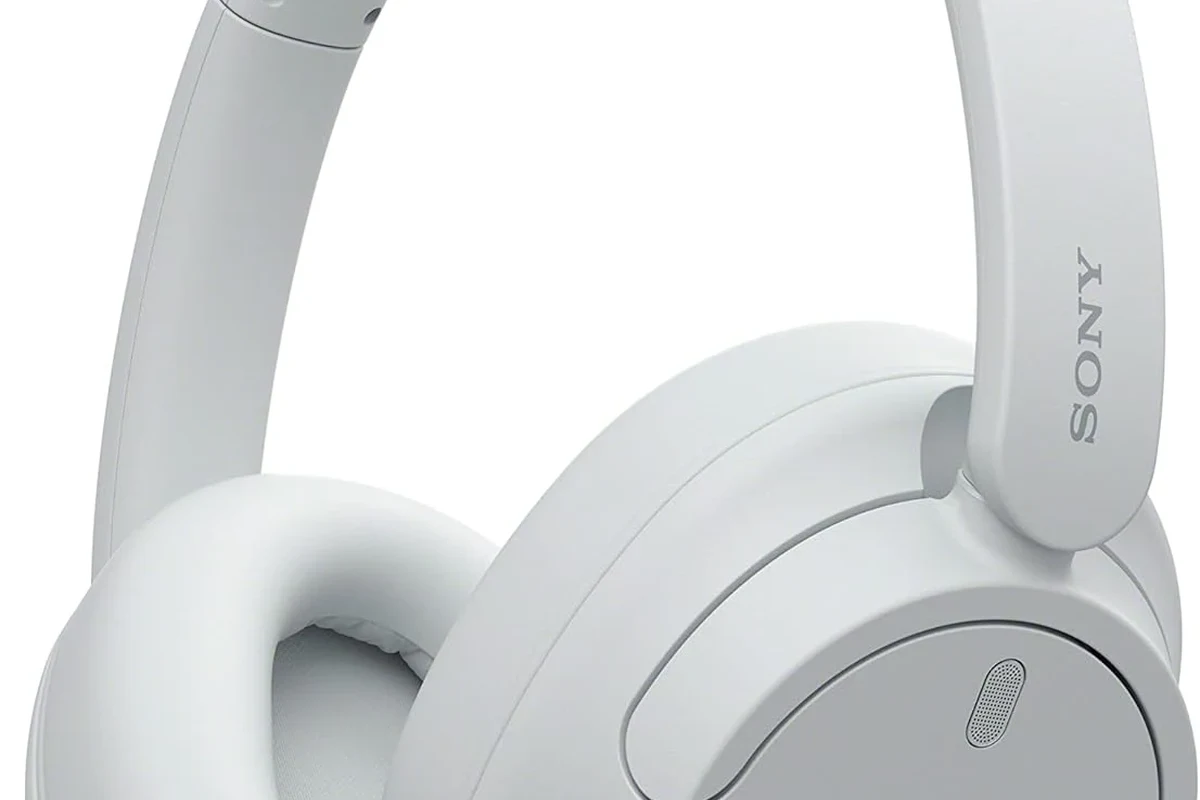
Battery life is one of the biggest reasons people choose Sony headphones, especially if they want fewer charging interruptions. But “how long” is not one fixed number, because Sony makes everything from premium over-ear noise-canceling headphones to compact true wireless earbuds and more affordable Bluetooth models.
For buyers, the real question is usually this: will the battery last through my normal routine without becoming a hassle? That depends on your listening habits, whether you use noise cancellation, and whether you keep the headphones in a case or powered on all day.
It also helps to remember that wireless battery performance changes over time. A pair that feels excellent in year one may not hold the same charge after years of daily use, which is normal for rechargeable batteries.
Sony Headphones Battery Life by Model Type: WH-1000XM, WF Earbuds, and Budget Options
Sony’s battery life varies widely across its lineup, and that’s where many shoppers get confused. Premium over-ear models, compact earbuds, and budget Bluetooth headphones are built for different use cases, so they do not all last the same amount of time.
Over-ear noise-canceling headphones vs true wireless earbuds
Over-ear Sony headphones usually have the largest batteries, so they tend to last much longer than true wireless earbuds. That makes them a strong pick for travel, office use, and long listening sessions.
True wireless earbuds are smaller and more convenient, but they have less room for battery capacity. They often rely on the charging case for extra runtime, so the total listening time can be practical even if each charge is shorter.
Battery life claims for earbuds often include the charging case, while headphone claims usually refer to the headset alone. That difference matters when comparing products.
How Sony battery claims differ across product tiers
Premium Sony headphones often advertise the longest battery life, especially when ANC is off or used moderately. Midrange and budget models may still offer solid all-day use, but they usually give you fewer hours and fewer extra features.
Feature-heavy models can also drain faster because they are doing more work. Noise cancellation, ambient sound modes, multipoint Bluetooth, and higher-quality wireless codecs can all affect how long Sony headphones last in real use.
If battery life matters most, compare the “with ANC” and “without ANC” figures, not just the headline number.
Real-World Battery Life in 2026: What Affects How Long Sony Headphones Last
In 2026, the biggest battery-life differences still come down to how hard the headphones are working. The same Sony model can feel like a marathon champ one day and a much shorter-routine device the next, depending on settings and listening conditions.
Volume level, ANC, ambient sound, and codec usage
Louder volume usually means faster battery drain, because the drivers need more power to keep up. If you listen at moderate levels, you will generally get closer to the manufacturer’s expected runtime than if you listen loudly for hours.
ANC also uses power, especially in noisy environments where the system has to work harder. Ambient sound or transparency features can add convenience, but they may also reduce runtime compared with using the headphones in a basic playback mode.
Bluetooth codec usage can matter too. Some codec modes may be more demanding than others depending on the source device and the headphone model. If you want to learn more about wireless basics, our guide to Bluetooth headphones explained breaks down the main trade-offs in simple terms.
Battery aging, charging habits, and temperature impact
All rechargeable batteries age over time. Even if you take good care of them, a Sony headphone battery will usually hold less charge after years of regular use than it did when new.
Charging habits matter too. Constantly leaving headphones at very high charge levels, repeatedly draining them to zero, or using poor-quality chargers can all be rough on long-term battery health. Temperature is another factor, since heat and extreme cold can affect battery performance and lifespan.
Listening at high volumes for long periods can cause hearing damage. Keep volume at 60% or below for extended sessions.
How to Maximize Sony Headphones Battery Life in Daily Use
If you want your Sony headphones to last longer between charges and stay healthy over time, a few simple habits help a lot. The goal is not perfection; it is just reducing unnecessary battery stress.
Best charging practices for longer battery health
Try to charge your headphones before they get completely empty whenever possible. Deep discharges are not ideal for battery health, especially if they happen often.
Use a reliable USB-C cable and a trusted power source. If your model supports quick charging, that can be useful for busy days, but it is still smart to avoid leaving the battery plugged in constantly after it is full.
Charge the headphones when you know you will need them for work, travel, or a long commute.
If you will not use them for a while, do not leave them completely empty or constantly at 100%.
Settings that help extend listening time
Turning off ANC when you do not need it is one of the easiest ways to stretch battery life. If you are in a quiet room, you may not need full noise cancellation at all.
Lowering volume slightly can also help, and so can disabling extra features you rarely use. If you are adjusting Sony sound settings and want a broader tuning guide, our article on best EQ settings for headphones can help you make small changes without hurting clarity.
Battery life often feels longer in quiet environments because ANC does not have to work as hard.
Practical Examples: Expected Battery Life for Commuting, Work, and Travel
The best way to judge how long Sony headphones last is to map them to real life. A battery figure that sounds huge on paper may be more than enough for some people, while others will need a model that comfortably covers a full day.
Short daily sessions vs all-day use cases
If you listen in short bursts, even a midrange Sony headphone battery can feel generous. A few commutes, a lunch break, and some evening listening may only use a fraction of the charge.
All-day users need more margin. Remote workers, students, and frequent travelers should look for headphones that can comfortably cover long sessions with ANC on, because that is where battery demands become more noticeable.
| Use Case | What Matters Most | Battery Priority |
|---|---|---|
| Daily commuting | Convenience and quick top-ups | Moderate to high |
| Work from home | Comfort and long wear time | High |
| Travel | ANC and long uninterrupted runtime | Very high |
How long a full charge can realistically last on trips
For trips, the real value is not just the maximum battery number, but whether the headphones can last through a flight, layover, or full travel day without anxiety. Premium Sony over-ear models are usually the strongest fit here.
Earbuds can still work well for travel if you keep the charging case handy. If your routine includes switching between devices, our guide on how to connect Bluetooth headphones may also be useful when you are pairing them with laptops, phones, or tablets on the go.
Common Mistakes That Make Sony Headphones Drain Faster
Many battery complaints are not really defects. They are often the result of settings, habits, or storage choices that make the battery work harder than necessary.
Leaving ANC on unnecessarily
ANC is great on planes, trains, and noisy streets, but it is easy to forget it is on when you move into a quieter space. If you leave it enabled all day, you may notice shorter runtime than expected.
That does not mean ANC is bad for battery life in every situation. It just means you should use it when it helps, rather than treating it as a permanent default.
Ignoring firmware updates and poor storage habits
Firmware updates can sometimes improve stability, connectivity, or power behavior, so it is worth keeping Sony headphones updated when possible. Skipping updates for long periods may leave you with avoidable issues.
Storage matters too. Leaving headphones in a hot car, stuffing them away wet, or tossing them into a bag without a case can shorten their usable life. If you want to keep them in better shape overall, our how to clean headphones guide covers simple care habits that also support longevity.
Heat, moisture, and rough storage can damage battery health and the headphone body over time. Keep wireless headphones dry, cool, and protected when not in use.
Cost, Replacement, and Value: When Battery Life Stops Being Enough
Battery life is important, but it is not the only thing that determines value. Comfort, sound quality, ANC performance, and app features all matter too, especially if you wear headphones for hours each day.
Comparing Sony battery longevity with competing headphone brands
Sony is often seen as a strong option in wireless battery life, especially in premium noise-canceling categories. Still, the right choice depends on how the model compares with competing brands in comfort, tuning, and feature set, not battery alone.
If you are deciding between wireless models, it can help to compare overall design and use case. Our article on wired vs wireless headphones is a good starting point if you are still deciding whether battery dependence is worth the convenience.
When battery replacement or upgrading makes more sense
Once a battery no longer holds enough charge for your routine, you have two main options: replace the battery if the model supports it, or upgrade to a newer pair. Which choice makes more sense depends on repair cost, age, and how satisfied you still are with the sound and comfort.
For many buyers, upgrading is the simpler path if the headphones are already old or lacking modern features. For others, especially if the sound and fit still work well, battery replacement can extend the life of a good pair without starting over.
Final Recap: How Long Sony Headphones Last and What to Expect in 2026
So, how long does Sony headphones last? In practical terms, Sony wireless headphones can often handle full workdays, commutes, and travel sessions, while true wireless earbuds usually rely more on the case and shorter individual charge cycles.
The most important battery factors are ANC use, volume, codec choice, charging habits, and battery age. If you pick the right model for your routine and take care of it well, Sony headphones can stay useful and convenient for a long time in 2026 and beyond.
- Over-ear Sony headphones usually last longer than true wireless earbuds.
- ANC, volume, and feature use have a big effect on real battery life.
- Good charging habits help preserve battery health over time.
- Travelers and all-day listeners should prioritize longer runtime and quick charging.
Frequently Asked Questions
Wireless Sony headphones need charging, while wired headphones do not rely on a battery for playback. If battery life matters most, wired models avoid runtime concerns entirely.
ANC usually uses extra power, so it can reduce runtime compared with using the headphones without noise cancellation. The effect varies by model and how strong the ANC mode is.
Over-ear headphones usually have larger batteries and tend to last longer per charge. In-ear true wireless earbuds are smaller, so they often depend more on the charging case.
Look at the driver type, wireless codec support, ANC features, and EQ options. Sound quality also depends on your music style and personal preference, so specs are only part of the picture.
Check weight, clamping force, ear cushion material, and headband adjustability. A comfortable fit matters more than small spec differences if you plan to wear them for hours.
If the model supports battery replacement and the headphones still sound good, repair can be worthwhile. If the device is old or missing features you want, upgrading may be the better value.