How Much Do Wired Headphones Cost: Price Guide

In the United States, wired headphones usually cost $10 to $500 or more. Most shoppers can find a reliable pair for $20 to $100. Basic wired earbuds cost less, while studio, audiophile, and professional models can cost several hundred dollars.
Your final cost depends on the headphone type, sound quality, comfort, build, connector, and included accessories. U.S. sales tax, shipping, and adapters may also raise the total.
Typical Wired Headphone Prices in the United States
The price of wired headphones falls into four broad ranges. These ranges describe common U.S. retail prices, not a guarantee for every brand or model.
| Price range | What you can usually expect | Best for |
|---|---|---|
| $10–$25 | Basic earbuds, simple on-ear models, light plastic builds | Calls, travel, backup use |
| $25–$75 | Better comfort, stronger cables, improved sound | Daily listening and school |
| $75–$200 | Better drivers, stronger materials, clearer sound | Music fans and home use |
| $200–$500+ | Premium parts, replaceable cables, detailed sound | Studio work and serious listening |
Under $25: Basic wired headphones
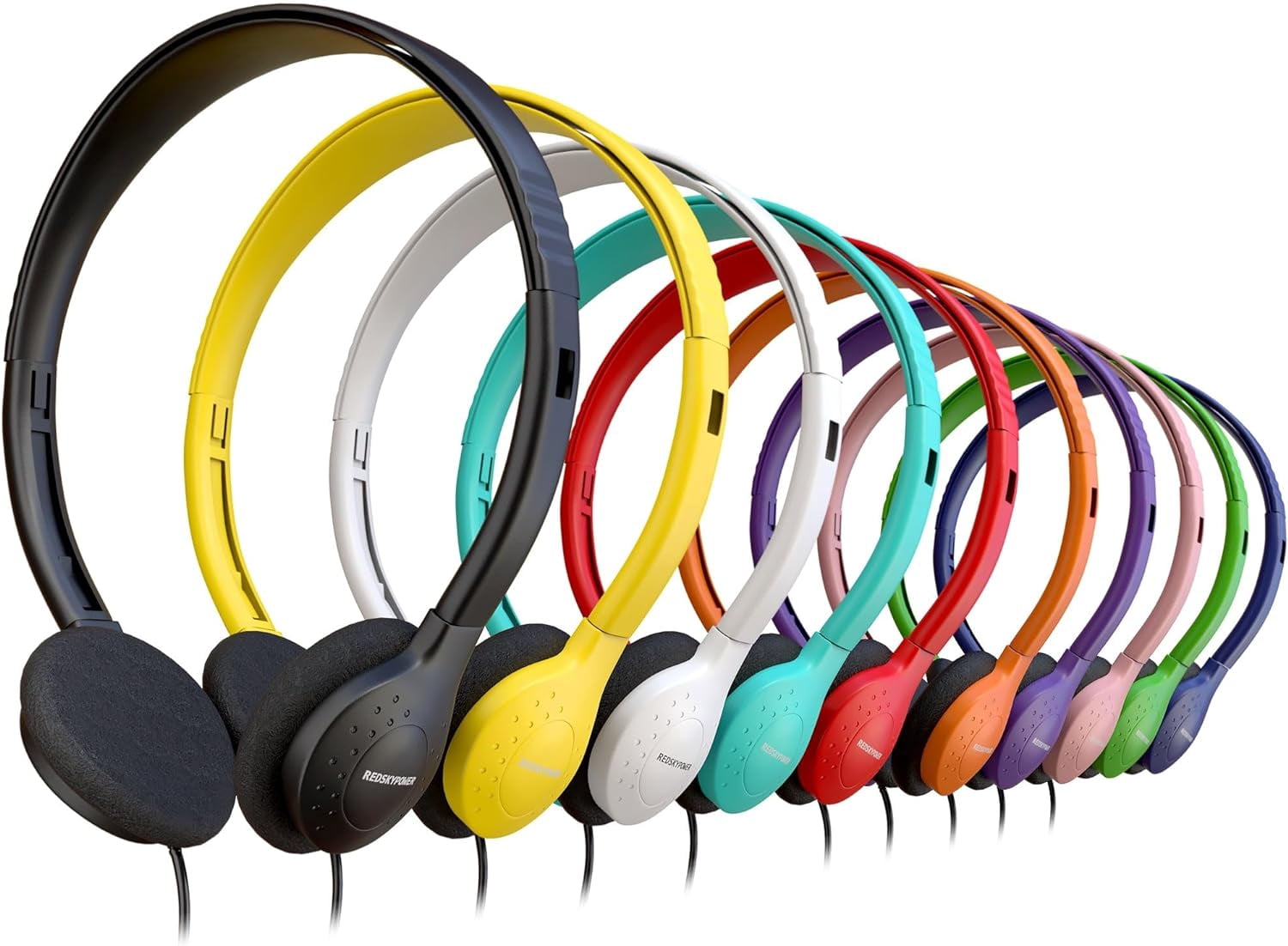
The least expensive wired headphones often cost $10 to $25. This range includes simple in-ear earbuds, on-ear headphones, and models sold for children or casual use.
You may get clear speech and fair music sound. However, these headphones often use thin cables, basic ear tips, and fixed parts. They may not last as long under daily heavy use.
Low-cost wired earbuds can still make sense as a backup pair. They are also useful for flights, office calls, and devices that do not support Bluetooth.
$25 to $75: The common value range
The $25 to $75 range is where many buyers find the best balance of price and quality. Headphones in this group may offer better padding, a stronger cable, a microphone, and more balanced sound.
Some models also include a 3.5 mm plug, a USB-C plug, or both through an adapter. Check this detail before buying. A low price does not help if the connector does not fit your device.
$75 to $200: Higher-quality everyday headphones
Wired headphones between $75 and $200 often focus on sound detail, comfort, repairable parts, or a more durable design.
This range includes many studio-style headphones and better over-ear models. Some have detachable cables, which can lower long-term cost because you can replace the cable instead of replacing the whole headphone.
A higher price does not always mean better sound for every listener. Fit, music taste, and source equipment still matter.
$200 and above: Professional and audiophile models
Premium wired headphones may cost $200 to $500 or more. Some specialist models cost over $1,000.
These headphones may use better materials, larger drivers, open-back designs, or carefully tuned sound. They can be useful for mixing, recording, critical listening, or home audio systems.
They may not be the best choice for public places. Open-back headphones let sound in and out. They can also leak music to nearby people.
What Changes the Price of Wired Headphones?
The main price drivers are the headphone design, parts, comfort, and intended use. A higher cost should provide a clear benefit for your needs.
Headphone type
Wired headphones come in several forms:
- Wired earbuds: Small and often inexpensive.
- In-ear monitors: Fit inside the ear canal and may offer better detail or noise isolation.
- On-ear headphones: Rest on the ears and are usually lighter.
- Over-ear headphones: Surround the ears and often provide more comfort.
- Open-back headphones: Allow air and outside sound through the ear cups.
- Closed-back headphones: Block more outside sound and reduce sound leakage.
In-ear models often cost less because they use less material. Large over-ear models may cost more because they need bigger ear cups, headbands, and drivers.
Driver quality and tuning
A driver changes an electrical signal into sound. Driver size matters, but it does not tell the whole story.
Two headphones with the same driver size can sound very different. Tuning, ear-cup shape, fit, and build quality also affect the result. Do not pay more based on driver size alone.
Materials and build
Metal parts, thick padding, reinforced hinges, and replaceable cables can raise the price. They may also improve long-term value.
Still, expensive materials do not make headphones unbreakable. Folding hinges and cable connections remain common weak points.
Comfort and fit
Comfort often explains part of the price. Better padding and a well-shaped headband can make long listening easier.
For over-ear models, check the ear-cup size. If the cups press on your ears, even excellent sound may become tiring.
Microphones and controls
A built-in microphone and remote can increase cost. They may be useful for calls, gaming, and online classes.
Some inline microphones work better with phones than computers. Others may not support every button on every device. Compatibility can depend on the operating system and plug design.
Detachable cables
A detachable cable can improve repair value. If the cable fails, you may replace the cable rather than the headphones.
This feature is less common on very cheap headphones. It is more common on studio and enthusiast models.
Do You Need an Adapter for Wired Headphones?
You may need an adapter if your device lacks the headphone port that matches your headphones.
The most common U.S. connectors are:
- 3.5 mm analog plug: Common on computers, older phones, tablets, music players, and audio equipment.
- 6.35 mm plug: Common on some amplifiers, mixers, keyboards, and studio equipment.
- USB-C: Sends digital audio through a USB-C port.
- Lightning: Used by some older Apple accessories and devices.
- Balanced plugs: Used with some specialized audio equipment.
3.5 mm headphones
A 3.5 mm plug is the simplest option for many devices. It usually does not need extra software or charging.
If your phone has no 3.5 mm port, you may need a USB-C-to-3.5 mm or Lightning-to-3.5 mm adapter. A cheap passive adapter may not work with every device.
USB-C headphones
USB-C headphones contain digital audio hardware. They may work with phones, tablets, computers, and game devices that support USB audio.
USB-C ports are not all the same. Some devices support charging only, while others support audio, video, or data. Check the device maker’s specifications before buying.
Adapter costs
A basic adapter may cost about $5 to $20. Better adapters can cost more, especially if they include a digital-to-analog converter, microphone support, or volume controls.
This means a $15 pair of headphones may become a $25 or $35 purchase after the needed adapter and shipping.
How Much Should You Spend on Wired Headphones?
Spend based on use, comfort, and replacement risk rather than price alone.
For calls and casual listening
A budget of $15 to $40 is often enough. Look for:
- A clear microphone
- A comfortable fit
- A cable that does not feel fragile
- A connector that matches your device
- A return policy
You do not need premium audio parts for basic calls or podcasts.
For music at home
A budget of $40 to $150 gives you more choices. Focus on comfort and the sound style you prefer.
Closed-back headphones suit shared rooms and noisy spaces. Open-back headphones may sound more spacious, but they are better for quiet rooms.
For gaming
Many wired gaming headphones cost $30 to $150. The main features are a comfortable fit, a good microphone, and compatibility with your console or computer.
Do not assume that a gaming label means better sound. A regular wired headphone with a separate microphone may offer better value for some players.
For recording and studio work
A budget of $80 to $300 may cover many useful studio headphones. Closed-back designs are common for recording because they reduce sound leaking into a microphone.
For mixing, comfort and consistent sound matter more than extra features. Ask whether the model is designed for tracking, mixing, or general listening.
For high-detail listening
A budget above $150 may make sense if you already have a suitable audio source and know what sound you want.
Some high-end headphones need more power than a basic phone or laptop output can provide. You may need a headphone amplifier, which adds to the total cost.
The Real Cost of Owning Wired Headphones
The purchase price is only part of the cost. Accessories, repairs, and replacement affect the long-term value.
Include sales tax and shipping
U.S. sales tax varies by state and location. Online shipping may be free, but some sellers charge for delivery or returns.
For example, a pair listed at $50 may cost more at checkout after tax. Always use the final checkout total when comparing prices.
Add the cost of accessories
Possible extra costs include:
- USB-C or Lightning adapter
- Carrying case
- Replacement ear tips
- Replacement cable
- 6.35 mm adapter
- Headphone stand
- Portable amplifier
You may not need all of these. Add only what your device and use require.
Consider repairability
A wired model with a removable cable may cost more at first. It can still be cheaper over time if you can replace a damaged cable.
Fixed cables may be harder to repair. Do not attempt electrical repairs unless you have the right skills. A damaged cable can cause noise, loss of sound, or an unsafe short in rare cases.
Calculate cost per year
A simple comparison can show value:
Total ownership cost ÷ years of use = yearly cost
For example, a hypothetical $40 pair used for two years costs about $20 per year. A hypothetical $120 pair used for five years costs about $24 per year.
This is not a prediction of lifespan. It is only a way to compare purchase price with your expected use.
Common Mistakes When Buying Wired Headphones
The most common mistakes involve compatibility, fit, and unverified claims.
Buying the wrong connector
A 3.5 mm plug, USB-C plug, and Lightning plug are not interchangeable without the right adapter. Check your device first.
Confusing noise isolation with noise cancellation
Noise isolation comes from the physical fit of the headphones. Active noise cancellation uses microphones and electronic processing.
Many wired headphones provide noise isolation. Active noise cancellation may require batteries or a separate power system. Do not assume that every wired model cancels outside noise.
Paying for features you will not use
You may not need a premium cable, studio connector, or high-end amplifier for podcasts and calls.
Spend more when the added feature solves a real problem. Otherwise, the extra cost may bring little benefit.
Ignoring return terms
Headphone comfort is personal. A model that fits one person may hurt another.
Check the seller’s return policy before opening the package. Some retailers limit returns for in-ear products for hygiene reasons.
Trusting sound claims without context
Terms such as “studio quality,” “professional,” and “high-resolution” do not guarantee that a headphone will suit you.
Look for clear specifications, a return option, and reviews that discuss comfort and use conditions. Manufacturer specifications are useful, but they do not fully predict real-world sound.
Are Wired Headphones Cheaper Than Wireless Headphones?
Wired headphones are often cheaper when you compare similar sound and build quality. They do not need a battery, wireless radio, or charging system.
Wired models also avoid battery replacement. That can help long-term value. However, an adapter may add cost if your phone or tablet lacks a headphone jack.
Wireless headphones may cost more but offer freedom of movement and added features. The better choice depends on whether you value simplicity, battery-free use, mobility, or wireless controls.
For a low-cost backup, wired headphones are usually the simpler purchase. For commuting and exercise, wireless headphones may be more convenient even when their initial price is higher.
Frequently Asked Questions
Are $20 wired headphones worth buying?
Yes, if you need basic sound, calls, or a backup pair. Check the connector, microphone, comfort, and return policy. Do not expect the same build or detail as a $100 model.
Are expensive wired headphones worth it?
They can be worth it when comfort, repairability, sound detail, or professional use matters. They are less likely to be worth it if you only need headphones for short calls or casual videos.
Do wired headphones need power?
Most analog 3.5 mm headphones do not need a battery. USB-C and Lightning headphones may contain digital audio hardware and draw power from the connected device.
How long do wired headphones last?
There is no fixed lifespan. Care, cable strain, sweat, storage, and daily use all matter. Models with replaceable cables and ear pads may be easier to maintain.
Can I use wired headphones with an iPhone?
It depends on the iPhone model and connector. An iPhone with a compatible headphone port can use matching headphones. Other models may need a suitable Lightning or USB-C audio adapter.
Do wired headphones sound better than wireless headphones?
Not automatically. Wired headphones can avoid wireless compression and battery limits, but sound quality depends on the drivers, tuning, fit, source, and recording. A well-made wireless model may sound better than a poorly made wired one.
Bottom Line: How Much Do Wired Headphones Cost?
Most wired headphones in the United States cost $20 to $100, while basic models start near $10 and premium models can exceed $500.
For most people, $30 to $75 is a sensible target. Choose a cheaper pair for basic calls or backup use. Spend more for better comfort, stronger parts, replaceable cables, studio work, or detailed music listening.
Before buying, confirm the connector, add any adapter cost, check the return policy, and compare comfort with the way you plan to use the headphones.