How To Block Out Noise With Headphones: Easy Guide

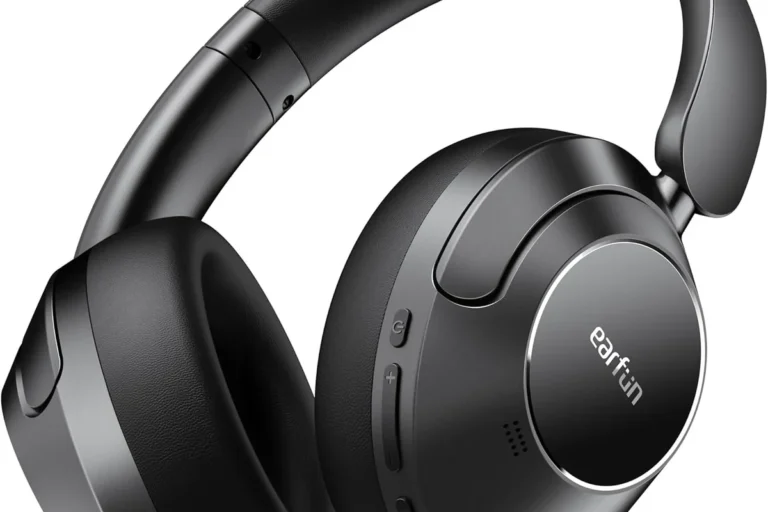
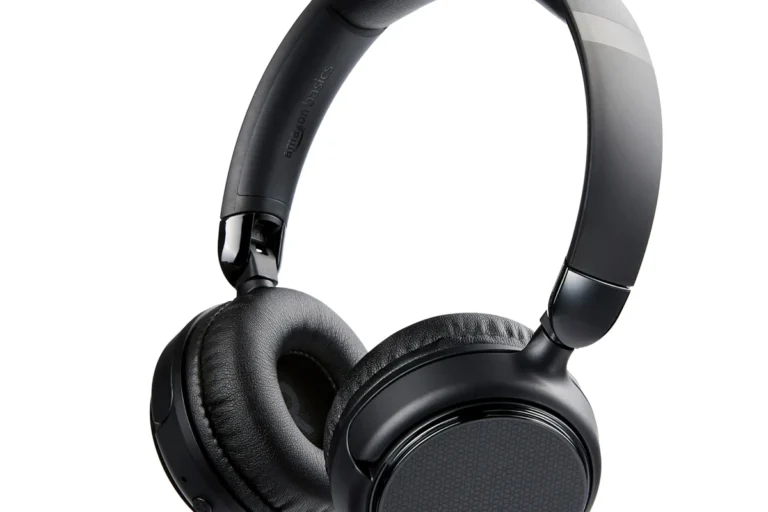
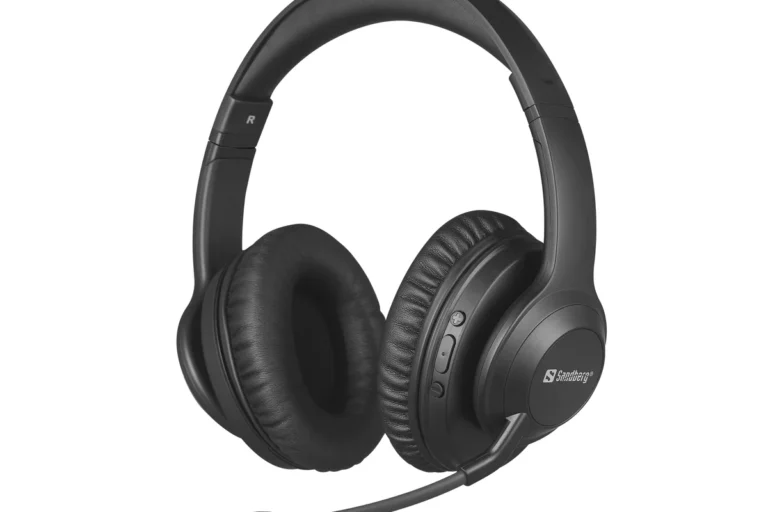
If you live, work, or travel in the United States, the best way to block out noise with headphones is to combine a good physical seal with active noise cancellation (ANC). Over-ear headphones often block more sound than earbuds, but the best choice depends on fit, comfort, noise type, and how long you will wear them.
Start with the lowest volume that lets you hear your content. Headphones can reduce outside noise, but they do not make loud listening safe. The CDC and NIOSH identify 85 dBA over an 8-hour workday as a level at which repeated exposure can harm hearing.

How headphones block outside noise
Headphones use two main methods to reduce unwanted sound:
- Passive noise isolation: Ear cups or ear tips physically block sound.
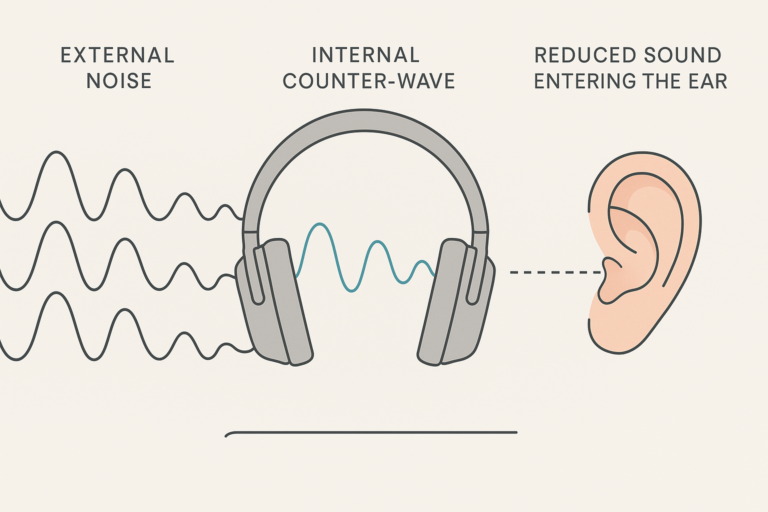
- Active noise cancellation: Built-in microphones detect outside sound, and the headphones create an opposing signal to reduce it.
Passive isolation works best when the headphones fit well. Thick ear cushions can reduce voices, air-conditioning noise, and some traffic sounds. Silicone or foam ear tips can seal the ear canal and reduce sound more effectively than loose earbuds.
ANC works best with steady, low sounds. It can reduce the drone of an airplane engine, bus, train, or HVAC system. It is less effective against sudden sounds, high-pitched sounds, nearby speech, and a child calling your name.
ANC does not create silence. It lowers some sounds so your music, podcast, white noise, or silence feels clearer.
Passive isolation versus ANC
| Feature | Passive isolation | Active noise cancellation |
|---|---|---|
| How it works | Blocks sound with material and fit | Uses microphones and electronic processing |
| Best for | Voices, sharp sounds, some high tones | Engines, fans, trains, and low steady noise |
| Needs power | No | Usually yes |
| Can create a slight pressure feeling | Rarely | Sometimes |
| Works when audio is paused | Yes | Often, if ANC remains on |
| Depends on fit | Very much | Very much |
The strongest result usually comes from using both methods together. This is why sealed over-ear headphones and well-fitted noise-canceling earbuds can work better than loose, open earbuds.

Choose the right headphones for the noise
The noise around you should guide your choice. There is no single headphone type that blocks every sound equally well.
For airplanes, buses, and trains
Choose closed-back over-ear headphones or well-sealed ANC earbuds. ANC can reduce the low engine rumble, while the ear cups or ear tips block some higher sounds.
For travel, check for:
- Comfortable ear cushions
- A secure seal around the ears
- ANC that works without playing music
- A wired listening option if battery power runs out
- A travel case
- A microphone mode for announcements
Do not use maximum volume to cover engine noise. A better fit and stronger passive seal can help you listen at a lower level.
For offices and shared workspaces
Over-ear ANC headphones can reduce fans, HVAC systems, and general room noise. If speech is the main problem, fit may matter more than ANC. Ear cups that fully surround your ears may help, but some voices can still pass through.
Try low-volume instrumental music, brown noise, or steady background sound. Avoid turning the volume high enough to mask every nearby conversation.
For studying at home
Earbuds with foam tips may block enough sound for studying. You may not need ANC if the main noise comes from a fan, refrigerator, or distant traffic.
A simple combination often works well:
- Insert the ear tips correctly.
- Turn on ANC if needed.
- Play quiet brown noise or soft instrumental audio.
- Keep the volume low.
- Take regular breaks.
For loud work environments
Consumer headphones are not automatically hearing protection. If you work around power tools, construction equipment, firearms, concerts, or loud machinery, use hearing protection designed and labeled for that setting.
In the United States, look for hearing protectors with a Noise Reduction Rating (NRR) on the package. Earbuds or headphones may not provide the same protection as properly fitted earplugs or earmuffs.
For sleep
Headphones are not always the safest choice for sleep. Over-ear models can press against the head, and earbuds can cause discomfort or trap moisture in the ear canal. Wired headphones can also create a snag risk.
If you need sound at night, consider a bedside speaker, a sleep headband made for that purpose, or a sound machine. Keep the volume low enough that you could still respond to an important alert.

How to block out noise with headphones: Step-by-step
Use this sequence to get the most noise reduction without raising the volume too far.
1. Pick the correct headphone style
Use closed-back over-ear headphones for broad coverage and long sessions. Use sealed earbuds when you need a small, portable option.
Avoid open-back headphones if your goal is to block outside noise. Their design allows sound to enter and leave more freely.
2. Create a complete seal
A poor seal is one of the most common reasons headphones fail to block noise.
For over-ear headphones:
- Center each ear inside the cushion.
- Move the headband until the ear cups sit evenly.
- Make sure hair, glasses, or hat brims are not creating a gap.
- Adjust the clamping force only as needed for comfort.
For earbuds:
- Select the correct ear-tip size for each ear.
- Insert the tips according to the manufacturer’s instructions.
- Twist or press them gently into place if the design requires it.
- Check whether the fit changes when you walk or talk.
A sealed fit should feel stable, not painful. If an earbud hurts, do not force it deeper.
3. Turn on ANC
Activate ANC after the headphones are fitted. Some models use an app to adjust ANC strength or select a travel, indoor, or adaptive mode.
If the headphones have an automatic mode, test it against a fixed ANC mode. Automatic systems may reduce cancellation when they detect voices or movement.
4. Use an appropriate sound layer
You can use headphones with no audio, but some people prefer a steady sound layer. Useful choices include:
- Brown noise for low, steady masking
- White noise for broad, consistent masking
- Instrumental music for work or study
- Nature sounds for relaxation
- A podcast when speech is not distracting
Masking is different from blocking. The added sound covers what remains, but it also adds sound exposure. Keep it quiet.
5. Set the volume before entering the noisy space
Set the volume in a quiet place, then enter the noisy area. This reduces the chance that you will raise the volume to compete with outside sound.
A practical check is the conversation test: if you cannot hear someone speaking at arm’s length while wearing the headphones, the audio may be too loud for routine use. This is not a medical measurement, but it is a useful warning sign.
6. Check the fit again after movement
Walk, turn your head, chew, and adjust your glasses. If noise suddenly increases, the seal may have broken.
For earbuds, a different tip size may solve the problem. For over-ear headphones, repositioning the cups or changing the headband height may help.

How to use headphones safely
Noise-canceling headphones may make listening more comfortable, but ANC does not protect your ears from loud audio played through the headphones.
Use these habits:
- Keep the volume as low as practical.
- Take quiet breaks during long listening sessions.
- Stop if you notice ringing, muffled hearing, pain, or unusual sensitivity to sound.
- Clean ear tips and cushions according to the manufacturer’s instructions.
- Do not share earbuds without cleaning them.
- Keep one ear free or use awareness mode near traffic, cyclists, alarms, and public announcements.
- Never rely on ANC alone when you need to hear a warning signal.
The World Health Organization recommends safe listening practices such as lowering volume, taking breaks, and using well-fitted headphones. Its guidance also emphasizes that listening time and volume work together: louder sound leaves less safe listening time.
Do headphones need to be loud to block noise?
No. A better seal and effective ANC can reduce the need for high volume. If you must turn the volume up every time the environment gets louder, improve the fit or choose headphones with stronger passive isolation.
Do not place earplugs under headphones unless the situation calls for hearing protection and you understand how to use both safely. In loud workplaces, ask a safety professional or employer about the correct combination and fit.
Can ANC damage hearing?
ANC itself does not make the sound entering your ears louder. The greater risk usually comes from playing audio at a high level for a long time.
Some people feel pressure, dizziness, or discomfort when ANC is active. Turn ANC off if it makes you feel unwell. If symptoms continue, stop using the headphones and seek medical advice.

Troubleshoot poor noise blocking
If headphones do not block enough sound, check the most likely causes first.
Problem: You still hear voices clearly
Possible causes:
- The headphones do not seal well.
- The sound is close and unpredictable.
- The ANC system is designed mainly for low-frequency noise.
- Hair, glasses, or an incorrect ear-tip size is creating a gap.
Try this:
- Replace or resize the ear tips.
- Reposition the ear cups.
- Turn ANC off and on.
- Test a different ANC mode.
- Add quiet masking audio.
Speech is difficult to remove because it contains changing frequencies. No consumer headphone can reliably block every nearby conversation.
Problem: ANC makes a hiss or pressure sensation
A faint hiss can occur with some ANC systems. A pressure sensation can also occur, even though the air pressure around you has not changed.
Try a lower ANC setting or transparency mode. If you feel dizzy, nauseated, or unwell, remove the headphones and stop using ANC.
Problem: Noise increases when you wear glasses
Glasses can create a small gap between the ear cushion and your head. Try thinner glasses frames, reposition the headphones, or use earbuds with a proper seal.
Do not bend the headband aggressively. Excessive pressure may cause pain without creating a better seal.
Problem: Earbuds keep falling out
Use a different ear-tip size or a model with an ear wing or hook. The left and right ears may need different tip sizes.
If the earbuds remain loose during walking, do not use them in situations where losing awareness could create a hazard.
Problem: The headphones block sound but audio is still too loud
This usually means the listening level is higher than needed. Lower the volume, pause the audio, and give your ears a quiet break.
If ringing or muffled hearing lasts after you stop listening, arrange a hearing evaluation. Seek prompt medical care for sudden hearing loss, especially in one ear.

Headphones, earplugs, and earmuffs: Which is better?
The best option depends on whether your goal is comfort, concentration, or hearing protection.
| Goal | Better starting choice | Why |
|---|---|---|
| Reduce airplane engine noise | ANC headphones or earbuds | ANC targets steady low-frequency rumble |
| Focus in a quiet office | Closed-back headphones | Passive isolation may be enough |
| Block sound while studying | Sealed earbuds or over-ear headphones | Fit and comfort support longer use |
| Protect hearing around machinery | Rated earplugs or earmuffs | Designed and labeled for noise reduction |
| Stay aware outdoors | Awareness mode or one ear uncovered | Helps you hear traffic and alerts |
| Sleep with background sound | Bedside speaker or sleep audio device | Reduces pressure and cable risks |
A headphone’s advertised ANC feature is not the same as a workplace hearing-protection rating. Do not use ordinary headphones as a substitute for certified protection around hazardous noise.
For very loud settings, hearing protection may need to be selected and fitted by a qualified safety professional. Employers covered by the Occupational Safety and Health Administration may have specific requirements for hearing conservation programs.

Common mistakes that reduce noise blocking
Avoid these errors:
- Using open-back headphones: They are built for sound openness, not isolation.
- Ignoring the seal: ANC cannot compensate fully for a large physical gap.
- Choosing comfort by pressure alone: Tight headphones may hurt without blocking much more sound.
- Playing audio too loudly: Masking noise does not require unsafe volume.
- Wearing dirty ear tips: Wax and debris can affect fit and hygiene.
- Expecting silence: ANC reduces selected sounds; it does not remove all sound.
- Using noise-canceling headphones near hazards: You may miss alarms, vehicles, or instructions.
- Sleeping with unsuitable headphones: Pressure, heat, moisture, and cable risks can create problems.
- Assuming all ANC modes work the same: Adaptive settings may change their behavior based on the environment.
The most useful improvement is often not a new feature. It is a better seal, a better tip size, or a lower-noise location.

Key takeaways
- Use closed-back over-ear headphones or sealed earbuds for the strongest everyday isolation.
- Use ANC for steady low sounds such as engines, trains, fans, and HVAC systems.
- Check the fit before raising the volume.
- Keep audio quiet and take breaks during long listening sessions.
- Do not treat ordinary headphones as hearing protection.
- Use awareness mode or remove headphones near traffic, alarms, and other hazards.
- Stop listening if you notice ringing, pain, dizziness, or muffled hearing.
FAQs
Do noise-canceling headphones block all sound?
No. They reduce some outside sound, especially steady low-frequency noise. Voices, sudden sounds, alarms, and high-pitched noises may remain audible.
Are over-ear headphones better than earbuds for blocking noise?
Often, over-ear headphones provide stronger overall passive isolation because their cushions cover the ears. Well-fitted ANC earbuds can still work very well and are easier to carry. Fit matters more than size alone.
Can I use headphones without playing music?
Usually, yes. Many ANC headphones continue to reduce outside noise when audio is paused. Battery use and available features vary by model.
What is the best noise to play through headphones?
Choose a steady, quiet sound that helps cover what remains. Brown noise may suit low background rumble, while white noise has a broader sound profile. The best choice is the one that works at the lowest comfortable volume.
Why can I still hear people when ANC is on?
Speech changes quickly across several frequencies, so ANC may not remove it fully. A poor seal can also let voices enter around the ear cups or ear tips.
When should I see a hearing professional?
Arrange an evaluation for persistent ringing, repeated muffled hearing, ear pain, dizziness, or trouble understanding speech. Seek prompt medical care for sudden hearing loss.
Conclusion
To block out noise with headphones, start with fit and passive isolation, then add ANC for steady background sounds. Use low-volume masking only when needed, and keep awareness of traffic, alarms, and other hazards.
If your current headphones are not working, replace the ear tips or adjust the ear cups before buying a new pair. If the environment is loud enough to threaten hearing, use hearing protection with a suitable noise-reduction rating instead of relying on consumer headphones alone.