How Do Apple Noise Cancelling Headphones Work: Explained

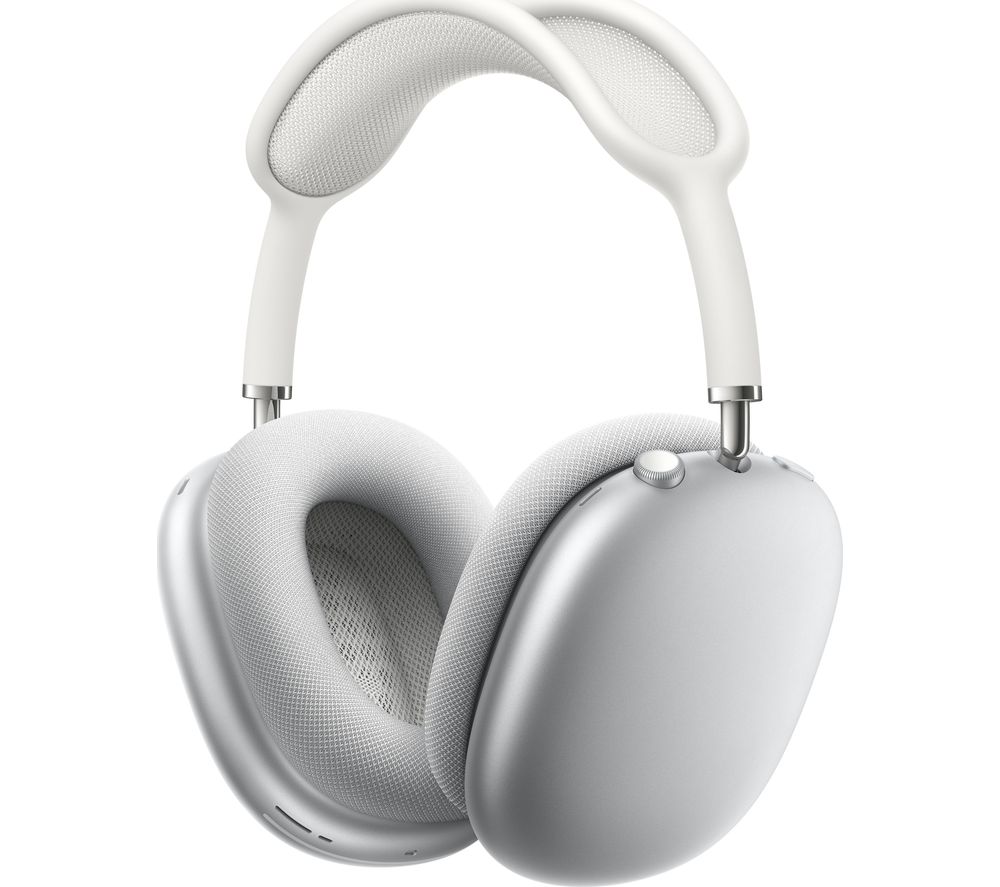
For people in the United States, Apple’s over-ear noise-cancelling headphones—known as AirPods Max—use microphones, computer processing, and small speakers to reduce outside sound. The microphones listen to noise around you. The headphones create a matching sound wave with the opposite pattern. These waves partly cancel each other before the noise reaches your ears.
AirPods Max also use Adaptive EQ, Transparency mode, and Spatial Audio. These features shape what you hear, but they do different jobs. Noise cancellation reduces outside sound. Transparency mode lets outside sound in. Spatial Audio changes the position and depth of audio from supported content.
What is active noise cancellation?
Active noise cancellation, or ANC, is an electronic system that reduces unwanted sound. It does not create a silent space. Instead, it lowers the volume of steady background noise, such as airplane engines, air conditioners, buses, and office fans.
The system uses a principle called destructive interference. When two sound waves with similar strength meet while moving in opposite patterns, they reduce one another.
A simple example is:
- Outside noise creates one sound wave.
- A headphone speaker produces an inverted version of that wave.
- The two waves meet near your ear.
- Their combined pressure becomes smaller.
- You hear less of the original noise.
The result is not perfect silence because sound changes constantly. The headphone must estimate the noise, process it, and play the corrective signal quickly enough to keep up.
Passive and active noise reduction
Apple headphones reduce sound in two ways:
| Method | How it works | Best at reducing |
|---|---|---|
| Passive isolation | Ear cushions and the headphone seal block sound physically | Higher-pitched noise, voices, sudden sounds |
| Active noise cancellation | Microphones and speakers create an opposing sound wave | Low, steady sounds such as engines and fans |
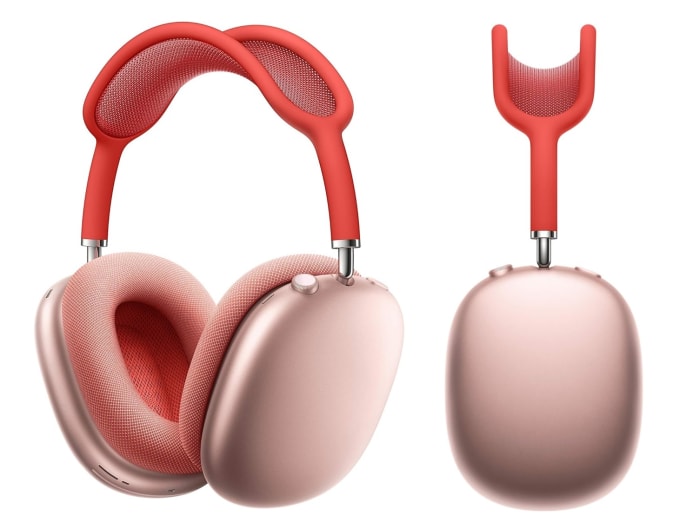
The ear cushions are part of the noise-control system. A poor seal can let sound leak around the ear, reducing the benefit of ANC. Glasses, hair, movement, and worn cushions may also affect the seal.

How do AirPods Max create noise cancellation?
AirPods Max use several microphones to measure sound outside and inside the ear cups. Apple describes this design as Active Noise Cancellation with Transparency mode, supported by microphones, speakers, and computational processing.
1. External microphones detect outside noise
Microphones on the outside of the ear cups listen to sounds around you. These microphones can detect steady sounds before they reach your ears.
For example, if you are on a flight, the external microphones may detect the low rumble from the engines. The headphones then use that information to create a response.
2. Internal microphones measure what you hear
Microphones inside the ear cups monitor the sound near your ears. This helps the headphones account for:
- The shape of the ear cup
- The fit of the ear cushions
- Sound leaking through the seal
- Differences between the left and right ear
- Changes caused by movement or outside conditions
This inside measurement is useful because the sound outside the cup is not always the same as the sound that reaches your ear.
3. The processor calculates the correction
airpods Max use Apple-designed processing hardware to analyze the microphone signals. The processor estimates the unwanted sound and sends an opposite waveform to the speaker.
The correction must happen with very little delay. If it arrived too late, the opposing wave would not line up well with the original noise.
4. The speaker plays the cancellation signal
The speaker inside each ear cup plays the noise-cancelling signal along with your music, podcast, or other audio. The goal is to reduce the unwanted sound without making the correction obvious.
This is why ANC is more effective against a constant engine hum than against a person speaking nearby. A voice changes quickly in pitch, timing, and direction. The system has less time to predict and cancel it.

What is the difference between Noise Cancellation, Transparency, and Adaptive Audio?
AirPods Max have listening modes that control how much outside sound reaches you. The mode you choose changes the headphone’s behavior.
Noise Cancellation mode
Noise Cancellation mode uses the microphone and speaker system to reduce outside sound. It is most useful for:
- Airplane and train noise
- HVAC systems
- Office equipment
- Road noise during a commute
- Low background hum
It does not block every sound. Loud, sharp, nearby, or unpredictable sounds may remain easy to hear.
Transparency mode
Transparency mode uses the external microphones to bring outside sound into the headphones. The headphones mix that sound with your music or other audio.
This can help you hear:
- A conversation
- An airport announcement
- A car horn
- A doorbell
- A coworker
- Traffic near a street
Transparency mode is not the same as removing the headphones. The microphones and processing can change the tone and timing of outside sounds.
Adaptive Audio
On supported Apple devices and software versions, Adaptive Audio blends Noise Cancellation and Transparency mode. It adjusts the amount of outside sound reduction based on the environment.
Apple’s features and controls can vary by AirPods Max model, connected device, and operating-system version. Check Apple’s current support documentation before relying on a specific feature.
Conversation Awareness
Some Apple headphone features can reduce media volume when you begin speaking. This is designed for short conversations, not as a safety system. You should still use the listening mode that gives you enough awareness for the setting.

Why does noise cancellation work better on some sounds?
Noise cancellation works best when the sound is steady, predictable, and low in pitch. A repeating engine sound is easier to analyze than a sudden shout.
Sounds ANC usually reduces well
AirPods Max may reduce:
- Aircraft engine noise
- Bus and subway rumble
- Fan noise
- Air-conditioning systems
- Computer-room hum
- Some road noise
The reduction depends on the sound level, fit, headphone condition, and surroundings.
Sounds ANC may reduce less effectively
ANC may have a smaller effect on:
- Human speech
- Children’s voices
- Dogs barking
- Clapping
- Keyboard clicks
- Sudden alarms
- High-pitched beeps
- Nearby sounds that change rapidly
Passive isolation can still reduce some of these sounds. That is why the best result comes from both a good physical seal and active processing.
Why you may hear a faint hiss
A faint hiss can occur when ANC is active, especially in a quiet room with no music playing. This may come from the microphones, processing system, or normal electronic noise.
A sudden crackle, loud static, or strong imbalance is different. If restarting, cleaning, and reconnecting do not help, Apple Support or an authorized service provider can help determine whether the headphones need service.

Does Spatial Audio cancel noise?
No. Spatial Audio and noise cancellation solve different problems.
Noise cancellation reduces sound from outside the headphones. Spatial Audio changes how supported audio appears to come from different locations around you.
With compatible content, Spatial Audio may make sound seem to come from:
- In front of you
- Beside you
- Above or below you
- A fixed point in the room when head tracking is active
Spatial Audio can work with Noise Cancellation, Transparency mode, or other listening settings. Turning on Spatial Audio does not make ANC stronger.

How does the fit affect Apple headphone noise cancellation?
Fit has a direct effect on ANC. The ear cushions need to surround your ears and form a reasonably consistent seal.
Try these steps if noise cancellation seems weak:
- Place the headphones so both ears sit fully inside the cushions.
- Adjust the headband until the ear cups rest evenly.
- Move hair away from the cushion edge.
- Check whether eyeglass frames create a large gap.
- Make sure the cushions are attached correctly.
- Test the headphones with the same sound in both modes.
- Clean the cushions and microphones according to Apple’s instructions.
If Noise Cancellation and Transparency mode sound nearly identical, check the listening-mode control on the connected iPhone, iPad, Mac, or Apple Watch. Also check whether the headphones are connected to the intended device.
A loose fit can make outside sound seem louder even when the electronics work correctly. Replacing worn cushions may improve the seal, but it will not repair a damaged microphone or speaker.

How to turn noise cancellation on or off
The quickest method is usually through the Control Center on a connected Apple device:
- Connect AirPods Max to your iPhone, iPad, or other compatible device.
- Open Control Center.
- Touch and hold the volume control.
- Select the listening-mode control.
- Choose Noise Cancellation, Transparency, or Off.
You can also press the listening-mode button on the headphones to switch between modes. The exact controls may differ by model and software version.
Signs that ANC is working
You may notice:
- A lower engine or fan rumble
- Less low-frequency background sound
- A change when switching between Noise Cancellation and Transparency
- More awareness of the room when Transparency is active
Test with a steady sound rather than a conversation. A fan, air conditioner, or recorded low rumble makes the difference easier to hear.
What to do if ANC does not work
Use this order:
- Confirm that the headphones have battery power.
- Confirm that Noise Cancellation is selected.
- Reconnect the headphones to the device.
- Restart or reset the headphones using Apple’s current instructions.
- Inspect the ear cushions and microphone openings.
- Test with another device.
- Update the connected Apple device if an update is available.
- Contact Apple Support if the problem affects one side, causes strong static, or remains after a reset.
Do not insert sharp objects into the microphone openings. Do not use liquids or compressed air unless Apple’s instructions for your model specifically allow them.
What are the limits of Apple noise-cancelling headphones?
AirPods Max can make listening more comfortable, but they do not make every environment safe or quiet.
ANC is not hearing protection
Consumer headphones with ANC are not automatically approved hearing-protection devices. They may reduce some noise, but they do not provide a guaranteed protection rating for every environment.
Do not rely on AirPods Max alone near:
- Construction equipment
- Firearms
- Emergency sirens
- Industrial machinery
- Aircraft ground operations
- Very loud concerts
- Any setting that requires certified hearing protection
Use hearing protection with a suitable noise-reduction rating when the environment calls for it. In the United States, the National Institute for Occupational Safety and Health and the Occupational Safety and Health Administration provide workplace noise guidance.
Loud audio can still harm hearing
Noise cancellation does not prevent damage caused by music played too loudly. The World Health Organization recommends safer listening habits, including lower volume and breaks. If you notice ringing, muffled hearing, pain, or a change in hearing after listening, stop and seek medical advice when needed.
Awareness matters outdoors
Noise cancellation can reduce awareness of vehicles, cyclists, alarms, and other hazards. Use Transparency mode or remove the headphones when you need to hear your surroundings. Avoid depending on any headphone mode while crossing roads or working near moving equipment.

Apple AirPods Max noise cancellation compared with ordinary headphones
Ordinary closed-back headphones mainly use the ear cups to block sound. They can reduce some outside noise without microphones or electronic processing.
AirPods Max add active processing. This can improve comfort in places with constant low-frequency noise, such as a plane or train. The trade-off is greater complexity: microphones, software, battery power, and processing all become part of the listening system.
| Feature | Ordinary closed-back headphones | AirPods Max with ANC |
|---|---|---|
| Physical ear-cup barrier | Yes | Yes |
| External microphones | Usually no | Yes |
| Active noise cancellation | No | Yes |
| Transparency-style listening | Usually no | Yes |
| Battery required for ANC | No | Yes |
| Effect on steady low noise | Depends mainly on fit | Usually enhanced by electronic processing |
| Effect on sudden sounds | Limited | Often limited because sounds change quickly |
This comparison does not prove that one product sounds better than another. Fit, music quality, comfort, battery condition, and personal hearing all affect the result.

Common misconceptions about Apple noise cancellation
“Noise cancellation removes all outside sound”
It does not. ANC reduces selected sounds. It does not create a sealed, silent room.
“Transparency mode turns the headphones into normal ears”
It does not work exactly like open ears. Microphones capture and process the environment, so outside sound may have a different tone.
“More ANC is always better”
Not for every situation. Strong isolation may make it harder to hear announcements or nearby people. The best mode depends on what you are doing.
“ANC damages hearing”
ANC itself does not make music safe or unsafe. Hearing risk is mainly linked to sound level, exposure time, and the loudness of the environment. Loud content can still harm hearing even when the outside world seems quiet.
“A battery is only needed for wireless playback”
For AirPods Max, battery power supports the electronic features. If the battery is depleted, the headphones cannot provide their normal powered listening functions.
Frequently asked questions
Do Apple noise-cancelling headphones cancel voices?
They may reduce voices somewhat, but they usually work better on steady low-frequency noise. Speech changes quickly and contains many frequencies, so it is harder to cancel completely.
Can Apple noise cancellation block a baby crying?
It may lower the sound, but it should not be expected to block it. A baby’s cry is loud, variable, and close to the listener. Keep enough awareness to respond to the child and avoid raising the playback volume to mask the sound.
Do AirPods Max work with Android phones?
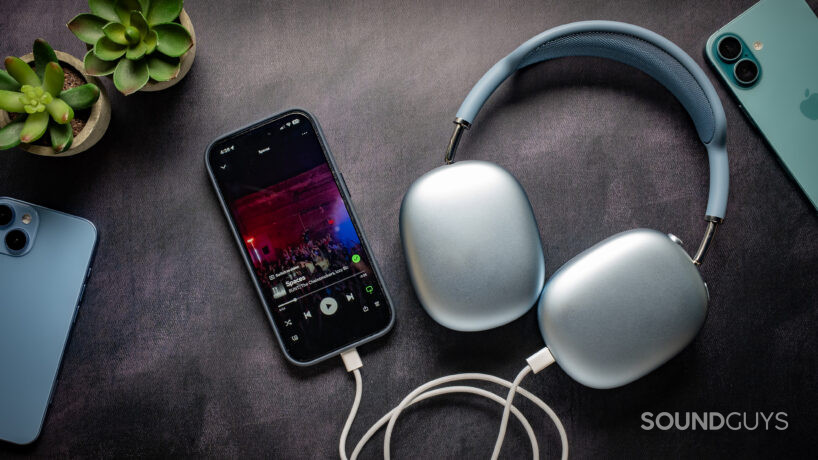
AirPods Max can connect to many Bluetooth devices, including Android phones, for basic audio functions. Some Apple-specific features and controls may not be available or may work differently outside Apple devices. Check Apple’s current compatibility information for the exact model and feature.
Why does ANC feel strange or uncomfortable?
Some people notice pressure, a plugged-ear sensation, or discomfort when ANC is active. This is not the headphones creating harmful air pressure inside the ear. Try Transparency or Off mode, adjust the fit, lower the volume, and take breaks. Stop using the headphones and seek medical advice if you have pain, dizziness, or persistent symptoms.
Does wearing ANC headphones protect hearing on an airplane?
ANC can reduce the need to raise music volume over aircraft noise, which may support safer listening. It is not a substitute for certified hearing protection, and it does not guarantee protection from every loud sound.
Conclusion
Apple noise-cancelling headphones work by combining external microphones, internal microphones, signal processing, speakers, and ear-cup sealing. The system detects outside noise, creates an opposing sound wave, and plays it through the speakers to reduce what reaches your ears.
The technology is most effective against steady low sounds such as airplane engines and fans. It is less effective against speech, sudden noises, and sounds that leak around a poor fit. Use Noise Cancellation for background rumble, Transparency when you need awareness, and moderate volume whenever you listen for long periods.